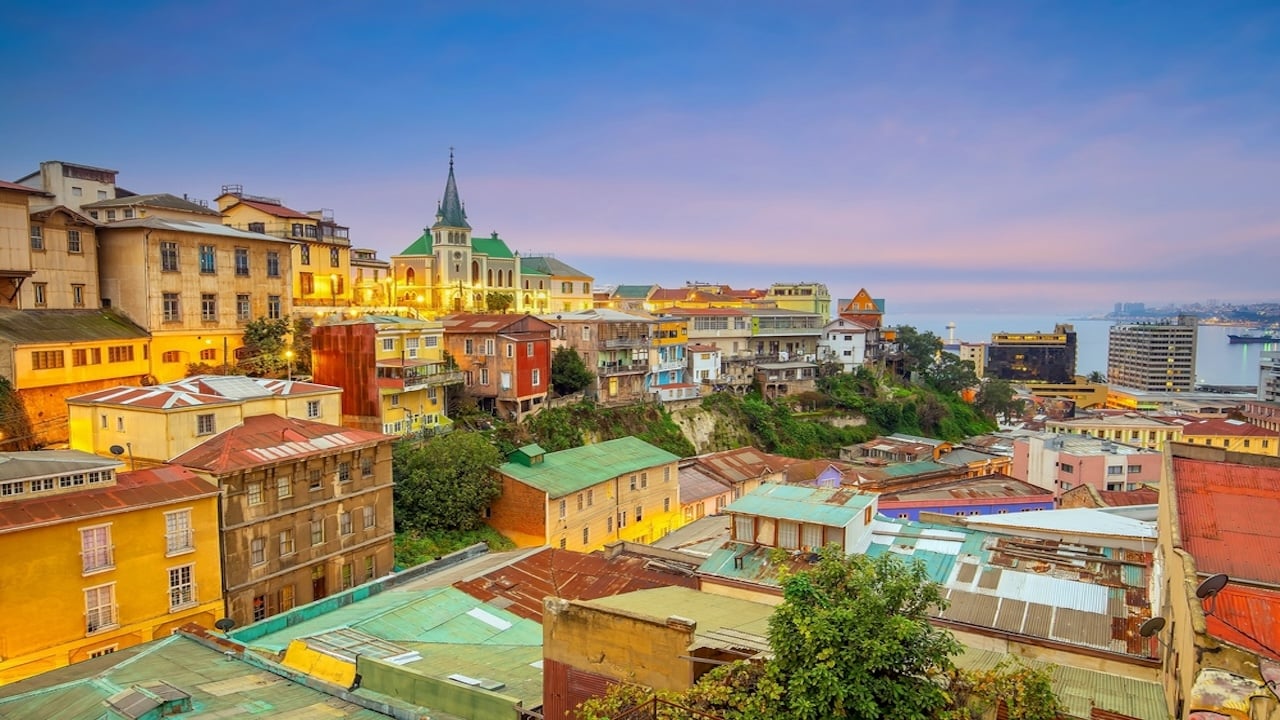
While most travelers flock to Santiago or head straight to Patagonia, savvy adventurers are discovering that Chile’s most captivating destination has been hiding in plain sight just 75 miles from the capital. Valparaíso, a rainbow-hued port city clinging to dramatic Pacific hillsides, is emerging as South America’s hottest urban destination—and it’s about time the world took notice.
This UNESCO World Heritage city combines jaw-dropping architecture, world-class street art, bohemian culture, and coastal charm into an intoxicating mix that feels like a mashup of San Francisco, Lisbon, and nowhere else on Earth. For travelers seeking authentic experiences beyond the typical South American tourist trail, Valparaíso delivers an unforgettable journey through one of the continent’s most visually stunning and culturally rich cities.
A City Built on Hills and Dreams
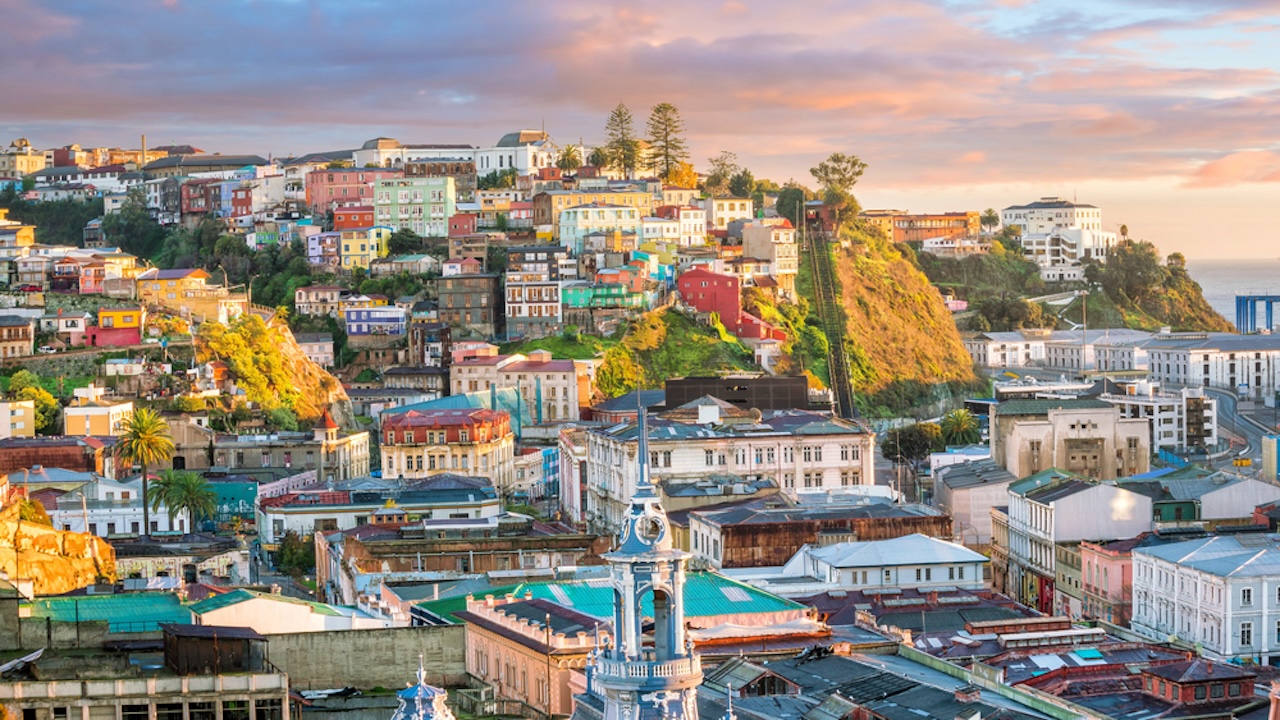
Valparaíso’s geography alone makes it extraordinary. The city cascades down 42 cerros (hills) that plunge dramatically toward the Pacific Ocean, creating a vertical urban landscape unlike anything else in South America. Brightly painted houses, in every shade imaginable from electric blue to sunshine yellow to hot pink, stack precariously on steep hillsides, connected by a labyrinth of winding streets, hidden stairways, and century-old funicular elevators.
These historic funiculars, called ascensores, have been transporting residents and visitors up the city’s punishing inclines since the late 1800s. Riding these creaky wooden cable cars isn’t just practical transportation, it’s a thrilling journey through time and an essential Valparaíso experience. The views from the top are worth every peso, offering panoramic vistas of the bay, the sprawling port, and the colorful neighborhoods tumbling toward the sea.
The city’s nickname, “Valpo” among locals, reflects the affectionate relationship residents have with their chaotic, beautiful, endlessly fascinating home. This is a place where art and life intertwine, where every corner reveals new visual surprises, and where the steep geography has shaped not just the architecture but the culture itself.
The World’s Greatest Open-Air Gallery
What truly sets Valparaíso apart is its status as one of the world’s premier street art destinations. Entire hillsides serve as canvases for internationally renowned muralists and local artists alike, transforming the city into a constantly evolving outdoor museum that rivals any traditional gallery.
Unlike cities where street art exists in designated zones, Valparaíso’s murals cover everything, residential homes, staircases, retaining walls, shops, and abandoned buildings. The art ranges from massive multi-story murals depicting Chilean history and culture to whimsical characters peeking around corners to thought-provoking political statements addressing social issues.
The Cerro Concepción and Cerro Alegre neighborhoods showcase particularly impressive concentrations of street art, though wandering any of Valpo’s hills rewards curious explorers with unexpected artistic discoveries. Many homeowners commission artists to paint their houses, creating a collaborative relationship between property owners and street artists that’s rare in most cities.
Street art tours have become essential Valparaíso experiences, with knowledgeable guides explaining the stories, techniques, and artists behind the murals. These tours provide context that transforms casual viewing into deeper understanding of how art reflects Valparaíso’s identity, struggles, and aspirations.
Bohemian Culture and Creative Energy
Valparaíso has long attracted artists, writers, musicians, and free spirits drawn to its creative energy and relatively affordable cost of living. This bohemian character permeates the city, evident in its numerous independent galleries, experimental theaters, live music venues, and artisan workshops.
The city’s most famous resident was Nobel Prize-winning poet Pablo Neruda, whose Valparaíso home, La Sebastiana, now operates as a museum offering insights into the writer’s life and eclectic tastes. The house itself—a quirky structure perched on a hillside with spectacular views, embodies Valparaíso’s unconventional spirit.
Cerro Concepción and Cerro Alegre have evolved into the city’s cultural epicenters, packed with boutique hotels, trendy restaurants, craft cocktail bars, and design shops. These neighborhoods maintain their historic character while embracing contemporary culture, creating spaces where 19th-century architecture houses 21st-century creativity.
Live music fills Valparaíso’s nights, from intimate jazz clubs to rock venues to street performers creating spontaneous concerts. The city’s annual music festivals attract international acts, while local musicians keep traditional Chilean sounds alive alongside experimental genres.
A Culinary Scene Worth the Journey
Valparaíso’s restaurant scene has blossomed in recent years, with innovative chefs taking advantage of the Pacific location and Chile’s incredible produce to create memorable dining experiences. The city offers everything from sophisticated fine dining to authentic seafood markets where locals have eaten for generations.
The port location means supremely fresh seafood dominates menus. Congrio (conger eel), reineta (Chilean pomfret), and machas (razor clams) appear in countless preparations, while the city’s many cevicherías serve some of South America’s finest versions of this coastal classic. Don’t miss trying caldillo de congrio, the traditional fish stew that Pablo Neruda famously celebrated in poetry.
Beyond seafood, Valparaíso’s restaurants showcase Chilean wine country’s bounty alongside international influences reflecting the city’s historic role as a major port. European immigrants left culinary legacies still evident in German bakeries, Italian trattorias, and British-style pubs tucked into hillside neighborhoods.
The Mercado Cardonal and Mercado Puerto offer authentic market experiences where vendors sell fresh produce, meats, cheeses, and prepared foods. These markets provide windows into daily life while serving delicious, budget-friendly meals that locals swear by.
Historic Architecture Meets Modern Energy

Valparaíso’s UNESCO World Heritage designation recognizes its unique urban form and architectural significance. The city’s golden age as South America’s most important Pacific port (before the Panama Canal’s opening diminished its strategic importance) left an extraordinary architectural legacy.
Grand Victorian mansions, ornate churches, Art Nouveau buildings, and eclectic structures representing every architectural style imaginable create visual richness rarely found in a single city. Many buildings show their age, peeling paint, crumbling facades, and earthquake damage are part of Valpo’s aesthetic, but this weathered beauty contributes to the city’s authentic character.
The Plan (flat area along the port) contrasts dramatically with the cerros, housing the city’s commercial center, financial district, and working port. This area feels grittier and more functional than the picturesque hills, but it’s essential to understanding Valparaíso as a living, working city rather than just a pretty tourist destination.
Recent years have seen increased investment in restoration and preservation, balancing the need to maintain historic integrity with modern safety standards and livability. The challenge lies in preserving Valparaíso’s character while preventing further decay, a delicate balance that sparks ongoing debate among residents, preservationists, and developers.
Getting There and Getting Around
Valparaíso’s proximity to Santiago makes it easily accessible for travelers already visiting Chile’s capital. Regular buses make the 90-minute journey, while those seeking flexibility can rent cars for exploring the coastal region. Many visitors combine Valparaíso with nearby Viña del Mar, the more polished beach resort city that offers a completely different vibe.
Once in Valparaíso, exploration happens primarily on foot, lots of foot. The steep hills provide serious workouts, so comfortable shoes are essential. The ascensores offer relief from endless stairs, though many remain closed for repairs, adding to the adventure of navigating this vertical city.
The city is generally safe for tourists who take standard precautions, though like any port city, some areas require extra awareness, particularly after dark. Sticking to well-traveled neighborhoods and avoiding deserted areas late at night ensures safe experiences.
Why Now Is the Time to Visit
Valparaíso represents everything today’s travelers claim to seek, authenticity, artistic culture, distinctive character, and experiences that can’t be replicated elsewhere. Yet it remains refreshingly undiscovered compared to South America’s marquee destinations, meaning visitors can still explore without battling crowds or feeling like just another tourist checking boxes.
The city’s ongoing renaissance, driven by artists, entrepreneurs, and travelers who recognize its special qualities, creates exciting energy. New hotels, restaurants, and cultural spaces open regularly while respecting the character that makes Valparaíso unique.
For travelers ready to venture beyond the obvious, willing to climb steep hills for spectacular rewards, and seeking destinations that stimulate all senses, Valparaíso offers experiences that linger long after you’ve descended those final stairs to sea level. This is South America at its most colorful, creative, and captivating, a city that rewards curiosity and celebrates the beautiful chaos of life lived on the edge of land and ocean.