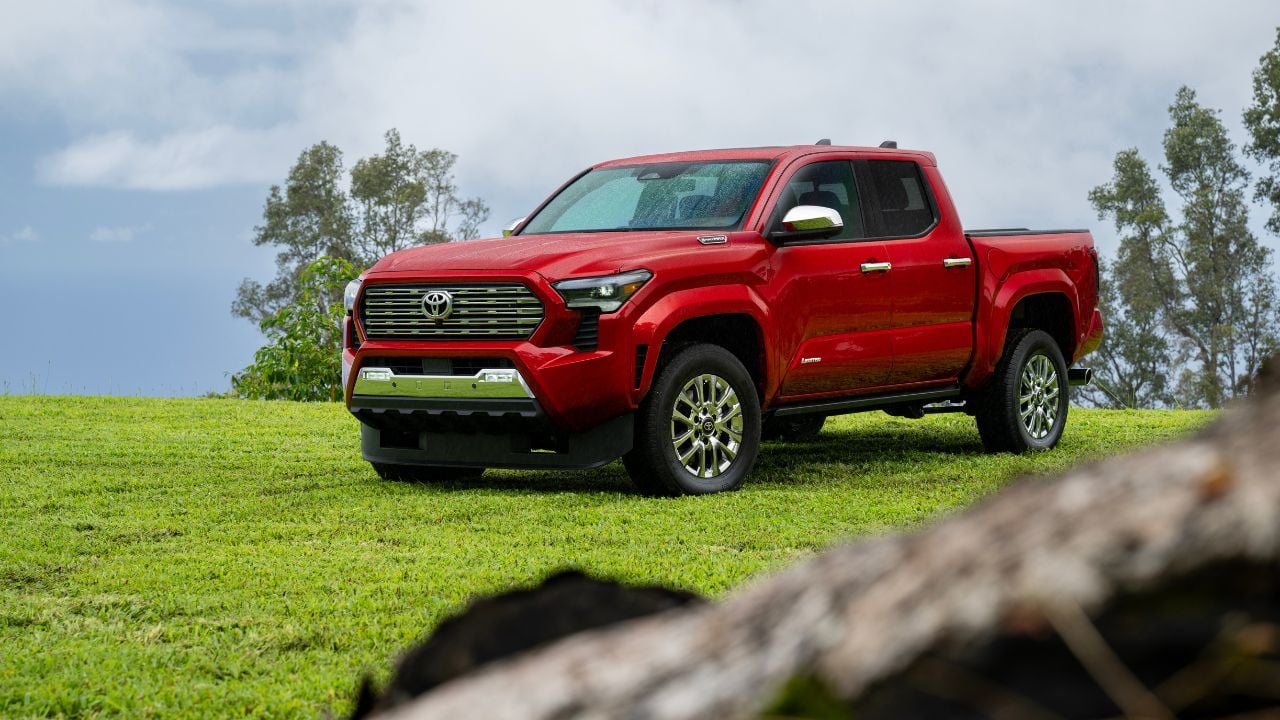
If you’re shopping for the cheapest trucks on the market in 2026, you’ll find some surprisingly capable options that won’t completely drain your bank account. But here’s the reality check: even the most affordable trucks today cost significantly more than they did just a few years ago. Many base trims that hovered around $25,000 in 2020 now list north of $30,000 in 2026, and that’s before we even talk about how much more expensive the average truck has become with all the added tech and features.
The good news? There are still some genuinely budget-friendly options if you know where to look, and we’re comparing them by considering not just sticker price, but also fuel economy, maintenance costs, and overall value.
Ford Maverick

The Ford Maverick remains one of the least expensive new trucks you can buy in 2026, with a starting sticker price around $29,840 (before destination). It is also among the most fuel-efficient pickups you can purchase, with the hybrid returning EPA ratings in the high 30s combined, depending on configuration.
The trade-off is clear: standard towing is 2,000 pounds with the 2.5L hybrid, but properly equipped Mavericks can tow up to 4,000 pounds. The 2.5L hybrid makes about 155 pound-feet of torque, while the available 2.0L EcoBoost makes substantially more for buyers who prioritize pull over mpg.
Hyundai Santa Cruz

The Hyundai Santa Cruz continues as the other main compact “truck” alternative in 2026, typically starting just over $30,000 depending on trim and destination. It brings a fresh approach to the segment with a design that splits the difference between truck and SUV. It’s comfortable, loaded with standard tech features, and has a surprisingly refined ride that makes it feel more expensive than it is.
The Santa Cruz won’t win any hardcore work truck competitions, but for suburban hauling and weekend projects, it’s a smart choice that keeps ownership costs predictable.
Toyota Tacoma
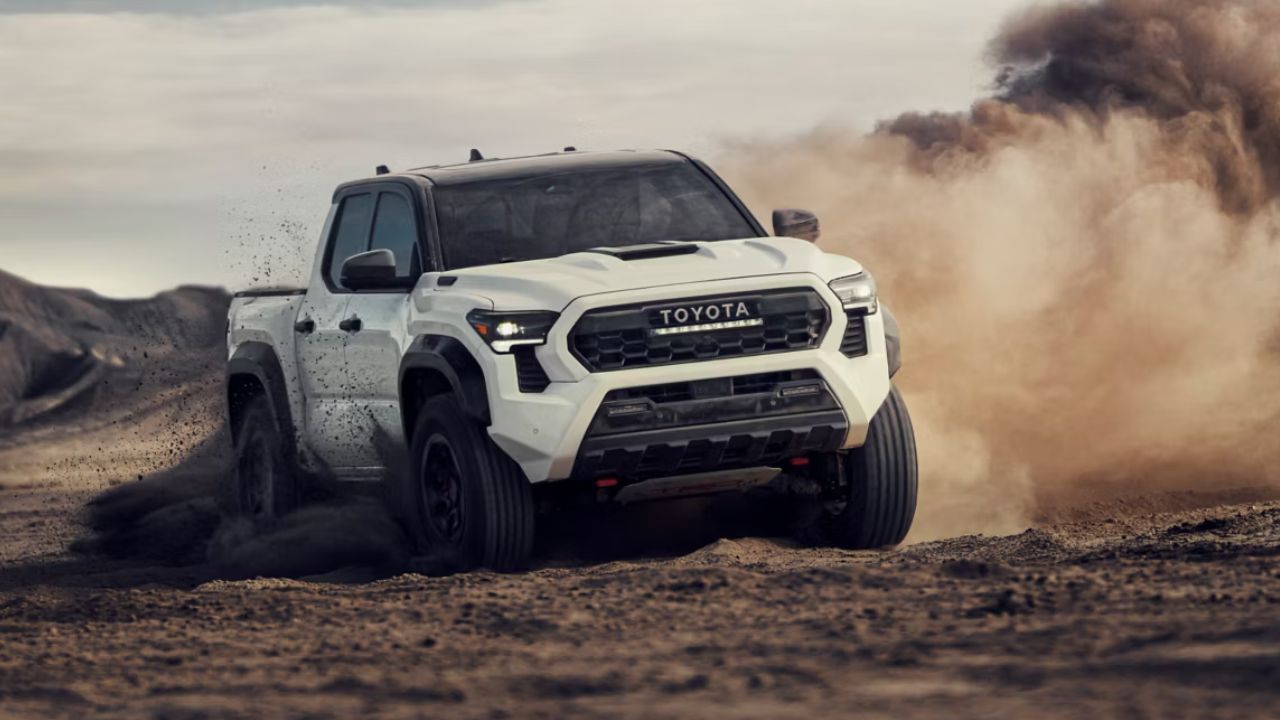
The Toyota Tacoma remains a value-focused choice in 2026, with the SR grade 4×2 listed at $32,245 before destination and fees. It brings something to the table that’s worth paying for: legendary reliability. Toyota’s reputation for building trucks that last well past 200,000 miles means your ownership costs can stay lower over time, even if you’re paying a bit more upfront.
The Tacoma also holds its resale value better than almost any truck on the market, so you’re not just buying a vehicle—you’re buying one of the strongest long-term bets in the segment.
Nissan Frontier
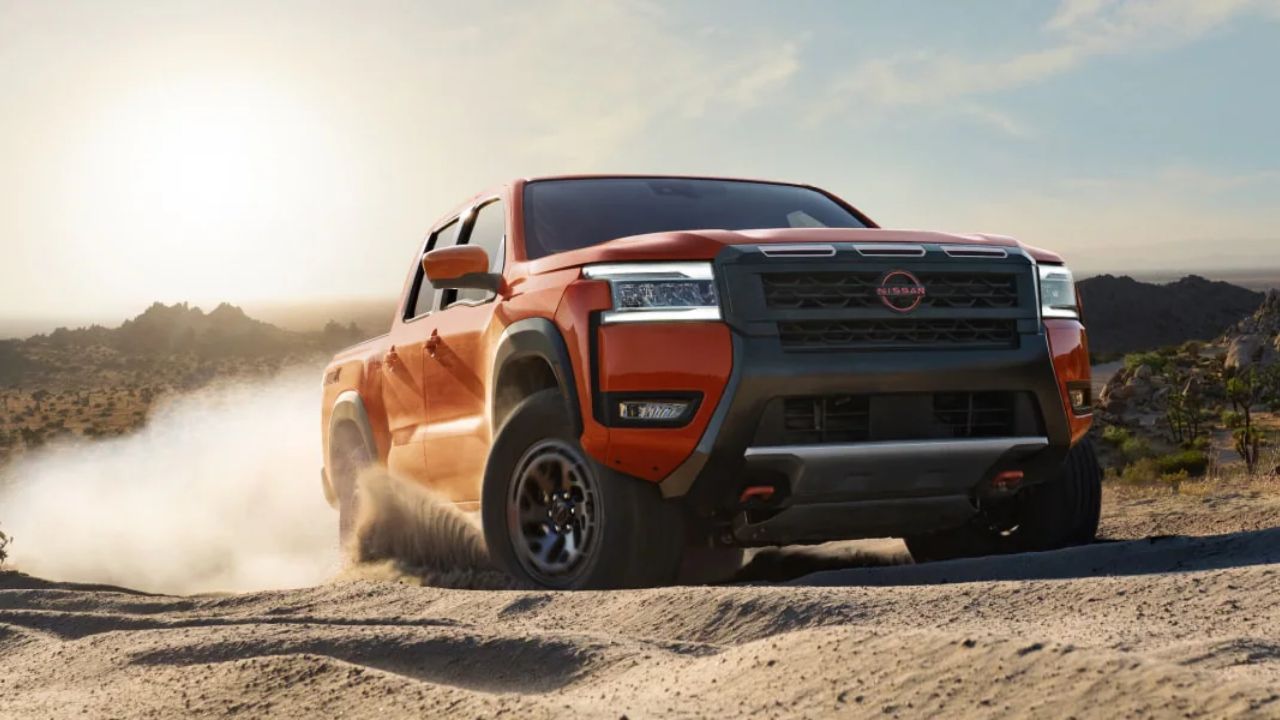
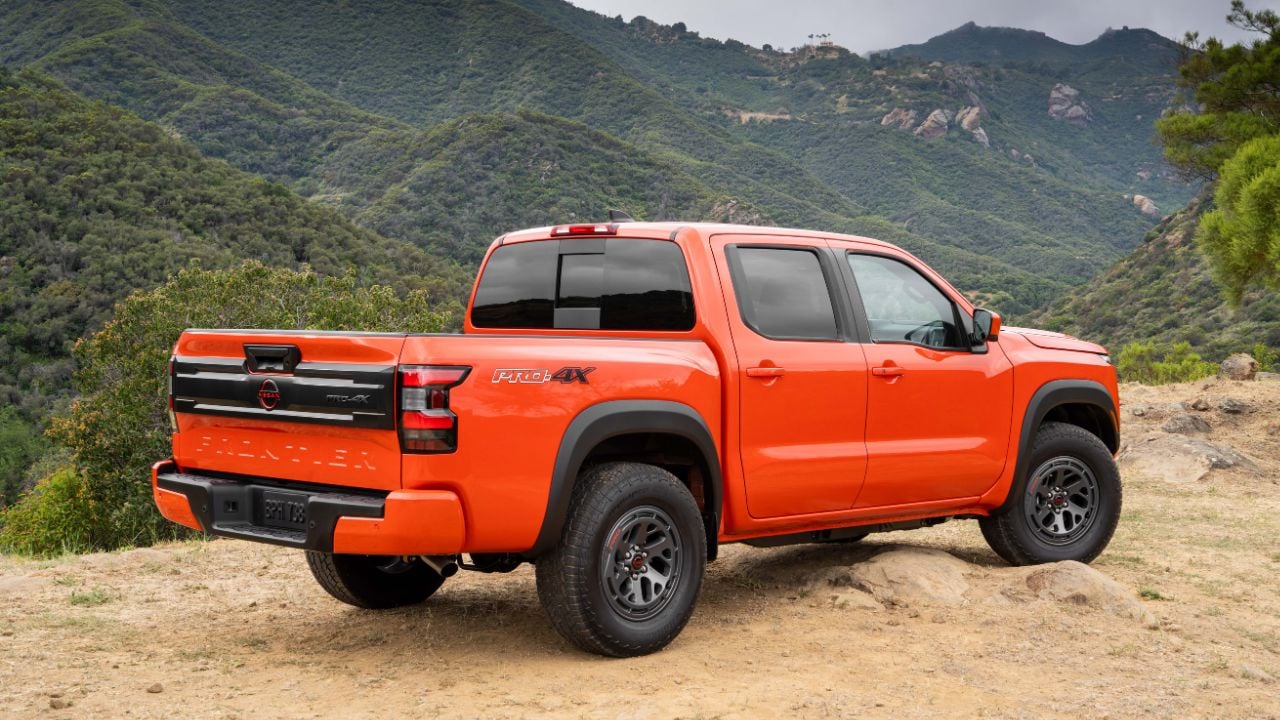
The 2026 Frontier continues to offer solid midsize truck capability without the premium pricing of some competitors. It delivers a straightforward formula: a strong V6 (310 horsepower), a useful towing window around 7,000 pounds depending on configuration, and a conventional interior that’s easier to live with than some over-styled rivals.
The Frontier delivers decent fuel economy for its class and has proven to be reliable, though it doesn’t quite match Toyota’s reputation in that department.
Ford Ranger
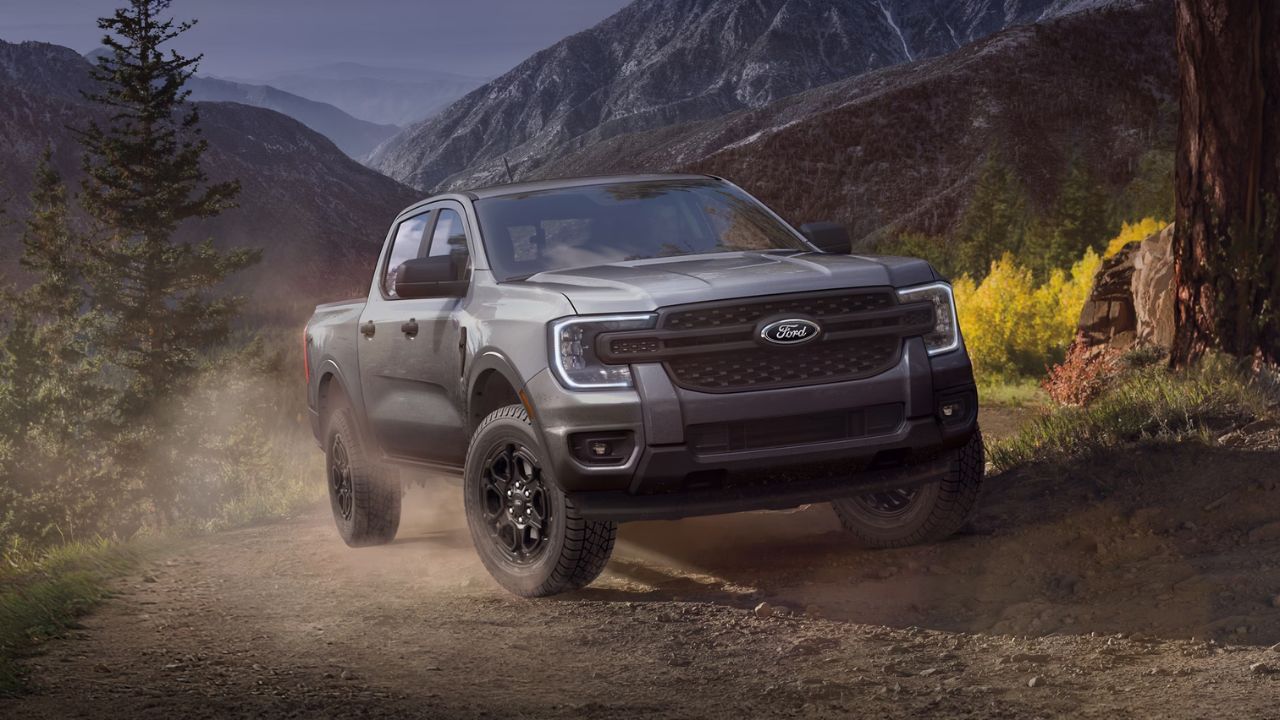
The Ford Ranger slots into the midsize truck category with pricing that keeps it competitive while offering more capability than the smaller Maverick. For 2026, Ranger pricing starts around $35,245 (before destination), with combined fuel economy typically landing in the low 20s depending on drivetrain.
Ford’s built a reputation for making trucks that can handle real work, and the Ranger delivers with stronger towing capacity and payload ratings that make it suitable for more demanding jobs.
Chevrolet Colorado

The 2026 Chevrolet Colorado continues as a midsize pickup with healthy capabilities that positions itself as a serious work truck for less money than many full-size offerings. It feels far more modern than older generations, with a comfortable interior that doesn’t feel stripped down.
While it costs more than compact options like the Maverick, you’re getting significantly more towing capability and a truck that can handle tougher jobs without breaking a sweat.
GMC Canyon

The Canyon shares its bones with the Colorado but adds more style and refinement to the package, typically commanding a slight premium over its Chevy cousin. It’s a smart choice if you want midsize truck capability but prefer GMC’s more upscale approach to interior design and features.
Maintenance costs should be comparable to the Colorado since they share so many components under the skin.
Ram 1500

Moving into full-size truck territory, the Ram 1500 offers a competitive entry point for buyers who need the extra capability. For 2026, Ram 1500 pricing starts around $41,755 (before destination), and it continues to earn praise for a smooth ride and well-designed interiors, even in lower trims.
While fuel economy won’t match compact trucks, the Ram’s available engines give buyers options for balancing efficiency with real full-size capability.
Ford F-150

The F-150 remains one of the most accessible ways to get into a full-size pickup in 2026, with base pricing starting just over the $39,000 mark depending on body style and configuration. The 2.7-liter EcoBoost V6 is still a key value play, making 325 hp and 400 lb-ft of torque while returning fuel economy that can reach the mid-20s on the highway in the right setup.
America’s best-selling truck didn’t get there by accident: the F-150 offers huge configuration variety, widespread parts availability, and long-term ownership practicality.
Chevrolet Silverado 1500

The Silverado competes directly with the F-150 and remains a strong value when you stick with work-truck trims. For 2026, Silverado 1500 pricing starts around $39,495 (before destination), and it offers the kind of straightforward functionality many buyers still prefer.
The Silverado also benefits from GM’s extensive dealer network, making service and repairs convenient no matter where you live.
GMC Sierra 1500

The Sierra is essentially a fancier Silverado, offering the same core mechanical components with more refined styling and interior appointments. For 2026, Sierra 1500 pricing starts around $41,995 (before destination), making it a pricier but more polished full-size option.
Fuel economy and maintenance costs are broadly similar to the Silverado when comparably equipped, so the choice usually comes down to styling, feature packaging, and deals in your area.
Conclusion
The affordable truck market in 2026 still offers real variety, from compact workhorses like the Maverick to full-size haulers that can tackle serious jobs. But let’s not sugarcoat it: “cheap” is now basically “around $30,000” for compact trucks and “right around $40,000” for base full-size pickups—numbers that would have sounded absurd not that long ago. The inflation in truck prices reflects broader changes in what buyers expect: more technology, better safety features, and more refined interiors have become standard rather than optional.
If you’re willing to stick with base trims and skip the fancy packages, these trucks represent the best value in a market where “affordable” has taken on a whole new meaning. The smart move is to focus on long-term costs like fuel economy and reliability rather than just the sticker price, because the cheapest truck to buy isn’t always the cheapest truck to own.