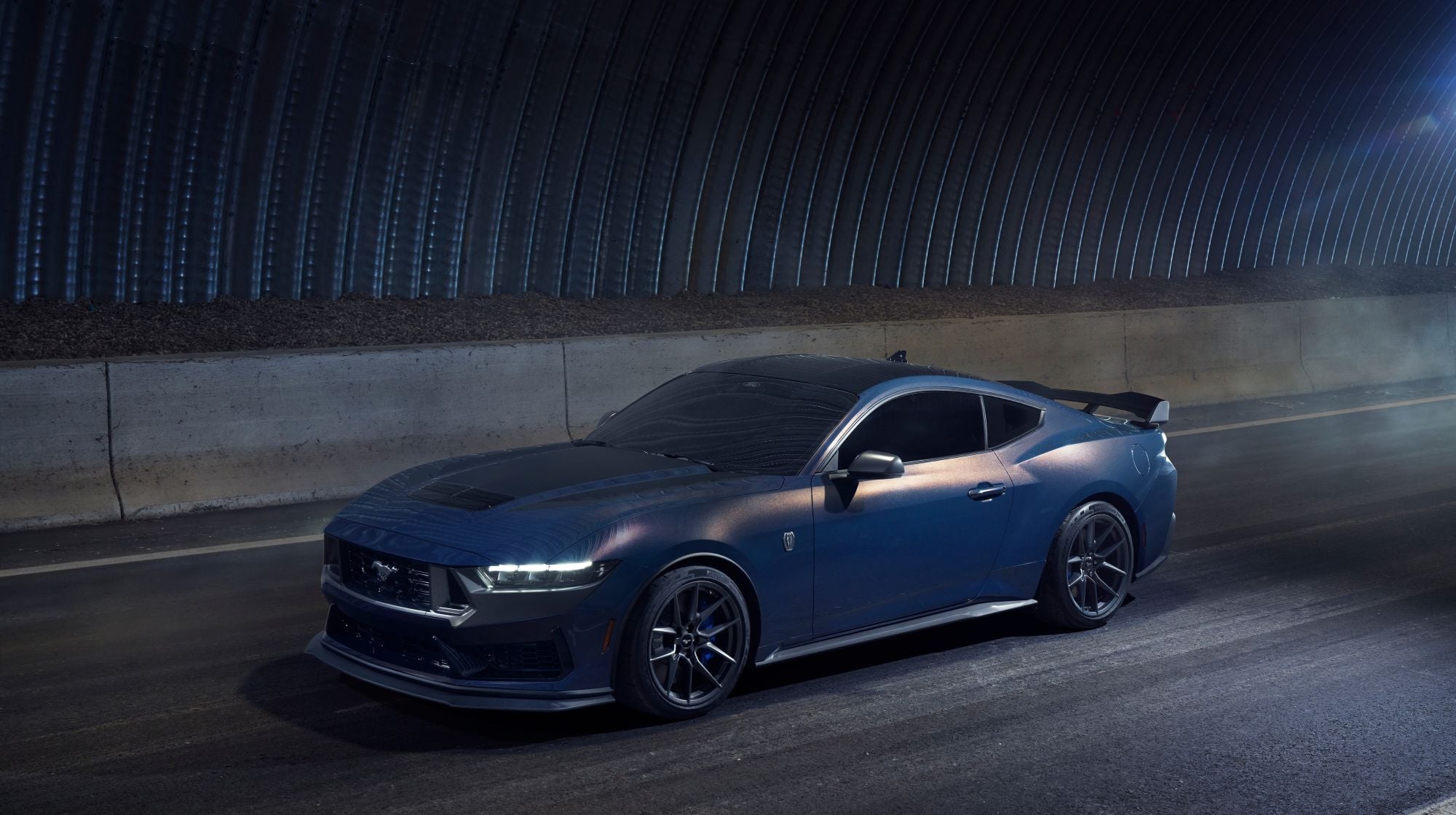
At this point, Ford’s recall department might be the busiest team in Dearborn.
The Blue Oval is back at it again, with the National Highway Traffic Safety Administration (NHTSA) confirming two separate recalls covering more than 83,000 vehicles — and the issues range from engines that might leave you stranded to headlights that seem to have a personal vendetta against oncoming traffic.
Wanna find out if your vehicle is impacted? (If you own a Ford, it probably has been sometime this year already.)
Recall #1: When Your Engine Just… Doesn’t
The first recall covers 47,804 model year 2025 vehicles spanning a surprisingly wide range of Ford and Lincoln models. We’re talking the Ranger, Mustang, Maverick, Explorer, Escape, Bronco Sport, Lincoln Nautilus, and Lincoln Corsair. That’s pretty much Ford’s entire lineup playing musical chairs in the recall lot.
The culprit? A potentially faulty exhaust gas recirculation (EGR) valve. If it fails, affected vehicles could experience a loss of drive power, which is exactly the kind of surprise nobody wants while merging onto a highway. Ford is still developing a remedy, which will be communicated to owners via mail by March 20, 2026. The fix will be performed at any Ford or Lincoln dealership, free of charge.
The affected production windows are:
- Ford Ranger: produced between January 21, 2025 and April 2, 2025
- Lincoln Nautilus: produced between November 16, 2024 and August 14, 2025
- Ford Mustang: produced between December 4, 2024 and April 29, 2025
- Ford Maverick: produced between December 5, 2024 and May 12, 2025
- Ford Explorer: produced between May 24, 2024 and July 16, 2025
- Ford Escape: produced between November 14, 2024 and May 14, 2025
- Lincoln Corsair: produced between November 14, 2024 and April 2, 2025
- Ford Bronco Sport: produced between November 15, 2024 and May 7, 2025
Recall #2: The Explorer’s Headlights Have a Different Vision
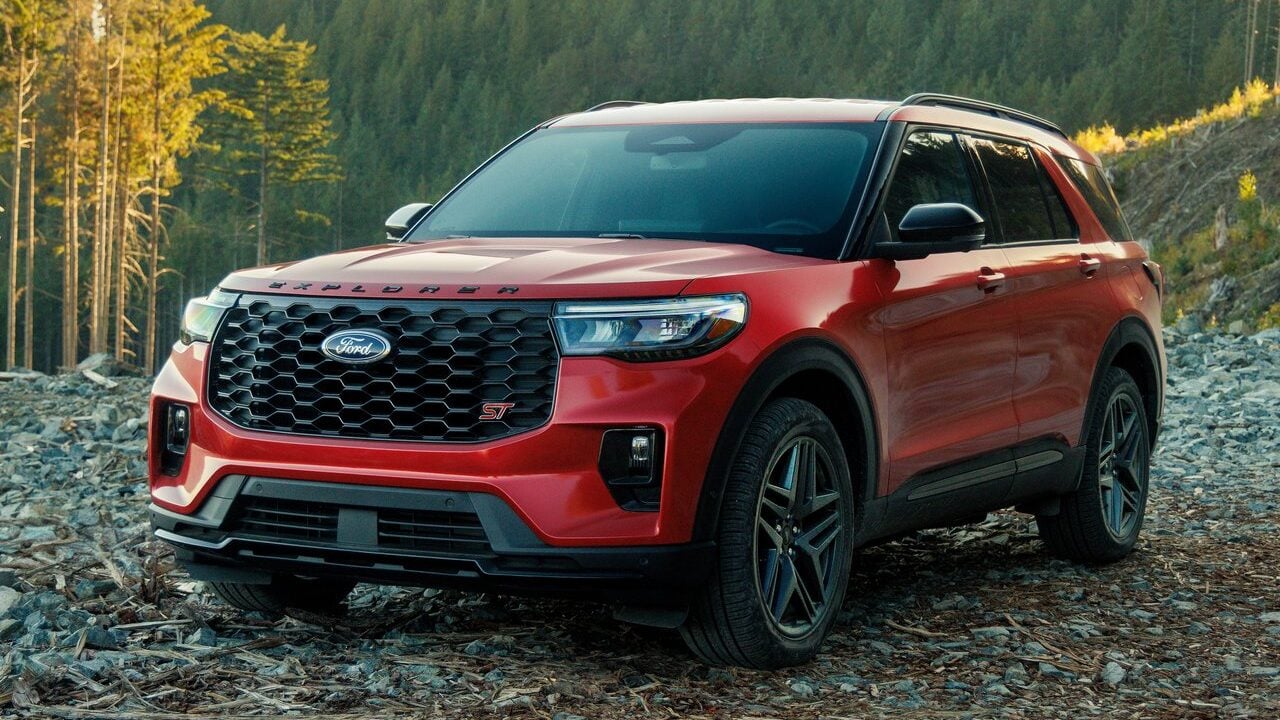
The second recall is perhaps the more eyebrow-raising (pun fully intended) of the two. Ford is recalling 35,772 model year 2025–2026 Ford Explorer vehicles because the passenger-side headlight — equipped with a dynamic bending light feature — may turn in the wrong direction. Instead of illuminating the road ahead during a turn, it could swing toward oncoming drivers, creating unnecessary glare and a significantly elevated crash risk.
The issue stems from a miscalibration in the Headlamp Control Module software. Affected Explorers were produced between November 29, 2023 and November 23, 2025. Owners will be notified by letter by March 27, 2026, and Ford plans to issue an over-the-air (OTA) software update to resolve the problem. Alternatively, owners can visit an authorized Ford or Lincoln dealer to have the fix applied — also at no cost.
Ford’s 2026 Recall Streak Is Something Else…
If you’ve been following Ford news in 2026, these recalls probably don’t come as a total shock. The automaker has been issuing recalls at a pace that would make a speed camera nervous. Earlier this year, Ford recalled a staggering 4.3 million trucks and SUVs over a software fault that could cause trailer brakes and exterior lights to fail while towing — a particularly unsettling scenario for anyone hauling a boat on a highway.
Then there was the recall of nearly 850,000 Bronco and Edge vehicles due to an overheating Accessory Protocol Interface Module that could knock out the rearview camera. Because apparently driving blind is now a recurring theme. Ford also recalled about 413,000 model year 2017–2019 Explorer SUVs over a rear suspension toe link that could fracture and affect steering control — an older issue that resurfaced in early 2026.
And let’s not forget the 15,965 Transit vans recalled in late February over potential brake loss. For the record, Ford issued 103 safety recalls in 2025 alone, surpassing its own previous annual high. It’s a record nobody was rooting for.
What Should Owners Do?
If you own any of the affected models, keep an eye on your mailbox for a notification letter from Ford. Both repairs are free of charge, and the Explorer headlight fix can even be handled via an OTA update — meaning you may not even need to leave your driveway for that one.
You can also check your vehicle identification number (VIN) on the NHTSA website at nhtsa.gov or Ford’s own recall page to see if your specific vehicle is affected. If it is, scheduling a dealer visit sooner rather than later is always the smarter move… Especially with issues tied to power loss or compromised lighting.
On the bright side — relatively speaking — Ford has been proactive about communication and is offering these fixes at no cost to consumers. So while the list of recalls keeps growing, at least your wallet gets to sit this one out.