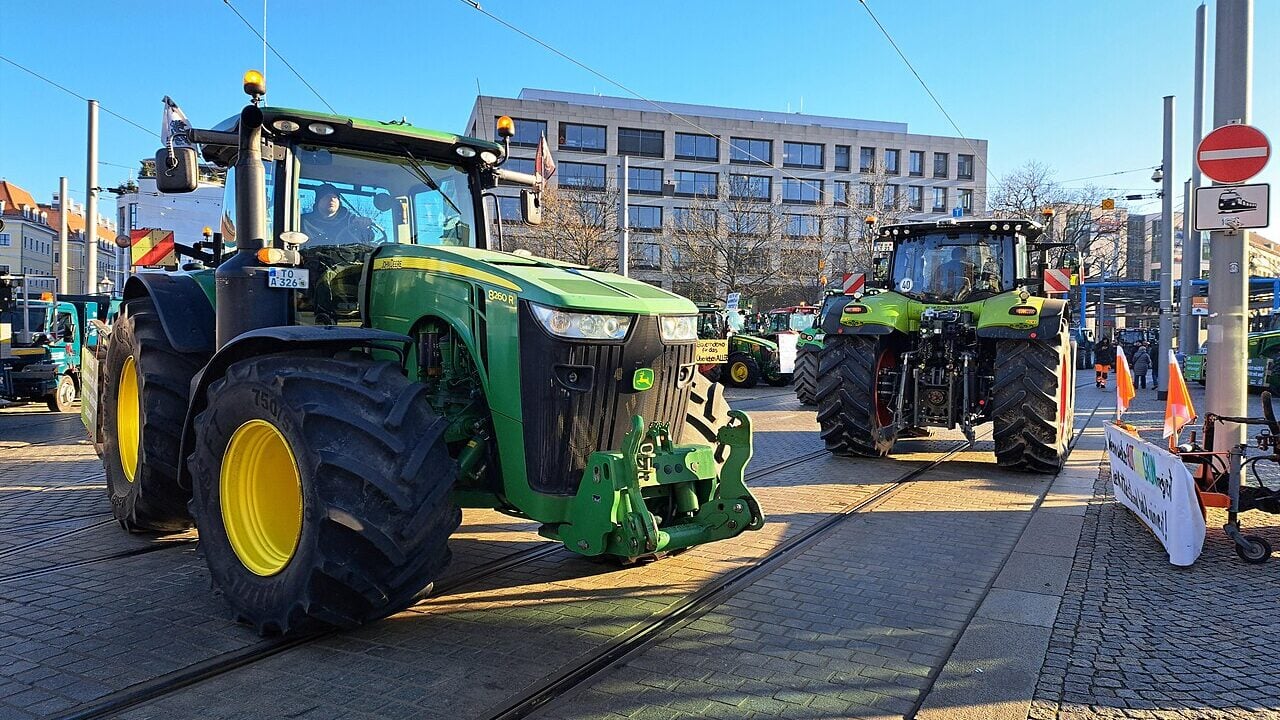

Even after all these years, farmers across the United States still struggle to get used to a frustrating reality. When their tractors or harvesters broke down, fixing them was not as simple as grabbing a wrench and getting to work. Instead, many found themselves locked out of their own machines.
Finally, that tension has now led to a major legal outcome. Deere & Company has agreed to pay $99 million to settle a class-action lawsuit that accused the agricultural giant of restricting how farmers repair their equipment.
The lawsuit, filed in 2022, focused on a simple but powerful claim. Farmers argued that Deere’s increasingly software-driven machines could not be fully repaired without access to proprietary digital tools. Those tools were largely limited to the company’s network of authorized dealers.
In practical terms, that meant even routine fixes often required a trip to a dealership. Independent mechanics and farmers themselves were left without the ability to perform certain diagnostics or complete repairs, even on machines they owned outright.
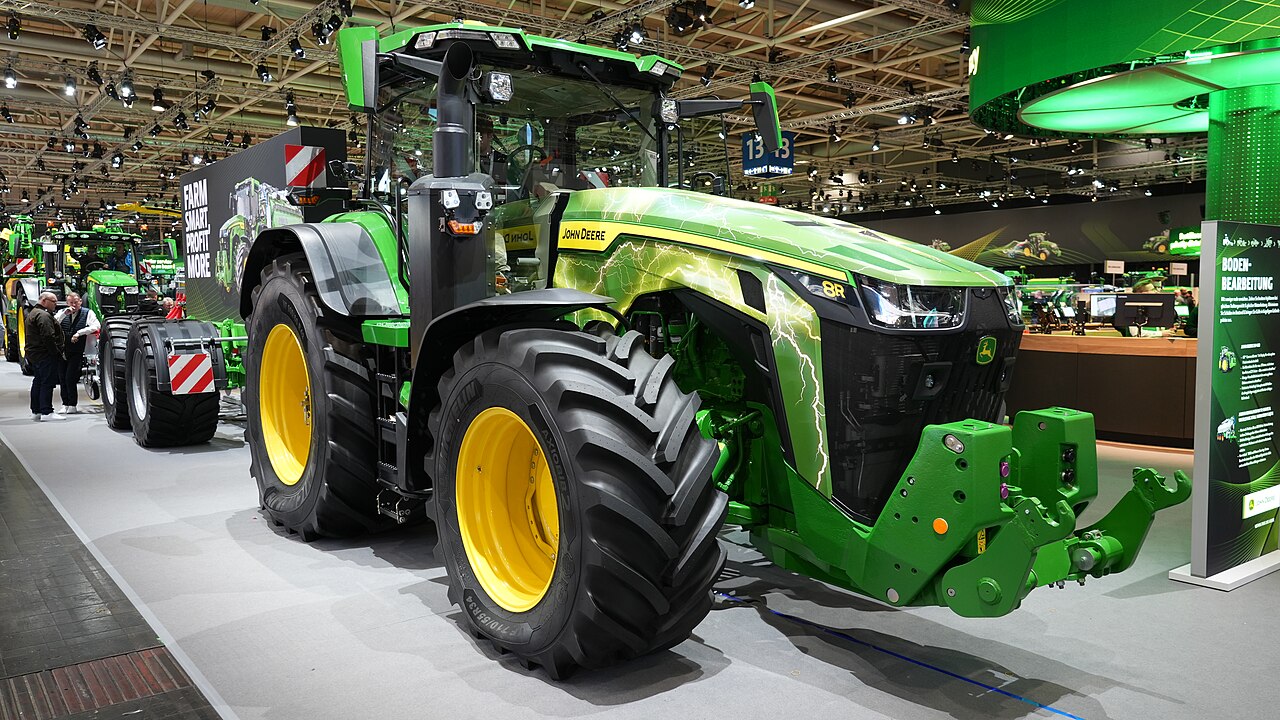
The financial impact added up. Plaintiffs said this setup allowed Deere and its dealers to charge higher prices, since customers had few alternatives.
The settlement aims to address both the cost burden and the underlying access issue. The $99 million fund will compensate farmers who paid for repairs on Deere equipment through authorized channels dating back to January 2018.
What Deere Has Agreed to Change
But the more significant shift may come from what Deere has agreed to do going forward.
As part of the deal, the company will provide farmers with access to digital tools needed for maintenance, diagnostics, and repairs for the next 10 years. These tools apply to a wide range of machines, including tractors, combines, and specialized harvesters.
That commitment could reshape how agricultural equipment is serviced, especially as modern machinery becomes more dependent on software. A tractor today is as much a rolling computer as it is a mechanical workhorse.
Deere, for its part, has not admitted any wrongdoing. The company says the agreement resolves the claims without any finding of liability and allows it to focus on serving customers.
The settlement still requires court approval before it becomes final.
The Bigger Right-to-Repair Battle

Even so, this case is only one piece of a larger legal and regulatory battle. Deere continues to face a separate but related lawsuit from the Federal Trade Commission, which accuses the company of using its control over repair tools and software to limit competition and drive up costs.
Regulators argue that restricting access to repair systems effectively forces customers into a closed ecosystem, where only authorized providers can perform critical work. Deere has consistently denied the allegations and challenged the legal claims.
The broader issue extends far beyond agriculture. The “right to repair” movement has gained traction across industries, from smartphones to cars, as manufacturers embed more software into their products. With that shift comes greater control over how devices are serviced and who is allowed to do the work.
Even the military is caught in this web. We recently reported that military leaders and lawmakers in the US are exploring ways to require contractors to provide broader access to repair information and tools. The goal is to give trained personnel the ability to diagnose faults, replace components, and restore systems without outside intervention.
What this Means for Everyone
Even for regular car owners, the parallels are clear. Modern vehicles increasingly rely on proprietary software, specialized diagnostics, and locked systems. Independent repair shops often face the same barriers that farmers have been fighting against for years.
This settlement signals that pressure is building on manufacturers to loosen that control. While Deere’s agreement stops short of admitting fault, it acknowledges the growing demand for greater repair access.
Meanwhile, farmers who once felt shut out of their own machines may finally get a clearer path back under the hood.