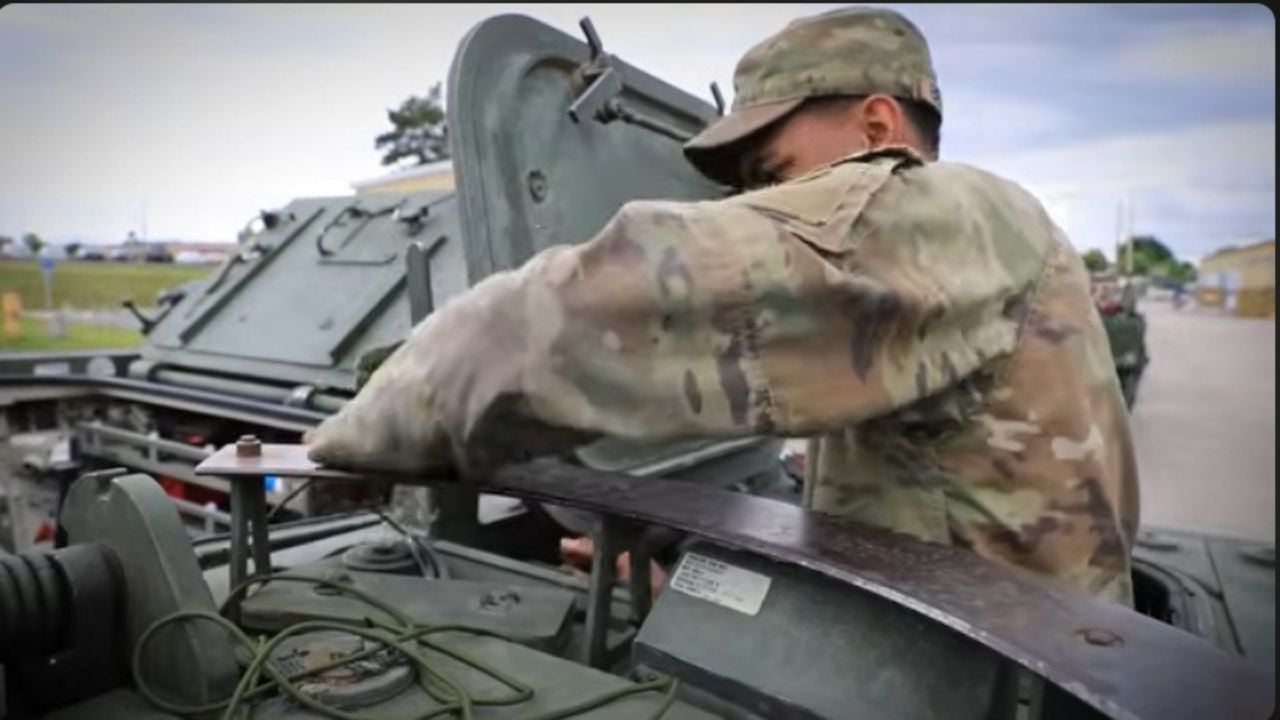

The U.S. military is confronting a problem that will feel familiar to anyone who has tried to fix a modern car and hit a wall of locked software or proprietary tools. It is the growing struggle over who gets to repair complex machines, and how quickly those repairs can happen when they matter most.
Across the armed forces, equipment has become deeply dependent on the companies that build it. From armored vehicles to communications systems, much of today’s hardware is designed with tightly controlled diagnostics, encrypted software, and restricted access to parts.
In practice, that means a soldier in the field may not be able to fix a critical system without support from the original manufacturer.
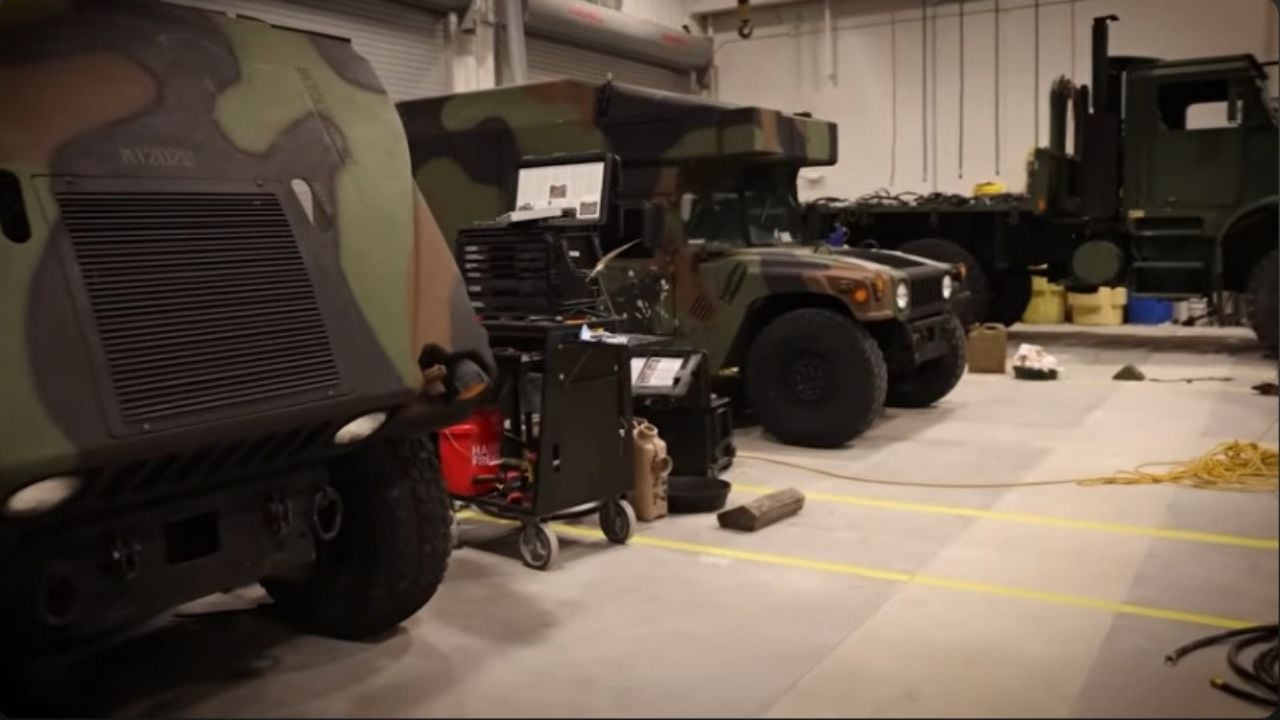
Think of it like a modern automobile that refuses to run properly unless it is plugged into a dealer-only scan tool. Now imagine that vehicle is part of a convoy operating far from any service center. That is, as incredible as it sounds, the situation many military units face.
Intellectual Property vs. Military Readiness
At the core of the issue is intellectual property. Defense contractors often retain ownership of the software and technical data that power their systems. Even when the military purchases the hardware, it does not always receive full rights to repair or modify it.
Access to diagnostic codes, firmware, and specialized tools can be restricted by contract. In some cases, attempting unauthorized repairs can even void support agreements.
The consequences go beyond inconvenience.
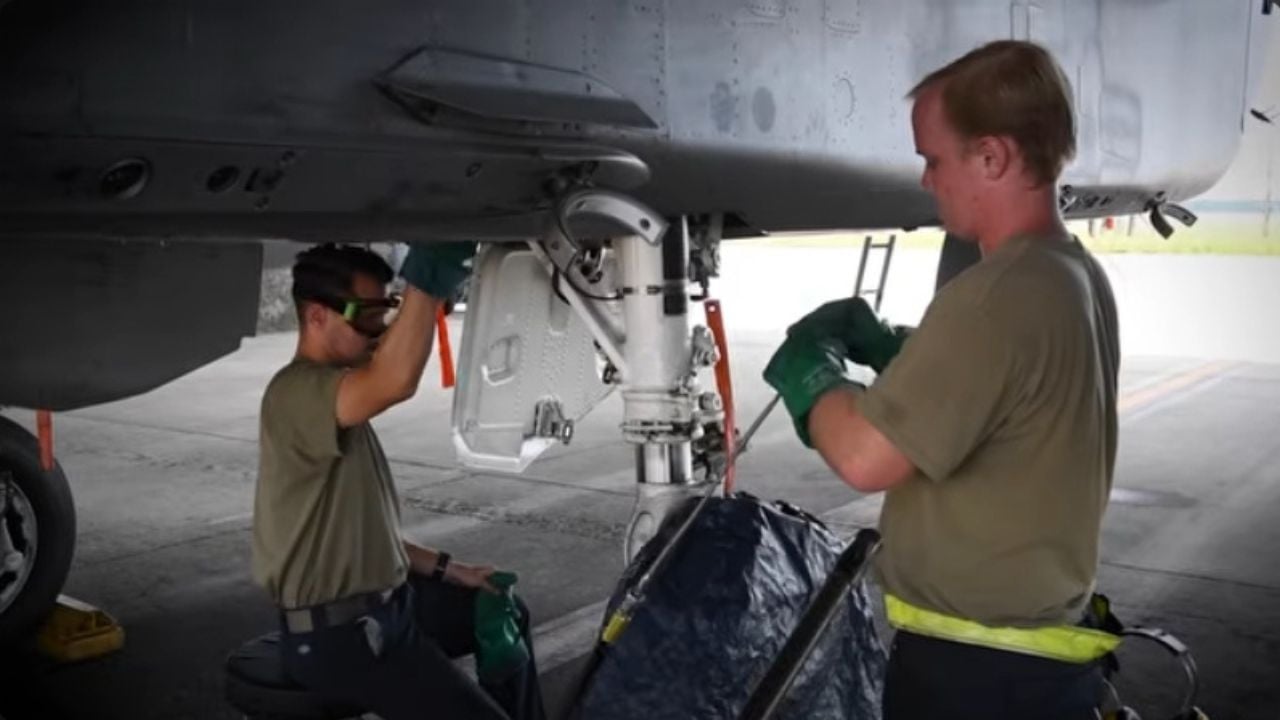
Delays in repair can sideline vehicles, ground aircraft, or disable mission-critical electronics. In high-risk environments, waiting for a contractor technician to arrive is not always feasible. The military has flagged this as a readiness concern, particularly in scenarios where supply lines are stretched or communications are limited.
This is where the push for “right to repair” enters the picture. Military leaders and lawmakers are exploring ways to require contractors to provide broader access to repair information and tools. The goal is to give trained personnel the ability to diagnose faults, replace components, and restore systems without outside intervention.
Right-to-Repair on Capitol Hill
Perhaps the most prominent effort to compel defense contractors to make military equipment more repairable is the Servicemember Right-to-Repair Act of 2024, introduced in Congress by Senator Elizabeth Warren and Representative Marie Gluesenkamp Perez. The Army has also been working with lawmakers to refine right-to-repair provisions in upcoming defense bills.
The ACT required defense contractors to provide the DoD with access to technical data, diagnostic tools, and repair information. The aim, of course, is to reduce reliance on contractors for routine and urgent repairs, and to lower sustainment costs and improve military readiness.
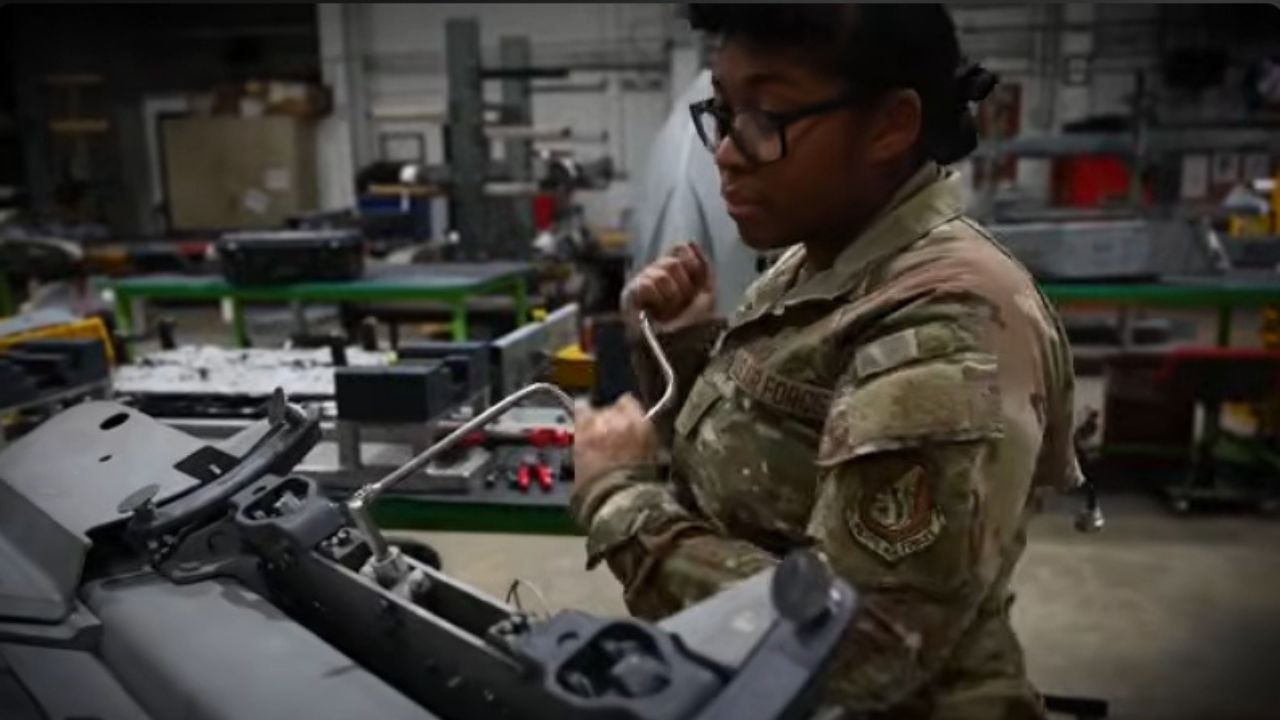
As of early 2026, the bill has been introduced but not yet passed into law.
More recently, the 2026 National Defense Authorization Act (NDAA) initially included right-to-repair provisions, but they were stripped after industry pushback. Instead, Army Undersecretary Michael Obadal has confirmed the service is still working with Congress to reintroduce a “narrow, refined” version of right-to-repair requirements.
The parallels are specially striking for many car owners and drivers who’ve long been frustrated by the deliberate restrictions on their ability to fix their own cars.
Modern cars are rolling computers, packed with sensors, control units, and proprietary software. Independent repair shops often face the same barriers, from locked electronic control modules to subscription-based diagnostic platforms. The difference is that in the military context, the stakes are significantly higher.
The Financial Argument and Contractor Concerns
There is also a financial dimension. The Department of Defense spends billions each year on maintenance contracts. When only the original manufacturer can perform certain repairs, competition is limited and costs can climb.
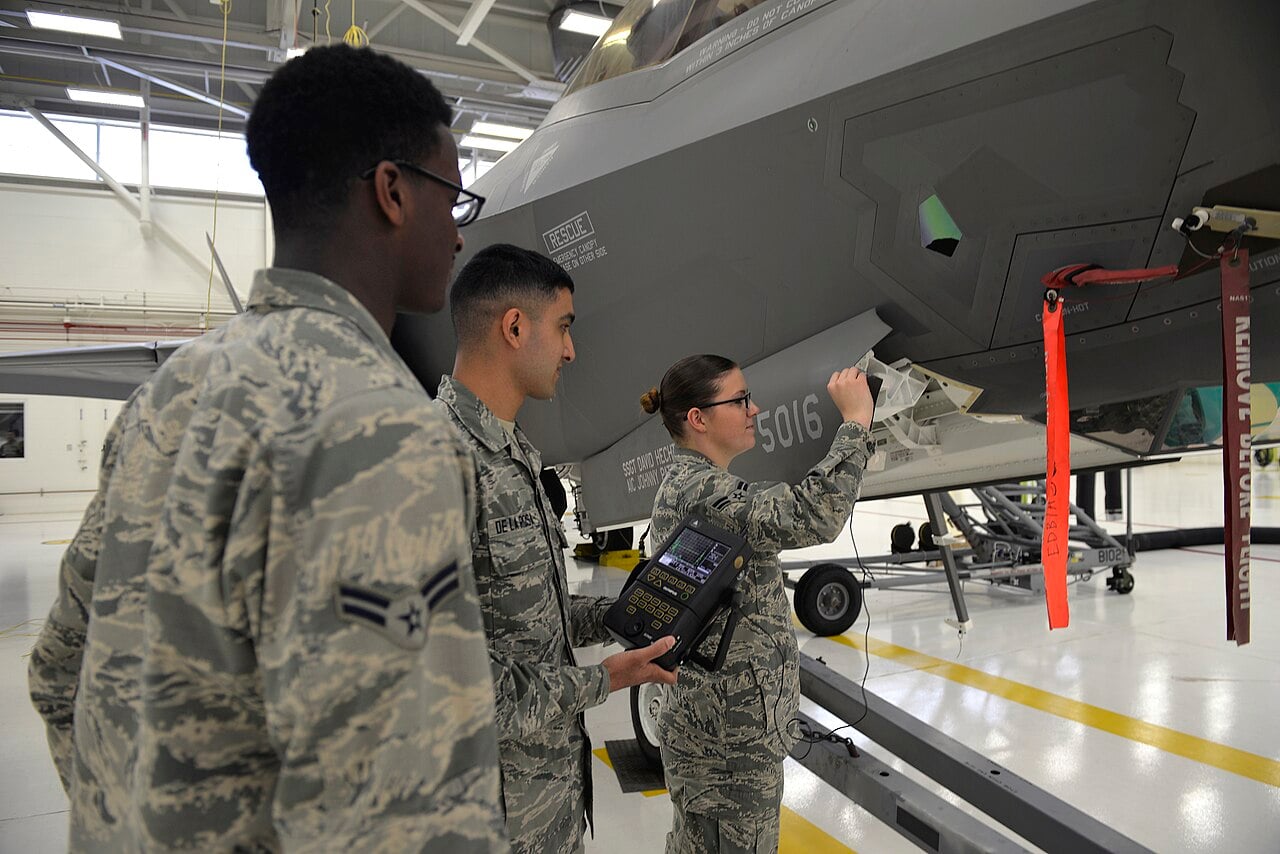
Expanding repair rights could introduce more flexibility and reduce long-term expenses, much like how broader access to parts and data benefits consumers and independent mechanics in the automotive market.
Contractors, however, raise legitimate concerns. Advanced systems are highly specialized, and improper repairs could lead to failures or safety risks. There is also the question of protecting sensitive technology. Opening access to software and technical data must be balanced against the need to safeguard national security and prevent unauthorized use.
To address this, the proposed approach is not a free-for-all. Instead, it focuses on structured access. That could include standardized technical manuals, approved diagnostic tools, and training programs that ensure military personnel can handle repairs competently. In other words, it is about controlled capability rather than unrestricted tinkering.
Now What?
The outcome of Congress’s decision on the matter could shape how future systems are designed and supported. Contracts may begin to include clear provisions for repair access from the outset, rather than treating it as an afterthought.
That shift would echo changes already taking place in the automotive industry, where pressure from regulators and consumers is gradually expanding repair rights.
As automotive get more advanced with each passing day, the more control over their maintenance becomes just as important as their performance. Whether on the battlefield or on the road, the ability to fix what you own is something that has to be negotiated, defined, and in many cases, fought for.