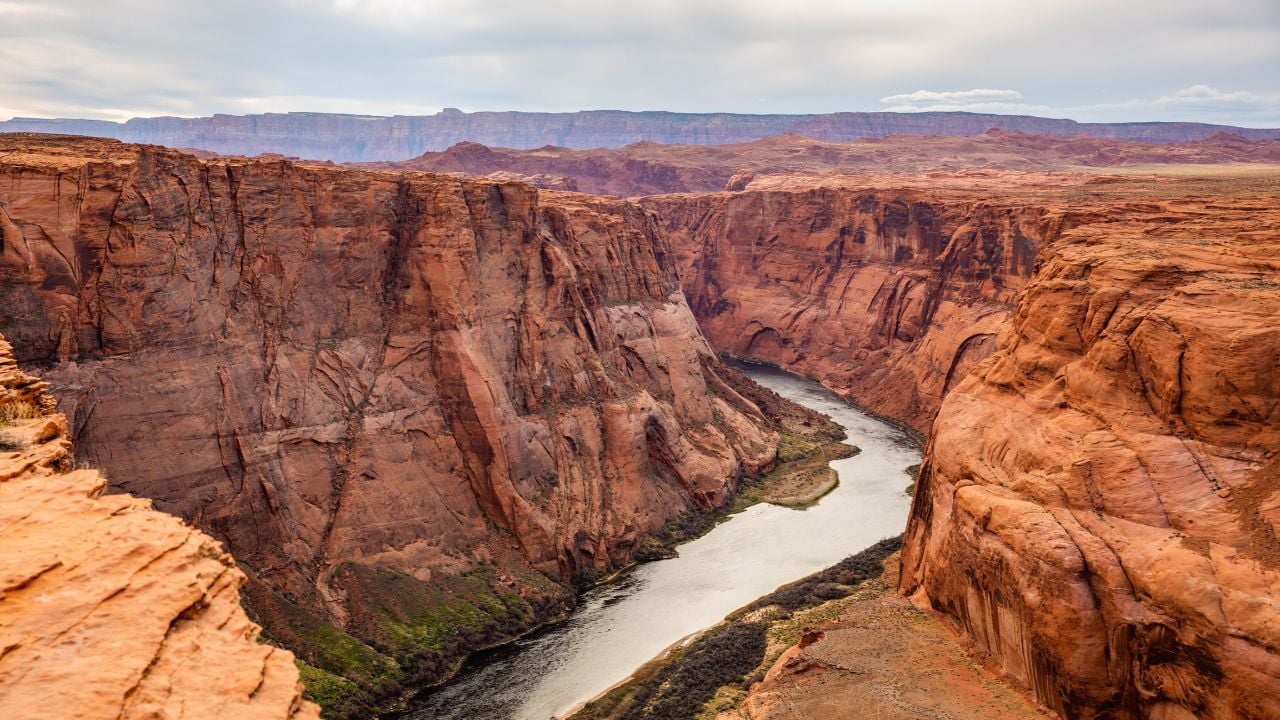
Winter does not improve every national park. In some places, it means closed roads, limited services, and a trip that asks a lot more of the visitor without giving enough back. But a handful of famous parks make a very strong case for the cold season, whether that means quieter trails, easier wildlife viewing, snow-lit scenery, or simply weather that is far more comfortable than what the rest of the year delivers.
The key is understanding what “better” means in each place. In Yellowstone, winter changes the transportation system and turns the park into a quieter wildlife landscape. In Yosemite and Bryce Canyon, snow sharpens already famous views and strips away much of the warm-season noise. At the Grand Canyon, the South Rim slows down enough to feel less like a crowd-management exercise. In Death Valley, winter is the season when much of the park becomes genuinely pleasant to explore at all.
1. Yellowstone National Park
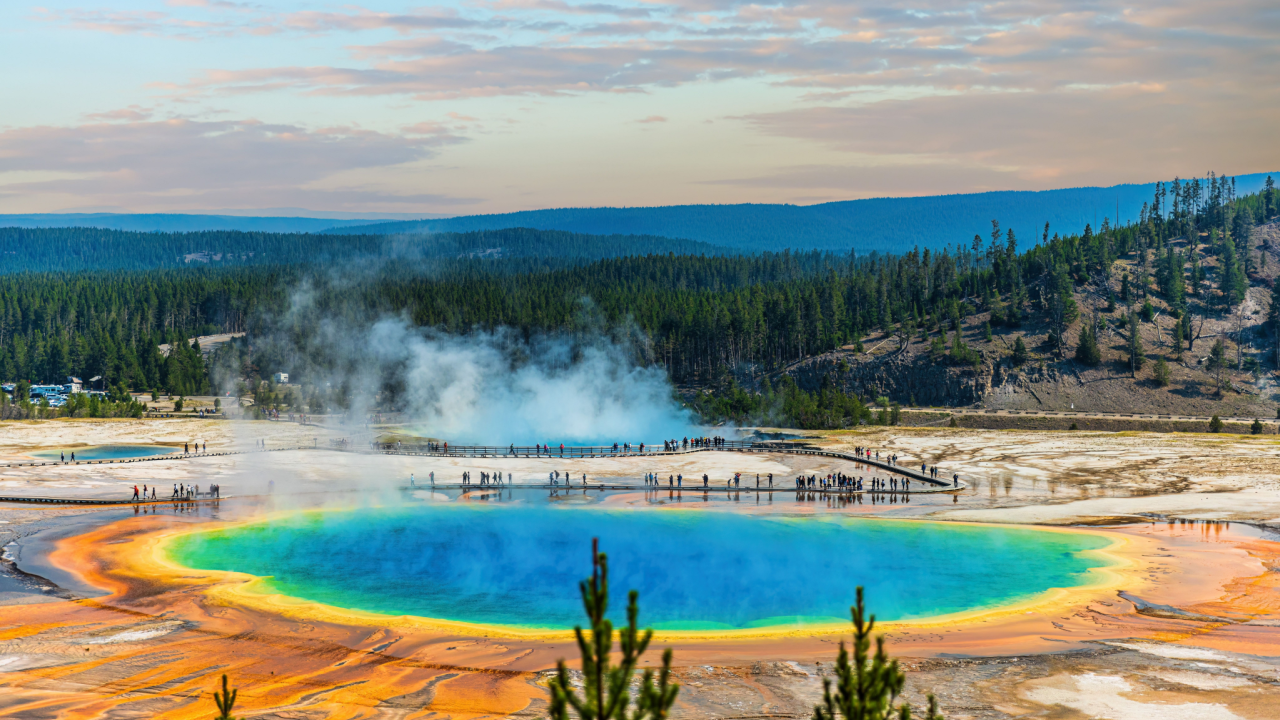
Yellowstone in winter is not just summer Yellowstone with snow on top. The park’s official winter guidance says most roads close to regular automobiles, with only the road between the North and Northeast entrances open year-round to standard vehicles, while much of the interior shifts to limited snowcoach and snowmobile access. That sounds restrictive until you realize what it does to the atmosphere. The whole park feels quieter, stranger, and more dramatic once the usual traffic pattern disappears.
The wildlife case is one of Yellowstone’s strongest winter arguments. NPS specifically says that from Mammoth through Lamar Valley and on toward Cooke City, visitors may see coyotes, bison, elk, wolves, eagles, and other wildlife in winter. That does not make winter effortless, but it does make Yellowstone feel more legible. The snow, the steam, and the lower visitation give the park a more concentrated, more elemental kind of power than the warmer months usually allow.
2. Yosemite National Park

Yosemite’s own winter guidance practically makes the case for you. NPS describes winter as a time for hiking, playing in the snow, and quiet solitude, and says the silence and beauty of Yosemite in winter are unforgettable. That matters in a park that can feel intensely busy in warmer months. Monumental scenery starts feeling more intimate once the valley settles into snow, mist, and colder light.
The park also offers a broader winter menu than many first-timers expect. Yosemite’s winter activities page highlights skiing and snowboarding at Badger Pass, ice skating in Yosemite Valley, and backcountry travel by cross-country skis or snowshoes. That range is what makes Yosemite such a persuasive cold-season pick. You are not visiting merely to stand in front of a pretty frozen backdrop. You are visiting a park that still has a real winter identity once the snow arrives.
3. Bryce Canyon National Park
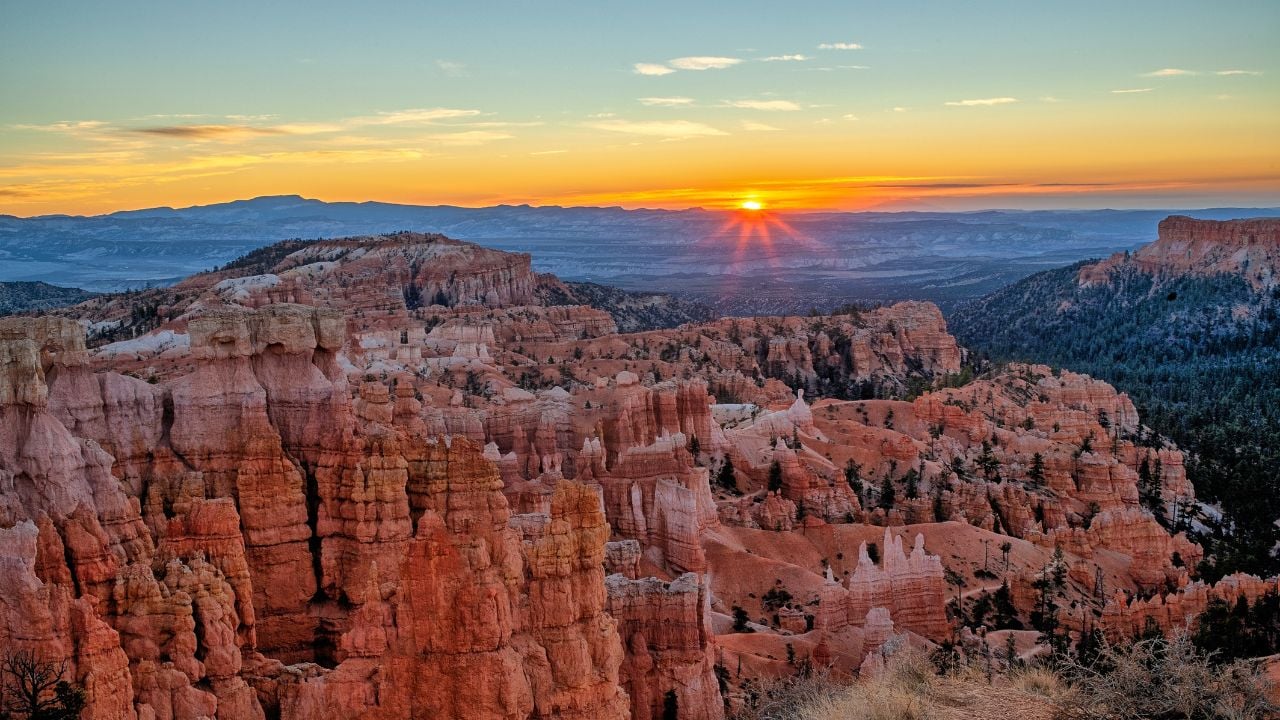
Bryce Canyon may be one of the clearest examples of a park that becomes visually stronger in winter. The park’s winter guidance tells shorter-stay visitors to focus first on the Bryce Canyon Amphitheater along the first three miles of the park, which makes perfect sense once snow starts collecting on the hoodoos. The red-orange formations already look surreal in warmer months, but snow turns that scenery into something even sharper and more theatrical.
Winter also simplifies Bryce in a useful way. NPS says longer winter visits can still include the Southern Scenic Drive, longer hikes, and ranger programs if conditions allow, but the season naturally pulls attention toward the park’s most iconic core. That is not really a drawback. It makes Bryce feel more focused, more graphic, and in some ways more memorable than a rushed summer stop ever does.
4. Grand Canyon National Park

Grand Canyon is one of the easiest parks on this list to underestimate in winter, largely because people assume snow somehow works against the view. The park’s winter page says the South Rim remains open year-round and describes the season as bringing a slower pace to one of the nation’s most visited parks. That slower pace is a major part of the appeal. A landscape this enormous benefits from having fewer people trying to experience it all at once.
The practical advantages are strong too. NPS says the least crowded time at the South Rim is November through February, and Hermit Road is open to private vehicles under 22 feet during December, January, and February, when it is otherwise shuttle-only for much of the year. You still need to respect snow and ice, but the trade-off is a South Rim that feels calmer, more drivable, and much less like a peak-season logistics exercise.
5. Death Valley National Park
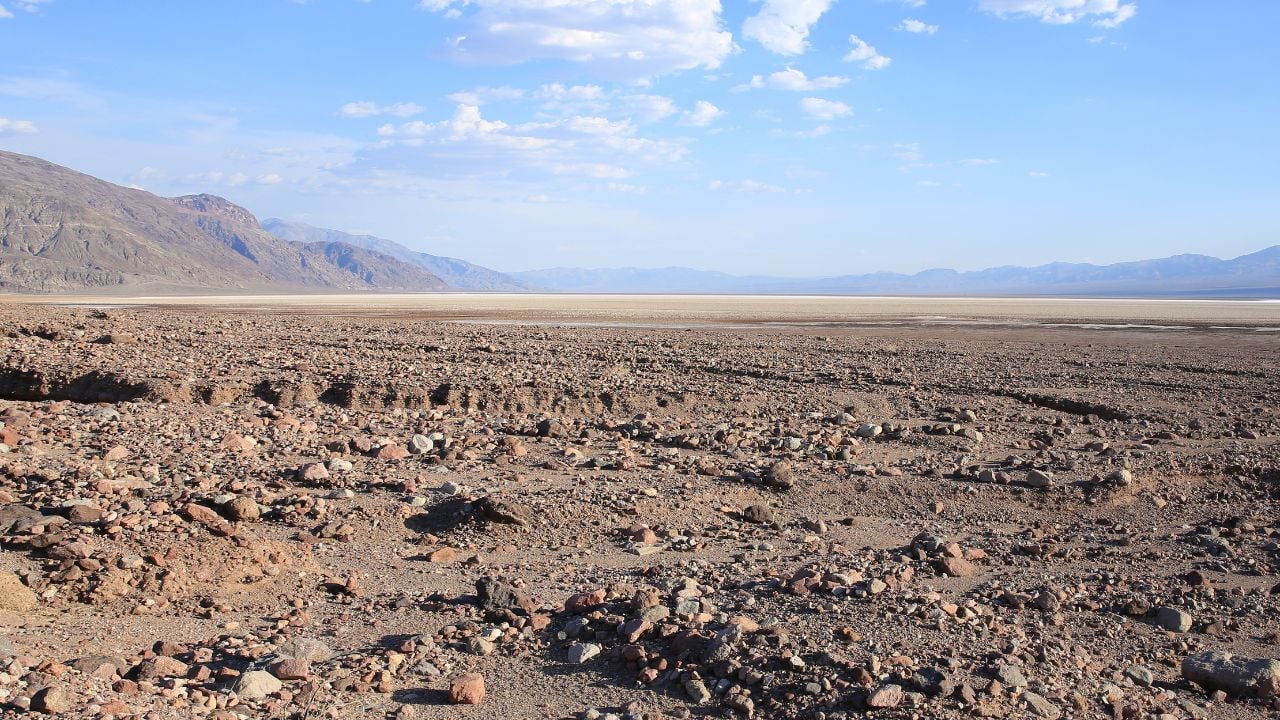
Death Valley makes the clearest weather-based case on this list. The park’s official season guide says winter brings cool days, chilly nights, and low-angled light that is especially beautiful for exploring the valley. In a park famous for punishing heat, that is not a small improvement. It is the difference between coping with the landscape and actually enjoying it.
The practical benefits are just as compelling. NPS says the best time to hike in Death Valley is from November through March and specifically recommends saving low-elevation hikes for the cooler winter days. The park also says the period after Thanksgiving and before Christmas is the least crowded time of the year. In other words, winter is not merely a nice alternative in Death Valley. It is the season when the park feels most usable, most comfortable, and most forgiving.