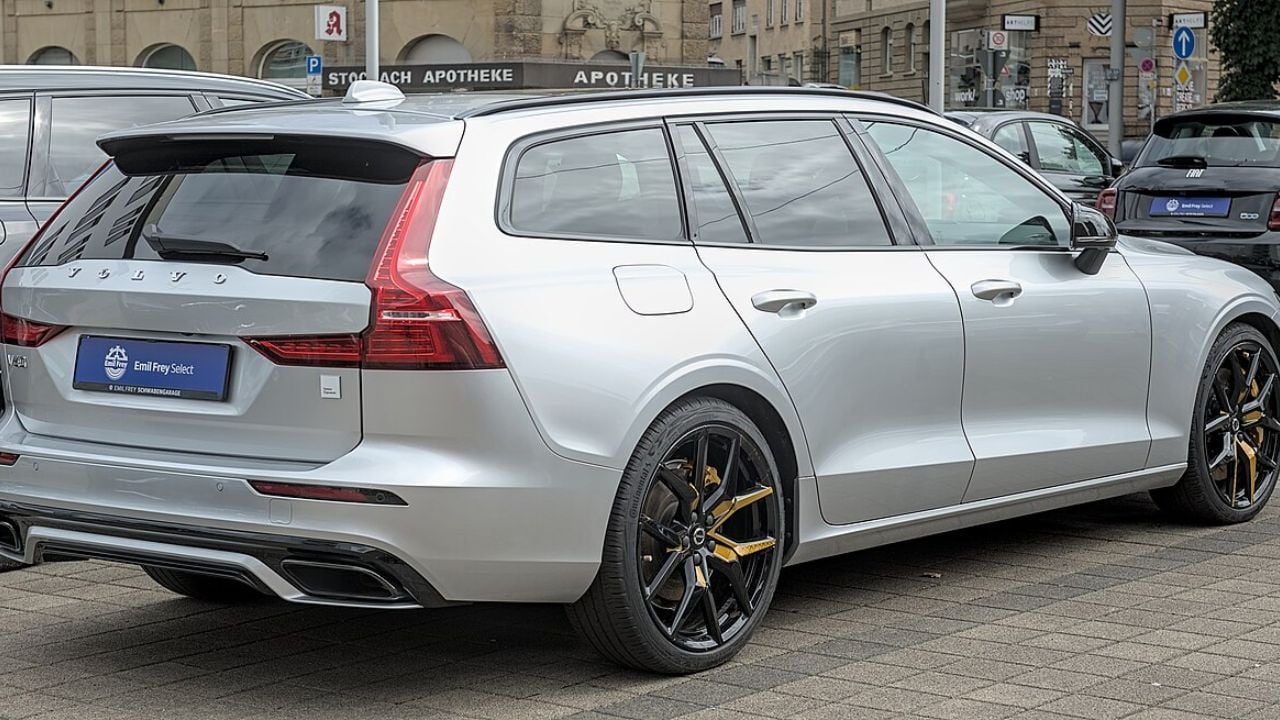

For decades, Volvo and station wagons were virtually inseparable. The Swedish brand’s long‑roofed family haulers became cultural icons for safety, practicality, and understated design.
But in recent years, wagons have been disappearing from showrooms here in the United States as buyers favor SUVs and crossovers.
Now, after months of speculation and apparent retreat from the segment, Volvo might be quietly signaling that wagons are not finished for good. That’s according to reporting by The Drive.
From Legacy to Uncertainty
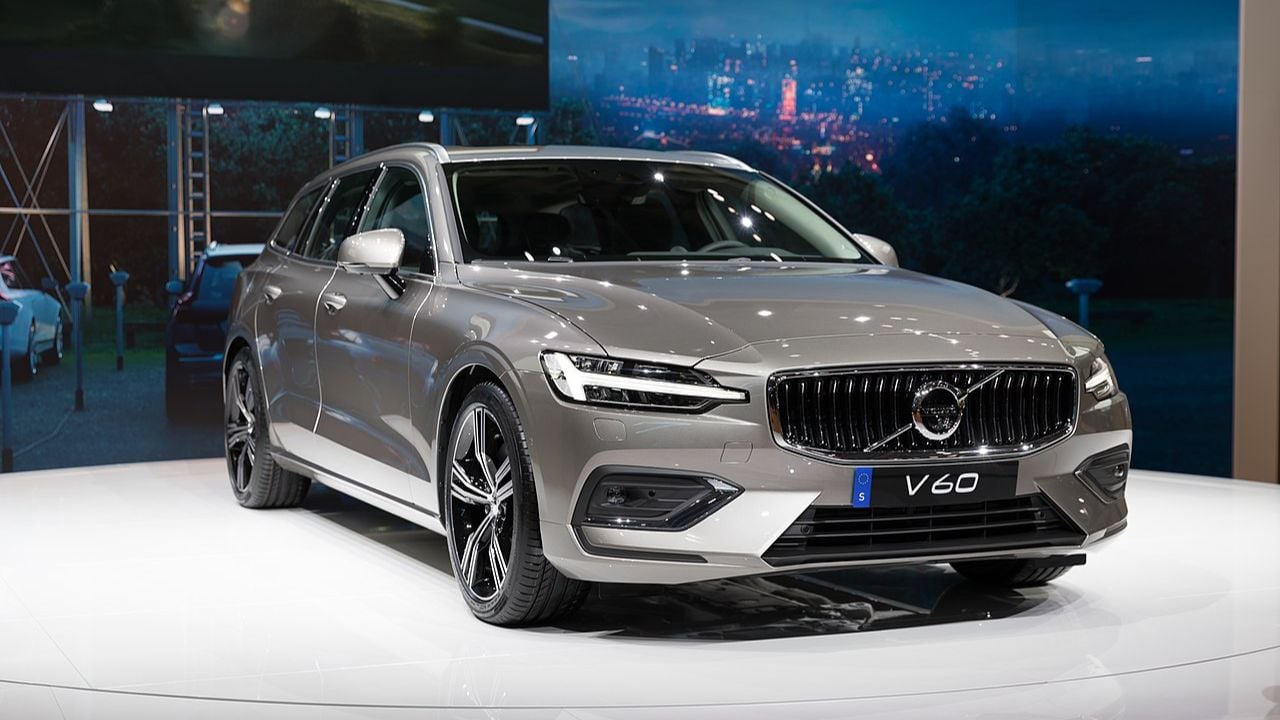
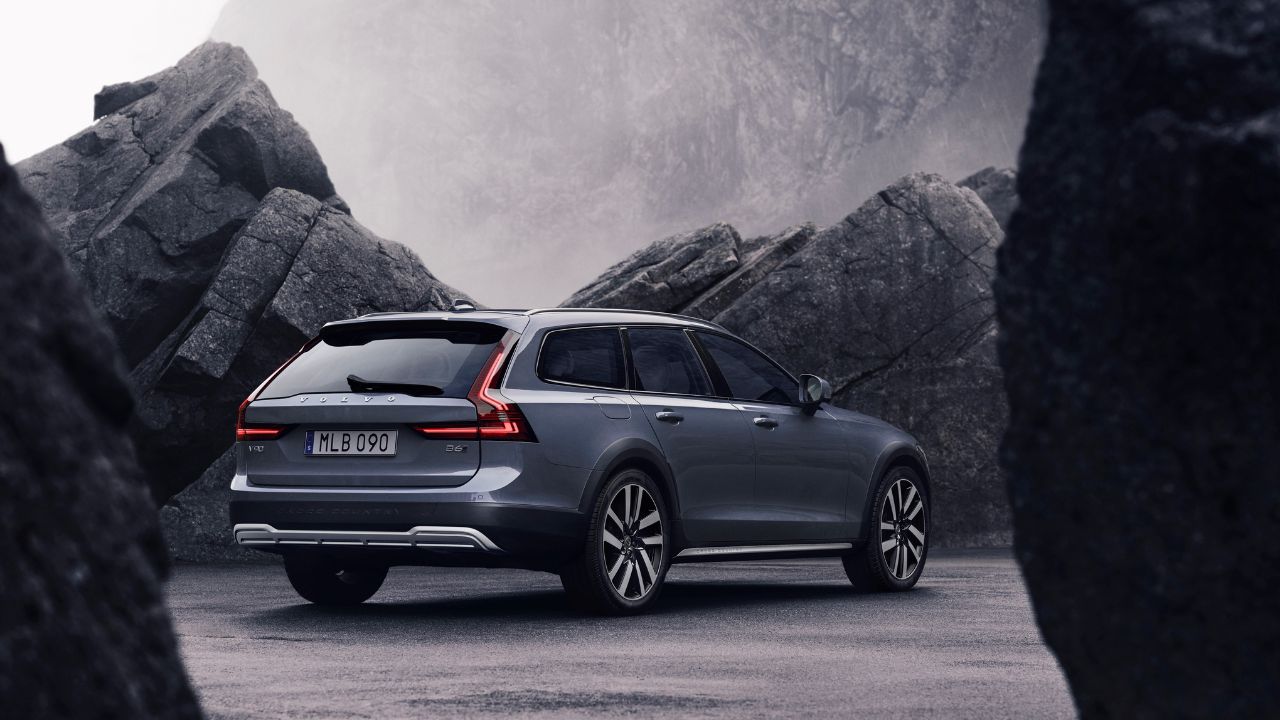
Volvo’s wagon lineup has been shrinking for years. Models like the V90 and its Cross Country variant have already exited U.S. showrooms, leaving the V60 Cross Country as the final holdout. Orders for that model closed this January, with production itself scheduled to end in April.
The V60 Cross Country has become something of a swan song for Volvo’s traditional estate cars in this market.
Those moves triggered headlines claiming Volvo was “done with wagons” and signals from top leadership that the era of low‑slung family cars was over. In public remarks last year, Road & Track reported that CEO Jim Rowan said he could see a future for the brand that did not include any station wagons, pointing to the soaring popularity of SUVs and crossovers among customers.
An Unexpected Twist
Yet, recent comments attributed to Volvo’s Chief Strategy and Product Officer, Michael Fleiss, paint a more nuanced picture. Speaking in Stockholm just before the reveal of Volvo’s next‑generation EX60 electric SUV, he told The Drive that wagons are still very much under consideration.
He said the automaker recognizes the unique place wagons hold in global markets and believes their aerodynamic shape and practical utility still offer strategic value as the company transitions to electrified platforms. “Watch this space,” he told reporters when pressed on the wagon future.
Fleiss implied that what might have seemed like a dead segment a decade ago is now becoming interesting again. He pointed to growing interest in China and sustained demand in Europe as evidence that wagons could have a resurgence.
He was careful not to provide specific timing or confirm a new model, but he did make it clear that Volvo has not abandoned the idea.
The Implications for Volvo’s Lineup
So how does this shift fit into Volvo’s broader product strategy? For much of the past decade, the automaker has been modernizing its portfolio, with SUVs like the XC60 and XC90 driving global sales.
On the electric front, Volvo has introduced models like the ES90 high‑end electric sedan to show its willingness to innovate even as wagons fade in some regions.

Yet the future wagon rumblings suggest Volvo might look at wagons through a new lens. Instead of simply reviving the old V60 or V90 formulas, the company might integrate wagon elements into electrified platforms or develop designs that marry traditional estate traits with modern EV and hybrid tech.
Recent concept reveals in the industry show how wagon silhouettes can be adapted to electrification while maintaining space and efficiency.
Global markets will likely be crucial in any decision to bring wagons back in meaningful numbers. In places like Europe, estate cars continue to attract buyers who value driving dynamics and utility in a single package.
That aligns with Volvo’s heritage and opens the door for future models that speak to both brand loyalists and new customers looking for something different from the SUV pack.
A Legacy Worth Preserving
The emotional attachment that enthusiasts and many regular drivers have to wagons cannot be understated. Even as SUVs dominate sales, wagons hold a special place for enthusiasts who appreciate their balance of practicality and dynamism.
Volvo helped define what a modern wagon could be, and that legacy remains a strategic asset for the brand. If anyone can reinvent the concept for today’s market, it might well be the company that built its reputation on them.
In the meantime, the V60 Cross Country’s final U.S. production run offers one last chance for enthusiasts to own a new Volvo wagon. But with the hint of future possibilities from the brand’s leadership, wagons may not be as extinct as they once seemed.
Sources: The Drive