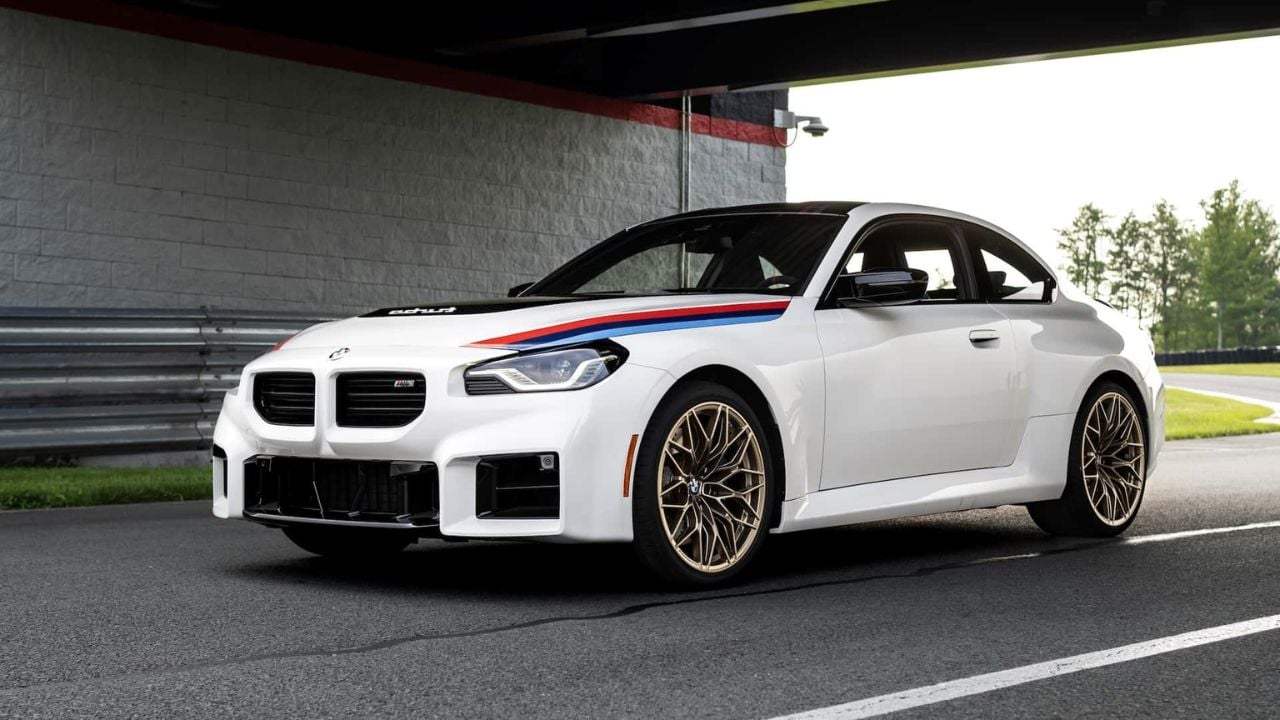
BMW has unveiled a new engine technology that could help preserve one of its most beloved performance formulas in the face of increasingly strict emissions regulations. Called “M Ignite,” the new combustion system allows BMW to keep the turbocharged inline-six engines in the BMW M2, BMW M3, and BMW M4 fully gasoline-powered without sacrificing performance.
The technology will enter production beginning in mid-2026 and is designed specifically to help BMW’s S58 3.0-liter twin-turbocharged inline-six comply with the upcoming Euro 7 emissions regulations.
Those stricter European standards have already pushed many automakers toward smaller engines, hybrid systems, and heavier electrification. BMW, however, appears determined to keep its traditional six-cylinder M cars alive for as long as possible.
According to the company, the updated engines will maintain the same displacement and power outputs as current models while significantly improving efficiency, especially during aggressive driving and track use.
BMW’s “M Ignite” System Uses Dual Ignition Technology
At the center of the new setup is a pre-chamber combustion system integrated into the cylinder head. The design gives each cylinder two ignition systems instead of one.
Under normal driving conditions, the engine operates similarly to a traditional gasoline engine using the primary spark plug in the main combustion chamber. At higher engine speeds and loads, however, the secondary pre-chamber ignition system takes over much of the combustion process.
The pre-chamber contains its own spark plug and ignition coil. Small amounts of the fuel-air mixture are directed into this chamber and ignited separately before flames shoot into the main combustion chamber through multiple small openings at nearly the speed of sound.
BMW says these “ignition jets” ignite the remaining mixture at several points simultaneously, dramatically increasing combustion speed while also reducing the risk of engine knock. The result is improved efficiency, cleaner combustion, and lower exhaust temperatures without reducing performance.
The Technology Comes Straight From Motorsport
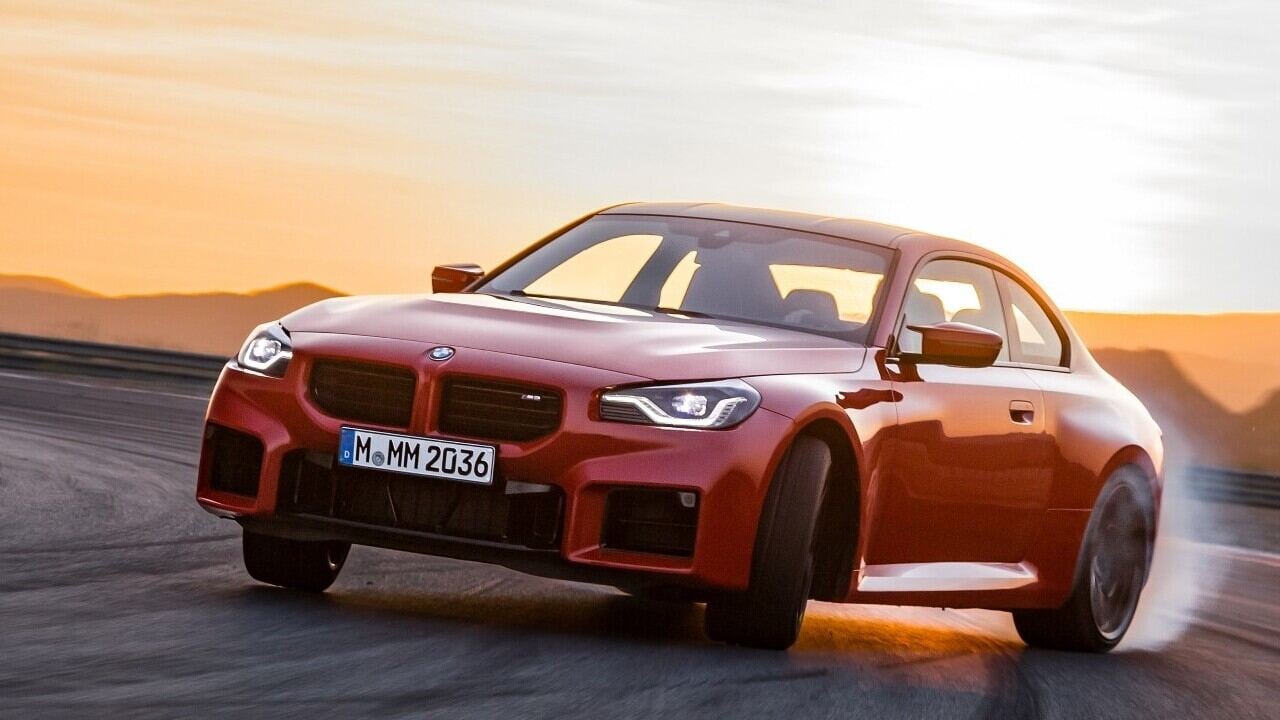
BMW says the new M Ignite system represents another example of motorsport technology making its way into road-going production cars.
Pre-chamber combustion itself is not entirely new. Variations of the technology date back decades and were famously used by Honda during the 1970s with its CVCC engine design. More modern examples have appeared in high-performance engines like the Maserati Nettuno V6.
BMW’s version, however, is more advanced and actively managed by the engine’s computer system, depending on engine load and driving conditions.
The updated S58 engine also receives several additional improvements alongside the new ignition system, including a higher compression ratio and new variable turbine geometry turbochargers. BMW says carefully revised camshafts, pistons, and exhaust ports further optimize airflow and performance.
BMW Says Performance And Sound Will Remain Untouched
One of the biggest concerns enthusiasts often have with efficiency-focused engine updates is the possibility of losing character or sound. BMW insists that won’t happen here.
According to BMW M engineers, the updated engine actually produces an even throatier sound at higher revs thanks to the dual ignition process. The company specifically emphasized that the core personality of the S58 inline-six remains unchanged despite the efficiency improvements.
BMW also says fuel consumption drops significantly during high-load driving situations such as track days. That means owners should theoretically be able to spend more time lapping circuits before needing to refuel.
Alexander Karajlovic, Head of Development at BMW M GmbH, described the project as a way to preserve traditional combustion-powered M cars while still meeting modern environmental regulations.
“With M Ignite in the S58, we are offering our customers a purist combustion engine without hybridization,” Karajlovic said.
BMW Is Avoiding The Mistakes Some Rivals Already Made

BMW’s decision comes at a time when several performance brands are struggling with enthusiast backlash tied to electrification and downsized engines.
One of the most discussed examples has been the latest Mercedes-AMG C63, which replaced its V8 with a heavily electrified four-cylinder hybrid system. While technically impressive, many enthusiasts criticized the car for losing much of the character associated with previous AMG models.
BMW appears intent on avoiding a similar reaction by refining its existing inline-six instead of replacing it with a smaller hybridized setup.
Production of M3 and M4 models equipped with M Ignite technology will begin in July 2026, followed by the M2 in August 2026.
For enthusiasts worried about the future of traditional BMW M cars, the new engine technology sends a clear message: the company is still fighting to keep combustion performance alive, even as the industry moves deeper into the electric era.