
The relationship between drivers and automakers has always been complicated, but lately it feels like the industry is testing our patience in new and creative ways. From ballooning vehicle sizes to subscription-based heated seats, today’s car buyers are navigating a marketplace that sometimes seems more focused on profit margins than practical transportation.
While modern vehicles offer unprecedented safety, technology, and efficiency, certain trends have left enthusiasts and everyday drivers alike scratching their heads.
These are some of the biggest friction points that have drivers talking at car meets, online forums, and family gatherings across America.
SUVs Have Gotten Ridiculously Large

Remember when SUVs were just slightly bigger than sedans? Those days are long gone. Today’s full-size SUVs have grown to the point where parking them requires a degree in spatial geometry, and some models stretch over 18 feet long.
The Chevrolet Suburban now measures over 225 inches, making it longer than many studio apartments are wide. While families appreciate the space, the sheer size creates visibility issues, parking nightmares, and fuel efficiency concerns that even hybrid powertrains struggle to offset.
The irony is that interior cargo space hasn’t grown proportionally to the exterior footprint, leaving many wondering where all that sheet metal actually goes.
The Electric Vehicle Design Playbook Is Getting Stale
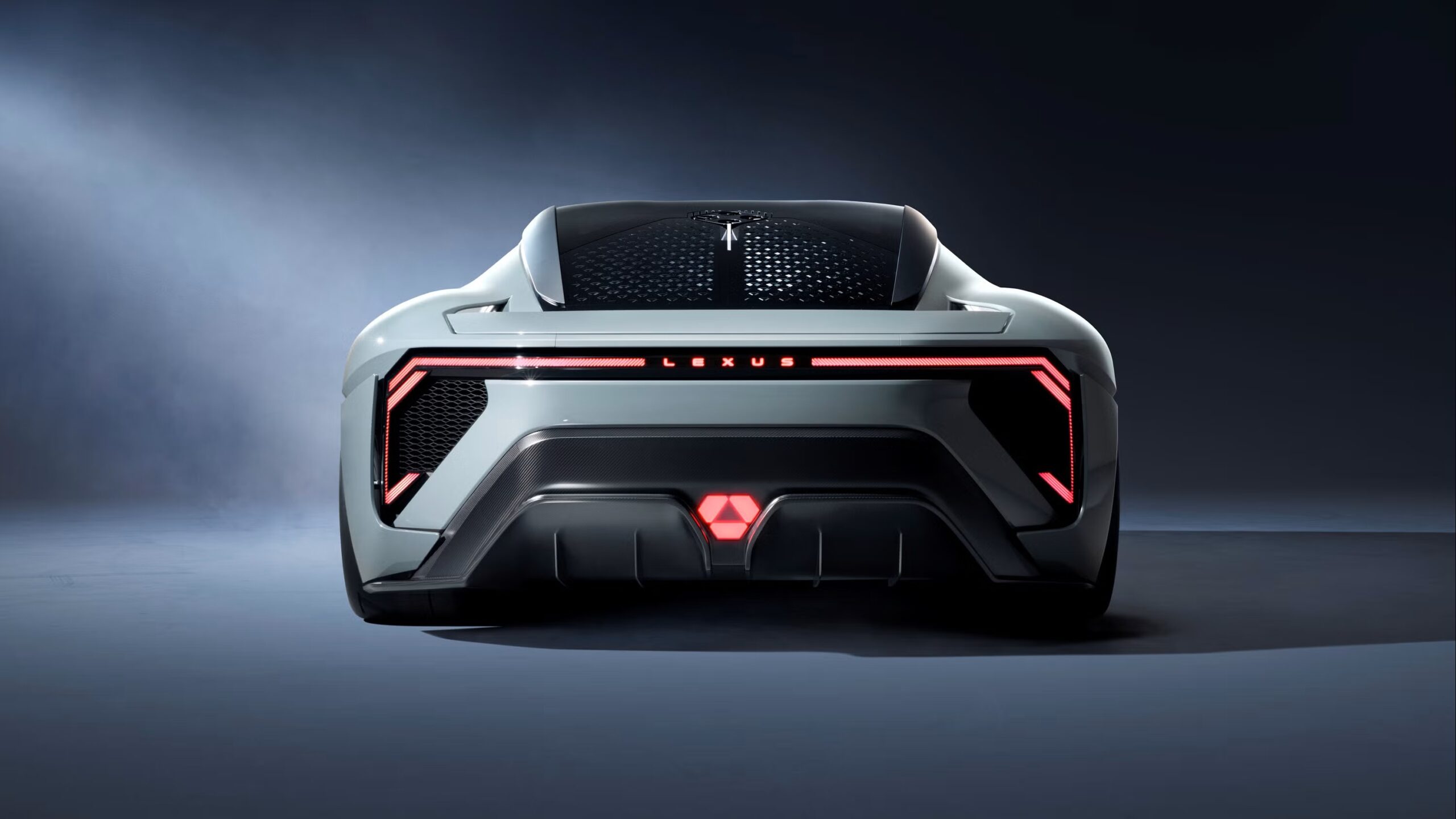
Walk through any auto show today and you’ll notice that electric vehicles are starting to look like they rolled off the same assembly line. Smooth, aerodynamic jellybean shapes with straight LED lights dominate the EV landscape, driven by the pursuit of maximum range through minimal drag coefficients.
While this makes engineering sense, it’s creating a sea of similarity that makes a Tesla Model 3 blend into a Polestar 2 from certain angles. The closed-off grilles and streamlined profiles are practical, but they’ve stripped away much of the character that made different brands instantly recognizable.
Car enthusiasts miss the days when you could identify a vehicle’s make and model from a block away. Heck, I even miss being excited by a car reveal. Every time an automaker shares a recent concept, I just think, “Another long LED light along the back. Sigh. Riveting.”
Subscription Services for Built-In Features

Few trends have sparked more outrage than charging monthly fees for features already installed in the vehicle. BMW tested the waters with a subscription for heated seats, while other manufacturers have floated subscriptions for remote start, advanced driver assistance features, and even improved acceleration.
The logic defies common sense: customers already paid for the hardware during purchase, so charging ongoing fees feels like double-dipping. It’s reminiscent of buying a house with a fireplace, then paying the builder every time you want to light a fire.
While some subscriptions for cloud-based services make sense, gating physical features behind paywalls has become one of the industry’s most universally disliked practices.
The Manual Transmission Is Nearly Extinct

For driving purists, the disappearance of the manual transmission represents the end of an era. In 2023, fewer than 2% of new cars sold in the U.S. came with a stick shift, down from 7% just a decade ago.
While automatic transmissions have become incredibly sophisticated and often faster than their manual counterparts, something intangible is lost in the translation. The manual gearbox offered a direct connection between driver and machine, a sense of involvement that paddle shifters can’t quite replicate.
Even performance brands have largely abandoned the three-pedal setup, leaving enthusiasts with limited options when they want to row their own gears.
Touchscreens Have Replaced Every Physical Button

Modern car interiors look sleek and minimalist, largely because everything has migrated to touchscreens. Adjusting the climate control, changing drive modes, or even adjusting the side mirrors now requires navigating through multiple menu layers while driving.
Physical buttons and knobs offered tactile feedback that let drivers make adjustments without taking their eyes off the road. Today’s touchscreen-heavy interiors force more distracted glances at the center console, ironically creating safety concerns in the name of modern design.
Some manufacturers are beginning to reintroduce physical controls after customer feedback, suggesting this trend may have peaked. As Volkswagen pointed out: It’s not a phone, it’s a car.”
Entry-Level Trim Models Have Vanished

The affordable base model has become automotive mythology. Manufacturers increasingly focus on well-equipped mid-tier and luxury trims, leaving budget-conscious buyers with fewer options.
The average new car transaction price in the U.S. reached over $48,000 in 2024, pricing many first-time buyers out of the market entirely. When entry models do exist, they’re often stripped so bare or difficult to find that dealers push customers toward pricier alternatives.
This shift toward premium positioning might boost profit margins, but it’s created a gap in the market where practical, no-frills transportation used to thrive.
Reliability Has Taken a Back Seat to Technology

The race to pack vehicles with cutting-edge technology has introduced complexity that sometimes compromises reliability. Infotainment systems freeze, sensors malfunction, and electrical gremlins plague vehicles that are otherwise mechanically sound. Consumer Reports data consistently shows that simpler vehicles tend to rank higher in reliability than their tech-laden counterparts.
While features like adaptive cruise control and smartphone integration enhance the driving experience, they also create more potential failure points. Many drivers would gladly trade the latest gadget for old-fashioned dependability that starts every morning without complaint.
Real Buttons and Knobs Are Disappearing
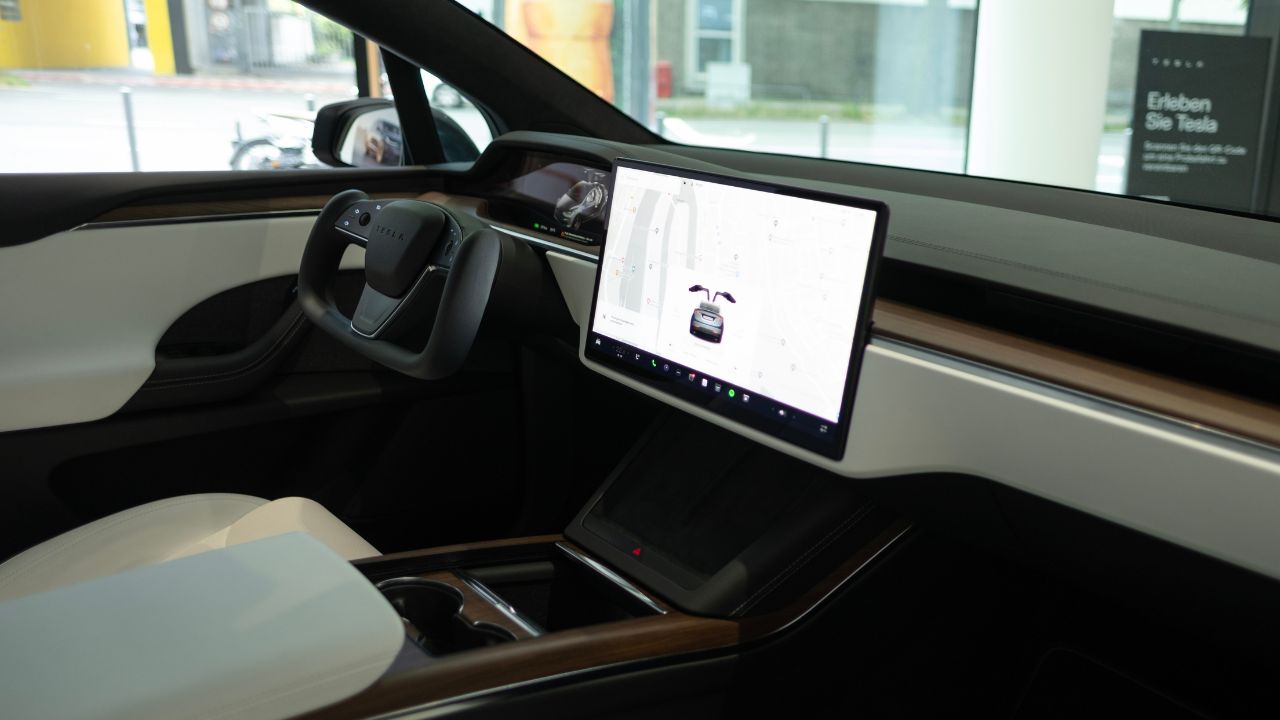
Beyond just touchscreens, physical controls throughout the cabin are vanishing in favor of capacitive touch surfaces and gesture controls.
Climate control buttons have become touch-sensitive panels that don’t work with gloves. Volume knobs have been replaced by touch sliders that lack the satisfying click of adjustment. Even gear selectors have transformed into buttons or tiny stalks that don’t provide clear physical feedback. The pursuit of minimalist aesthetics has sacrificed functionality that drivers developed muscle memory around for decades.
There’s something deeply unsatisfying about poking at a flat surface hoping the car registered your input.
Small, Affordable Sports Cars Are Endangered

The market for compact, fun-to-drive sports cars has dried up considerably. Models like the Honda S2000, Mazda RX-8, and affordable roadsters have largely disappeared, replaced by larger, heavier, and pricier alternatives.
The Mazda MX-5 Miata stands nearly alone as an affordable two-seat roadster, while options like the Subaru BRZ and Toyota GR86 represent the last of the lightweight sport coupes. Insurance costs, safety regulations, and thin profit margins have made these enthusiast favorites difficult to justify from a business perspective.
For drivers who remember when affordable meant genuinely fun, today’s market feels like it’s missing its soul.
Advertising Overpromises on Fuel Economy

EPA fuel economy estimates have become a source of frustration for drivers who rarely achieve the promised numbers in real-world driving. The gap between laboratory testing and actual highway performance can exceed 20% in some cases, especially with hybrid vehicles that show impressive combined ratings.
While testing procedures have improved, they still don’t reflect aggressive driving, climate control usage, or varied terrain that drivers encounter daily. The disappointment of filling up more frequently than expected creates a trust gap between manufacturers and customers.
Many drivers have learned to automatically deduct several MPG from official estimates when making purchase decisions.
Vehicle Software Updates Are Mandatory and Disruptive

The smartphone model of constant software updates has migrated to automobiles, but cars aren’t phones. Mandatory updates can take 30 minutes or longer, sometimes requiring the vehicle to remain parked and powered on during installation.
Worse, updates occasionally introduce new bugs or change interface layouts that drivers had finally learned. While over-the-air updates fix issues without dealer visits, they’ve also enabled manufacturers to release vehicles with less-polished software, essentially using customers as beta testers.
The anxiety of whether an update will improve or complicate your vehicle’s operation has become an unexpected part of ownership.
Crossovers Have Replaced Practical Wagons

Station wagons were once the practical choice for families, offering car-like handling with ample cargo space. Today, they’ve been systematically replaced by crossovers that ride higher but don’t handle as well.
The Subaru Outback, technically a wagon, has grown taller with each generation to compete with crossovers. Meanwhile, sleek wagons like the Audi A6 Avant or Volvo V60 remain rare in the U.S. market. Americans get crossovers with compromised dynamics and fuel economy, while European buyers enjoy sporty wagons with similar space.
The irony is that many crossover buyers never use the extra ground clearance, making the trade-offs feel unnecessary.
Conclusion

The automotive landscape is changing faster than ever, and not every evolution feels like progress to the people who actually drive these vehicles daily. While innovation brings genuine improvements in safety and capability, the industry sometimes seems to prioritize technological showmanship and profit strategies over the straightforward reliability and driver engagement that built customer loyalty for generations.
The good news is that manufacturers are listening, with some already walking back unpopular features and reintroducing physical controls based on feedback. As the industry continues its transformation, hopefully the voice of actual drivers will carry more weight in boardroom decisions about what belongs in the cars of tomorrow.