Toyota recently unveiled a concept for an all-electric Lexus supercar that could serve as the successor to the iconic LFA. While electrification brings impressive performance numbers, the original LFA is widely regarded as one of the best-sounding cars in automotive history, thanks to its screaming V10 engine and Yamaha-tuned exhaust.
For many car enthusiasts, the thought of losing that symphonic soundtrack raises some concerns. The shift to electric powertrains is inevitable and brings real benefits, but there’s something special about certain combustion engines that’s worth celebrating while we still can.
Here are twelve cars whose distinctive character would be fundamentally changed by going electric.
Lexus LFA
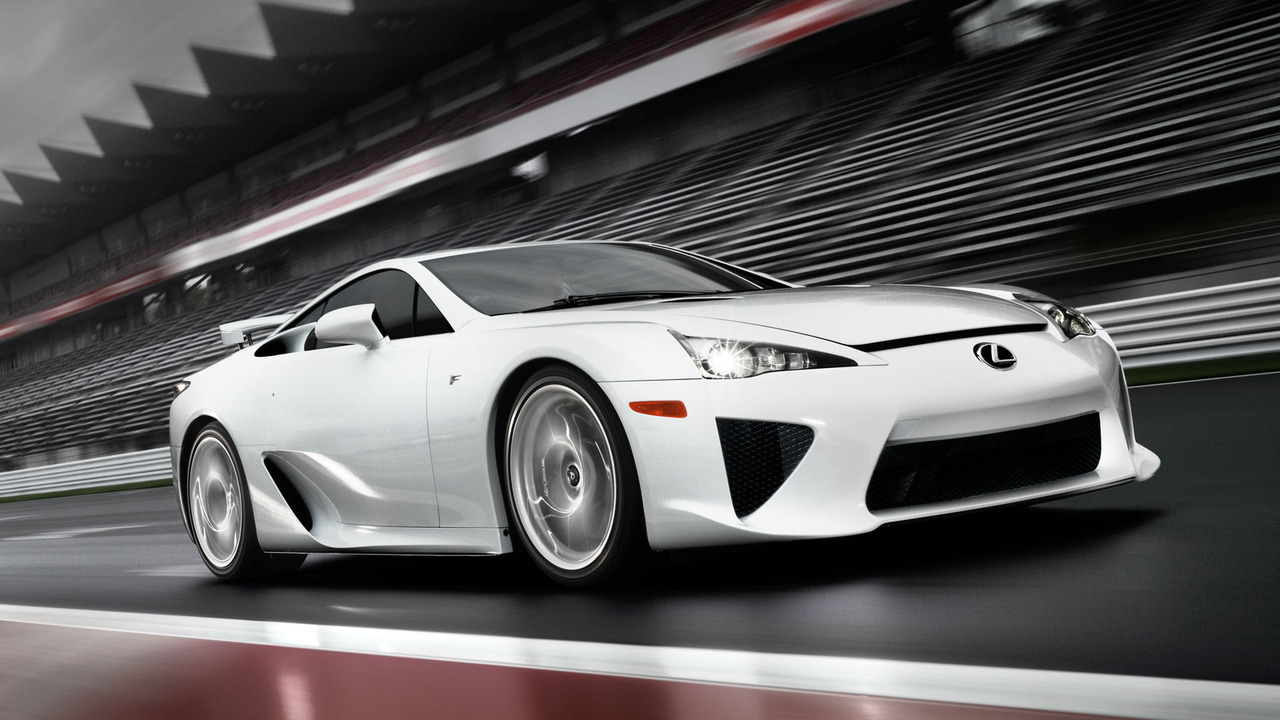
The Lexus LFA represents everything enthusiasts love about naturally aspirated engines. Only 500 were built between 2010 and 2012, each one featuring a 4.8-liter V10 that redlined at 9,000 rpm with an exhaust note that could make grown adults emotional.
The sound it produced was so special that Yamaha was brought in specifically to tune the exhaust, resulting in one of the greatest automotive symphonies ever created. With original prices around $375,000 and current values exceeding $750,000, the LFA has achieved legendary status precisely because of what makes it irreplaceable: that screaming engine.
An electric successor might be faster and more efficient, but it would be missing the soul that made the original a collector’s dream.
Porsche 911 GT3
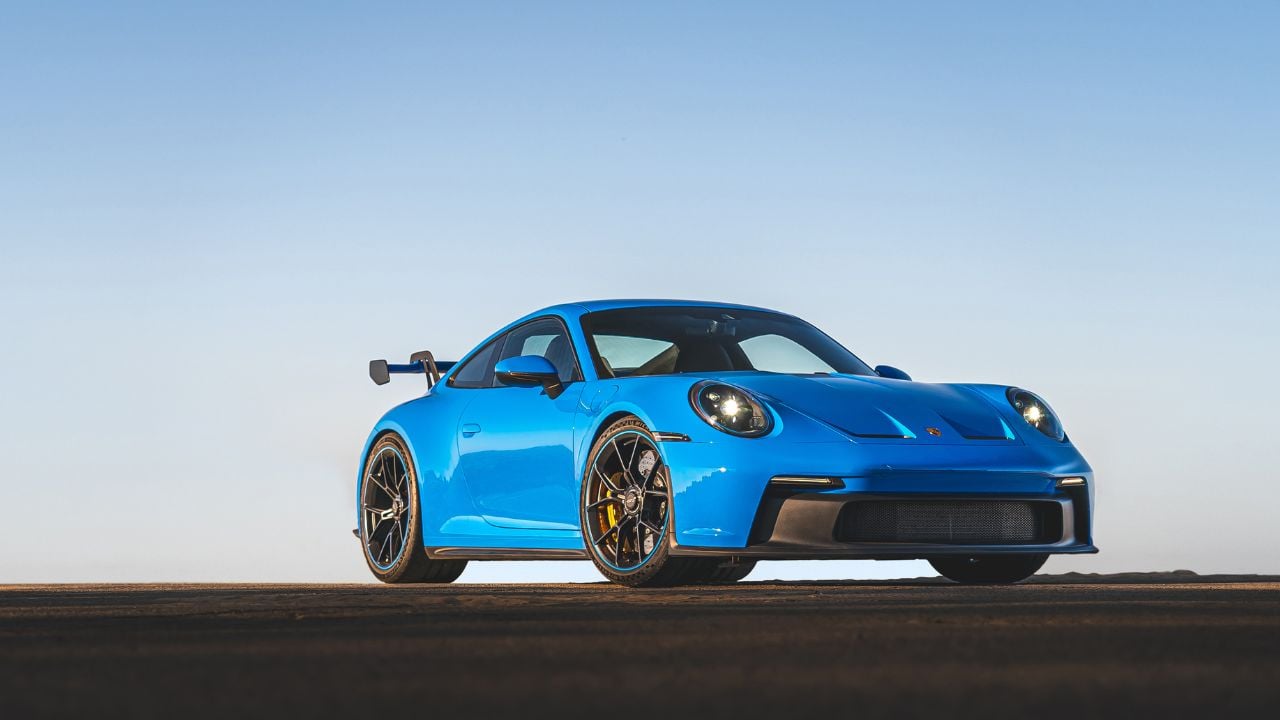
The GT3 has always been Porsche’s love letter to driving purists, and its naturally aspirated flat-six engine is a huge part of that appeal. While Porsche has done impressive work with electric vehicles like the Taycan, the GT3’s 4.0-liter engine that revs to 9,000 rpm is a mechanical marvel that defines the driving experience.
The immediate throttle response, the rising crescendo as you climb through the rev range, and that distinctive Porsche howl are integral to what makes a GT3 special. Track-focused enthusiasts who buy these cars aren’t just looking for lap times—they want the complete sensory experience.
Porsche has wisely said they’ll keep combustion engines in their GT cars as long as possible, and enthusiasts everywhere are grateful for that commitment.
Ferrari V12 Models

Ferrari’s V12 engines represent over seven decades of automotive excellence and racing heritage. Models like the 812 Superfast and Purosangue carry forward a lineage that connects directly to Ferrari’s earliest days, when Enzo Ferrari himself oversaw engine development.
The V12’s smoothness, its ability to rev freely to over 9,000 rpm, and the intoxicating sound it produces are fundamental to the Ferrari experience. Ferrari has confirmed they’re working on electric models, but they’ve also promised to keep their V12 alive as long as regulations permit.
For many Ferrari enthusiasts, the V12 isn’t just an engine — it’s the heart of what makes a Ferrari a Ferrari, and electrifying it would feel like losing a piece of automotive history.
Dodge Challenger/Charger Hellcat

The supercharged 6.2-liter Hemi V8 in Hellcat models represents American muscle in its purest form. With 717 horsepower in standard form and up to 797 hp in the Redeye variant, these engines deliver brutal, tire-smoking acceleration that comes with a soundtrack to match. The supercharger whine combined with the V8’s rumble is theater that electric motors simply can’t replicate.
Dodge has already moved to electric and inline-six power for their new Charger, which has left many longtime fans mourning the end of an era. While the new models promise impressive performance, they represent a fundamental shift away from what made Hellcats special: absurd power delivered with maximum drama and noise.
Ford Mustang Shelby GT500

Ford’s most powerful Mustang ever carries a supercharged 5.2-liter V8 producing 760 horsepower. The GT500 isn’t just about the numbers — it’s about how it delivers that power, with a visceral aggression that announces itself every time you touch the throttle.
The mechanical supercharger whine is addictive, and the way the V8 bellows through the exhaust system is pure Americana. While Ford has already introduced the electric Mustang Mach-E, which is a capable vehicle in its own right, traditional Mustang enthusiasts appreciate having combustion-powered options.
The GT500 represents the pinnacle of what’s possible when you combine modern engineering with old-school V8 muscle.
Aston Martin V12 Vantage
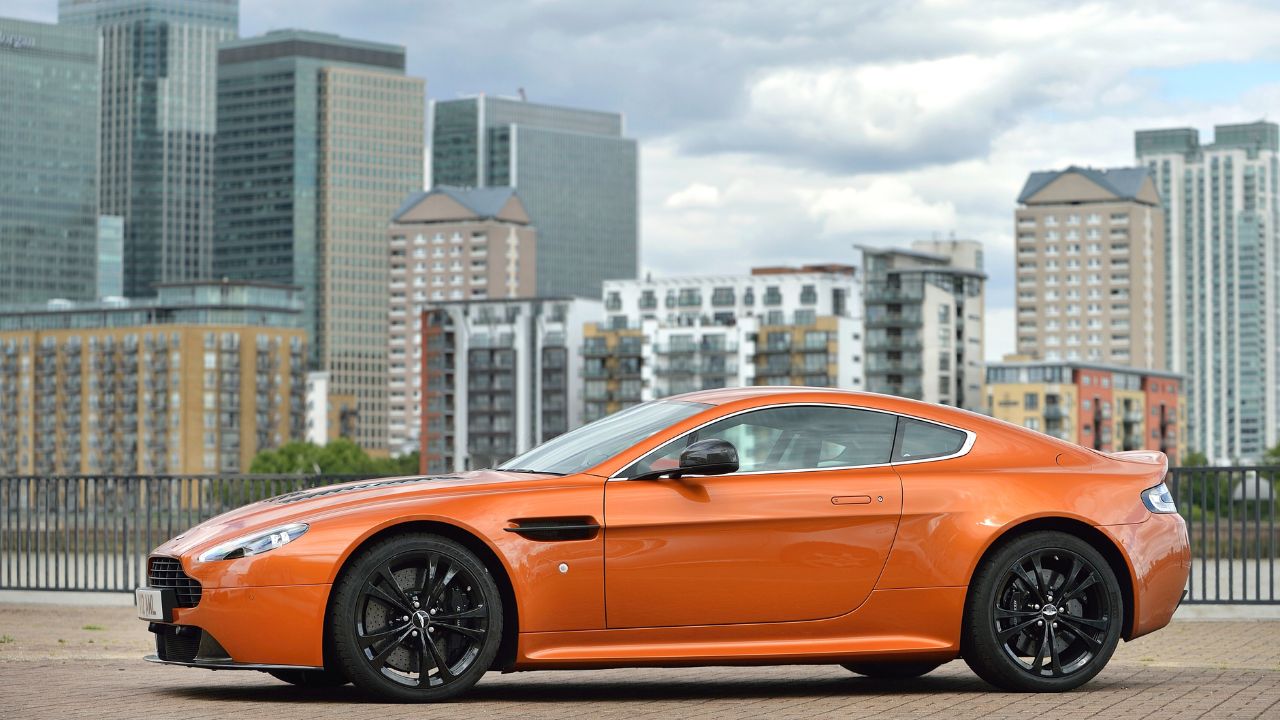
Aston Martin recently bid farewell to their V12 Vantage. The 5.2-liter twin-turbo V12 produces 690 horsepower and delivers power with a refinement that only twelve cylinders can provide.
What made this car special wasn’t just the performance — it was the elegance with which it delivered that performance, combined with one of the best exhaust notes in the business. Aston Martin is moving toward electrification with models like the upcoming Valhalla, but the V12 Vantage represented something pure and uncompromised.
It’s the kind of car that reminds you why people fall in love with driving in the first place.
BMW M5 (V8 Models)
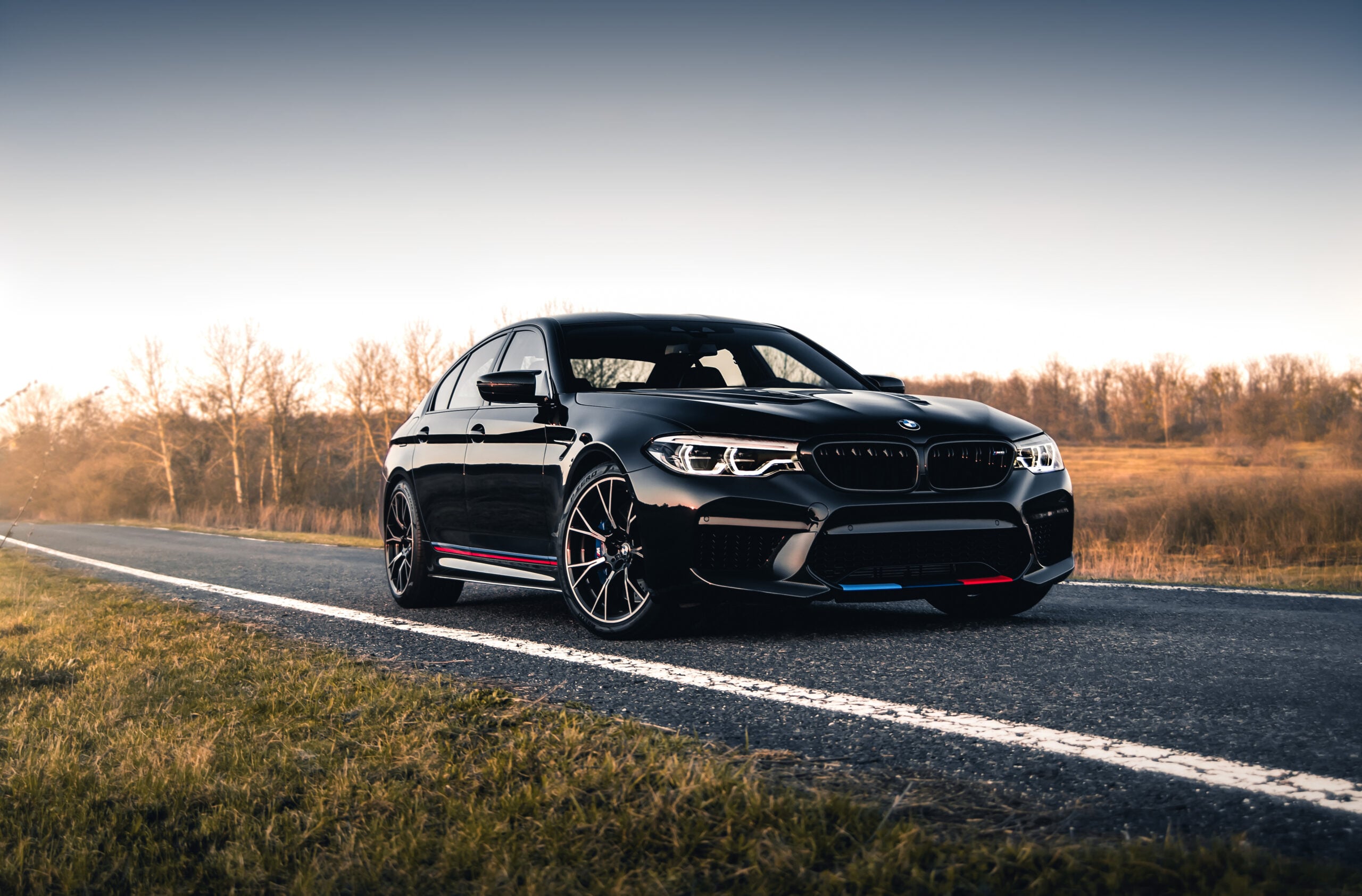
The M5 has evolved significantly over the years, but the V8-powered versions have delivered a perfect balance of daily usability and track capability. The current generation’s 4.4-liter twin-turbo V8 produces up to 617 horsepower and provides the kind of effortless power delivery that defines a great sports sedan.
There’s something special about having a car that can comfortably seat five, handle grocery runs, and then transform into a track weapon with a flick of a switch. BMW has confirmed the next M5 will be a plug-in hybrid with a significant increase in weight, which has some purists concerned.
The visceral experience of a lightweight, V8-powered M5 is hard to replicate, no matter how impressive the performance numbers might be.
Chevrolet Corvette Z06

The current Z06 features a flat-plane-crank 5.5-liter V8 that revs to 8,600 rpm and produces 670 horsepower naturally aspirated. This engine is a technical masterpiece that sounds more like an exotic Italian supercar than a traditional American V8.
Chevrolet borrowed technology from their racing program to create an engine that delivers supercar performance at a fraction of the typical cost. The immediate throttle response and linear power delivery of a naturally aspirated engine create a driving experience that’s pure and engaging.
While Chevrolet has confirmed an electric Corvette is coming, the Z06 represents what happens when American engineering focuses on creating the best possible combustion engine.
Honda Civic Type R
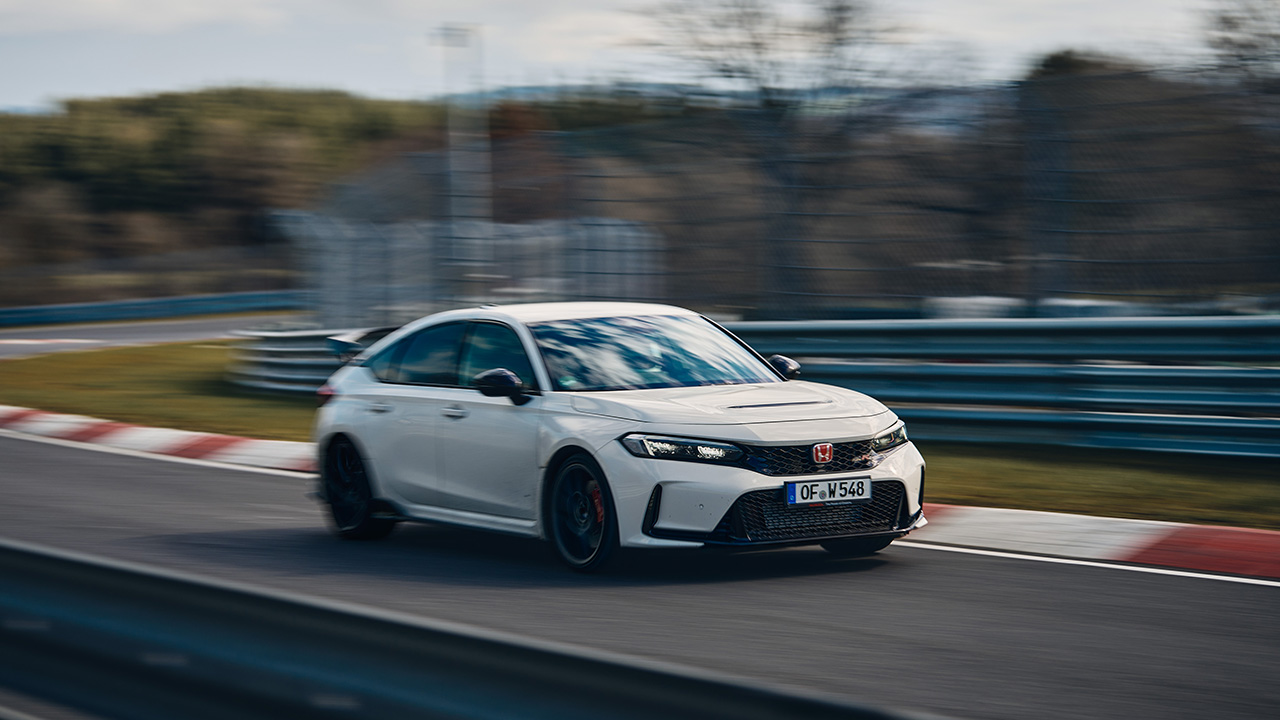
The Civic Type R’s turbocharged 2.0-liter four-cylinder might not have the cylinder count of other cars on this list, but it’s a masterclass in high-revving excellence. With 315 horsepower and one of the best manual transmissions in the business, it delivers an engaging driving experience that enthusiasts cherish.
Honda has a rich history of creating incredible four-cylinder engines, from the S2000’s screaming motor to the original NSX’s VTEC unit. The Type R carries that tradition forward, offering a level of mechanical involvement that’s increasingly rare.
While Honda is investing heavily in electrification, the Type R proves that internal combustion engines still have plenty to offer in terms of driver engagement.
Mercedes-AMG GT Black Series

The Black Series represents AMG’s no-compromises approach to performance, and the current model’s 4.0-liter twin-turbo V8 produces 720 horsepower. What makes AMG V8s special is their character: they’re not just powerful, they’re angry and aggressive in a way that perfectly matches the cars they power.
The flat-plane-crank design gives it a higher-pitched, more exotic sound than typical V8s, while still maintaining that AMG growl. Mercedes is moving toward electrification across their lineup, with models like the AMG EQS showing what’s possible with electric power.
However, the visceral drama of a Black Series is tied directly to its combustion engine, and that’s not something that translates easily to electric motors.
Jaguar F-Type V8

Jaguar’s supercharged 5.0-liter V8 in the F-Type has been praised as one of the best-sounding engines of the modern era. The combination of supercharger whine and V8 rumble creates an addictive soundtrack that makes every drive feel special.
With up to 575 horsepower in the R variant, it delivers the kind of theatrical performance that defines British sports cars. Jaguar originally announced plans to go all-electric by 2025, though that EV rollout has since been delayed into the second half of the decade.
While their future electric vehicles will likely be impressive, the F-Type’s character is so tied to its engine that it’s hard to imagine a direct replacement capturing the same magic.
McLaren 720S

McLaren’s 4.0-liter twin-turbo V8 in the 720S produces 710 horsepower and revs with an eagerness that feels more like a naturally aspirated engine. The sound isn’t as loud as some other supercars, but it has a technical precision that matches the car’s surgical handling characteristics.
McLaren has built their entire brand around creating the ultimate driving machines, where every element works together to deliver pure performance. They’re developing hybrid and electric powertrains for future models, but the 720S represents their current philosophy taken to its logical conclusion.
The lightweight construction and immediate throttle response create a connection between driver and machine that’s harder to achieve with the added weight and complexity of electric systems.
Conclusion

The transition to electric vehicles represents important progress for environmental sustainability and technology. EVs offer instant torque, lower maintenance costs, and impressive performance that shouldn’t be dismissed. However, there’s real value in acknowledging what makes these combustion-powered cars special before they disappear.
The sounds, the mechanical character, and the raw connection they provide aren’t just nostalgia — they’re genuine aspects of the driving experience that enthusiasts treasure. Fortunately, we’re not facing an immediate situation where these cars vanish overnight, and many manufacturers are committed to offering both powertrains for years to come.
Let’s appreciate these mechanical marvels while they’re still being built.