
The whisper of wind against a polished grille feels like poetry in motion, yet it signaled a revolution that reshaped the very soul of the automobile. From daring streamliners in the early 1930s to today’s whisper-quiet electric sedans, mastering airflow has unlocked higher speeds, greater fuel economy, and pure style that still turns heads in parking lots.
Each vehicle on this journey proved that harnessing air currents was as powerful as any engine upgrade. No complex formulas here, just real-world road tests, wind-tunnel breakthroughs, and a dash of pop-culture flair. Ready for a breezy ride through automotive history? Keep reading to meet the cars that rode the wind into legend.
Lincoln Zephyr
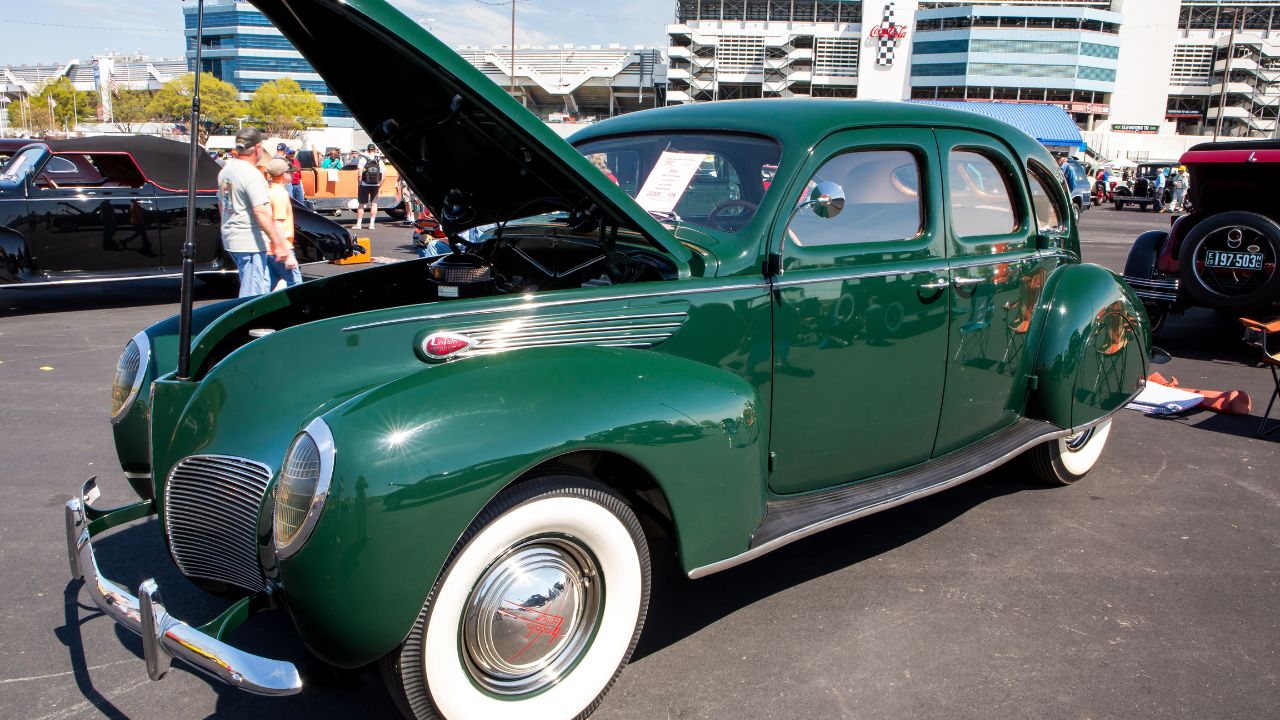
The Lincoln Zephyr arrived with sweeping fenders and a bullet-nose grille that echoed the grandeur of ocean liners. Its fully integrated headlights and graceful roofline cut through the wind with surprising efficiency for a family car.
Movie fans might spot echoes of its silhouette in classic film noir chase scenes, where every curve mattered. The Zephyr showed that everyday drivers could enjoy smoother rides thanks to wind-tunnel thinking.
Chrysler Airflow

Chrysler touted the Airflow as a leap toward the ‘modern’ motorcar, backed by extensive wind-tunnel work. It used a unitized/hybrid body-and-frame approach that was stiffer than typical body-on-frame cars of the era and a smooth body shape that reduced buffeting at high speeds.
Early buyers balked at its unconventional looks, yet engineers celebrated its newfound stability on long highway stretches. Today, the Airflow stands as proof that bold design can sometimes surpass buyer comfort zones.
Volkswagen Beetle
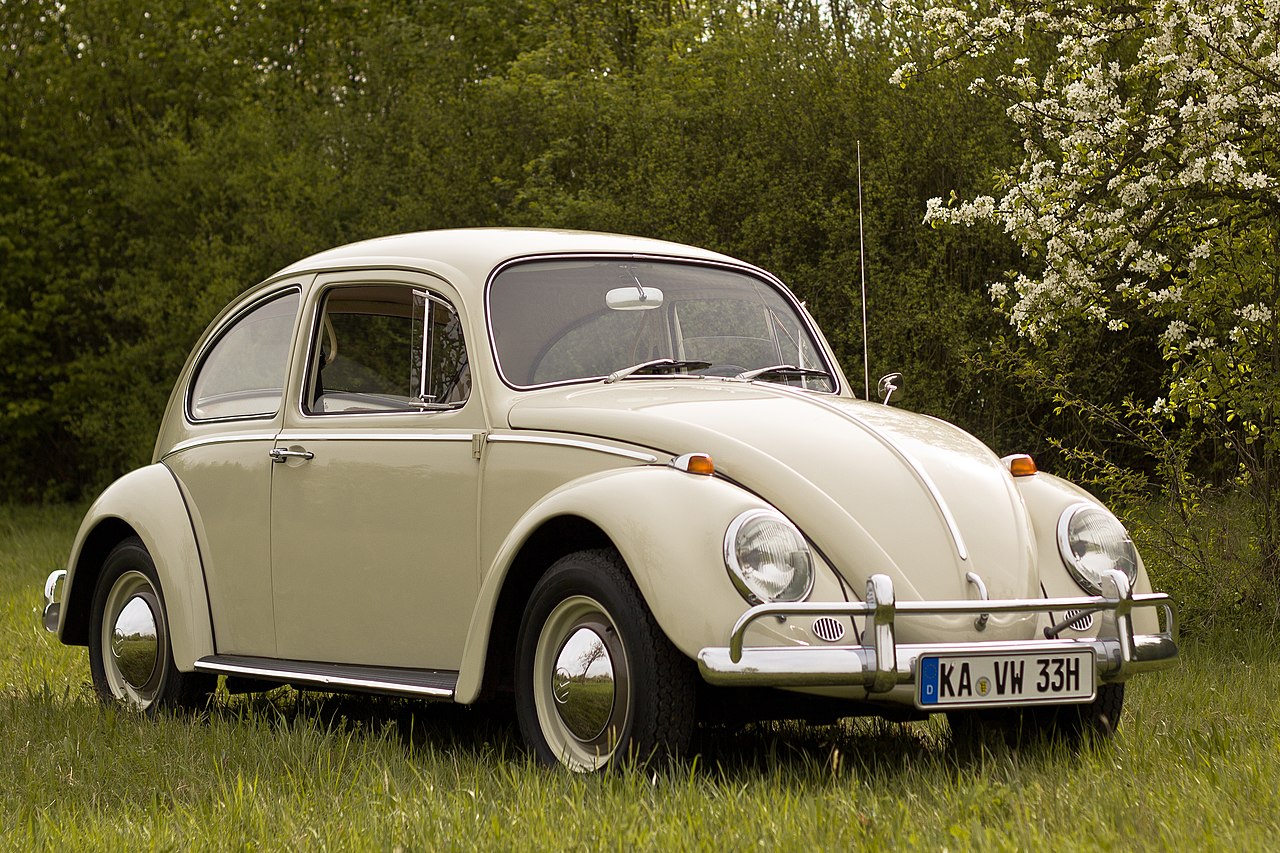
Ferdinand Porsche’s “people’s car” ended up with a friendly, rounded shell that was refined through wind-tunnel testing and real-world development. The Beetle’s curved rear deck and smooth roofline set a high standard for drag coefficient even by today’s standards. It starred as Herbie in a string of family-friendly comedies, cementing its place in pop-culture lore.
Decades later, that enduring silhouette still sparks nostalgia and reminds us that simple shapes can deliver real efficiency gains.
Mercedes-Benz 300SL Gullwing

Long before it became a poster car for generations of enthusiasts, the 300SL Gullwing stunned the world with doors that opened skyward and a slender body honed in wind tunnels. Under that graceful hood lay fuel injection and a tubular frame built for racing DNA.
Engineers refined every contour until it could reach nearly 160 miles per hour on open roads. It proved that performance and elegance could share the same chassis.
Ford GT40

When Ford set out to beat Ferrari at Le Mans, raw horsepower was only half the challenge, cutting through air currents was the other. The GT40’s low stance and chopped roofline sliced through turbulence at around two hundred miles per hour.
It powered four straight Le Mans wins from nineteen sixty-six to nineteen sixty-nine, cementing its legend. Modern tribute models still borrow their basic lesson: conquer the air, and the road follows.
Dodge Charger Daytona

Stock cars in the late nineteen-sixties needed more than brute force to tame superspeedways; they needed wings. The Daytona’s towering rear wing and pointed nosecone emerged straight from wind-tunnel tests to slash drag and add downforce. It became the first stock car to lap a closed course at more than 200 mph, Buddy Baker’s Talladega run on March 24, 1970, is the famous milestone.
Pontiac Firebird Trans Am

Hollywood cemented the Trans Am’s cool factor when Burt Reynolds tore up backroads in a black Trans Am in Smokey and the Bandit. Pontiac’s designers incorporated aerodynamic features into the bold body lines, with aero-influenced pieces like front air dams/spoilers and rear spoilers that improved high-speed stability.
The result felt as aggressive at sixty miles per hour as it looked parked under neon garage lights. Even today, collectors savor that swagger every time they fire up the V8.
Porsche 917

The Porsche 917 wrote a new chapter in endurance racing, long before it appeared alongside Steve McQueen in the film Le Mans. Engineers tested multiple rear tail shapes—long tails for top speed and short tails for cornering downforce, until they struck gold.
That obsession helped Porsche dominate tracks worldwide and deliver an engine note that still raises hairs on the back of the neck. It showed that airflow tuning can make champions.
Lamborghini Countach

If the Countach looks like it arrived on a UFO, it owes that wedge shape to Bertone’s wedge-era futurism, and period development leaned heavily on real-world ‘guerrilla’ aero methods (like tufts) rather than the kind of full modern wind-tunnel program you’d expect today. The shape looked aerodynamic and felt dramatic at speed, even if it wasn’t a drag-and-lift masterpiece by modern standards, giving remarkable stability at triple-digit speeds. Pop-up headlights and side air scoops pulled air to feed its roaring mid-mounted twelve-cylinder engine.
It became the poster icon in countless teenage bedrooms because it proved that futurism and performance could coexist in one frame.
Jaguar XJ220

Jaguar originally targeted a 220 mph headline, and testing famously produced about 217 mph with catalytic converters removed at Nardò when it launched the XJ220. Its low, curved body was refined through extensive wind-tunnel development to limit lift and keep passengers planted at speed.
Twin turbochargers squeezed extra power while that smooth shell carved through the air like a hot knife through butter. For a grand tourer, it felt daring enough to challenge any supercar at the red line.
Audi 100

Long before hybrids went mainstream, Audi’s 1982 100 C3 delivered a serene cabin and surprisingly strong fuel economy thanks to its slipperier shape (often cited at around Cd 0.30), tight panel gaps, and a gently raked windshield. The result was a calmer, quieter ride that cut through crosswinds and turned blustery commutes into smooth, effortless miles.
The public may have expected sport sedans to chase lap records, yet the 100 C3 proved that true innovation can elevate everyday driving. It hinted at the eco-focused automakers that would be embraced decades later.
Toyota Prius

The original Prius taught millions that efficiency could be more than a buzzword. The first-generation Prius’ shape (Toyota UK cites Cd 0.29), rear roof spoiler, and underside panels all worked in harmony to lower drag. Drivers marveled at stretching every gallon beyond imagination, turning parking lot debates about fuel savings into quiet confidence.
Today’s families and urban commuters still benefit from its pioneering spirit and air-shaping design.
Tesla Model S

Tesla rewrote what a sedan could achieve by pairing electric power with a drag coefficient widely reported around 0.24, helped by details like flush door handles and a smooth underbody. Flush door handles and a smooth underbody helped it glide through the air almost silently.
Its EPA-rated range once seemed impossible, proving that mastery of airflow extends battery life. Many owners compare its launch to a roller-coaster zero-to-sixty thrill without a hint of engine roar.
Mercedes-Benz EQS

The EQS arrives as an all-electric flagship that marries plush luxury with advanced airflow control. Its one-bow/boat-tail profile and meticulous aero detailing help it achieve a drag coefficient as low as Cd 0.20, a production-car benchmark to keep air resistance to a minimum.
The result feels as serene as coasting on a calm lake, delivering smooth performance and standout efficiency. It shows that even in the lap of luxury, conquering air remains essential.
Driven by Air
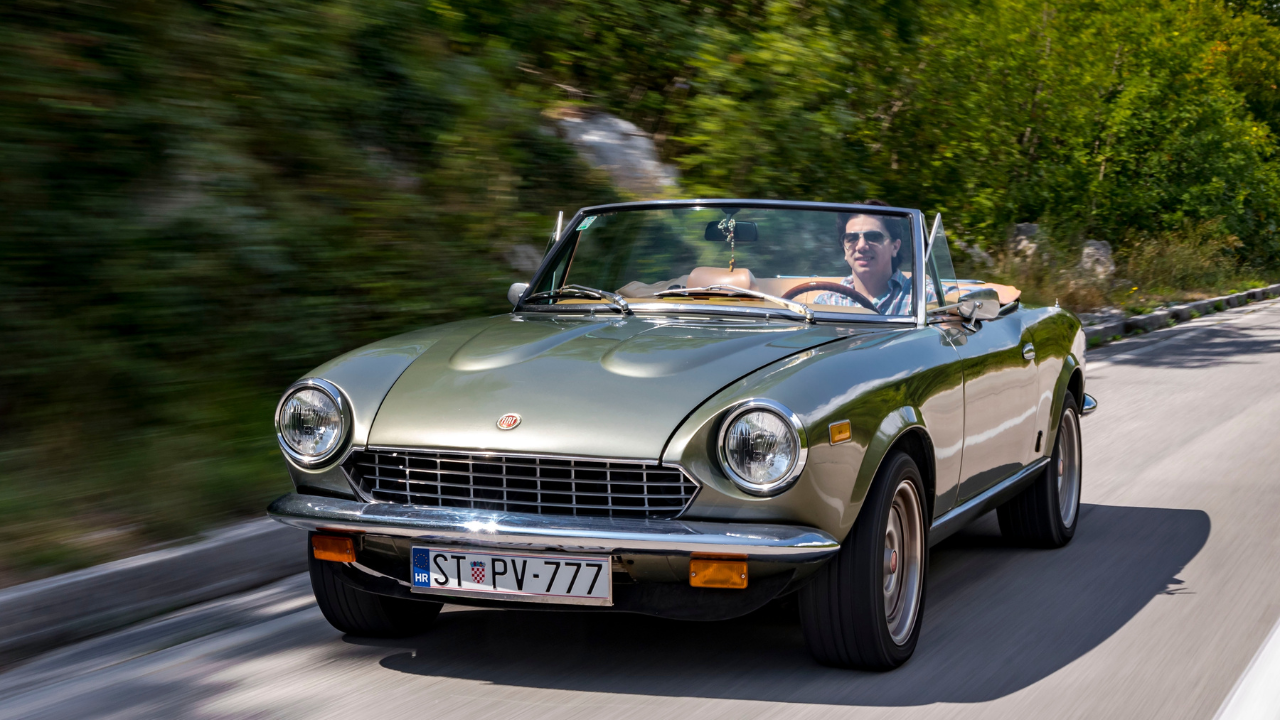
Today’s cars display aerodynamic advances as badges of honor from one end of the showroom to the other. From the Zephyr’s ocean liner grace to the EQS’s intelligent shape-shifting, each model proved that you cannot outrun the air, you must befriend it.
As our highways become increasingly busy and efficiency becomes paramount, mastering airflow remains the ultimate performance upgrade. The next time you admire a sleek profile on your morning commute, remember the pioneers who tamed turbulence to redefine what a car can be.