Some famous trips lose something when travelers treat them like a quick stop. The headline attraction may be obvious, but the better parts often come from staying long enough to notice the streets, food, weather, local movement, and history around it.
Dubrovnik is not only its walls. Santorini is not only Oia at sunset. Kyoto is not only a handful of temples. Banff is not only two famous lakes. Machu Picchu is not only the first look at the ruins.
Each of these places becomes more interesting when travelers give the day more texture: a slower meal, a side street, a market, a trail, a boat ride, a quieter district, or a route that makes the place feel less like a stop and more like somewhere they actually spent time.
1. Dubrovnik, Croatia

Dubrovnik often gets reduced to the wall walk and the orange rooftops inside the Old Town. That part is worth seeing, but the city becomes more rewarding when travelers come down from the high route and spend time inside the stone maze itself.
The official City Walls Dubrovnik ticket site includes the Dubrovnik City Walls, Lovrjenac Fortress, the Western Outer Wall, and other heritage locations. The walls give the city its famous shape, but they also point travelers back toward the streets below: narrow lanes, courtyards, church fronts, laundry lines, steps, bells, and small openings toward the sea.
A better Dubrovnik day does not end with the wall circuit. It might include coffee inside the gates before the city gets loud, a swim from the rocks, a ferry to Lokrum, a meal after the busiest hours fade, or a slow walk through side streets that most visitors pass too quickly.
The old city has enough drama from above. Its real character comes from the stone underfoot, the salt in the air, and the way the lanes keep folding back into each other long after the main route has been checked off.
2. Santorini, Greece

Santorini can feel oddly small when the whole trip is built around one crowded evening in Oia. The island is famous for white buildings, blue domes, and the caldera, but the better stay has more room than that.
Visit Greece describes Santorini as one of the world’s most famous islands and mentions sitting in front of the caldera with local dishes, a drink, or coffee while looking toward the active volcano. Its food traditions are tied closely to the island itself, and Visit Greece also highlights Santorini products shaped by volcanic soil and Aegean wind, including fava, capers, cherry tomatoes, white aubergines, and wine.
That is the part a rushed Oia-only visit can miss. Fira has movement and restaurants. Imerovigli and Firostefani have a quieter caldera rhythm. Akrotiri brings ancient history into the trip. Wineries, black-sand beaches, boat routes, and inland villages give Santorini more than one mood.
The island works better when meals, wine, volcanic landscape, and village movement share the day. Santorini is at its thinnest when travelers only wait in one crowd for one evening scene.
3. Kyoto, Japan
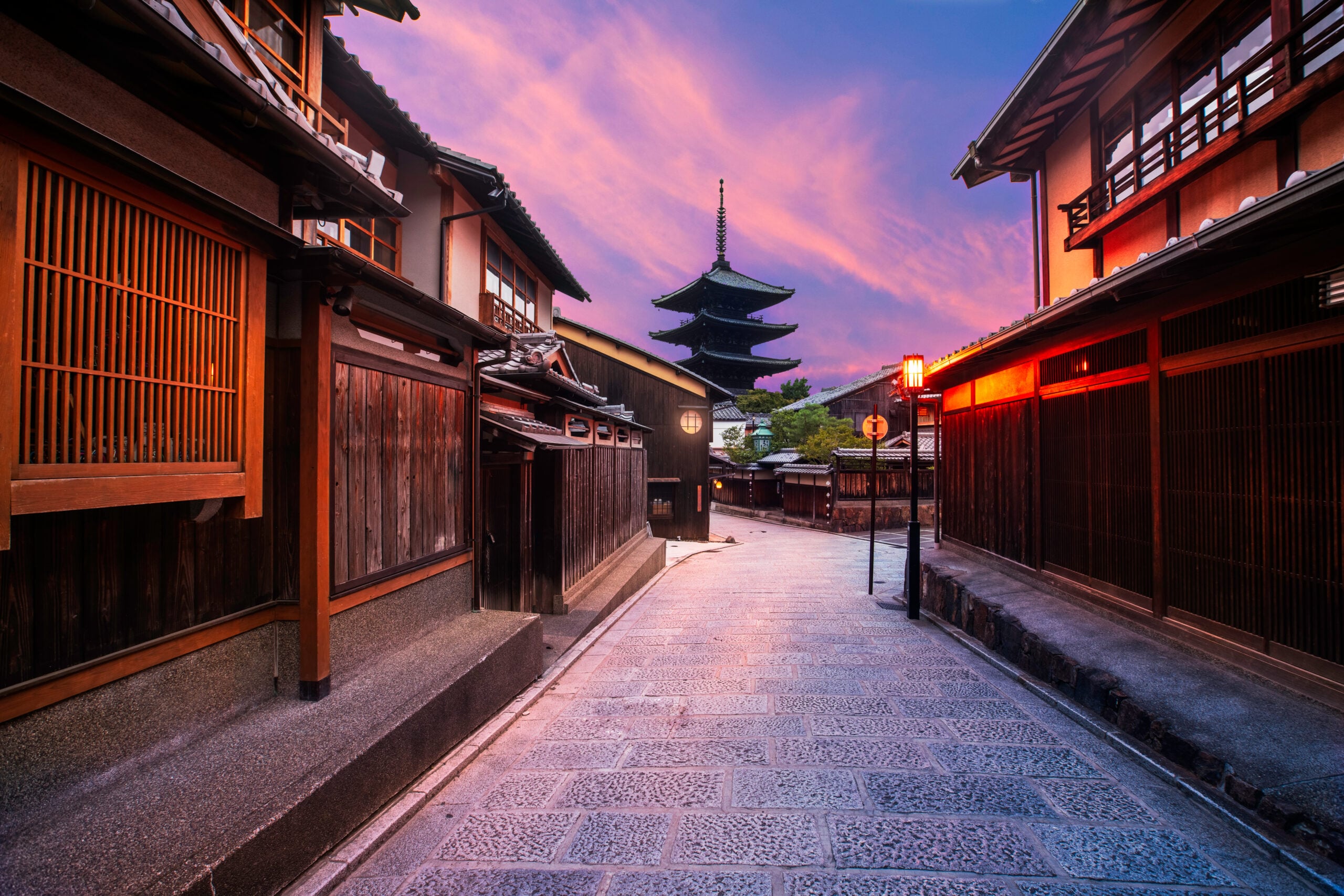
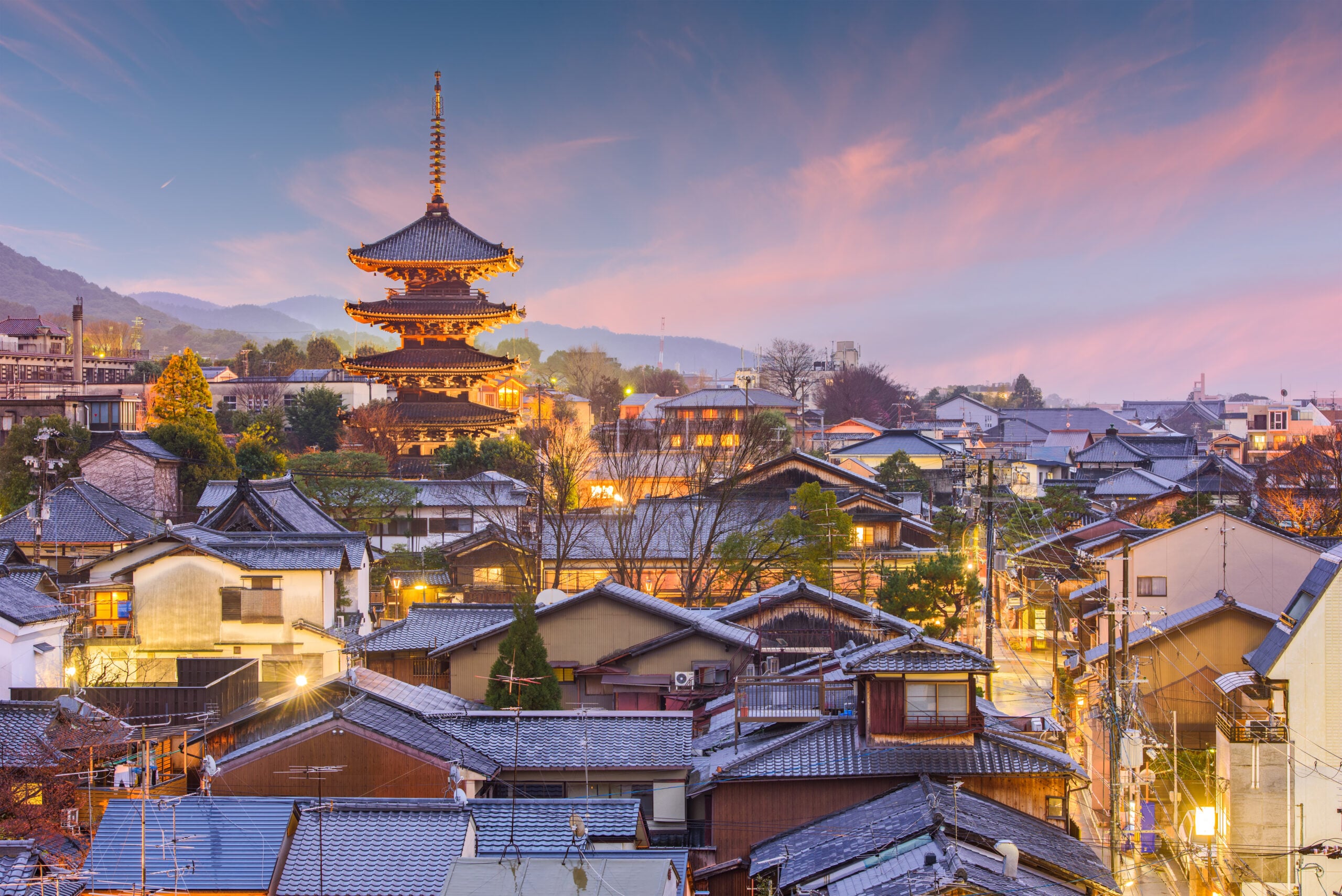
Kyoto has temples, shrines, gardens, gates, and old lanes that almost every first-time visitor wants to see. The problem comes when the city becomes only a sequence of famous stops, with no time left for the quieter parts between them.
Nishiki Market is a good example of Kyoto’s texture away from the major temple circuit. Japan’s official travel site describes Nishiki Market as “Kyoto’s Kitchen,” with more than 100 vendors packed into a narrow passageway about 400 meters long. It has been part of the city’s food life for centuries, and it gives the trip a very different energy from a temple morning.
Kyoto’s official travel congestion forecast can help visitors avoid the worst crowd pressure around popular areas, but the richer idea is simple: do not spend the whole day chasing the same famous route as everyone else.
Pair one major sight with something smaller nearby. A temple and a food street. A garden and a tea stop. Higashiyama lanes and a quieter side route. Fushimi Inari and lunch before crossing the city again. Kyoto becomes more memorable when the day has pauses, not only landmarks.
4. Banff National Park, Canada
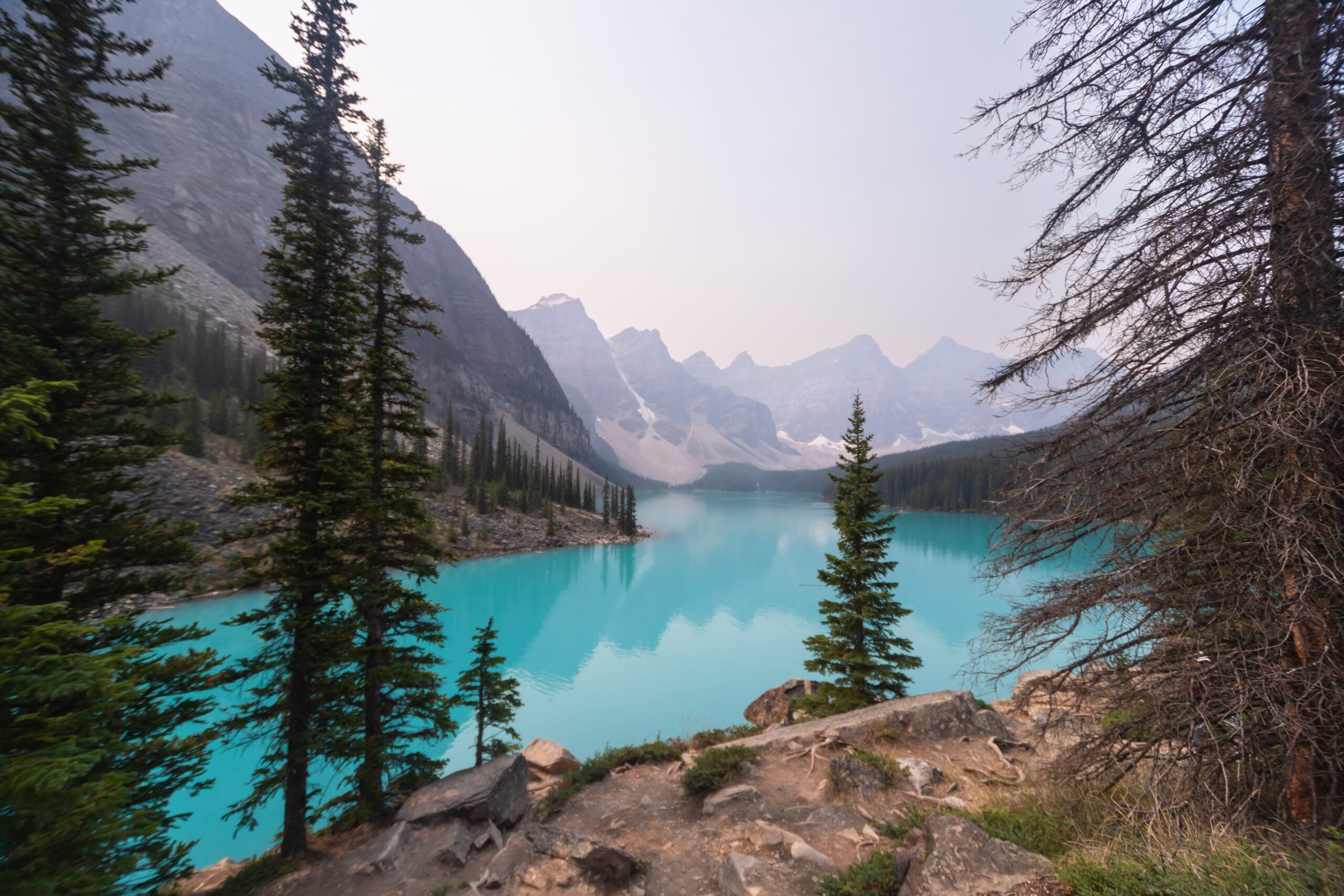
Banff is easy to flatten into a lake checklist. Lake Louise and Moraine Lake are famous for a reason, but the park becomes more powerful when travelers spend time with the mountain environment instead of moving only from one crowded stop to another.
Parks Canada’s official activities and learning experiences page lists ways to explore Banff beyond the most obvious stops, including biking, fishing, wildlife viewing, and other outdoor activities. The park has forest trails, mountain roads, changing weather, wildlife, and towns that give the trip more variety than a single lake morning.
Banff & Lake Louise Tourism also notes that the Lake Louise area has hiking and skiing close to the village, along with restaurants, lodging, a grocery store, a bakery, a deli, sporting goods, and visitor information. That matters because the town and village pieces can become part of the mountain day rather than only places to sleep or refuel.
A stronger Banff trip might include one lake, one trail, one slow meal, and enough space for the weather to shift. The Rockies feel different in cold morning air, under cloud, on a forest path, or after a long drive between valleys. The park needs time, not just a stop at the most famous water.
5. Machu Picchu, Peru
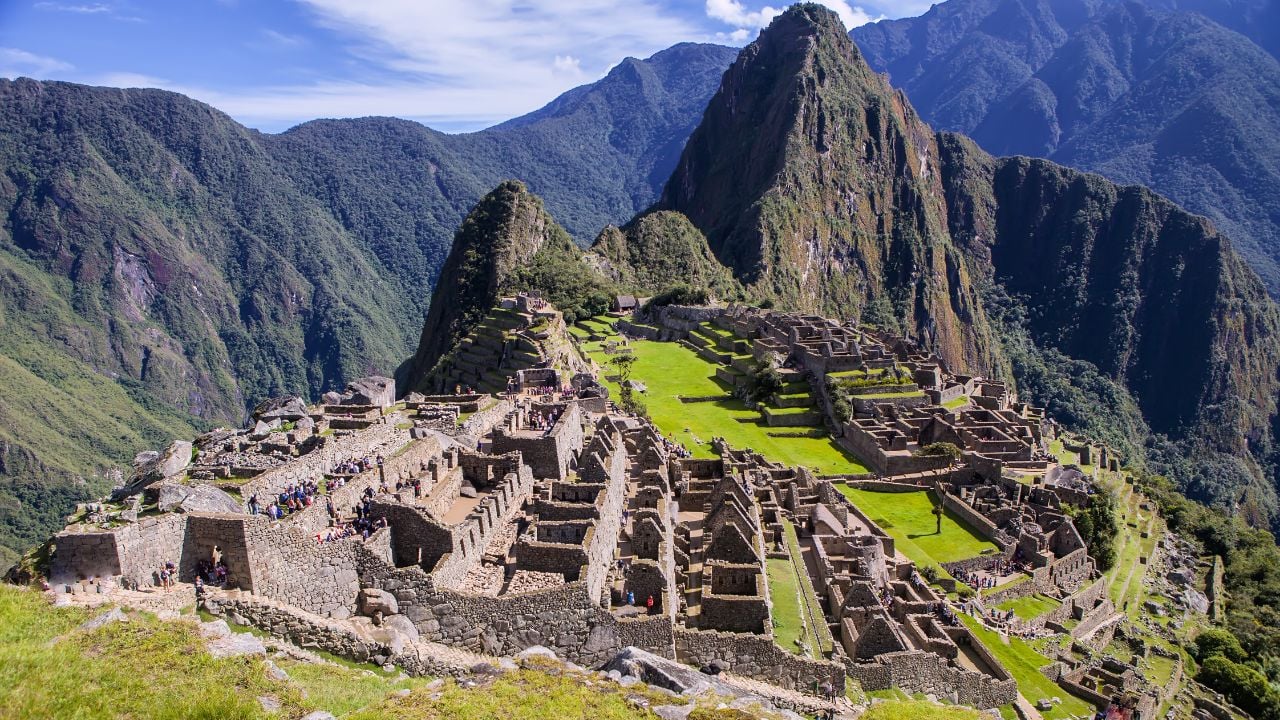
Machu Picchu can become a single emotional moment in a traveler’s mind: arrive, see the ruins, take it in, leave. The actual place has more structure than that. Terraces, stonework, paths, mountains, changing clouds, and the approach through the Sacred Valley all shape the visit.
The official Machu Picchu site explains that since June 1, 2024, three circuits grouping 10 routes have been in effect. Those routes affect what visitors see inside the Inca city, including panoramic areas, archaeological sections, and mountain options.
That makes the movement through the site part of the experience. Machu Picchu is not just one arrival point. It has paths, edges, terraces, and angles that change how the ruins relate to the mountains around them.
The trip also begins before the entrance. Time in Cusco or the Sacred Valley, the train journey, the bus from Aguas Calientes, and the first walk through the site all add context. Machu Picchu stays with travelers longer when it is treated as a journey through place and history, not only as the final stop on an itinerary.