
My friends and colleagues would tell you that they’re not surprised if I were ever caught reminiscing (or ranting) about how the car scene once was. I’m the first person to tell you I hate every modern vehicle on the road, whether it’s yet another oversized SUV with plenty of screens yet not a single shred of originality or a soulless EV stuffed with irritating features to make up for its lack of personality. I don’t care that your ugly, boring work commuter has amazing mileage if the entire drive feels worse than actually being at the job.
Bring back the allegedly dangerous, yet charming, pop-up headlights. Fill the streets with gas-guzzling quarter-mile fiends that don’t care if you risk going up in flames every time you take a turn. We want the road to be full of personality, fun, whimsy, and chaos once more! Cars leave the market, but they never truly leave the conversation, especially not for us. Each one carried a unique shape, a distinct voice, and a presence that actually stood apart in a sea of beige anonymity. Them being gone only makes us think of them more, sort of like the ex your friends convinced you was toxic, but now you can’t stop daydreaming of how they almost ran you over.
Cars That Deserve a Second Act

We’re supposed to be writing and editing, but we’ve stopped to take a moment of silence for these fallen metal companions. A lot of models disappear because of shifting markets, rising costs (thanks, regulations), or changing corporate priorities (read: “synergy” and “platform commonality,” which usually means “we’re going to make everything the same”). But others vanish for reasons that feel harder to explain, like why good coffee is so hard to find at a gas station.
For this collection, we focused on cars that left a strong impression yet still had room to grow — cars that were genuinely cool, not just for a niche internet forum. Each one offered a personality or a purpose that genuinely set it apart from the crowd of automotive appliances. Sales figures played a part, sure, but emotional impact mattered more. These cars did something right; they just left the stage too early. Bringing them back wouldn’t just rewrite history; it might actually make the road ahead a little less soul-crushing.
Pontiac G8

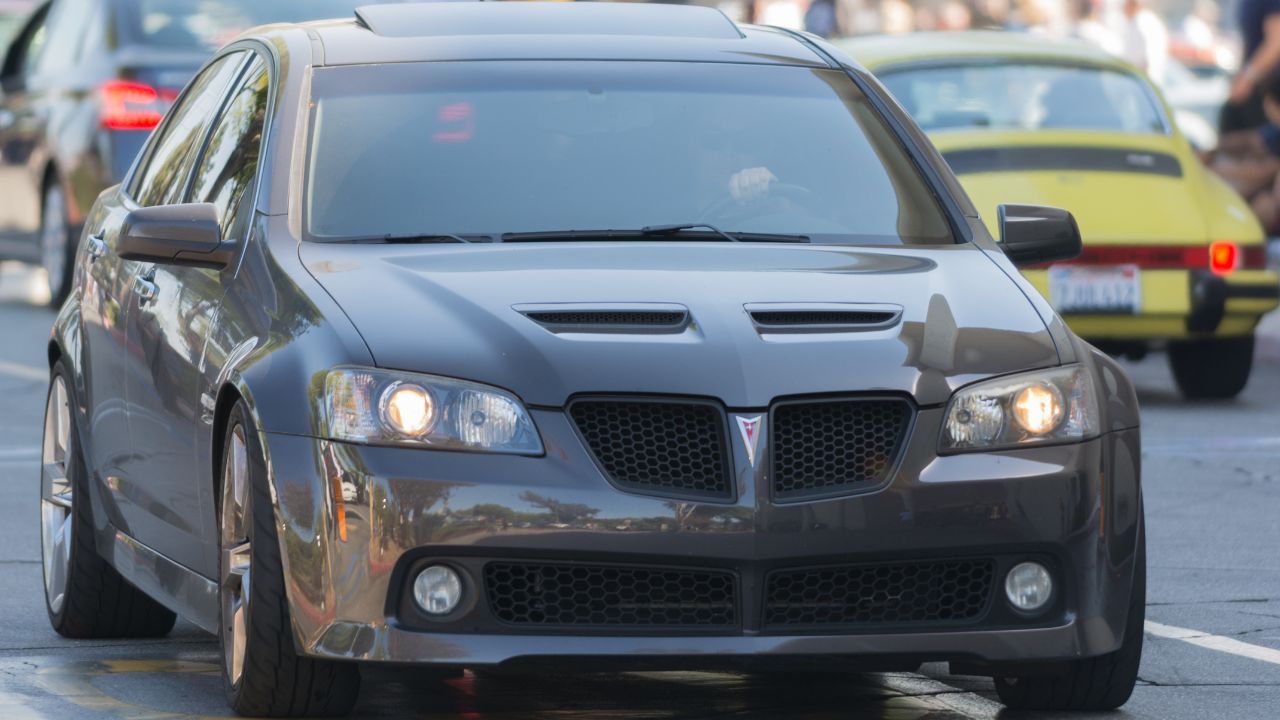
The Pontiac G8 arrived with the confidence of a bar brawler, offering a mix of sharp handling and bold styling that stood out from the typical sedan crowd like a loud American at a quiet European café. It came from a time when Pontiac still had something to prove (before GM decided to put it out of its misery), and for a brief, glorious moment, it felt like a true comeback. This was no rebadged econobox; it was a bona fide Holden VE Commodore from Australia, wearing a slightly questionable American suit.
Inside, the design focused on simplicity with a clear driver-first layout — no needless touchscreens or digital fluff. On the road, with its available 6.0L L76 V8 (G8 GT) or the beastly 6.2L LS3 V8 (G8 GXP), it handled like something that had ambition beyond its humble price tag. The GXP, especially with its rare 6-speed manual, was a genuine four-door Corvette for half the price.
It left showrooms far too quickly, axed in 2009 when GM decided “Pontiac Bad.” Many drivers only discovered it after the fact, lamenting what could have been. If timing had been different, this car, with its honest, rear-wheel-drive V8 grunt, might still be here today. The G8 deserved more time in the spotlight; it was GM’s brief moment of clarity before they remembered they hated joy.
Mazda RX-8

Mazda created something truly different with the RX-8. It combined coupe-like style with unexpected practicality, offering those signature “freestyle” rear-hinged access doors that worked without entirely compromising its sleek design. It was a compromise, sure, but a cool one.
The real charm, however, came from the way it moved — balanced, responsive, and eager to change direction, all thanks to that screaming 1.3L Renesis rotary engine with a 9,000 RPM redline. It invited drivers to stay connected with the road and enjoy the process of keeping an engine that tiny alive.
While not everyone understood its unique, high-maintenance purpose (and its thirst for oil and fuel), those who did rarely forgot the experience. It brought a sense of motion even when standing still, looking like it was about to pounce. Production ended in 2012, largely due to increasingly stringent emissions standards and, let’s be honest, the rotary’s legendary thirst for apex seals.
In today’s landscape of quiet efficiency and electric appliances, something like the RX-8 would bring back a desperately needed spark. A car built by engineers who clearly snorted too much racing fuel.
Saab 900 Turbo
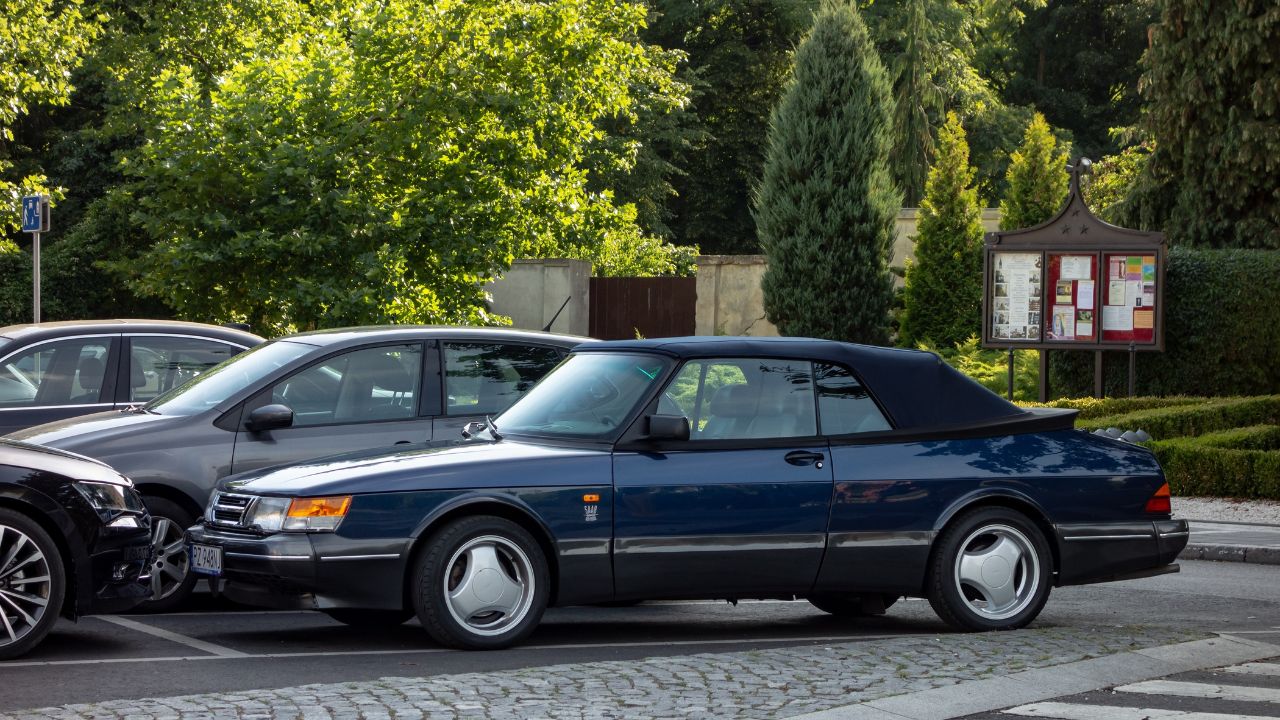
The Saab 900 Turbo carried a unique sense of confidence that made it unforgettable. From the iconic wraparound windshield to its upright stance, everything felt intentional, quirky, and utterly Swedish. It was the car for architects, professors, and anyone who proudly parked it the wrong way round at the supermarket. It balanced comfort with an edgy, almost aircraft-like feel, offering both a relaxed drive and a surprising rush of capability when that low-pressure turbo kicked in.
Saab never chased the mainstream; they actively avoided it, and the 900 embraced that mindset with pride. Drivers who appreciated design details (like the ignition between the seats) and unconventional engineering found something truly special behind the wheel. The “classic” 900 was phased out in 1993, just before GM really started messing with the brand’s unique identity.
It looked like it came from another world. And in many ways, it did — a world where engineers actually had fun. A return like this would speak to those who still believe in character over conformity, and who don’t mind explaining why their car has more buttons than a 747 cockpit.
Acura TSX Sport Wagon
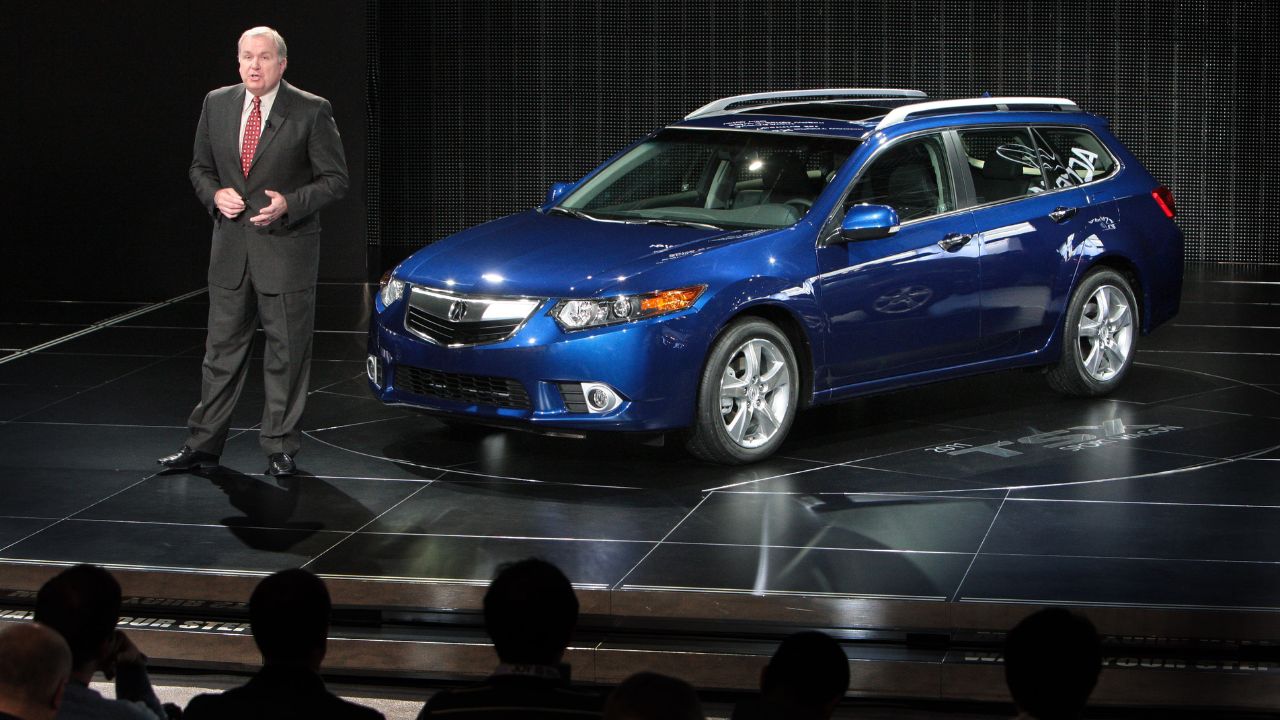
This model never tried to be flashy; it just knew how to deliver exactly what smart people wanted. The Acura TSX Sport Wagon gave drivers the practicality and space of an SUV without the bulk, the hideous proportions, or the desperate longing for a sedan that most crossovers inspire. It was essentially a rebadged European Honda Accord Tourer, meaning it got the good stuff. Its shape was clean, its handling composed (especially with the desirable 6-speed manual offered with the 2.4L K24 engine), and its interior was well-crafted without trying too hard to be a spaceship.
It found a quiet audience who valued balance and subtle performance, a small but vocal group who understood that wagons are inherently cooler than SUVs. As tastes shifted relentlessly toward taller, uglier vehicles, this wagon quietly stepped away after the 2014 model year.
Looking back, it feels like it answered a question no one in the focus groups asked loudly enough. Bring it back, and it just might find the audience it always deserved — the ones who actually like driving and owning something that doesn’t scream “I gave up.”
Toyota FJ Cruiser
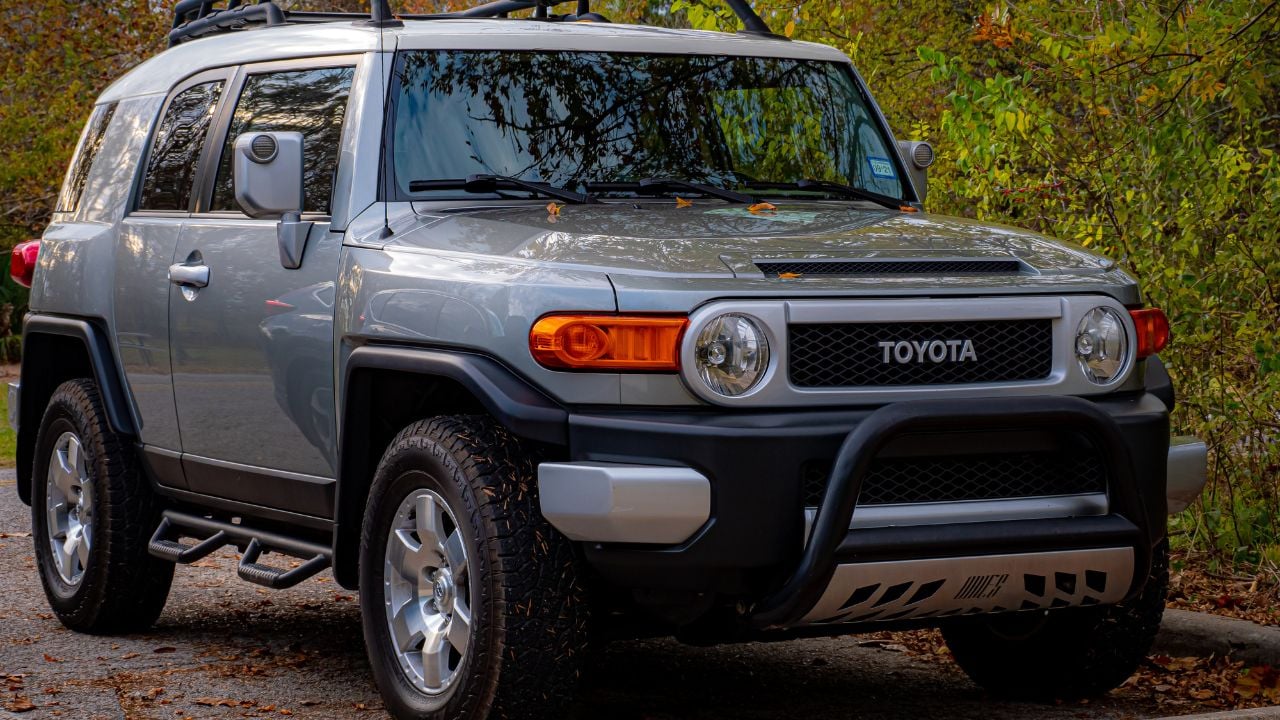
With a design that looked ready for an expedition straight out of a Dakar Rally poster, the Toyota FJ Cruiser brought bold attitude and serious capability in a world increasingly dominated by soft-roading pretenders. Its short overhangs, upright build, and grab-handle personality made it more than just a vehicle; it became a symbol of adventure, even if you were just hitting Costco. It thrived off the beaten path and stood out in city traffic without even trying, a vibrant throwback based on the indestructible Land Cruiser Prado platform.
Toyota built it to handle tough environments with its 4.0L V6, yet it maintained charm through every detail, from the three windshield wipers to the rear-hinged half-doors. As roads filled with lookalike crossovers, the FJ made a compelling case for standing tall and thinking different. Production for the U.S. market ended after 2014, though it lingered in other markets.
A revival wouldn’t just bring back a name; it would revive a spirit that’s increasingly rare in Toyota showrooms these days. This thing was cool before “cool” meant “efficient hybrid.”
Buick Reatta

Few cars wore their uniqueness so confidently. The Buick Reatta, produced from 1988 to 1991, offered two seats, elegant proportions, and a surprisingly tech-forward interior for its time, featuring a pioneering CRT touchscreen “Graphic Control Center.” Yes, a touchscreen in the late ’80s!
Hand-built on the same platform as the Riviera, it took a different approach from its showroom peers. It aimed to blend luxury and design in a sleek, compact package that felt like a personal escape — a car for those who’d retired from being executives in the 80s and just wanted to cruise.
It did not ask for speed records or flashy numbers; it just was. Instead, it focused on experience and presence, oozing quiet opulence. The Reatta deserves another look, especially in an era where individuality feels harder to find than a manual transmission. It was Buick’s attempt at understated luxury before Lexus even existed.
Mitsubishi Eclipse GSX
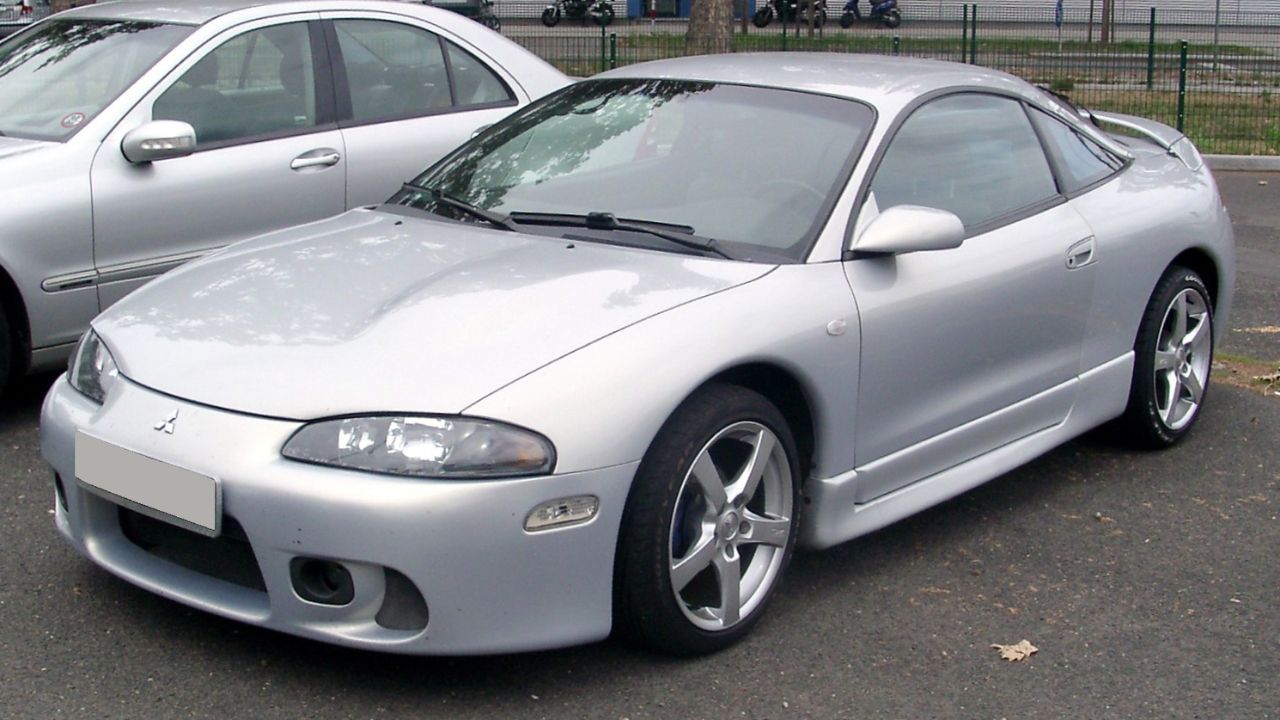
The Mitsubishi Eclipse GSX, particularly the first and second generations in the 90’s, left its mark through sheer purpose and a serious punch. It brought together all-wheel drive traction, sharp precision, and an unmistakable style that made it a favorite among those who valued road feel and boost. With strong lines and a grounded stance, it had presence before the key even turned. It was part of the legendary DSM (Diamond-Star Motors) triumvirate with the Talon and Laser, all powered by the legendary 4G63T turbo engine.
Once in motion, it revealed layers of grip and control that inspired confidence, especially when that turbo spooled up. It was a companion for drivers who paid attention to how a car responds, and how much power you could squeeze out of it with a few simple mods. The Eclipse name devolved into a front-wheel-drive convertible disgrace before vanishing entirely in 2012.
Reviving it today, with proper AWD and a powerful turbo engine, could bridge the gap between nostalgia and real performance. There is still space for a car that connects without compromise, a car that doesn’t need to be in a Fast & Furious movie to be cool. In fact, that would make it cooler at this point.
Volkswagen Corrado
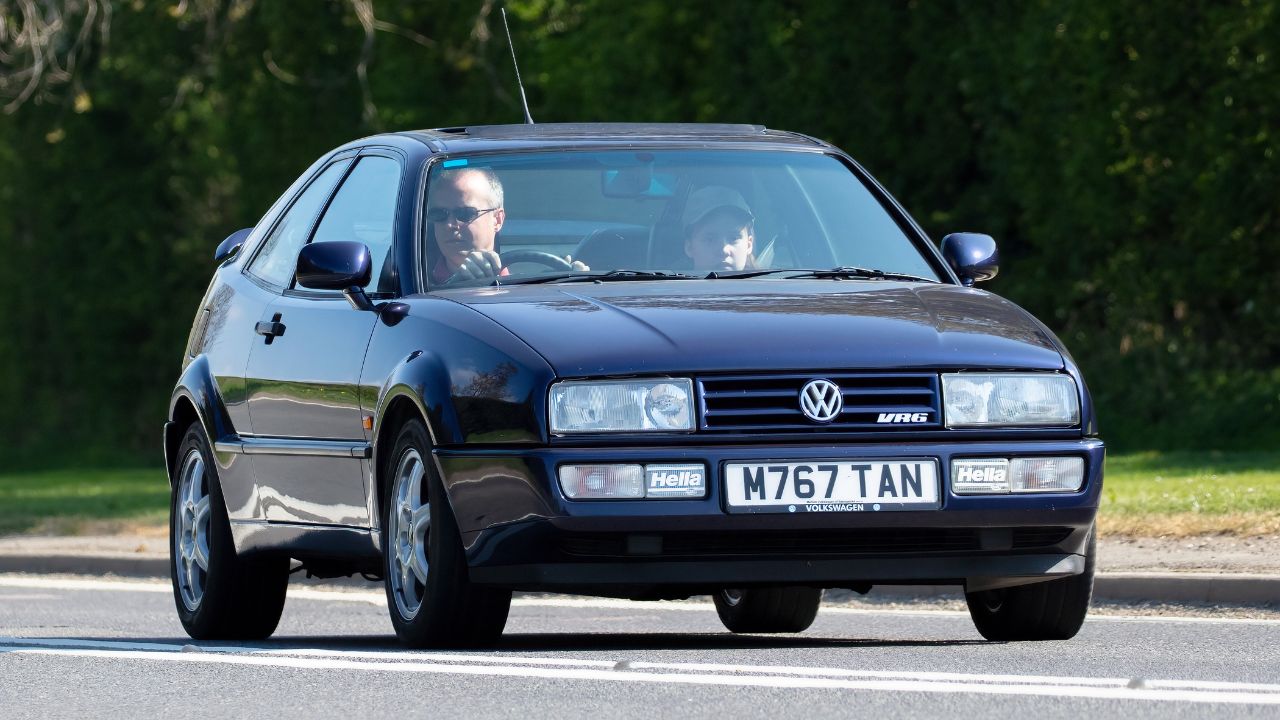
Bold and compact, the Volkswagen Corrado arrived with engineering that placed it firmly in its own category — a proper driver’s car from a brand that usually makes Golfs. Its unique shape stood apart, the interior felt focused, and the drive brought a kind of engagement that stayed long after the trip ended. This was a sophisticated hot hatch/coupe hybrid, famously featuring the quirky G60 supercharger or, for the truly enlightened, the glorious VR6 engine. It even had an active rear spoiler that popped up at speed, because why not?
This car felt alive in corners and steady in motion. It belonged to drivers who noticed small details and valued feel over flash. Volkswagen aimed to push its limits with this one, and for a while, it gloriously succeeded. The Corrado left quietly, suffering from high prices and VW’s general lack of commitment to anything too “fun,” but those who remember it often smile, and maybe shed a single tear, when the name comes up.
That alone says it should return; proof that VW could make a proper driver’s car before they started chasing sales charts with SUVs.
Saturn Sky

The Saturn Sky represented a brief, shining moment when the brand reached for something more expressive than plastic body panels and “no-haggle pricing.” It brought a proper roadster look with a clean layout, giving drivers an affordable way to enjoy top-down freedom. Sharing its Kappa platform with the Pontiac Solstice (and the European Opel GT), its proportions were sharp, and the seating felt more intimate than expected.
On open roads, especially in Red Line trim with its potent 260 hp turbocharged Ecotec engine, it created the kind of experience usually found in more expensive, European cars.
Saturn may be gone (RIP to the weird commercials, which had more personality than some brands’ entire EV fleets), but the idea behind the Sky still feels relevant. A modern version, perhaps with more actual Saturn-brand quirks, could pick up where it left off. Sometimes, one bold idea can say more than a whole lineup of beige sedans. It was the car that tried to save Saturn, but it was just too late.
Lincoln Mark VIII
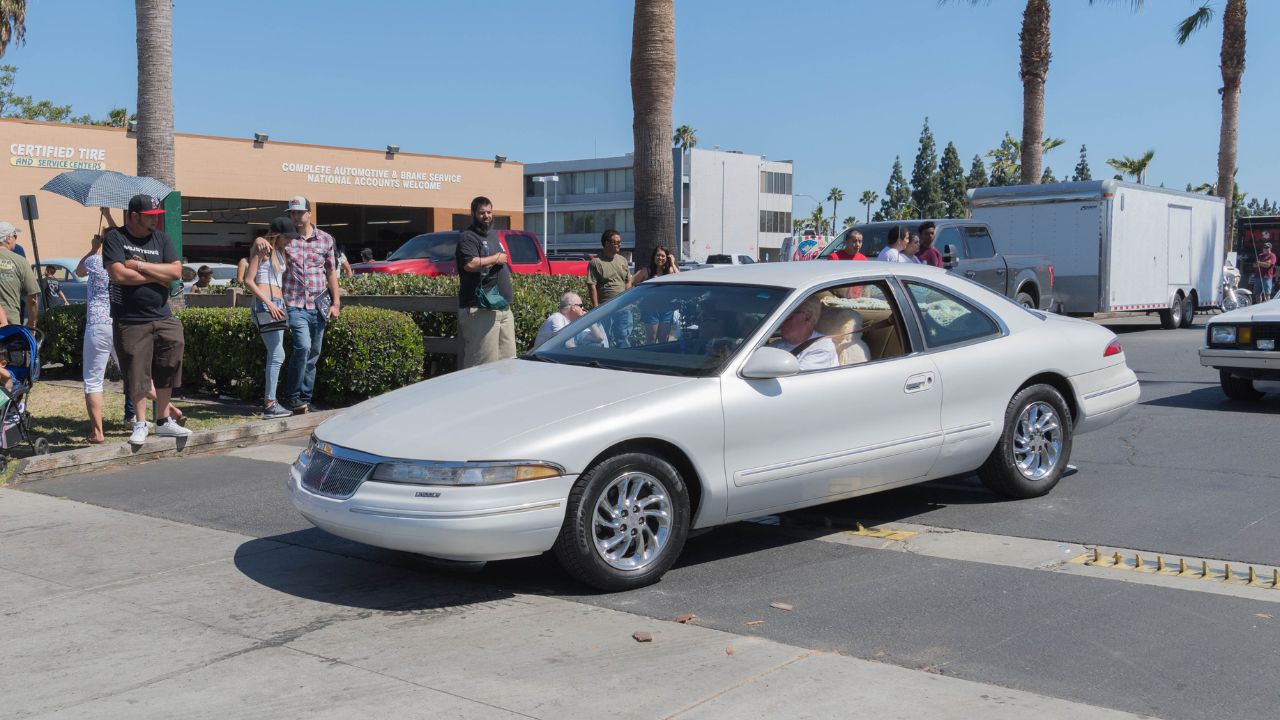
The Lincoln Mark VIII offered something that now feels rarer than a four-leaf clover at a car meet: American luxury with a true sense of motion and actual style, not just bloated chrome. Its long, sleek profile, with hidden headlights and a distinct ‘coke bottle’ shape, glided across highways with calm, sophisticated precision.
Inside, it blended plush comfort with quiet confidence, offering a space that felt both refined and personal, powered by a silky smooth 4.6L InTech DOHC V8 (shared with the Mustang Cobra, believe it or not).
It never needed to shout to make an impression; it simply commanded it. Lincoln shaped it for a certain kind of driver, one who appreciated quiet strength, effortless travel, and maybe a discreet game of golf. That kind of presence is almost impossible to find today, replaced by anonymous luxury SUVs.
A return could add fresh elegance to a world chasing complexity and over-the-top grille designs. It was Lincoln’s last stand for cool before they started making Navigator clones and sad, anonymous sedans.
When the Road Still Misses Them
Time moves forward relentlessly, but some cars leave a gap in the automotive landscape that never quite closes. These models arrived with purpose, captured attention (at least among those who know what’s good), and then quietly stepped away, usually because some MBA decided they weren’t “synergistic” enough. They offered something the market simply did not replace, whether it was raw attitude, groundbreaking design, or a unique driving feel. Years later, their names still spark interest and curiosity among those who remember as we mindlessly wave our fingers around at gesture control screens and start up silently on even the coldest of days.
A revival could bring more than just nostalgia; it could reconnect drivers with the raw emotion often lost in today’s routines of “commute-to-charge.” These cars mattered not just because of how they looked, but because of how they made people feel. Honestly, I haven’t felt anything the past few years as more plastic-clad SUVs roll out of the factory (and then take up the entire road). Their stories are still being told, just not from the driver’s seat. Maybe one day, the return key will turn again, and we’ll get something other than a crossover. One can only dream, right?