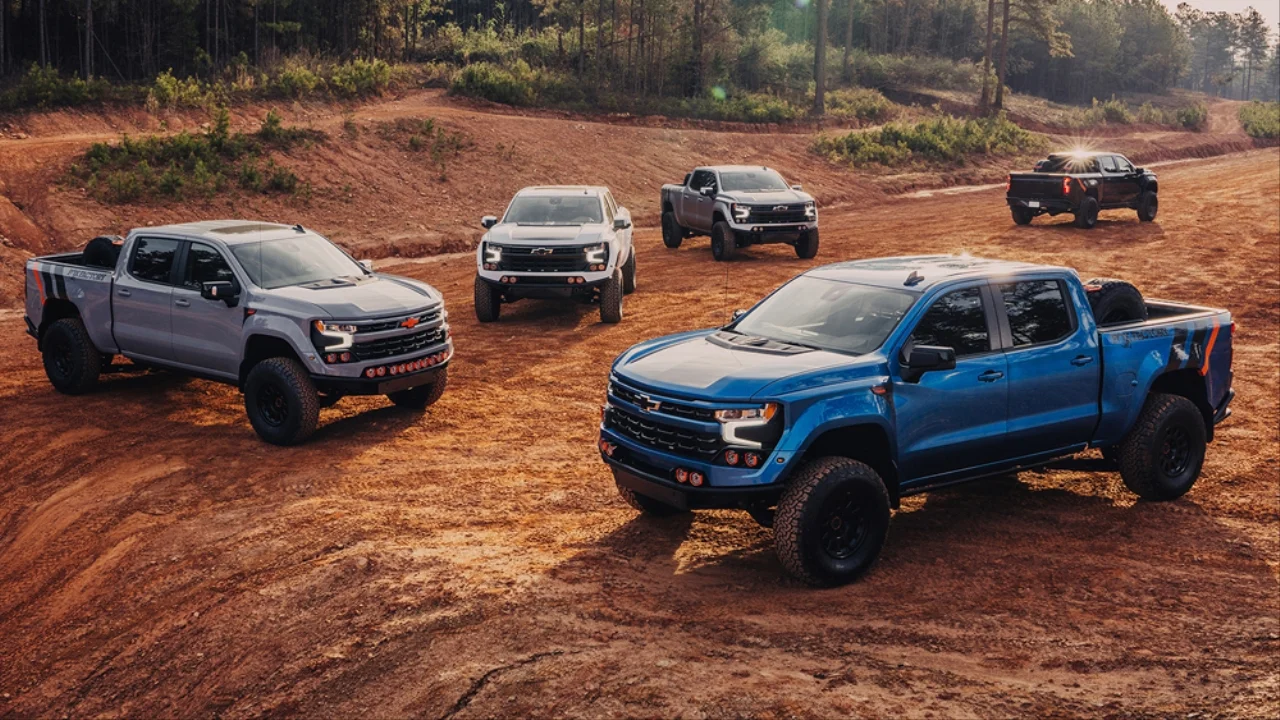
President Donald Trump has been proposing new emissions standards, which are due to come into effect by 2027 at the earliest. But the United States Environmental Protection Agency (EPA) is proposing to delay these by a further two years, as it would save automotive manufacturers nearly $2 billion in total.
The new rules are more of a concern for manufacturers building mostly internal-combustion powered cars, versus any form of hybrid or a fully-electric vehicle. These new emissions standards would apply to light and medium-duty vehicles, and they fall under what has been called the Tier 4 framework. The EPA wants it pushed back to 2029.
Much of this stems from the fact that the American consumer seems to largely be rejecting electric vehicles, or at the very least not taking to them as manufacturers expected. Incredibly, pushing back the new framework by just a couple of years could help companies save $1.7 billion.
With some automotive companies having invested quite heavily recently in internal combustion engine production, pushing back on the rules would make sense. It is up to the current administration to decide whether it wants to do that or continue to force through the new emissions standards.
What Is the EPA Proposing With the Emissions Rules?
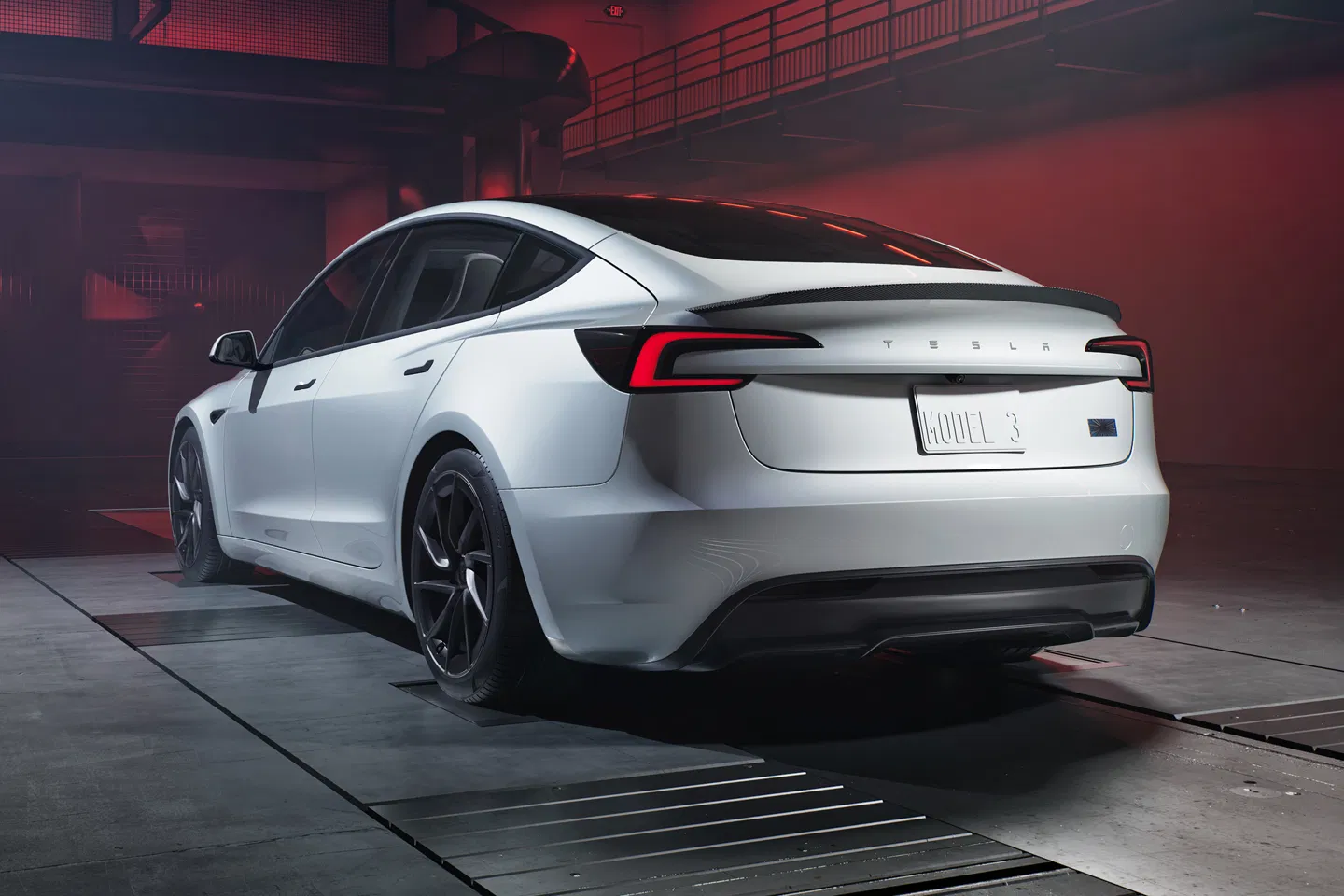
The proposal by the EPA recommends that the new rules be delayed from 2027 to 2029. That means that manufacturers would keep working under the current Tier 3 framework. This helps to deliver emission reductions of up to 8 percent, and this would carry on through the 2027 and 2028 model years.
The new Tier 4 rules aim to clamp down on emissions even more, but there is a catch. These were based on the assumption that EVs would make up a much more meaningful number of sales from 2027 onward, as manufacturers kept pushing for electric vehicle sales. Sadly, that hasn’t been the case, with American consumers not taking to EVs for various reasons, such as high asking prices and range anxiety.
Not wanting EVs forced upon them through legislation, consumers have simply kept to their current cars or just bought another gasoline-powered one. Even other alternatives, such as plug-in hybrids, haven’t fared so well. According to the Alliance for Automotive Innovation, the new Tier 4 rules just didn’t align with what was actually happening in the American market, hence the need to hit pause for a couple of years.
Manufacturers Don’t Seem To Be Complaining About the Proposal
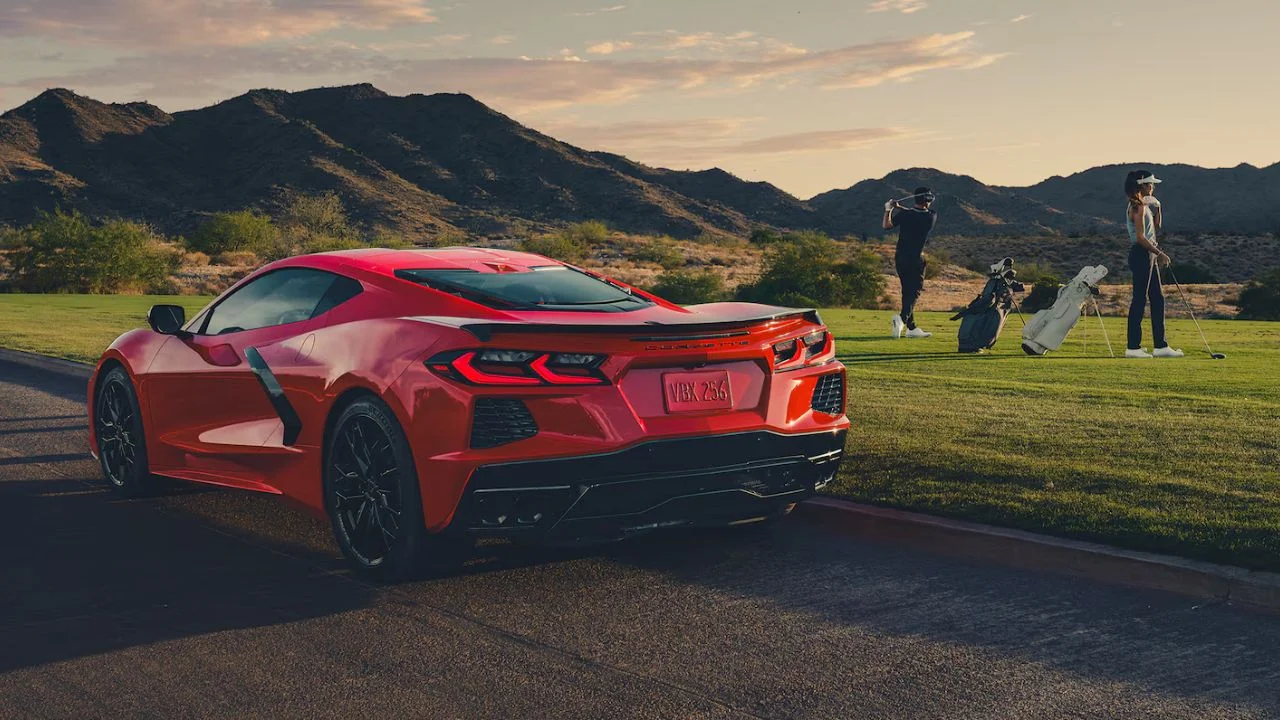
It doesn’t appear that the manufacturers are too bothered by the proposal that has been put forward. General Motors, for example, recently committed $4 billion towards internal-combustion engine production. Conversely, it has faced a $6 billion bill for rolling back on some electric vehicle investments.
Ford has also hit the pause on much of its electric vehicle development. It has cancelled plans for new electric SUVs, while the F-150 Lightning EV pickup truck has also been cancelled. Instead, the Blue Oval will offer an extended-range electric vehicle, or EREV, effectively a plug-in hybrid pickup truck, and not a battery-electric.
Stellantis has also changed its EV plans, scrapping the plug-in EV lineup it currently had, thanks to what it claimed was ‘weak consumer demand.’ There appear to be no plans to roll back entirely on Tier 4, which has targets for smog-forming pollution, fine particle pollution, carbon monoxide, formaldehyde, and vehicle fuel-vapor emissions.
This Is Why Americans Aren’t Enjoying EVs
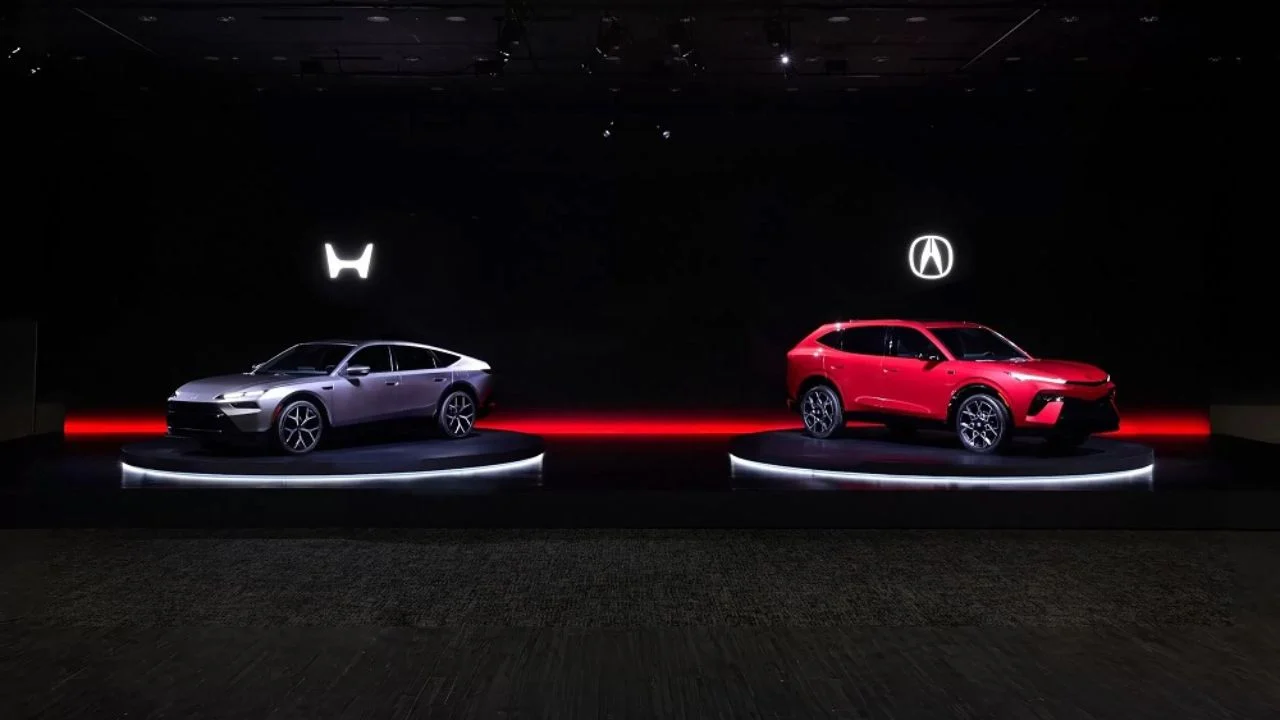
The biggest reason for hitting pause on the Tier 4 emissions standards comes from what the EPA and manufacturers are seeing in the market. By and large, Americans are not flocking to buy EVs, and seem to be committing to internal-combustion power still. The cost of new EVs, plus the fact that there is still plenty of range anxiety around, has all contributed to this. This is even though some EVs can travel for well over 400 miles now. It will be interesting to see if the EPA proposal goes through, or if their hand will be forced for 2027.