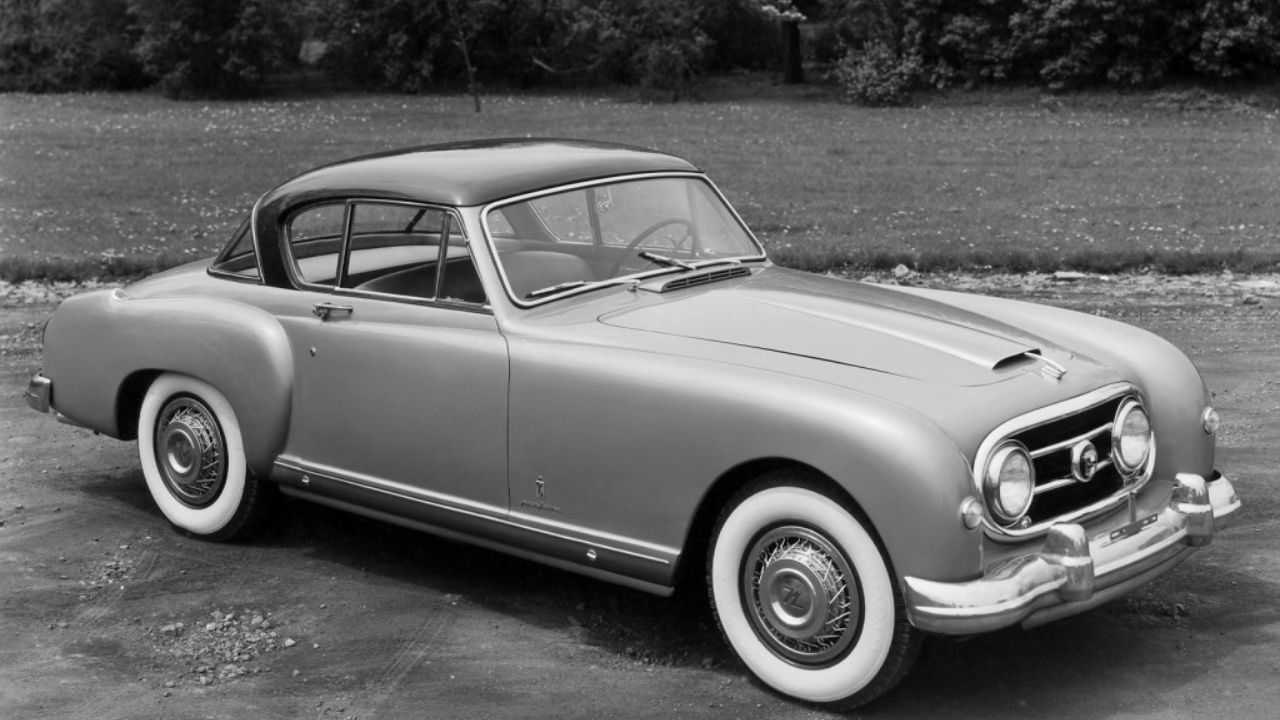
Most people have never heard of Nash Motors, and honestly, that is understandable. This relatively small automaker was based in Kenosha, Wisconsin. Nash Motors Company operated from 1916 to 1937 and then became the automotive division of Nash-Kelvinator from 1937 to 1954. In 1954, Nash-Kelvinator and Hudson merged to form American Motors Corporation (AMC).
Still, Nash shows up next to several major milestones in U.S. automotive history. The brand is often credited with early innovations such as introducing an integrated heating and ventilation system in 1938, early unitized body construction in 1941, offering seat belts in 1950, and launching a U.S.-built compact car in 1950.
But Nash is also tied to one especially fascinating footnote. It built a true sports roadster, and while it was not fully American in the way the marketing wanted people to believe, it became an important stepping stone for what came next.
George Mason And A Different Strategy
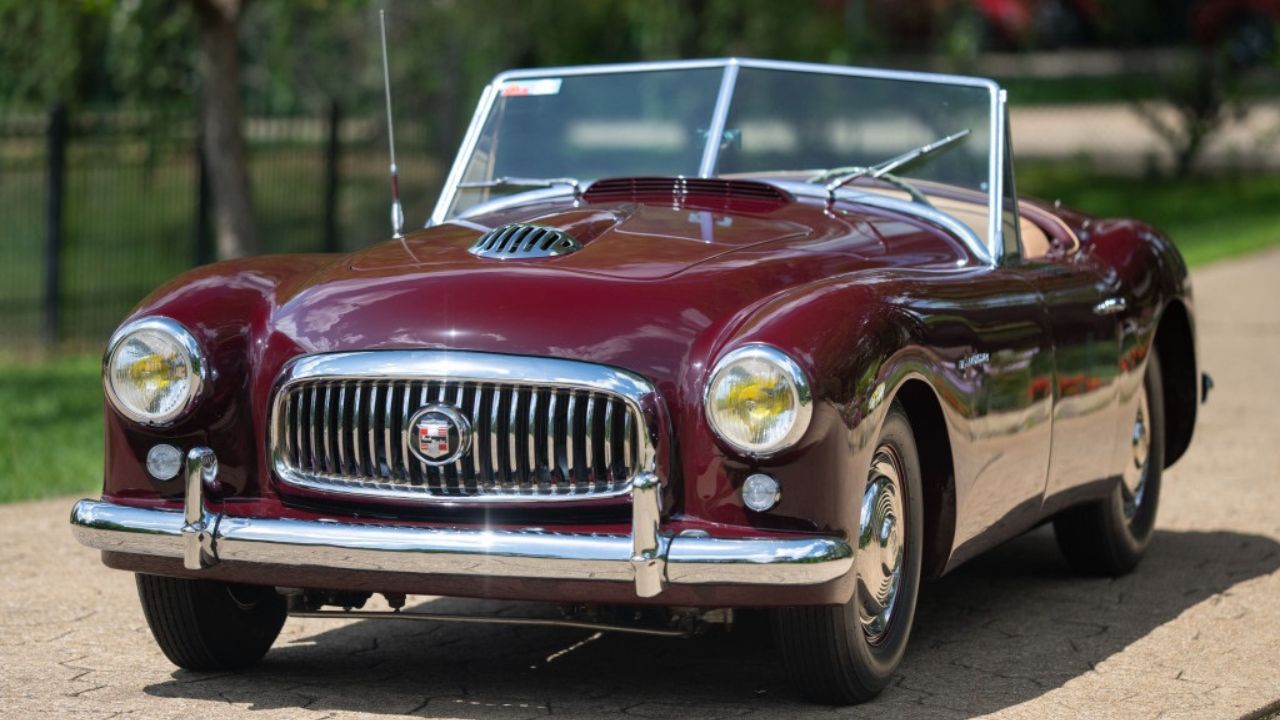
The figure behind what would become the Nash Healey was George Mason. He became well known as the president of appliance maker Kelvinator, and he entered the auto world when Nash Motors merged with Kelvinator in 1937 to form Nash-Kelvinator. Mason quickly realized Nash could not survive by fighting General Motors, Ford, and Chrysler head-on. Instead, he pushed Nash toward niches the Big Three were not taking seriously.
That strategy eventually led to a sports car project that was born in a surprisingly casual way.
A Chance Meeting On The Queen Elizabeth
History books say Donald Healey boarded the RMS Queen Elizabeth in 1949 bound for the United States, hoping to speak with General Motors about supplying Cadillac V8 engines for his Healey Silverstone. He was after Cadillac’s then-new 331 cubic inch V8, a 5.4-liter engine that would have given his car a major upgrade.
On the ship, Healey noticed a man taking photos and struck up a conversation about cameras. The man turned out to be George Mason. The talk shifted from photography to cars, and Healey explained his mission. Mason handed him a business card and told him to reach out if the GM negotiations fell through.
They did. With postwar Cadillac demand running hot, GM declined. Healey called Mason, and the two sides agreed to collaborate.
The First Nash-Healey And A Complex Build Process
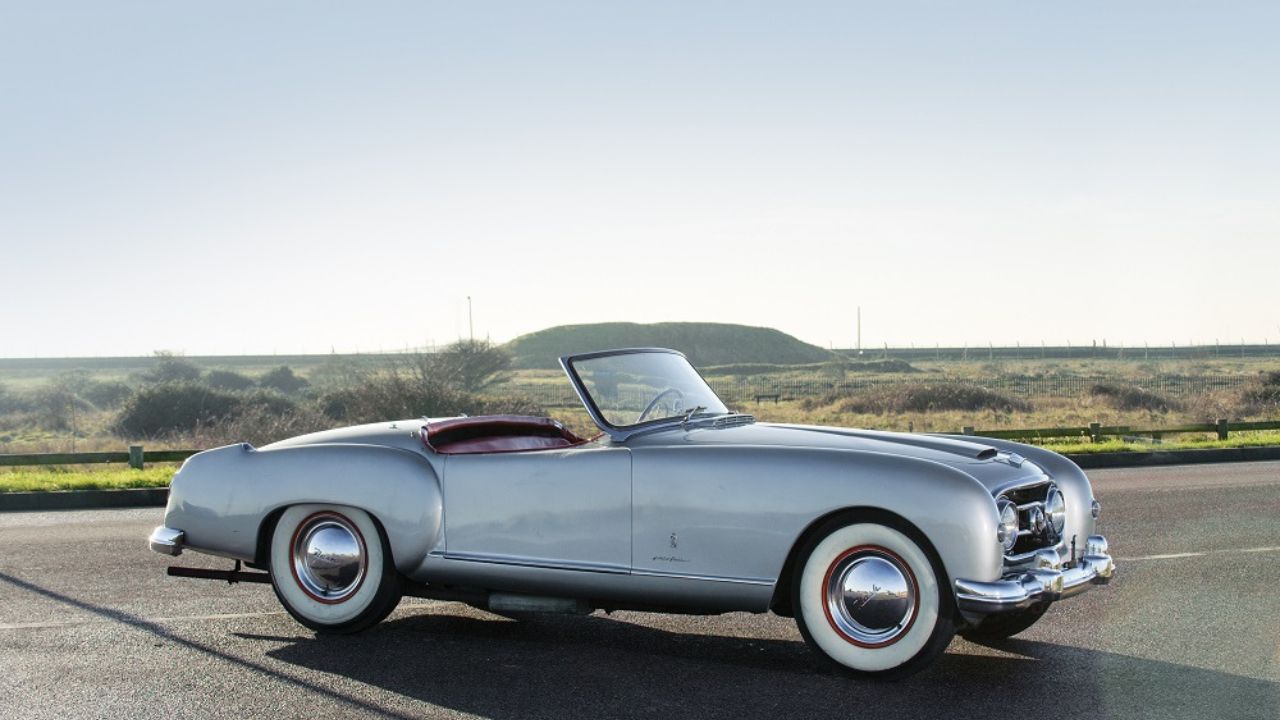
Donald Healey Motor Company was reportedly about £50,000 in debt at the time, and Mason agreed to supply Nash mechanical components and have Nash dealers sell the finished cars in the United States, with Healey paying for the parts after the cars were sold. Healey’s side would handle the bodywork. A prototype was shown at the Paris Motor Show in September 1950, and production followed a few months later.
The Nash Healey Series 25 is often described as the first postwar sports car from a major American automaker, arriving two years before the Chevrolet Corvette. The process was complicated. Nash supplied engines and driveline components to Donald Healey Motor Company in Warwick, England, where Healey built the chassis and completed final assembly. Panelcraft Sheet Metal fabricated the early roadster bodies, which incorporated Nash grilles, bumpers, and other trim to keep the car visually tied to the brand.
Because Nash did not have a V8, the car used an Ambassador-sourced inline six. It made 125 hp from 234.8 cubic inches, or 3.8 liters. A 3-speed manual with overdrive came from Borg Warner. Period tests reported 0 to 62 mph in about 12 seconds and a top speed around 103 mph. The starting price was $3,767, about $49,314 in today’s dollars, a shocking number at the time for a brand seen as mainstream. Only 104 were built for 1951.
Studied By Detroit And Restyled By Pininfarina
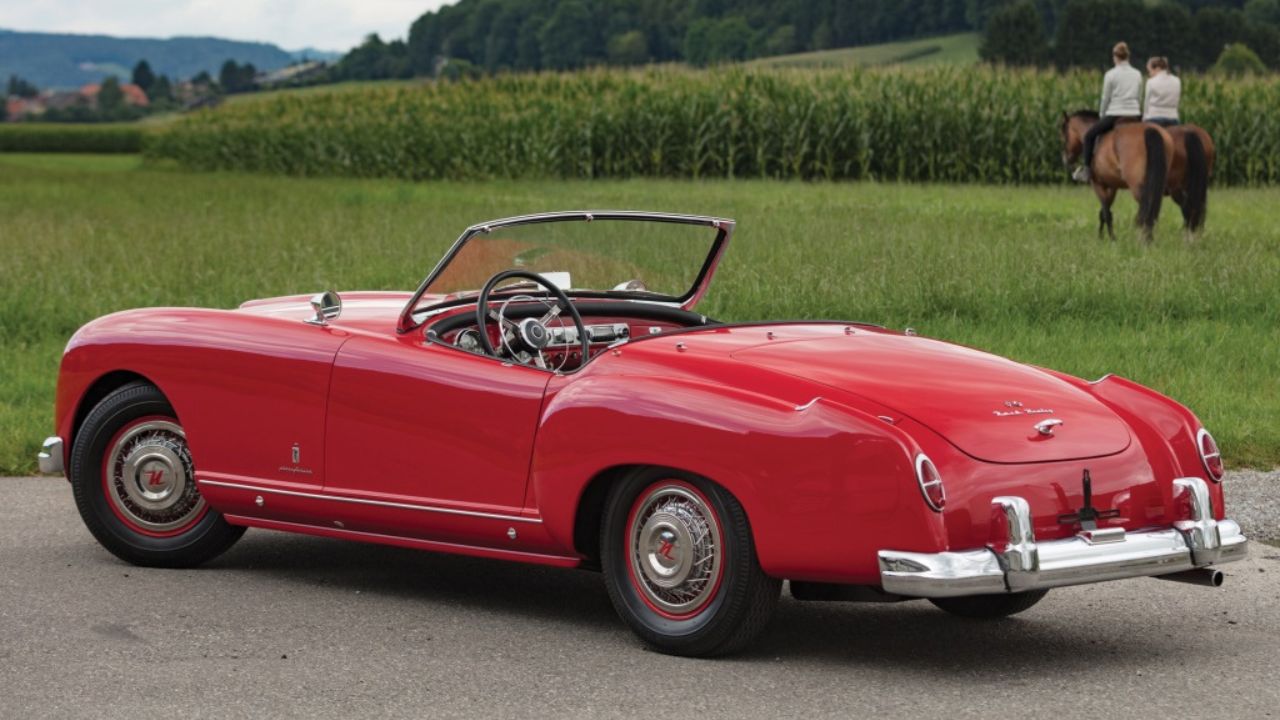
Even without strong sales, the car drew attention. General Motors and Chrysler reportedly bought examples to tear down and study, and an unofficial story claims that process helped spark early thinking that led to the Chevrolet Corvette. One car was also given to baseball star Ted Williams for promotion.
Mason believed the styling was holding the car back since it still resembled other Nash models. For 1952, he brought in Pininfarina, which was already working with Nash on other vehicles. The redesign gave the Series 25 a far more European look, and a larger 252 cubic inch, 4.1 liter engine arrived with 140 hp.
Production got even more globe-spanning. Nash shipped components to the UK, Healey built the chassis and installed the powertrain, and then the car went to Italy, where Pininfarina fitted the body and finished assembly. Costs soared, pushing the 1952 list price to $5,858. For context, the 1953 Corvette launched at $3,498. Despite the higher price, Nash Healey sales rose to 150 units for 1952, and the model earned real credibility by finishing third overall at the 1952 24 Hours of Le Mans.
The Coupe, The LeMans Edition, And The End
A coupe called Le Mans joined the lineup for 1953. It carried a $6,399 list price, but it did not bring meaningful mechanical changes beyond cosmetic details. Sales reached 162 units, yet Nash continued losing money on every car, largely due to shipping costs between continents. Eventually Nash could not pay Pininfarina for the bodies, and Healey moved on to other projects with BMC.
Remaining inventory was sold as 1954 models, and the program ended. Total production of the Nash Healey Series 25 stopped at just 506 vehicles.
Today, the 1951 cars tend to command the highest values because they look most distinct from later versions. A major collector, Leonard McGrady, reportedly owns 49 of them, and desirable examples can sell for more than $500,000. The Nash Healey will always live in Corvette’s shadow, but it helped open the door to America’s sports car era and proved that transatlantic collaboration could create something genuinely special.
This article originally appeared on Autorepublika.com and has been republished with permission by Guessing Headlights. AI-assisted translation was used, followed by human editing and review.