
The dream of owning a classic sports car doesn’t have to remain a fantasy reserved for those with deep pockets. While the headlines are dominated by six-figure auction prices for rare Ferraris and Porsches, there’s a thriving market of accessible classics that deliver genuine driving thrills without requiring a second mortgage.
These are the cars that prove you don’t need to spend a fortune to experience the raw, unfiltered connection between driver and machine that defined the golden age of sports cars. From nimble British roadsters to robust American muscle-influenced coupes, the right classic can be both affordable to purchase and reasonable to maintain.
Here are the best options for enthusiasts who want to join the classic car community without breaking the bank.
Mazda RX-7 (First Generation, 1978–1985; 1979–1985 in the U.S. market)
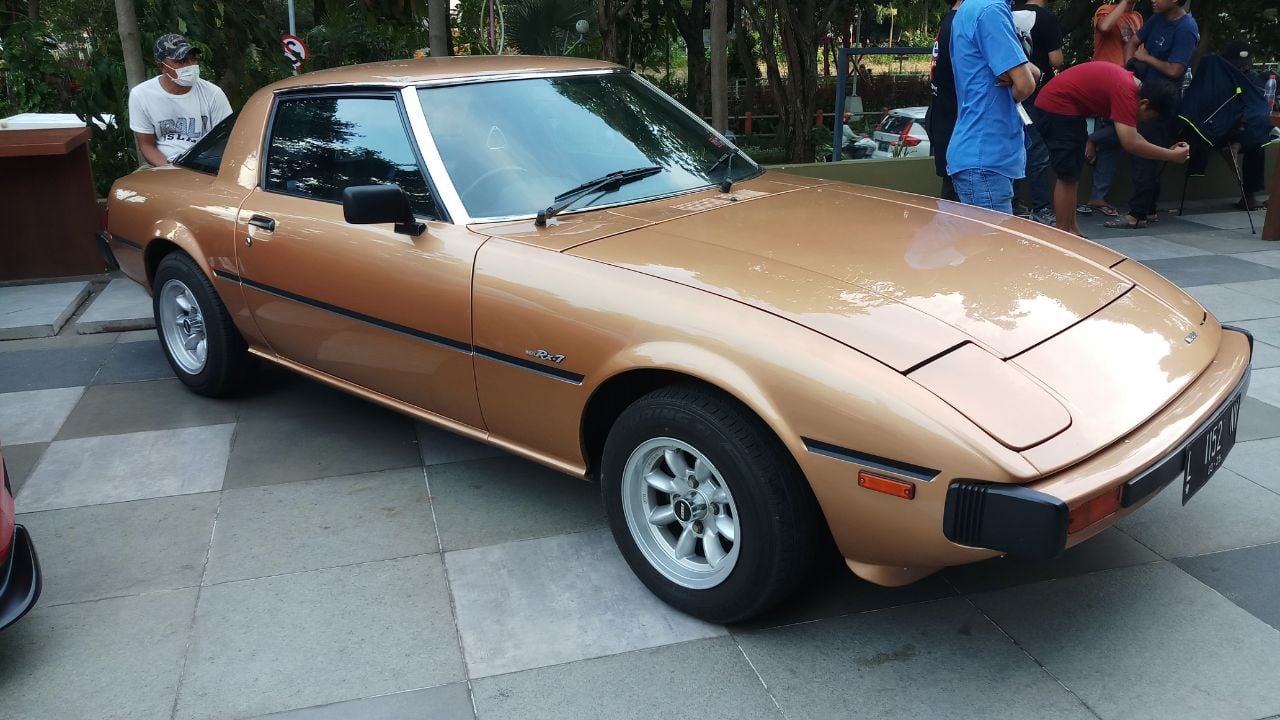
The original RX-7 remains one of the most undervalued sports cars of its era, offering a unique rotary engine experience at prices that still hover in the accessible range.
While clean examples have appreciated, you can still find decent first-gen RX-7s in the low-to-mid teens, with prices varying widely by rust, originality, and mileage, which is remarkably reasonable considering their performance credentials and distinctive character. The rotary engine’s smooth power delivery and high-revving nature create a driving experience unlike anything else from the period, and the car’s lightweight design means it handles with genuine precision. Parts availability is surprisingly good thanks to a dedicated community, though you’ll want to familiarize yourself with rotary-specific maintenance.
The styling has aged gracefully too, with those pop-up headlights and fastback profile still turning heads at cars and coffee gatherings.
Triumph TR6 (1969-1976)

Here’s a British roadster that combines classic looks with enough muscle to keep modern traffic from becoming frustrating.
The TR6’s 2.5-liter inline-six produces around 104 horsepower in US spec, which doesn’t sound impressive until you remember it’s pushing about 2,490–2,500 pounds (varies slightly by year/spec). Values typically range from $12,000 to $25,000 depending on condition, and unlike some British cars of the era, the TR6 has a reputation for being relatively straightforward to work on. The parts network is excellent, with both original and reproduction components readily available, and the active owner community means you’re never far from advice or assistance.
That distinctive Kamm tail design gives it an aggressive stance that photographs beautifully, and the sound of that six-cylinder engine on a country road is pure mechanical poetry.
Datsun 240Z (1969-1973)

Often called the Japanese E-Type, the 240Z proved that sports cars didn’t have to be temperamental or expensive to maintain while still delivering genuine performance.
Prices have climbed significantly in recent years, with good examples often trade in the tens of thousands, with the market spanning widely based on rust, originality, and restoration quality, but the car’s reliability and build quality make it worth the investment compared to European alternatives. The 2.4-liter inline-six was advertised around 151 hp (SAE gross), while SAE net output was lower (often listed around ~138 hp net depending on source/year) and actually starts when you turn the key, which was a revolutionary concept compared to some British contemporaries. The independent rear suspension and well-sorted chassis dynamics mean it’s still legitimately fun to drive on twisty roads today.
Rust is the main enemy, so focus your budget on finding a solid body rather than pristine cosmetics.
Porsche 924 (1976-1988)

This is the Porsche that enthusiasts love to overlook, which is precisely why it represents such good value for budget-conscious buyers.
You can find running examples starting around $5,000, with nice driver-quality cars in the $8,000-$15,000 range, making it the most affordable entry point into classic Porsche ownership. Yes, the 924 has a front-mounted four-cylinder engine and was built at the former NSU factory in Neckarsulm, Germany, but it handles like a proper Porsche thanks to excellent weight distribution and precise steering. The transaxle layout keeps things balanced, and the driving position is typically Porsche-perfect.
Parts are generally available and reasonable, and the Volkswagen-Audi engine components mean you’re not entirely dependent on Porsche’s parts network for everything.
Alfa Romeo Spider (1966-1993)

Few classic sports cars can match the sheer style-per-dollar ratio of an Alfa Romeo Spider, especially the later models from the 1980s.
The third-series cars (1983-1989) offer the best combination of modern reliability, parts availability, and affordable pricing, typically ranging from $10,000 to $20,000 for solid examples. That twin-cam four-cylinder engine delivers a characterful exhaust note and enough power to make the driving experience engaging, while the classic Italian roadster proportions ensure you’ll always arrive in style. The community support is strong, and while some parts are Alfa-specific, the mechanicals are straightforward enough for dedicated DIY enthusiasts.
Just remember that rust prevention is critical, and always check the floors and sills before buying.
MG MGB (1962-1980)

The MGB is perhaps the most beginner-friendly classic sports car you can buy, with a massive support network and parts availability that rivals modern vehicles.
Prices range dramatically from $5,000 for projects to $20,000 for pristine examples, giving buyers plenty of options to match their budget and skill level. The simple four-cylinder engine and basic chassis design mean almost anyone with a decent tool set can handle routine maintenance and repairs. What the MGB lacks in raw performance, it makes up for in pure top-down motoring joy and accessibility.
It’s the perfect first classic because even if you make mistakes during maintenance, replacement parts are cheap and readily available, and the enthusiast community is incredibly welcoming to newcomers.
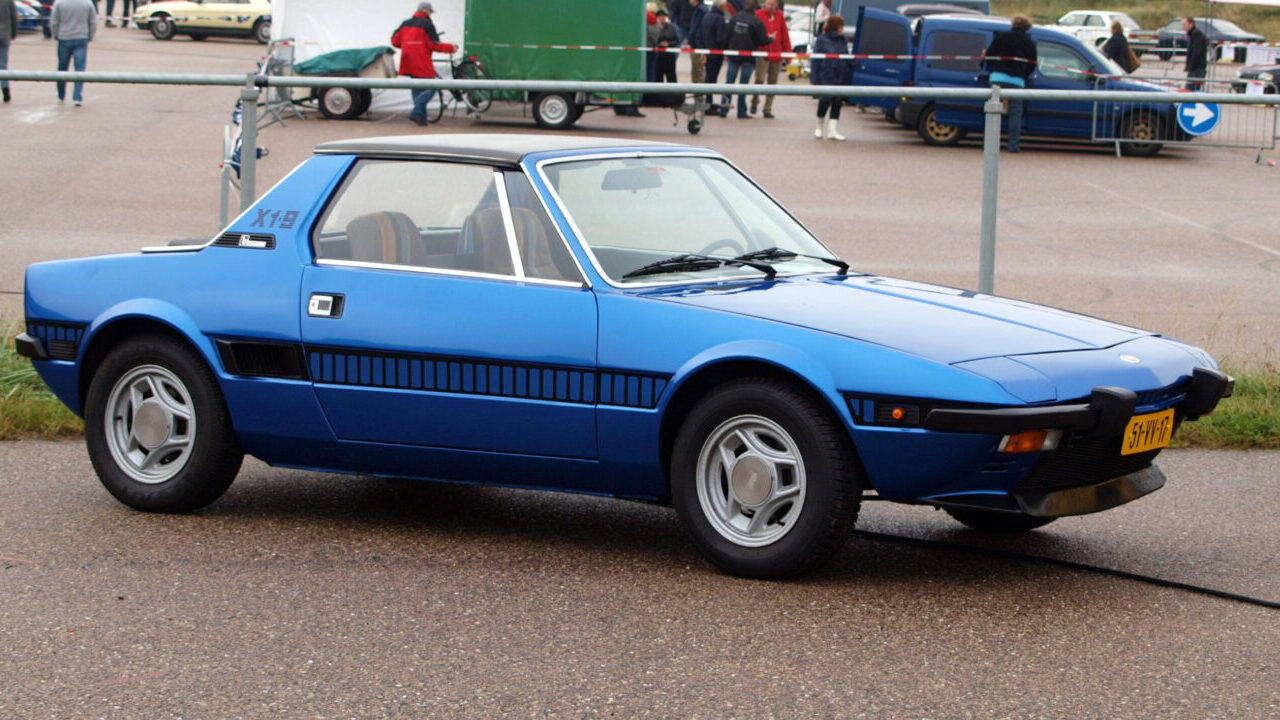
Fiat X1/9 (1972-1989)

This mid-engine Italian wedge is one of the most overlooked bargains in the classic sports car world, offering exotic car layout at economy car prices.
You can find decent examples in the $6,000-$12,000 range, though pristine cars command more. The mid-engine configuration provides handling characteristics that make the modest power output feel more engaging, and the targa top design offers open-air motoring with added structural rigidity. The Bertone styling still looks modern and purposeful today, especially with those pop-up headlights and aggressive angles.
Parts availability requires some dedication and knowledge of specialty suppliers, but the active owner groups have created comprehensive resources for maintenance and restoration.
Datsun/Nissan 280ZX (1978-1983)

While the 240Z gets all the glory, the 280ZX offers a more refined and comfortable driving experience at lower prices.
Good examples can be found in the $8,000-$18,000 range, and the later model year means you’re dealing with less severe rust issues compared to earlier Z-cars. The fuel-injected 2.8-liter inline-six produces about 135 hp (1979–1980) or about 145 hp (1981–1983) in naturally aspirated form (SAE net) and delivers smooth, reliable power with better fuel economy than carbureted alternatives. The interior is genuinely comfortable for longer drives, and features like air conditioning and upgraded audio were commonly available options, and many cars were equipped with them, but not all were standard, making it more livable as a regular driver.
Some purists dismiss it as too soft compared to the original Z, but that’s exactly why it remains affordable and practical for enthusiasts who want to actually drive their classics regularly.
Toyota MR2 (First Generation, 1984-1989)

Toyota’s first mid-engine sports car brought Japanese reliability to an exotic layout, creating one of the most practical classic sports cars you can own.
Prices for clean examples hover around $8,000-$15,000, which is reasonable considering the car’s reputation for bulletproof reliability and low maintenance costs. The 1.6-liter four-cylinder might only produce 112-128 horsepower depending on the year, but the lightweight construction and mid-engine balance create a driving experience that prioritizes handling over straight-line speed. Parts availability is excellent thanks to Toyota’s extensive dealer network, and many components are shared with other Toyota models from the era.
The wedge-shaped styling still looks purposeful today, and the pop-up headlights add that essential 1980s sports car character.
Volkswagen Karmann Ghia (1955-1974)
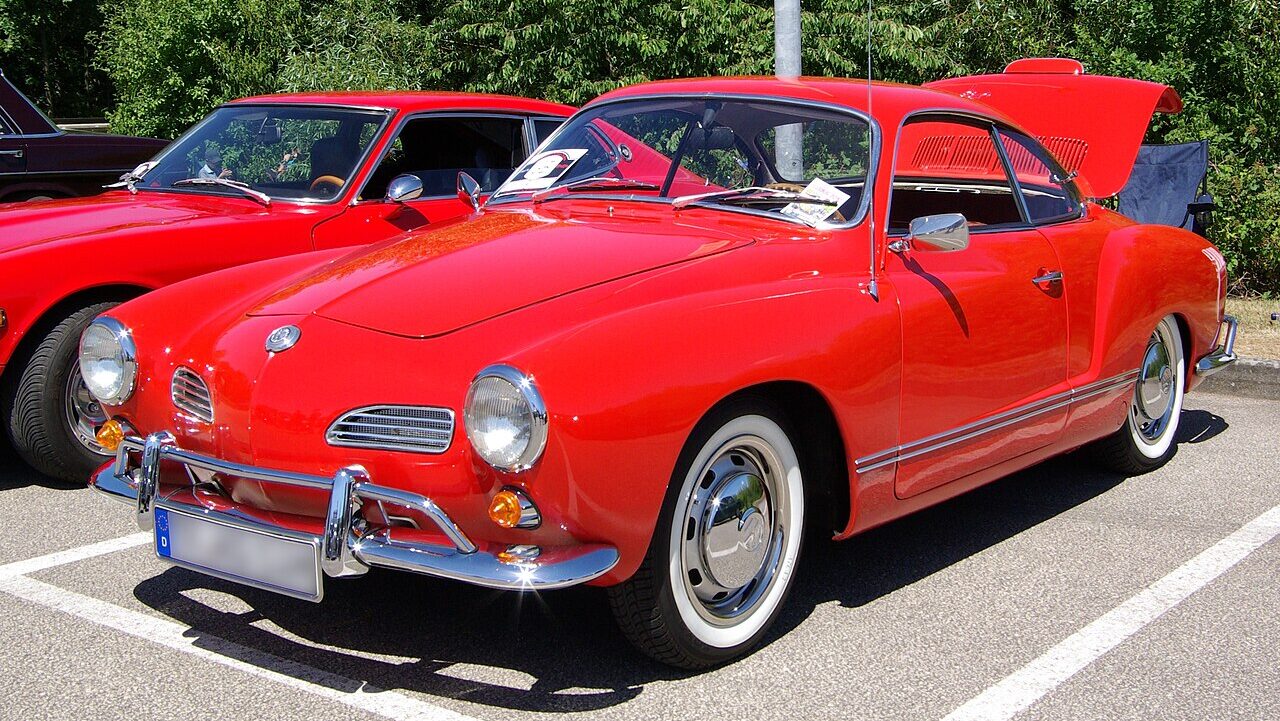
The Karmann Ghia proves that style and driving enjoyment don’t require high horsepower or complex engineering.
Built on the Beetle platform with gorgeous Italian coachwork, these cars typically sell for $12,000-$25,000 depending on condition and body style. The mechanical simplicity means maintenance is straightforward, and the massive VW parts network ensures you’ll never be stranded waiting for components. Performance is admittedly leisurely with the Beetle’s air-cooled four-cylinder, but the elegant proportions and refined driving experience create a different kind of satisfaction.
It’s a car that makes every journey feel special, even if you’re not breaking any speed records, and the build quality means well-maintained examples can be surprisingly reliable daily drivers.
Opel GT (1968-1973)
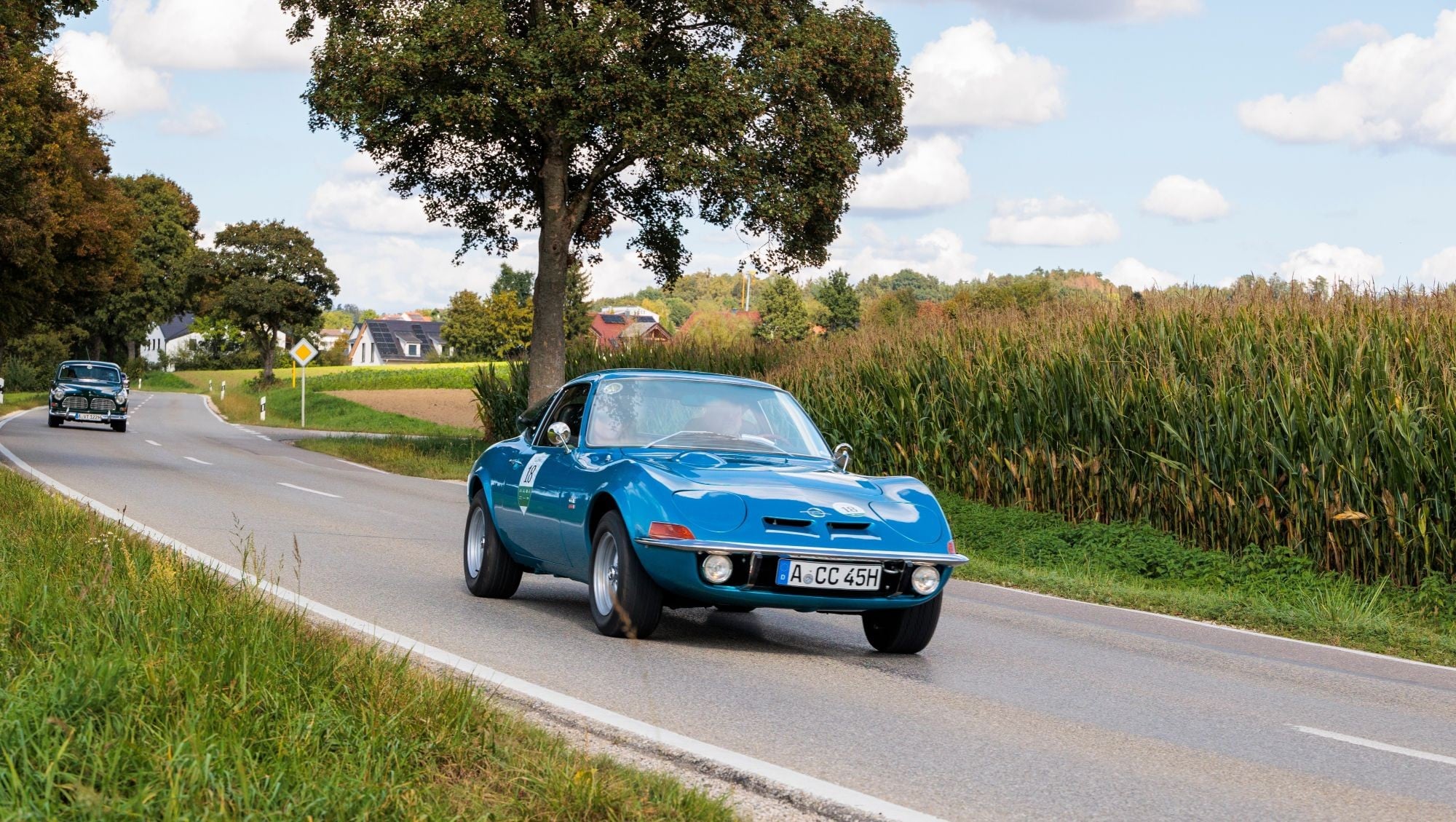
Image Credit: Werner Rebel / Shutterstock
This miniature Corvette from Germany is one of the most charming and distinctive sports cars of its era, with styling that still captivates today.
Prices remain surprisingly reasonable, with decent examples available in the $10,000-$18,000 range, though pristine restorations command more. The manually-operated pop-up headlights are a mechanical marvel that never gets old to operate, and the fastback profile creates a silhouette that’s instantly recognizable. Power comes from a 1.9-liter four-cylinder producing around 90 horsepower, which is adequate for the car’s 2,100-pound curb weight.
Parts availability requires some hunting through specialty suppliers, but the dedicated owner community has excellent resources, and the mechanical simplicity means many repairs are within reach of intermediate-skill DIY mechanics.
Mercury Capri (1979-1986)

The 1979–1986 Mercury Capri was Mercury’s Fox-platform pony car, closely related to the 1979–1986 Ford Mustang but styled with its own front and rear treatments, creating an undervalued classic that’s easy to maintain.
These cars fly under the radar, with prices ranging from $4,000 to $12,000 for good examples, making them one of the most affordable classic sports cars available. The turbocharged four-cylinder and V6 models offer genuine performance, while the simple Ford mechanicals mean parts are abundant and affordable. The hatchback design is practical, and the 1980s wedge styling has aged into something genuinely interesting rather than merely dated.
It’s never going to be a high-dollar collectible, which means you can enjoy it without worrying about preservation, and the Ford small-block V8 even bolts in if you’re looking for an affordable upgrade path.
Conclusion
The classic sports car market offers far more accessibility than many people realize, with numerous options that prioritize driving enjoyment over investment potential. These dozen examples represent just a fraction of the affordable classics available to enthusiasts willing to do some research and perhaps take on basic maintenance tasks.
The key is focusing on cars with strong community support, reasonable parts availability, and mechanical simplicity rather than chasing the most exotic or powerful options. Building a relationship with these cars through hands-on maintenance creates a connection that modern vehicles rarely match, and the skills you develop become part of the ownership experience.
Start exploring local classifieds and enthusiast forums, and you might be surprised at how quickly you can join the classic sports car community.