The 2026 Mustang GT is no slouch, reaching 60 mph in roughly the low 4-second range depending on configuration, and its top speed is typically governed to about 155 mph. We are talking about the standard GT here, which is still impressive. But here’s the thing: some classic cars from the golden age of automotive engineering can still give it a run for its money.
These vintage speed machines prove that raw performance isn’t just a modern invention; it’s been around since the days of carburetors and cassette players.
Porsche 959 (1986 to 1988, with a small batch completed in 1992 to 1993)

This German supercar was so advanced it basically invented the blueprint for modern performance vehicles.
With a 0-60 time of 3.6 seconds and a top speed of 197 mph, the 959’s twin-turbo flat-six and all-wheel-drive system delivered performance that still holds up nearly 40 years later.
Ferrari F40 (1987-1992)

Enzo Ferrari’s last approved project was built to celebrate the company’s 40th anniversary, and it didn’t mess around.
The F40 is often quoted at about 201 mph at the top end and around the high 3-second range to 60 mph, and it is widely cited as one of the first production cars to cross the 200 mph mark. Published tests and definitions vary, though, and some outlets also credited the Ruf CTR with an even higher top speed around the same era.
Lamborghini Countach 5000 Quattrovalvole (1985-1988)
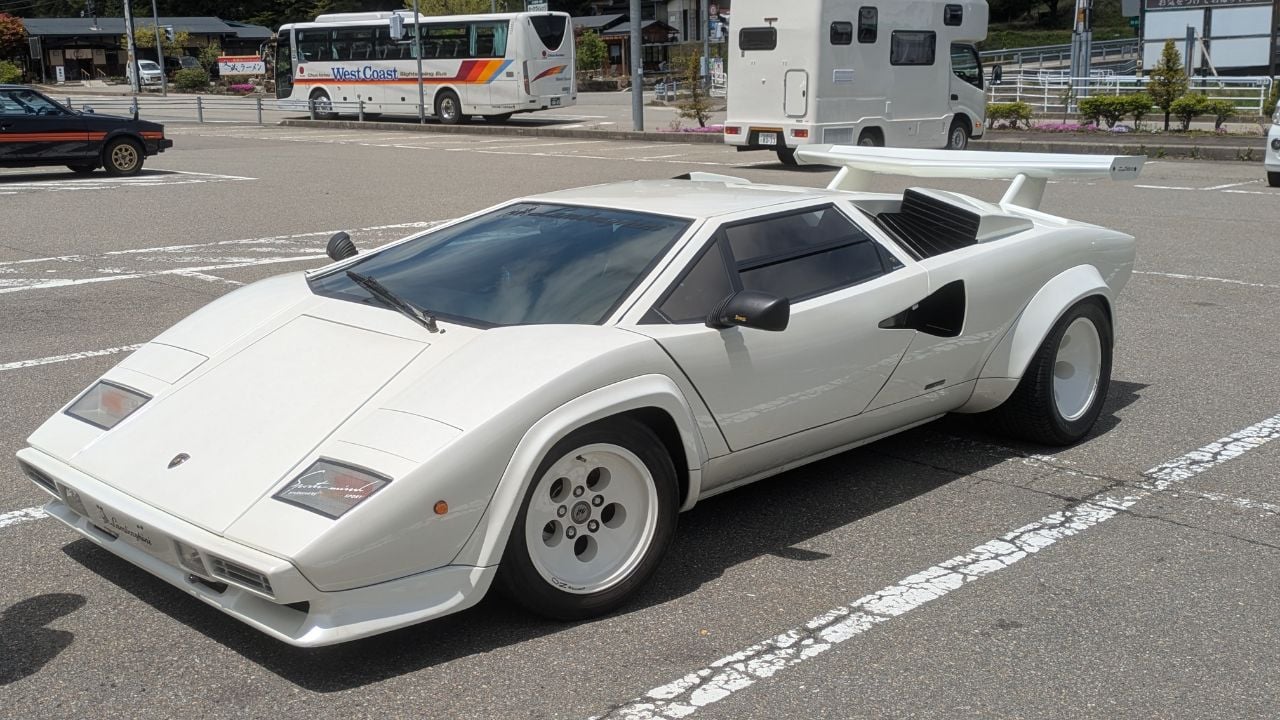
The poster car of the 1980s wasn’t just about looks; its 5.2-liter V12 meant business.
This version of the Countach managed 0 to 60 mph in roughly the low 4-second range and had a top speed commonly listed around 183 mph, with a soundtrack that could wake the dead.
Porsche 911 Turbo 930 (1975-1989)

Known affectionately as the “widowmaker” for its tricky handling, the 930 Turbo packed a serious punch with its turbocharged flat-six.
Later models typically reached 60 mph in roughly the mid-4 to about 5-second range depending on the year and market, and top speed was around 160 mph depending on the specification, with enough turbo lag to make every acceleration feel like an event.
Ferrari 288 GTO (1984-1987)

Built to qualify for Group B racing, the 288 GTO was essentially a race car with license plates.
Its twin-turbo V8 delivered a 0 to 60 mph time often quoted around 5 seconds, with a top speed commonly listed around 189 mph, wrapped in one of Pininfarina’s most elegant designs.
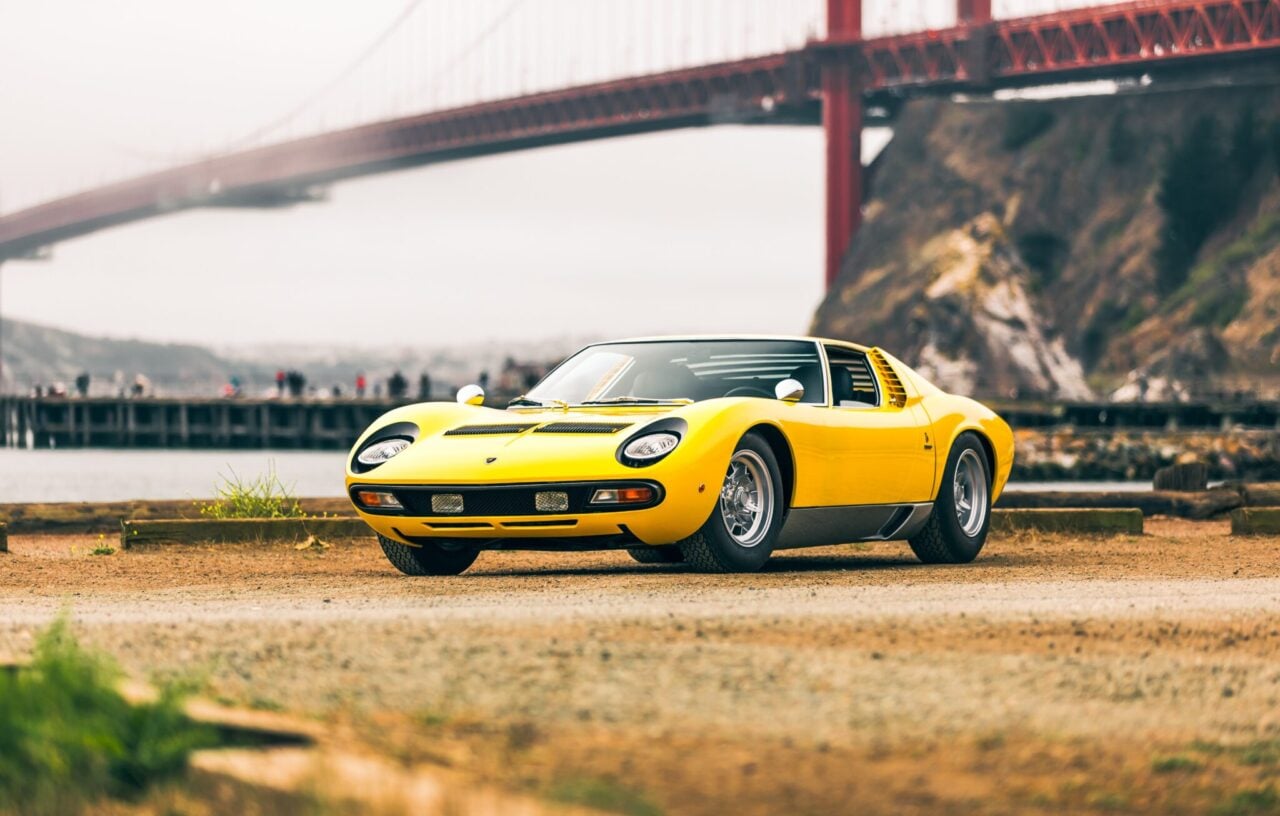
Lamborghini Miura P400 SV (1971-1973)

The car that defined the mid-engine supercar layout still impresses with its 4.0-liter V12.
The ultimate SV version could sprint to 60 mph in roughly the 6-second range in period testing, and its top speed is commonly listed around 180 mph.
Ferrari Testarossa (1984-1991)

With its iconic side strakes and flat-12 engine, the Testarossa was Miami Vice on wheels.
The 4.9-liter powerplant pushed it to 60 mph in 5.2 seconds and on to a top speed of 180 mph, making it one of the fastest cars of the 1980s.
Porsche 928 S4 (1987-1991)

Porsche’s front-engine grand tourer was meant to replace the 911, and while that didn’t happen, it proved itself plenty capable.
The S4’s 5.0-liter V8 delivered a 0 to 60 mph time often quoted around 5.1 to 5.5 seconds and a top speed around 165 mph for manuals, with automatics often listed slightly lower.
De Tomaso Pantera GTS (1972-1974)

An Italian body wrapped around Ford’s 351 Cleveland V8 created something special.
The GTS version is often quoted at roughly the mid-5-second range to 60 mph, and top speed is commonly listed around 160 mph, with some period figures higher depending on the test and specification.
Ferrari 365 GTB/4 “Daytona” (1968-1973)
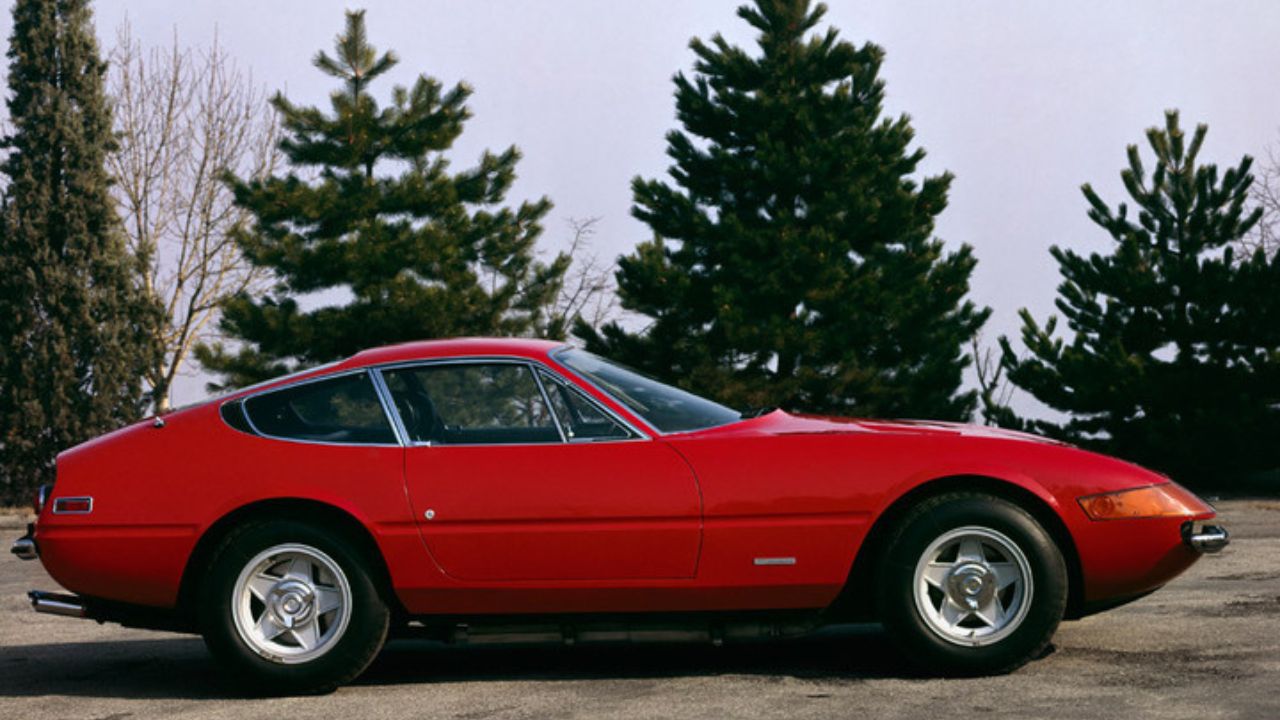
Named after Ferrari’s 1-2-3 finish at the 1967 Daytona 24 Hours, this front-engine V12 GT was beautifully fast.
It managed 0-60 in about 5.4 seconds and could reach 174 mph, making it one of the fastest cars of its era.
Lamborghini Jalpa (1981-1988)

Often overshadowed by its bigger siblings, the Jalpa was Lamborghini’s “entry-level” offering with a 3.5-liter V8.
It hit 60 mph in about 6.0 seconds but made up for it with a 155 mph top speed and classic wedge styling.
Maserati Bora (1971-1978)

Maserati’s first mid-engine production car featured a 4.9-liter V8 designed by Giulio Alfieri.
The Bora could reach 60 mph in roughly the low to mid 6-second range, and period top speed figures are often quoted in the low to high 160 mph range depending on engine and test, which made it a worthy competitor to any modern pony car.
The Last Lap

These classics remind us that speed isn’t just about the latest technology: it’s about engineering passion and pushing boundaries with the tools available at the time. While the 2026 Mustang GT benefits from decades of advancement in materials, aerodynamics, and electronics, these vintage performers achieved similar numbers with pure mechanical ingenuity.
The fact that cars from 40 to 50 years ago can still hang with modern muscle is a testament to the golden age of automotive performance.