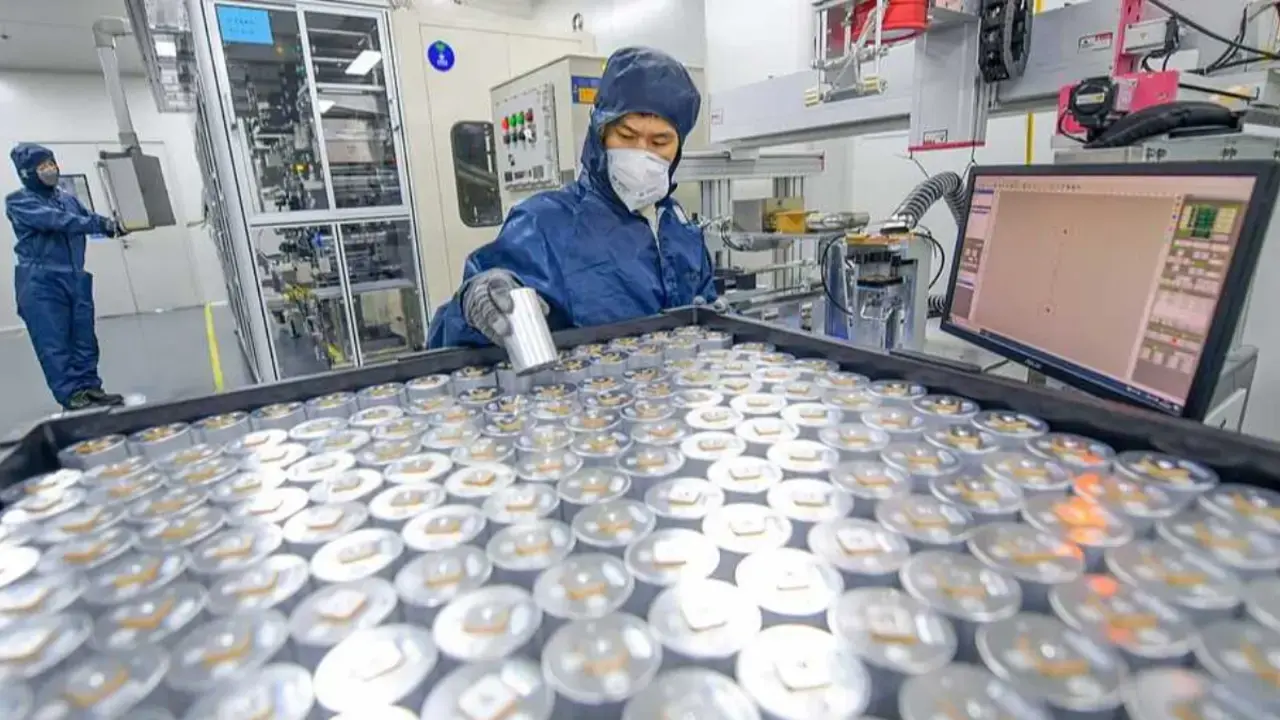
For years, lithium-ion batteries have dominated the electric vehicle industry almost uncontested. Now, China’s largest battery manufacturers are preparing to push an alternative chemistry into the mainstream much faster than many expected.
CATL, the world’s largest EV battery producer, says it plans to begin deploying sodium-ion batteries in passenger vehicles within the next few months. The move represents one of the biggest commercial steps yet toward reducing the industry’s dependence on lithium, particularly for lower-cost EVs and cold-weather applications.
The technology has been discussed for years as a potential complement to traditional lithium-ion batteries, but recent surges in lithium prices and ongoing supply-chain concerns appear to have accelerated development dramatically. Several major Chinese manufacturers, including BYD and EVE Energy, are now investing heavily in sodium-ion production capacity.
While sodium-ion batteries still lag behind lithium in outright energy density, the chemistry offers several advantages that could make it increasingly attractive for affordable EVs, commercial fleets, and energy-storage systems. Most importantly, CATL believes the technology is finally ready for real-world deployment.
Why Sodium-Ion Batteries Are Important
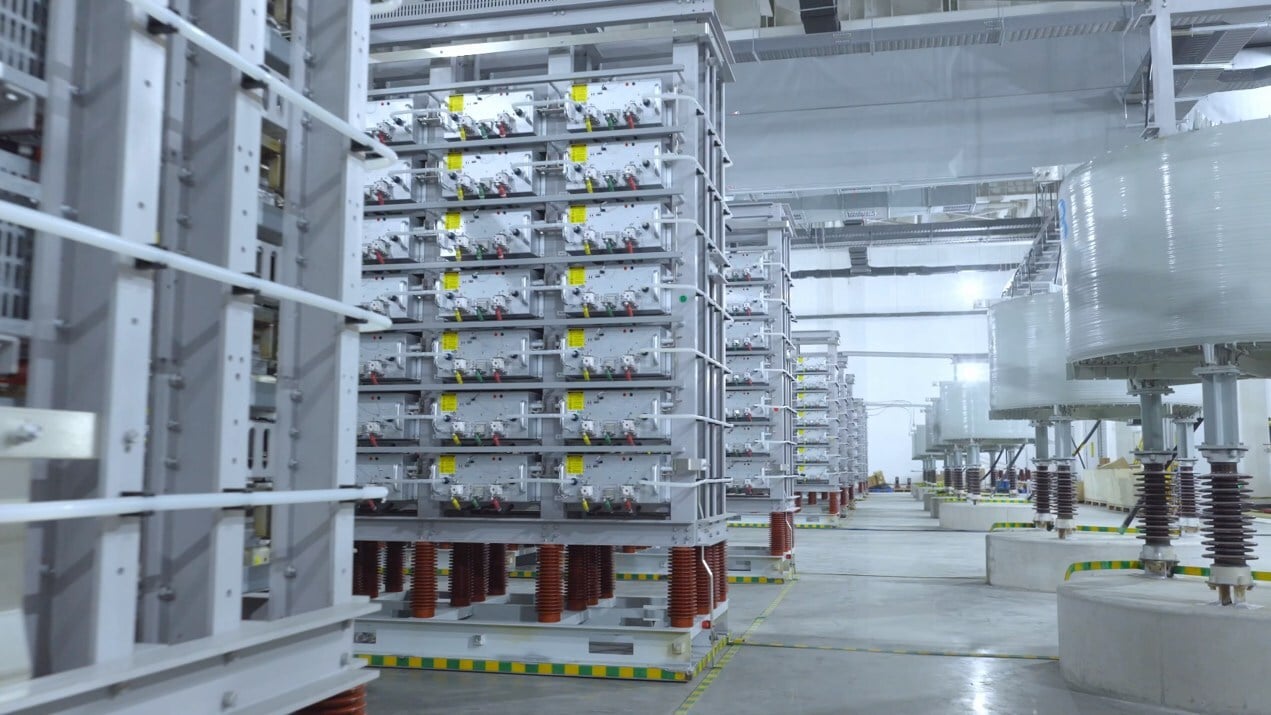
Sodium-ion batteries operate similarly to lithium-ion batteries but replace lithium with sodium, an element that is vastly more abundant and easier to source globally.
That’s important because lithium prices have become increasingly volatile as global EV demand continues rising. According to recent reports, lithium carbonate prices in China surged well above 150,000 yuan per ton earlier this year, putting growing pressure on automakers trying to build affordable electric vehicles.
Sodium offers a potentially cheaper alternative. Researchers estimate sodium-ion battery materials could eventually cost roughly 30% to 40% less than comparable lithium-based chemistries once production scales increase.
The technology also performs better in extremely cold temperatures, one of the biggest weaknesses of many current EV battery systems. Some sodium-ion prototypes reportedly retain more than 90% of their capacity at temperatures around -20°C, where many lithium iron phosphate batteries experience substantial performance losses.
That cold-weather durability could make sodium-ion batteries especially useful in northern China, commercial logistics fleets, and large-scale energy-storage systems operating in harsh climates.
CATL Is Preparing Passenger-Car Deployment
CATL has already launched sodium-ion battery systems for light commercial vehicles and energy-storage applications. Passenger-car deployment is expected to begin during the second quarter of 2026, with reports suggesting the Aion Y Plus may become one of the first production EVs to use the technology.
The company is also developing what it calls a “One Shell, Two Cells” architecture that allows battery packs to use either lithium-ion or sodium-ion cells within identical physical packaging dimensions.
That may sound like a minor engineering detail, but it could become extremely important for battery-swapping networks and large-scale EV infrastructure. Operators could theoretically deploy lower-cost sodium packs in colder regions while using higher-range lithium packs elsewhere without redesigning vehicle platforms or swapping stations.
CATL believes future sodium-ion systems could eventually achieve driving ranges approaching 600 kilometers per charge, though current versions remain more limited.
The company is simultaneously targeting another major milestone: durability. CATL and several suppliers reportedly aim to achieve 15,000 charge-discharge cycles for commercial sodium-ion systems, potentially enabling operating lifespans approaching two decades in some applications.
The Biggest Limitation Is Still Energy Density
Despite the excitement surrounding sodium-ion development, the technology still faces significant compromises compared to modern lithium-ion batteries.
The biggest issue is energy density. Current sodium-ion batteries generally range between roughly 100 and 170 Wh/kg, noticeably lower than lithium iron phosphate batteries and far behind high-performance nickel-rich lithium chemistries.
That means sodium-ion batteries are less suitable for long-range premium EVs where minimizing weight and maximizing driving range remain critical priorities.
Instead, analysts expect sodium-ion adoption to begin primarily in lower-cost city cars, commercial fleets, stationary storage systems, and cold-weather applications where cost, durability, and temperature resistance matter more than maximum range.
In other words, sodium-ion batteries are unlikely to replace lithium entirely anytime soon. The more realistic outcome is a parallel battery ecosystem where different chemistries serve different market segments.
China Is Moving Faster Than The Rest Of The Industry
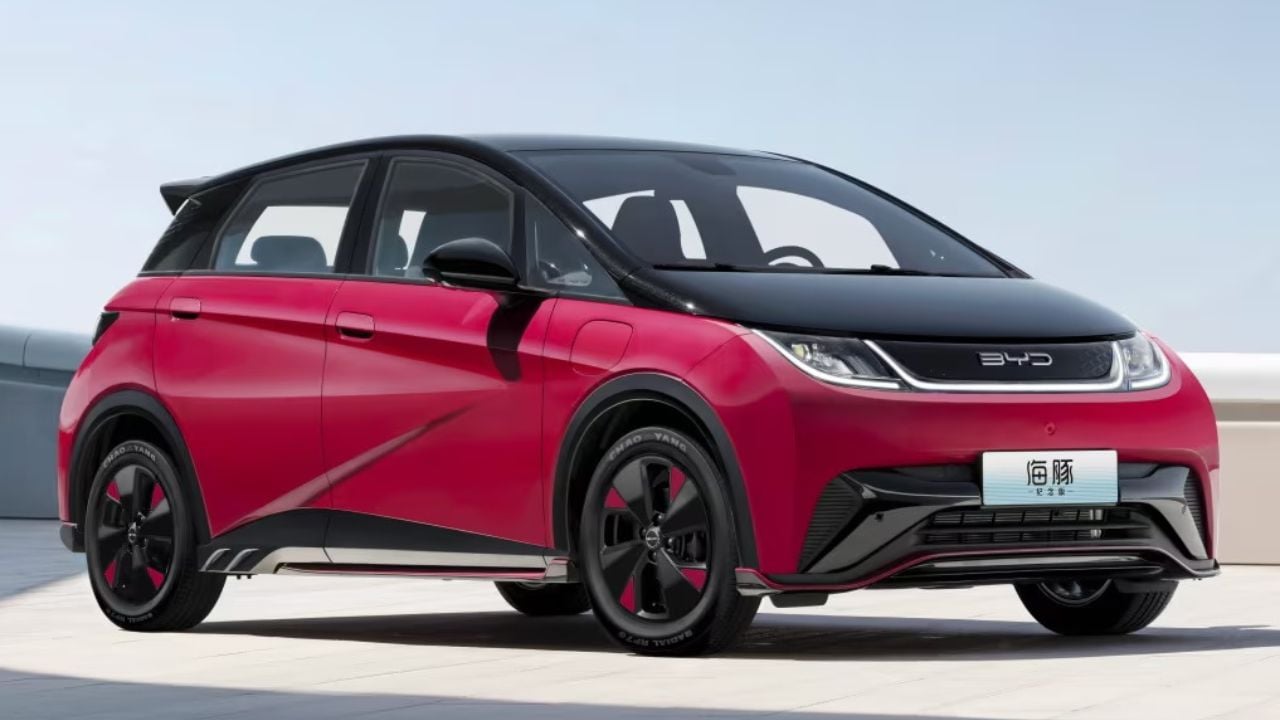
China’s battery industry appears especially aggressive about accelerating sodium-ion commercialization. BYD has reportedly commissioned a 30 GWh sodium-ion production line, while other suppliers are rapidly expanding material and component manufacturing capacity.
Industry analysts estimate global sodium-ion shipments reached roughly 9 GWh in 2025, representing enormous year-over-year growth despite the technology still being in its early commercial stages.
The rapid investment also reflects China’s strategy of reducing reliance on imported raw materials and strengthening domestic supply chains. Sodium’s abundance gives manufacturers far more flexibility compared to lithium, which remains geographically concentrated and politically sensitive.
For the EV industry, sodium-ion batteries may become one of the most important developments to watch over the next several years. They may not power high-end super EVs anytime soon, but they could dramatically reshape affordable electric transportation and energy storage if production costs continue falling.
After years of being treated as an experimental side project, sodium-ion technology is suddenly moving toward mass deployment far faster than many expected.