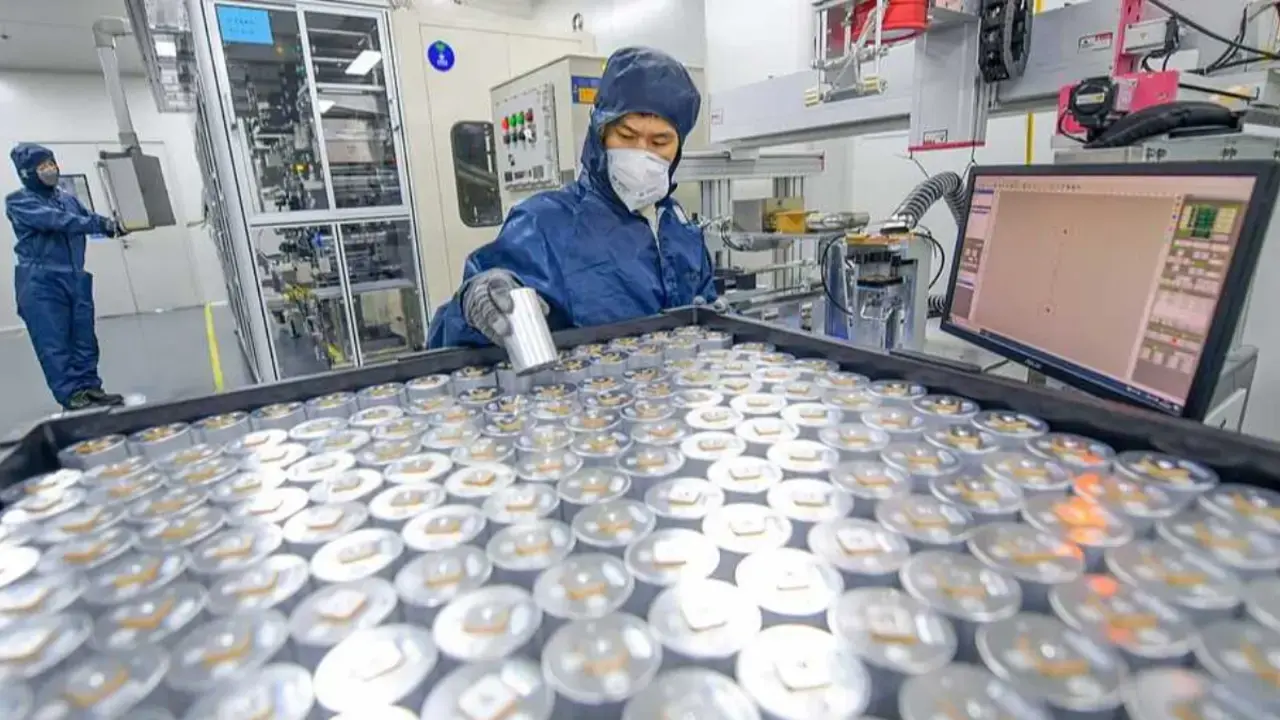
The race to develop the next generation of electric vehicle batteries is heating up, and CATL believes it may have found one of the industry’s most promising alternatives to lithium-ion technology. The Chinese battery giant has confirmed that mass production of its sodium-ion batteries will begin in 2026 after overcoming what it describes as the key manufacturing challenges that previously limited large-scale deployment.
The announcement marks a significant milestone for a technology that has long been viewed as a potential game-changer. Sodium is far more abundant and less expensive than lithium, offering manufacturers a way to reduce battery costs while easing concerns about supply chain constraints and critical mineral shortages.
CATL says its sodium-ion batteries could eventually deliver driving ranges of up to 600 kilometers (373 miles) while maintaining strong performance in extreme temperatures. If those targets are achieved, the technology could become a viable alternative to lithium iron phosphate (LFP) batteries in a growing number of vehicles.
The company is already preparing for commercial rollout across multiple sectors, including passenger cars, commercial vehicles, battery-swapping networks, and large-scale energy storage systems.
CATL Says Manufacturing Hurdles Have Been Solved
Speaking at the 2026 Equipment Powerhouse Forum, CATL Chief Scientist Wu Kai confirmed that the company has resolved the major production bottlenecks that previously prevented sodium-ion batteries from entering large-scale manufacturing.
According to CATL executives, engineers overcame several key challenges, including moisture control, hard carbon gas generation, aluminum foil bonding issues, and the mass production of self-generating anodes. The company says it addressed more than 100 separate engineering obstacles during development.
The progress follows years of investment in the technology. Chinese media reports indicate CATL has invested nearly 10 billion yuan (approximately $1.45 billion) into sodium-ion battery research and development. With manufacturing now ready to scale, the company plans to begin mass production during the fourth quarter of 2026.
Why Sodium-Ion Batteries Are Important
The biggest advantage of sodium-ion batteries is their reliance on widely available raw materials. Unlike lithium-ion batteries, they do not require lithium or several other critical minerals that have become increasingly expensive and strategically important.
CATL believes sodium-ion batteries could eventually cost around 30 percent less than comparable LFP batteries. Lower material costs could help reduce EV prices while also improving supply chain stability for automakers and battery manufacturers.
Another major benefit is cold-weather performance. CATL says its sodium-ion cells can retain roughly 90 percent of their capacity even in temperatures as low as minus 40 degrees Celsius, an area where many lithium-based batteries struggle.
The tradeoff remains energy density. Current sodium-ion batteries offer approximately 175 Wh/kg, which remains below many lithium-ion alternatives. That limitation is one reason why early applications are focused on smaller vehicles and commercial use cases.
Targeting More Than 370 Miles Of Range
Despite the energy density disadvantage, CATL believes significant improvements are still possible. The company says future sodium-ion battery systems could enable pure electric vehicles to travel up to 600 kilometers (373 miles) on a single charge. Extended-range hybrid vehicles could potentially achieve between 300 and 400 kilometers (186 to 249 miles) of electric-only driving.
Those figures would place sodium-ion technology much closer to mainstream lithium battery performance than many industry observers previously expected.
Initially, however, CATL expects the technology to appear primarily in affordable EVs, microcars, and compact passenger vehicles where lower battery costs are a major selling point.
Commercial Rollout Is Already Underway
CATL’s sodium-ion plans are no longer limited to laboratory testing. In late 2025, the company announced large-scale deployment plans covering energy storage, battery-swapping systems, passenger vehicles, and commercial transportation. Earlier this year, CATL introduced its Tectrans II commercial vehicle battery, described as the industry’s first mass-produced sodium-ion battery for light commercial applications.
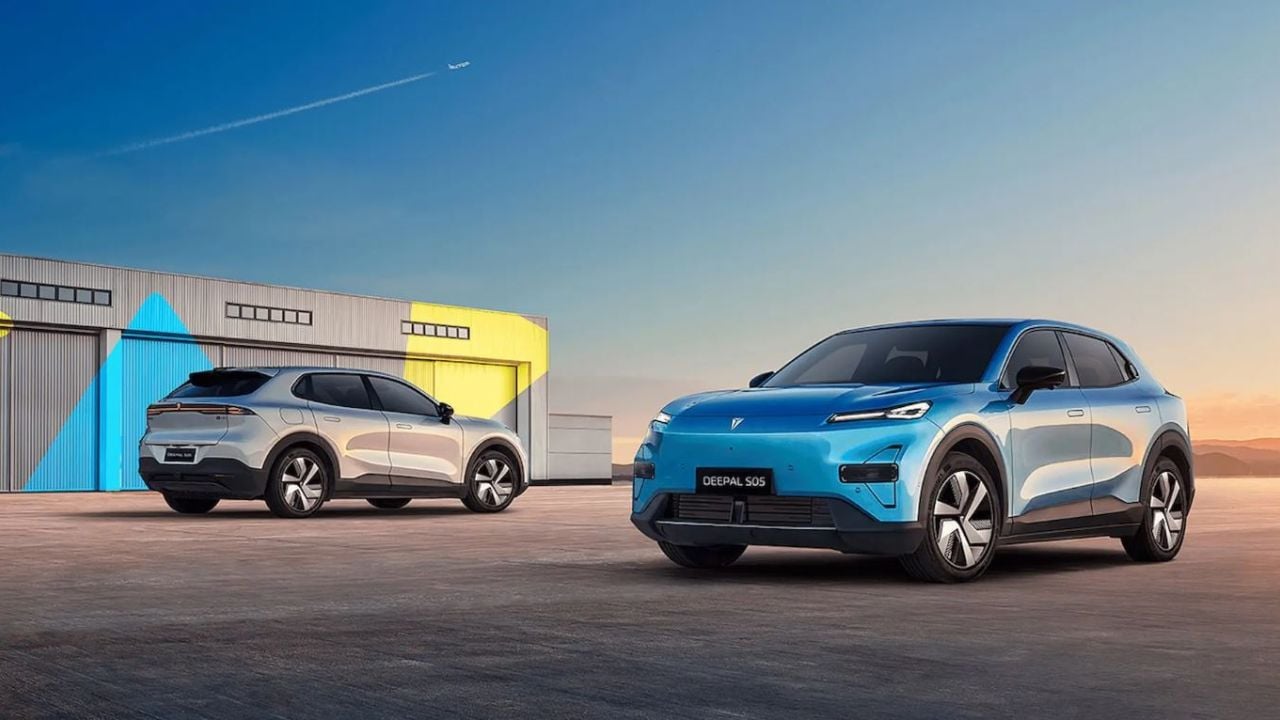
Passenger vehicles are also beginning to arrive. CATL and Changan Automobile have already unveiled what they describe as the world’s first mass-produced sodium-ion passenger vehicle, with sales expected to begin later this year.
Additional models are reportedly under development, including future sodium-ion variants of vehicles produced through partnerships with GAC and other Chinese automakers.
An Evolution In The EV Battery Market
CATL’s confidence in sodium-ion technology extends well beyond a niche market role. Company chairman Robin Zeng has previously suggested sodium-ion batteries could eventually replace between 30 and 40 percent of the existing battery market.
That prediction may sound ambitious, but recent developments suggest the technology is advancing faster than many expected. CATL recently secured what it claims is the world’s largest sodium-ion battery order, a 60 GWh agreement with energy storage specialist HyperStrong. The deal alone equals roughly half of CATL’s total energy storage battery shipments in 2025.
Whether sodium-ion batteries ultimately become a major rival to lithium remains to be seen. What is clear is that CATL is betting heavily on a future where EV batteries become cheaper, more resilient, and less dependent on scarce raw materials. If its production targets and range claims prove accurate, sodium-ion technology could play a much larger role in the next chapter of electric mobility.