The rapid growth of renewable energy has created unprecedented demand for large-scale battery storage systems. Around the world, utilities and governments are investing heavily in energy storage to stabilize power grids and support the transition away from fossil fuels.
As battery installations become larger and more complex, reliability has emerged as a major concern. Industry data suggests that a significant number of energy storage projects experience performance issues or delays before entering service, highlighting the need for more comprehensive testing and validation.
China’s CATL, already the world’s largest battery manufacturer, believes it has a solution. The company has officially opened what it describes as the world’s largest and most comprehensive energy storage testing facility, designed to evaluate battery systems under real-world conditions before they are deployed.
The new institute represents a major investment in the future of grid-scale energy storage and underscores the growing importance of battery technology beyond electric vehicles.
A $441 Million Facility Dedicated To Energy Storage
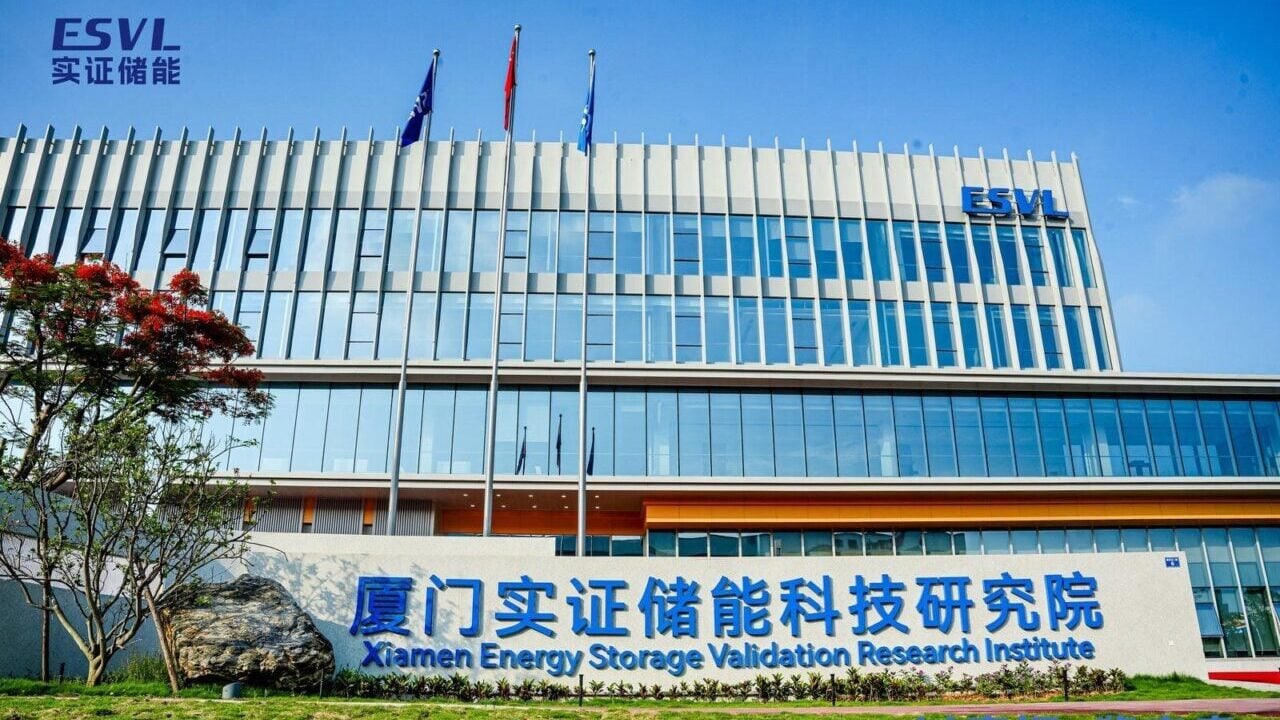
CATL’s new Energy Storage Validation Research Institute (ESVL) is located in Xiamen, China, and covers approximately 10 hectares.
The company invested around 3 billion yuan, or roughly $441 million, to build the facility. Unlike many testing centers that focus on individual battery cells or components, ESVL has been designed to validate entire energy storage systems at the station level.
CATL says the facility will operate as an open platform that can be used by energy storage companies, certification organizations, utilities, insurers, and regulators from around the world.
The goal is to provide independent and traceable performance data that can improve confidence in large-scale battery installations.
Industry Challenges Continue To Grow
According to CATL, the energy storage sector faces several significant hurdles as deployment accelerates.
The company cited industry data showing that nearly one in five large-scale energy storage stations fails to meet expected performance targets. In addition, almost half of all projects reportedly experience grid-connection delays of more than two months.
These challenges become increasingly important as battery storage moves from supporting individual facilities to becoming critical infrastructure for national power grids. CATL believes more rigorous testing before deployment can help reduce those risks and improve long-term system reliability.
Five Specialized Laboratories Under One Roof
The Xiamen facility includes five dedicated laboratories designed to test different aspects of energy storage performance.
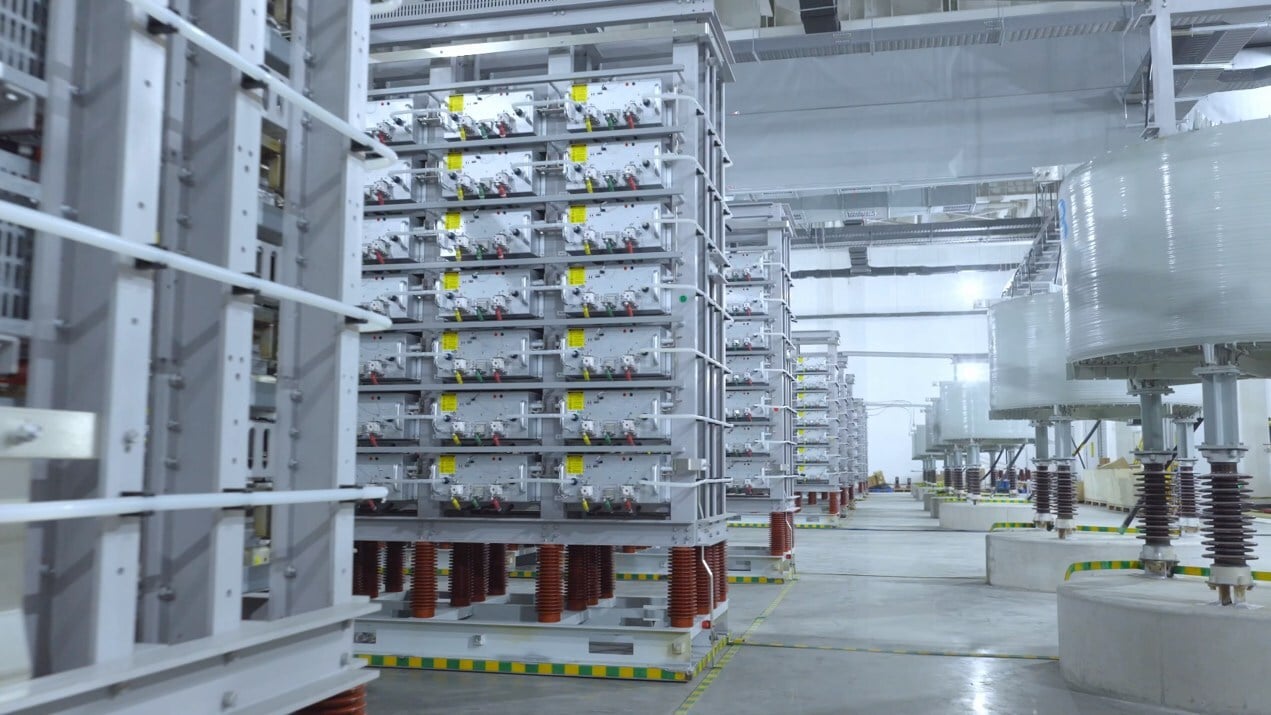
The grid integration laboratory features a 35kV and 100MVA grid simulator capable of evaluating more than ten large battery containers simultaneously. CATL says it can simulate complex power networks with up to 1,000 grid nodes.
A separate high-voltage safety laboratory focuses on testing systems operating between 1kV and 500kV while studying fire and explosion risks under extreme conditions.
The thermal safety and combustion laboratory is equipped with a massive 20MW calorimeter and enough space to conduct explosion testing on nine large battery containers at the same time.
Testing For Extreme Conditions
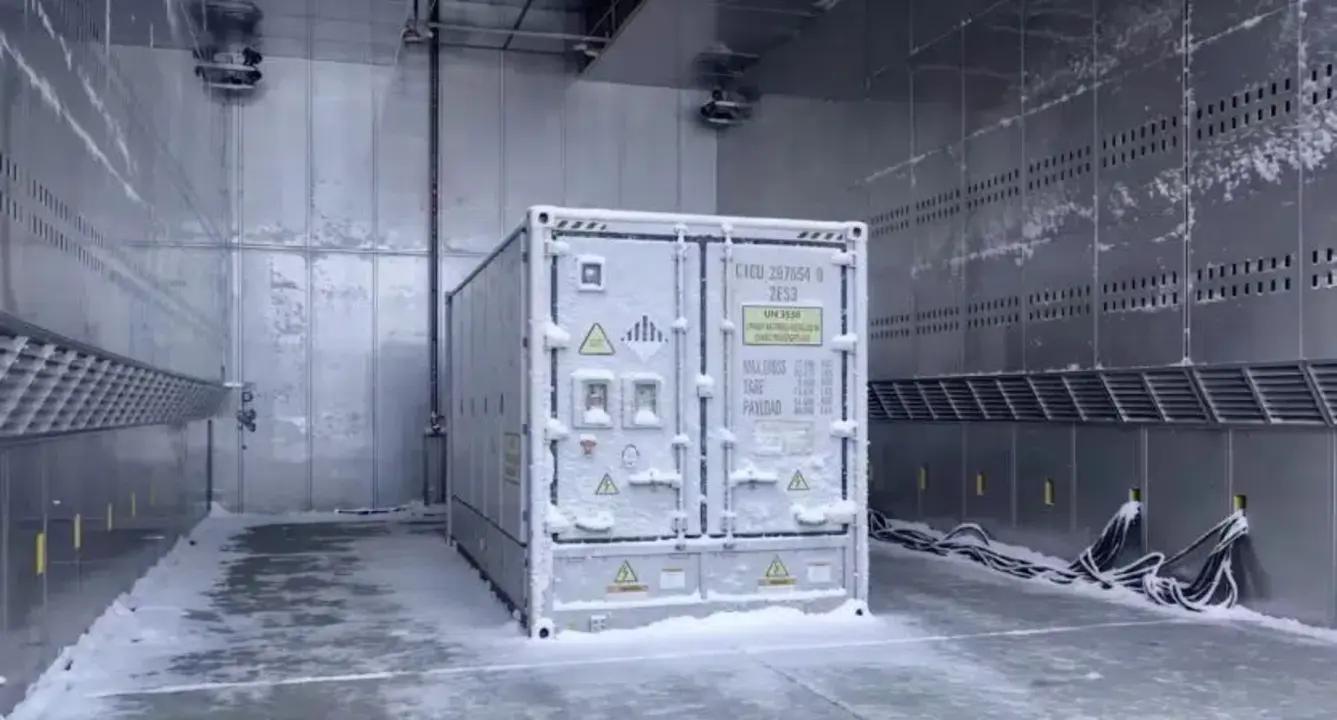
Another major focus of the facility is environmental durability. The environmental reliability laboratory can expose battery systems to temperatures ranging from -50°C to 100°C while also simulating extreme high-altitude environments. These tests are intended to verify performance in some of the harshest operating conditions found around the world.
CATL has also constructed what it claims is the world’s only electromagnetic compatibility laboratory capable of testing an entire 40-foot battery container during full-power charging and discharging operations.
This allows engineers to evaluate how large storage systems interact with surrounding electrical equipment under real operating conditions.
Strengthening CATL’s Position In The Industry
The launch of ESVL further reinforces CATL’s dominance in the global battery sector. The company currently holds the largest share of the world’s electric vehicle battery market. CATL reported a 47 percent share of the global power battery market in April 2026.
The company is also the leading supplier of energy storage batteries. In 2025, CATL sold 121 GWh of energy storage batteries, accounting for 30.4 percent of the global market and securing the top position for the fifth consecutive year.
As energy storage becomes increasingly important to electricity infrastructure worldwide, facilities like ESVL could play a key role in improving safety, reliability, and investor confidence. For CATL, the new institute is not just a testing center—it is a strategic investment in the next phase of the global energy transition.