

The used car business runs on contracts, credit checks, and the occasional unpleasant phone call about missed payments. But when the borrower happens to be serving in the military, federal law adds an extra layer of protection.
That detail turned into a costly lesson for CarMax, which has agreed to pay nearly half a million dollars to resolve allegations that it illegally repossessed vehicles belonging to U.S. servicemembers.
The case was brought by the U.S. Department of Justice, which accused the nation’s largest used vehicle retailer of violating the Servicemembers Civil Relief Act, a federal statute designed to protect active-duty military personnel from certain financial and legal pressures while they serve.
The Allegations: Repossessions Without Court Orders
According to the Justice Department, CarMax repossessed at least 28 vehicles owned by servicemembers between March 1, 2018, and October 24, 2023, without first obtaining court orders, a requirement clearly spelled out in the law.
Under the settlement announced on February 23, 2026, CarMax will pay at least $420,000 in damages to affected servicemembers and a civil penalty of $79,380 to the U.S. government. Together, those payments bring the total to just under $500,000.
In practical terms, that works out to at least $15,000 for each servicemember whose vehicle was repossessed, with additional compensation covering lost equity in the vehicles themselves.
The underlying rule is simple, though it often catches lenders off guard. The Servicemembers Civil Relief Act prohibits a finance company or dealership from repossessing a vehicle belonging to an active duty servicemember without first obtaining a court order, provided the borrower made at least one payment before entering military service.
That court order requirement exists for a reason. Judges can consider the circumstances of military service, including deployment or sudden changes in income, before deciding whether a repossession should proceed.
Beyond Paperwork: A Pattern of Violations
Federal officials say the alleged violations went beyond a simple paperwork oversight.

According to the Justice Department, CarMax repossessed some vehicles even after borrowers had informed the company that they were in military service. In other instances, the company allegedly failed to extend the law’s protections to reservists who had received orders to report for active duty.
Assistant Attorney General Harmeet Dhillon of the Justice Department’s Civil Rights Division said the agency will continue enforcing the law aggressively to protect military personnel from unlawful repossessions.
CarMax, for its part, agreed to settle the case without admitting wrongdoing.
In statements provided after the agreement was announced, the company said it cooperated fully with investigators and emphasized its longstanding support for members of the military and their families. The retailer also noted that the resolution does not constitute an admission of liability.
Still, the settlement comes with more than just a financial bill.
New Compliance Requirements for the Used Car Giant
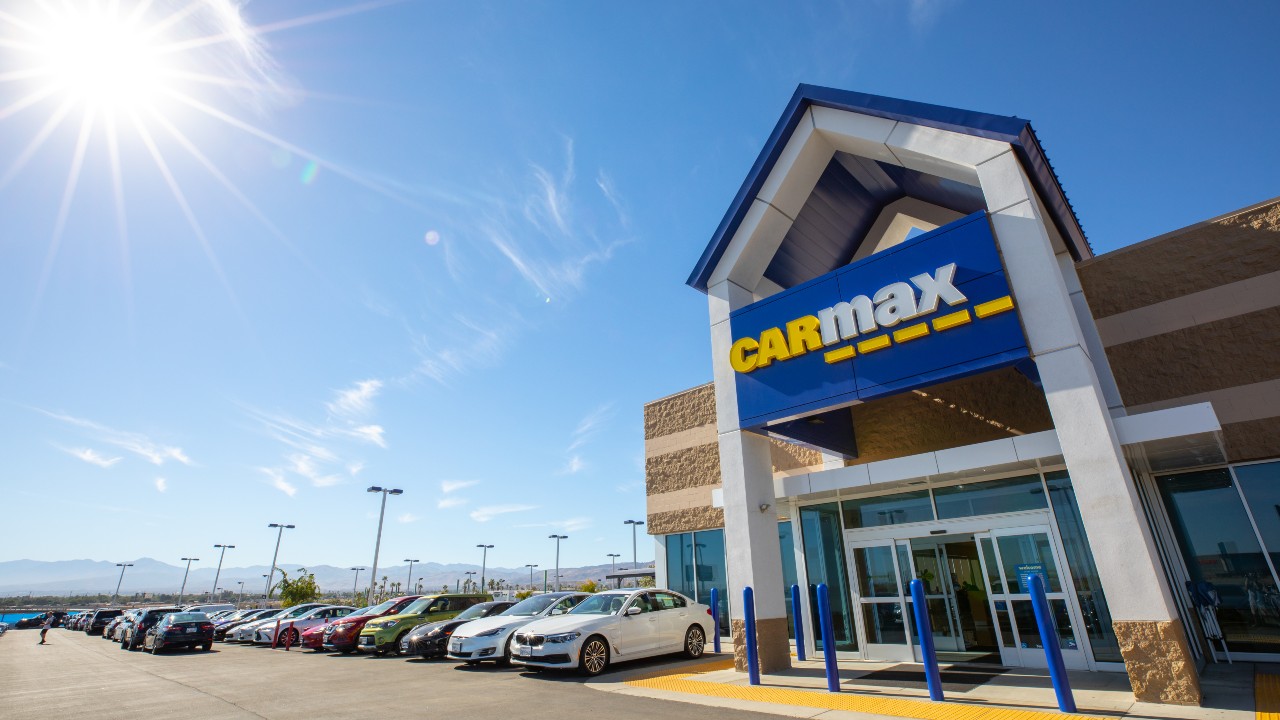
Under the four-year agreement with the Justice Department, CarMax must overhaul aspects of its compliance procedures related to repossessions. That includes revising policies, improving employee training, and strengthening systems used to verify a borrower’s military status through the Defense Department’s Manpower Data Center.
The company must also notify affected servicemembers within 30 days and establish multiple free channels for them to contact the company. In addition, CarMax is required to ask credit bureaus to remove negative credit information tied to the repossessions.
A Broader Message for Lenders
While the dollar amount in the settlement is modest by the standards of large corporate penalties, the case highlights how closely federal regulators monitor financial practices affecting military personnel.
Since 2011, the Justice Department says it has secured more than $484 million in relief for over 149,000 servicemembers through enforcement of the Servicemembers Civil Relief Act.
For the used car giant, the episode serves as a reminder that repossession rules come with a few important footnotes when the customer happens to wear a uniform. And ignoring those footnotes, even unintentionally, can come with a price tag that is difficult to overlook.
Sources: Department of Justice, Air Force Times