Let’s talk about the elephant in the showroom: the average new car payment has climbed to around $750 a month, which is more than many people’s grocery bills. But here’s the thing — you don’t have to join that club to drive something genuinely good.
The market still offers solid, dependable vehicles that won’t require you to eat ramen for the next five years. These aren’t stripped-down penalty boxes or compromises on wheels. They’re cars that deliver where it counts: reliability, comfort, efficiency, and yes, even a bit of driving enjoyment.
What follows is a lineup of vehicles that prove you can still get into a new car without the financial anxiety that comes with those four-figure monthly statements.
Nissan Versa – Estimated Monthly Payment: $320
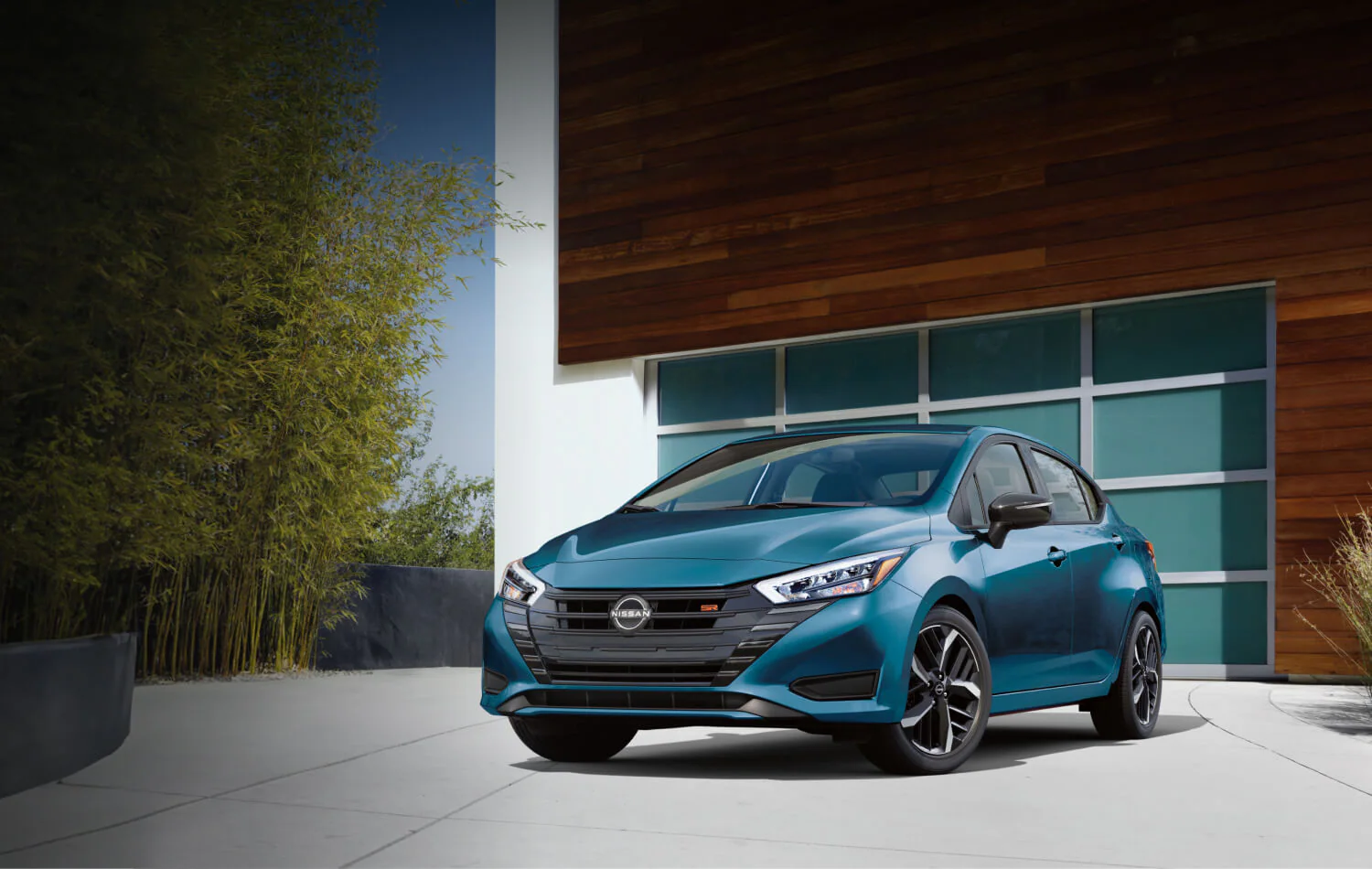
The Versa doesn’t pretend to be something it’s not, and that’s exactly why it works. You get a genuinely spacious sedan with a surprisingly refined interior for around $18,390 including destination (manual) or around $19,000 with the CVT, depending on trim, which translates to monthly payments that leave you plenty to play with. Well, pay your bills with.
The 1.6-liter engine returns up to 35 mpg combined with the CVT (30 mpg combined with the manual), so you’re saving at the pump, too. Sure, it’s not going to pin you to your seat with acceleration, but the CVT transmission has been refined enough that it doesn’t constantly sound like it’s arguing with itself.
For someone who needs basic transportation that doesn’t feel basic, the Versa delivers more comfort and space than you’d expect from this price point.
Mitsubishi Mirage – Estimated Monthly Payment: $290

Look, the Mirage catches a lot of heat online, but listen: if your priority is ultra-low payments and exceptional fuel economy, this hatchback deserves consideration.
At around $16,500 new, it’s one of the least expensive cars you can buy, translating to payments under $300. The 1.2-liter three-cylinder engine sips fuel like it’s expensive wine, delivering up to 39 mpg combined. Yes, the performance is leisurely rather than spirited, and the interior materials won’t impress anyone coming from a luxury brand. But Mitsubishi backs it with a 10-year/100,000-mile powertrain warranty, which means something when you’re trying to minimize long-term costs.
It’s not the most exciting on paper, but it’s exciting to see extra money in the bank every month. Let’s be real.
Note: The Mirage is discontinued for the 2025 model year in the U.S., but some dealers may still have new 2024 models available.
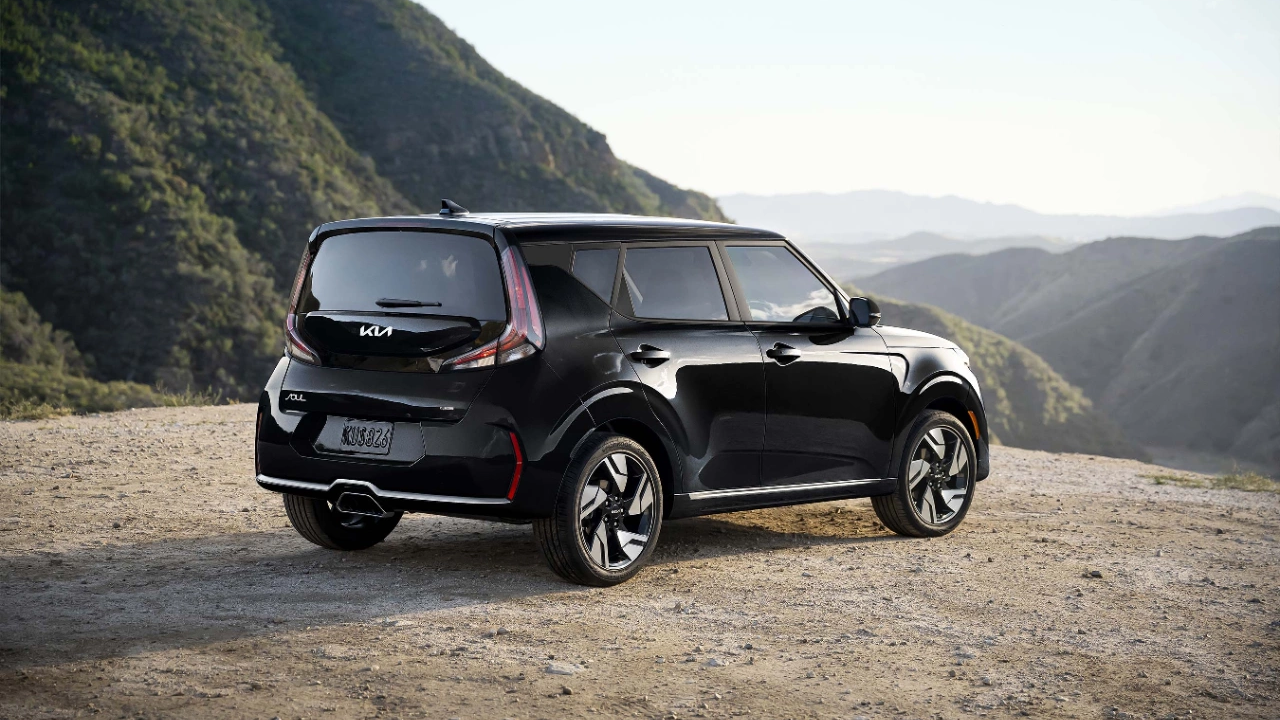
Kia Soul – Estimated Monthly Payment: $380

The Soul has personality in a segment that often feels like a beige convention.
Starting around $21,000, this quirky box on wheels offers something rare: character without a premium price tag. The base 2.0-liter engine provides adequate power for city driving, while the upright seating position and boxy design create an interior that feels more spacious than its footprint suggests. Fuel economy is around 30 mpg combined (up to 31 mpg on some trims), which is respectable for its shape. What really sells the Soul is its practicality — cargo space that embarrasses some larger crossovers, easy entry and exit, and visibility that makes you wonder why everyone else is designing cars with bunker-like sightlines.
It’s proof that affordable doesn’t have to mean forgettable. Although you may forget you’re even paying off your car with how low it costs.
Hyundai Venue – Estimated Monthly Payment: $360

Hyundai’s smallest crossover starts around $20,000, making it an accessible entry point into the popular SUV segment without the usual financial commitment.
The Venue manages around 31 mpg combined, which helps offset any concerns about fueling a crossover. The 1.6-liter engine isn’t going to win any drag races, but it handles urban environments with reasonable competence. Inside, you get more standard tech than you’d expect at this price, including an 8-inch touchscreen and driver-assistance features that were luxury items just a few years ago.
The Venue makes sense for buyers who need the high seating position and hatchback versatility of a crossover but don’t want to pay the increasingly absurd prices that segment typically demands.
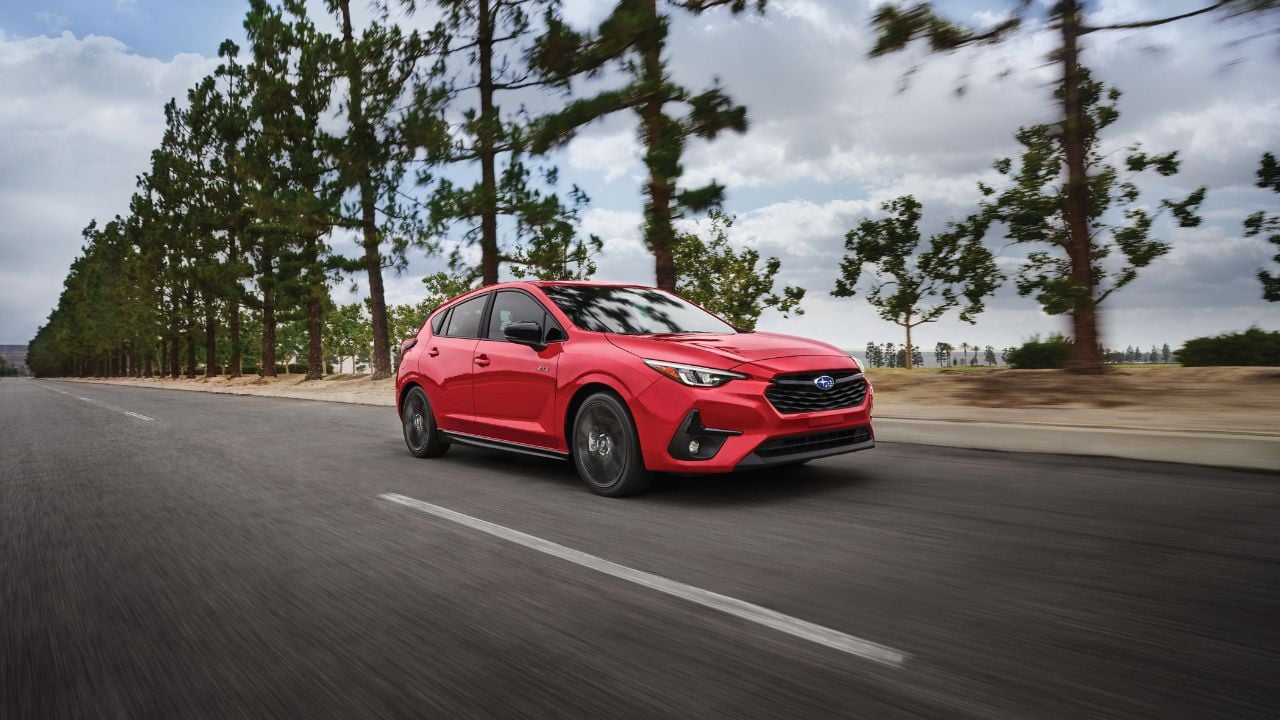
Subaru Impreza – Estimated Monthly Payment: $425

Starting around $25,500, the Impreza costs more than some entries on this list, but you’re getting Subaru’s legendary all-wheel-drive system as standard equipment — something competitors charge thousands extra for.
The boxer engine delivers around 30 mpg combined while providing confidence in weather that would have other cars sliding into ditches. The interior is practical rather than flashy, but build quality feels substantial. What you’re really buying here is peace of mind: Subarus hold their value remarkably well, and the safety ratings are consistently excellent.
For anyone in snow country or anyone who simply wants that security blanket of AWD, the Impreza justifies its slightly higher payment by delivering capabilities that would push competitors well past the $750 mark.
Honda Civic (Base Trim) – Estimated Monthly Payment: $450

The Civic’s base LX trim starts around $25,000, which still keeps monthly payments well below that $750 threshold while delivering the refinement Honda has spent decades perfecting.
You get a naturally aspirated 2.0-liter engine that balances efficiency with surprising pep, achieving around 33 mpg combined without feeling underpowered. The ride quality feels like it belongs in a pricier segment, and the interior design is refreshingly uncluttered. Honda’s reputation for reliability isn’t just marketing fluff — these cars routinely exceed 200,000 miles with basic maintenance.
When you calculate the total cost of ownership over 10 years, the Civic often proves cheaper than vehicles with lower sticker prices but higher maintenance costs and worse resale values.
Mazda3 (Base Sedan) – Estimated Monthly Payment: $440
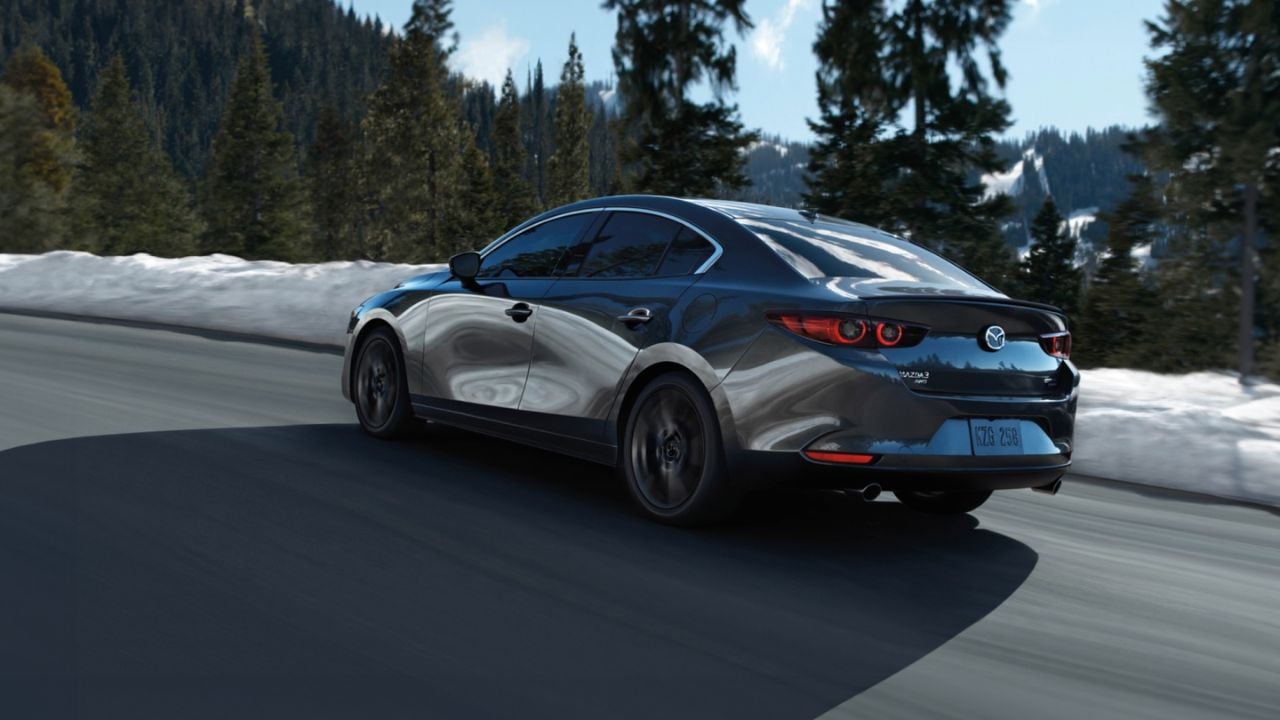
Mazda builds cars for people who actually enjoy driving, and the Mazda3 sedan demonstrates this philosophy at an accessible $24,500 starting price.
The base 2.5-liter engine provides genuinely engaging performance while maintaining around 30–31 mpg combined, depending on trim. What sets the Mazda3 apart is the attention to detail—the steering has actual feedback, the suspension is tuned for involvement rather than just comfort, and the interior materials feel premium. You won’t find this level of refinement in many cars twice its price.
Yes, rear-seat space is merely adequate rather than generous, but if you’re primarily a driver rather than a chauffeur, that trade-off brings rewards every time you navigate a winding road.
Toyota Corolla – Estimated Monthly Payment: $410
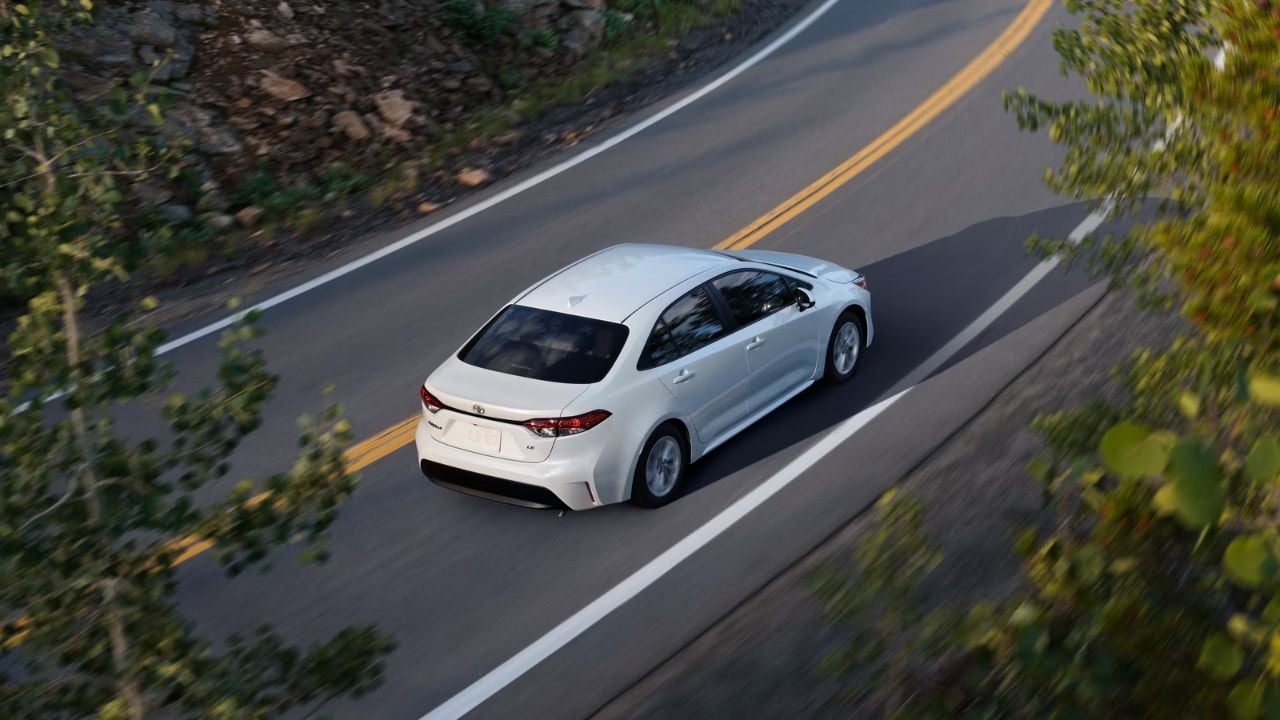
The Corolla starts around $23,000, which positions it perfectly in the affordable sweet spot while delivering Toyota’s unmatched reliability reputation.
The hybrid version, which starts around $25,000, achieves an astonishing 50 mpg combined and still keeps payments under $500. The standard 2.0-liter engine provides adequate performance with 34–35 mpg combined, depending on trim. What the Corolla really sells is predictability — you know exactly what you’re getting, and that includes minimal trips to the mechanic over the vehicle’s lifespan. The latest generation finally abandoned the “appliance on wheels” vibe with styling that has some actual character.
For risk-averse buyers who want transportation that won’t surprise them with expensive problems, the Corolla remains the gold standard.
Volkswagen Jetta – Estimated Monthly Payment: $430

Starting around $24,000, the Jetta brings a touch of European refinement to the affordable sedan segment without the European maintenance costs.
The 1.5-liter turbo engine delivers around 35 mpg combined while providing enough low-end torque to make city driving feel less tedious. The interior is legitimately nice, with materials and design that wouldn’t be out of place in VW’s pricier offerings. Rear-seat legroom is particularly generous, making this a solid choice if you frequently have passengers. VW has significantly improved reliability in recent years, though it still doesn’t quite match Honda or Toyota in this department.
What the Jetta offers is a more premium driving experience than most competitors at this price point, which matters if you spend significant time behind the wheel.
Chevrolet Trax – Estimated Monthly Payment: $400

Chevy’s redesigned Trax starts around $20,500, representing a massive improvement over its predecessor and offering legitimate crossover utility at compact car prices.
The turbocharged 1.2-liter three-cylinder engine achieves around 30 mpg combined while providing adequate power for most driving situations. The interior design is surprisingly modern, with clean lines and an intuitive infotainment system. Cargo space is genuinely impressive for such an affordable vehicle, and the rear seat actually accommodates adults without complaints. The Trax succeeds by focusing on practicality and value rather than trying to be sporty or luxurious.
For young families or anyone needing cargo flexibility without massive monthly payments, it hits a sweet spot that few competitors target this aggressively.
Nissan Kicks – Estimated Monthly Payment: $390

The Kicks starts around $21,500, offering crossover style and practicality without the financial commitment that most SUVs demand.
Fuel economy is excellent at 31 mpg combined (FWD) or 30 mpg combined (AWD), which helps control operating costs. The interior is more spacious than its compact dimensions suggest, with clever packaging that maximizes passenger room. Nissan includes a surprising amount of standard safety tech, and the ride quality is comfortable for daily commuting. The naturally aspirated engine won’t thrill anyone seeking performance, but it’s adequate for typical driving needs.
What makes the Kicks compelling is the combination of affordable monthly payments, low fuel costs, and the high seating position that buyers increasingly prefer — all without pushing past $400 per month.
Hyundai Elantra – Estimated Monthly Payment: $415

Starting around $23,000, the Elantra delivers a remarkably complete package that punches above its price point.
The base 2.0-liter engine returns around 36 mpg combined, which is exceptional for a non-hybrid sedan of this size. Hyundai loads the Elantra with standard features that competitors charge extra for, and the interior design features bold styling that actually looks expensive. The ride quality strikes a good balance between comfort and engagement, and the warranty coverage is among the best in the industry at 10 years/100,000 miles for the powertrain.
What’s impressive about the Elantra is that it doesn’t feel like a budget option — the materials, technology, and driving dynamics all feel carefully considered rather than cost-engineered to the bare minimum.
Conclusion
The automotive landscape hasn’t abandoned affordability — it’s just buried under the hype of $70,000 trucks and electric vehicles with price tags that require a second mortgage. These twelve vehicles allow you to drive something new, reliable, and genuinely competent while keeping your monthly payment hundreds of dollars below the current average.
The key is focusing on what actually matters for daily driving: efficiency, reliability, comfort, and reasonable cost of ownership. None of these cars will earn you envious stares at the country club, but they’ll all get you where you need to go without the financial stress that’s become normalized in today’s market.
These smart buys are still exciting in their own ways, from fun performance to impressive cargo room, and now you can afford that track day or weekend road trip no problem.