Get ready to add another factor to your car’s rapid depreciation! Like that mustard yellow jacket you wore once and now can’t sell on eBay, color plays a huge part. The color of your car shapes how your ride is perceived from the very first glance, meaning certain colors may be overlooked on Facebook Marketplace. Some shades hold their appeal like a classic rock anthem, keeping your ride looking fresh and desirable for years. Others, well, they fall out of favor quicker than last year’s TikTok dance challenge.
Used car dealers, those savvy sharks, track this stuff like it’s a Wall Street ticker. They adjust their trade-in offers faster than you can say “depreciation,” based on paint alone. That flashy, look-at-me choice might seem exciting on day one, but it might bring fewer offers, and significantly lower ones, when it’s time to move on. Meanwhile, the subtle, “boring” tones often carry stronger resale strength, like that quiet kid in school who turns out to be a millionaire.
Knowing how color affects value helps us car guys make smarter decisions, ensuring our four-wheeled investments don’t bleed cash just because of a questionable paint job. This list breaks down which paint choices may leave the biggest dent in your wallet.
Car Paint Colors That Quietly Sink Resale Value

Before you yell at me about your neon green and orange wrapped Civic, hear me out: these are not my opinions. The following colors have been selected after checking out studies from AutoTrader, ISeeCars, and plenty of other sites that have seen their own listings rise or fall in value based on car color (as one of the factors, of course).
Every car on the road carries a color that speaks louder than most people think. Some shades hold steady value while others quietly drag it down. This list is built using resale data, dealer pricing patterns, and market studies from trusted sources. We focused on how paint affects value across different brands, body types, and mileage ranges. Bright colors might feel fun at first, but not every buyer wants to make that statement later on. Like wearing neon to a job interview, certain tones limit your audience.
You can still choose any color car your heart desires, but just know you’ve been warned.
The Winners: Unexpected Heroes of Resale

Let’s kick things off with a surprise: some colors that you might think are “weird” actually hold their value surprisingly well. Go figure.
Yellow

Yellow stands out on the road like a canary in a coal mine, and surprisingly, it holds value better than most shades. Cars in this sunny hue lose about 24 percent of their value after three years, which is well below the industry average of 31%. Who knew a color so loud could be so financially shrewd?
Rarity definitely helps drive that number, since very few vehicles come factory-painted in bright yellow — it’s not exactly a “fleet spec” option for rental companies. Sports cars and small coupes benefit the most from this vibrant choice, often drawing attention just from their color alone. Dealers often see yellow cars sell quicker and closer to their asking price. This color adds a splash of personality without taking away resale strength. Buyers often associate it with fun, uniqueness, and maybe a hint of defiance. A bold choice in paint can quietly become a smart financial move.
Orange

Orange cars hold value nearly as well as yellow, with depreciation averaging around 24.4 percent over three years. This shade typically shows up on specialty trims, performance models, or limited editions (think Dodge Charger Hellcat in Go Mango or a McLaren in Volcano Orange), making it feel exclusive even without a six-figure price tag. Buyers searching the used market for something distinct see orange as bold but uncommon, which definitely boosts its appeal.
Trucks (especially off-road trims) and performance models wear this color with confidence, unafraid to stand out against the sea of green and brown of the woods. It may also keep you safe, since orange is the “don’t shoot” color during hunting season.
Dealerships often report strong resale returns when orange is involved. Its uniqueness helps it stand apart from the endless rows of gray and silver. Bright tones like this build an emotional connection with buyers. When properly cared for, orange vehicles become favorites for buyers seeking something truly different.
Just try not to mistake it for a traffic cone.
Green

Vehicles in green lose around 26.3% of their value within three years. This color appears more often on trucks and SUVs than sedans, adding to its rugged, outdoorsy image. Deep green tones (like a British Racing Green or a modern Forest Green Metallic) feel grounded and upscale without becoming flashy. Some buyers find green peaceful and outdoorsy, linking it with durability and calmness — a pleasant escape from the urban concrete jungle.
Supply remains surprisingly low, so demand often stays steady across resale platforms. Sellers appreciate that green vehicles attract genuine interest without needing aggressive discounts. The color offers a subtle, sophisticated alternative to more common shades. In resale terms, green quietly continues to outperform expectations, proving that not everything needs to shout to make an impact.
Beige
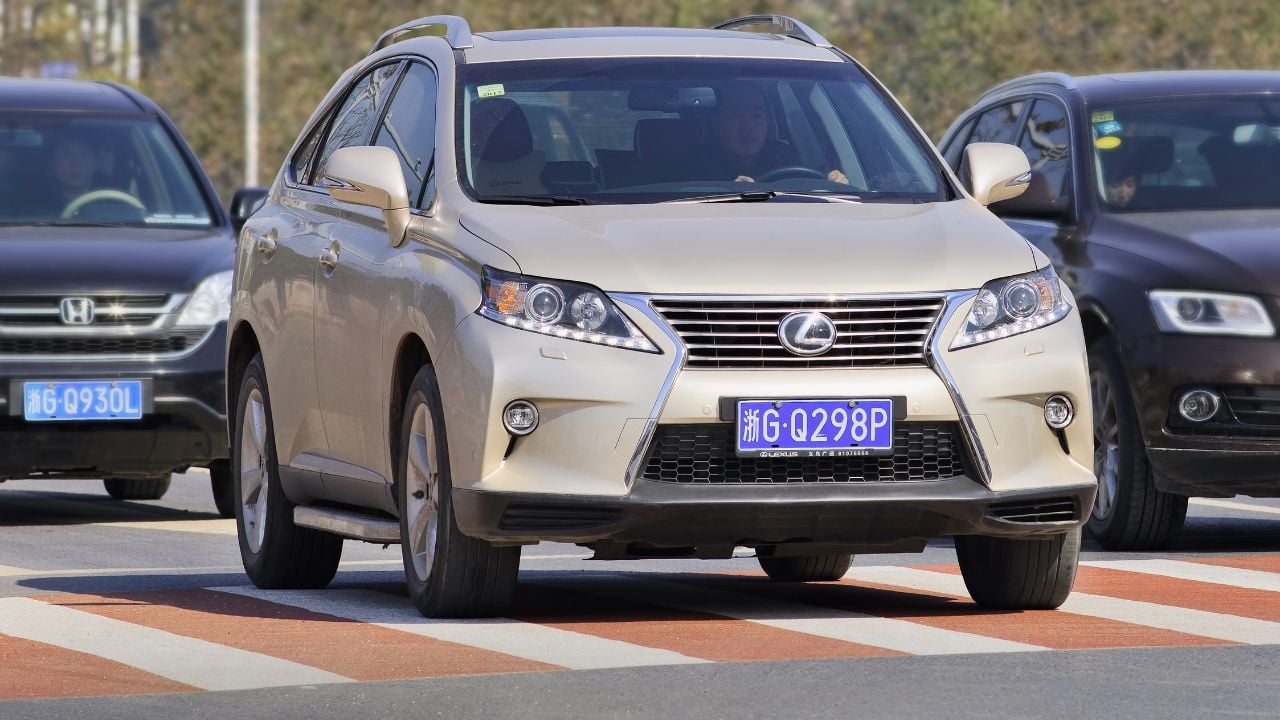
Beige cars depreciate by about 29.5% after three years. The number may not seem dramatic, especially for a color often associated with rental cars and sensible shoes, but it represents a quiet, consistent strength in long-term value. This neutral tone has found a surprisingly strong niche among trucks, crossovers, and older, well-maintained sedans. Drivers like it for the understated style (read: it doesn’t attract cops or judgmental glares) and ease of maintenance (dirt just blends in!). It pairs well with darker interiors and hides minor wear and tear better than brighter, more demanding finishes.
Fewer beige vehicles are listed online (because, let’s be honest, who’s taking glamour shots of their beige car?), helping resale prices stay remarkably stable. This shade delivers comfort without seeking attention. For buyers aiming for long-term value, beige performs quietly and consistently. It’s the automotive equivalent of a perfectly cooked medium-rare steak: not flashy, but always satisfying.
Red
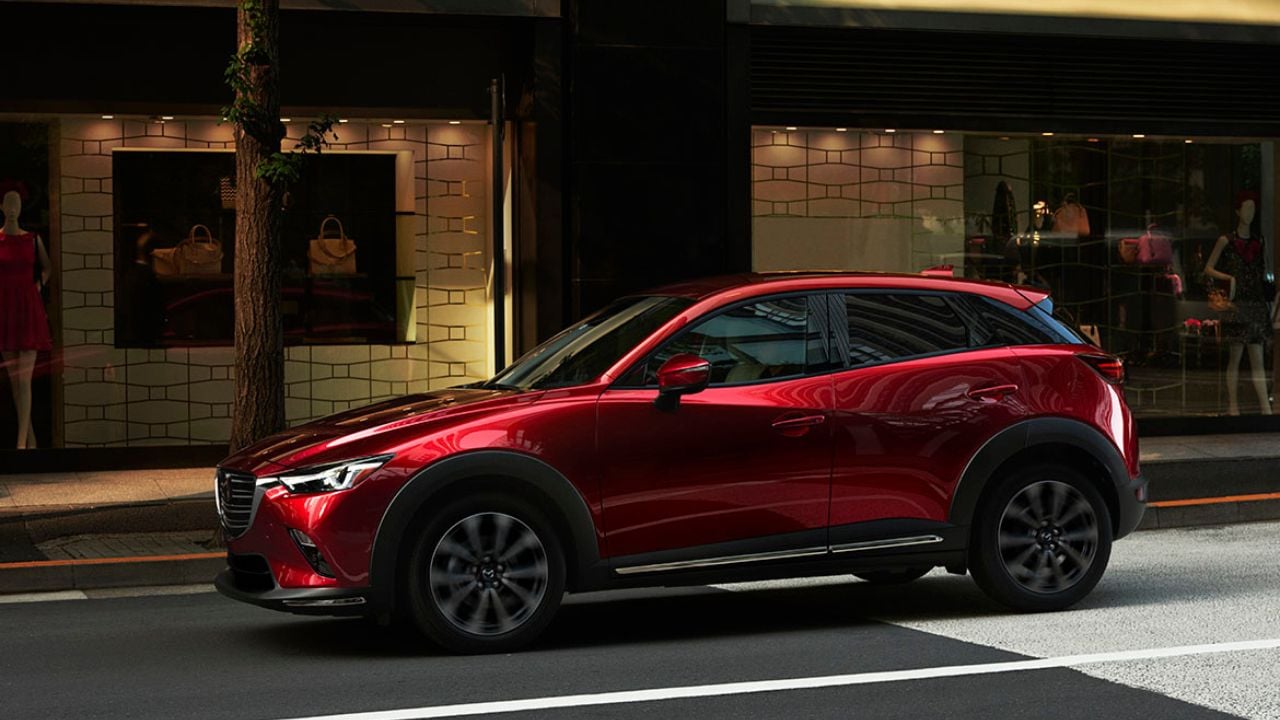
Red vehicles lose an average of 29.8% over three years. This places them just below the average for all paint colors, which is pretty good for a color that screams “Look at me!” Red remains a perennially popular choice among drivers who want energy, flair, and a hint of rebellious spirit in their daily drive. It performs well across almost all body styles, from sporty hatchbacks (a Civic Type R in Rallye Red is iconic) to pickups (a red Ram is just classic).
Used car buyers often view red as sporty, youthful, and exciting, which keeps resale values from slipping too far. Dealers often feature red vehicles near the front of their lots to draw immediate interest — it’s a known attention-grabber. The bold tone carries strong appeal without losing credibility. Color can powerfully influence emotion, and red consistently connects with buyers who want a bit of passion in their ride.
Silver

Cars painted silver experience around 29.8% depreciation over three years. Silver continues to be one of the most popular shades for both personal and commercial fleets (because it’s the safest bet for fleet managers). Its ability to brilliantly hide dirt, road grime, and minor scratches, plus its knack for reflecting light, gives it immense practical appeal.
Although supply is incredibly high (every other car on the road seems to be silver), demand remains surprisingly steady because of silver’s versatile, timeless, and utterly inoffensive look. Shoppers often trust silver as a safe pick that fits any situation, from a luxury sedan to a pickup truck. Resale tends to be steady, even when the market shifts. For drivers who want predictability, silver performs with quiet confidence.
It blends familiarity with long-term value — the automotive equivalent of a well-fitting pair of jeans.
The Middling Performers: Neither Hot Nor Cold

These colors won’t kill your resale value, but they won’t make you rich either. They’re just… there.
Brown

Brown cars see depreciation of about 30.4% after three years. Though fewer people choose this color today (it had its moment in the ’70s and ’80s), it carries a rich, warm visual quality that, when done right, can look fantastic. Buyers often associate brown with classic elegance, especially when paired with upscale interiors (think a rich tan or cognac leather).
Many used car shoppers find this shade attractive on larger vehicles like SUVs or crossovers, giving them a rugged, sophisticated vibe. Brown also hides dust and minor blemishes exceptionally well, which appeals to rural or suburban drivers who actually use their vehicles. While resale may take longer (you might have to wait for “the right buyer”), that right buyer often pays close to asking price. In today’s market, its relative rarity helps this color hold firm. With care, brown can deliver both charm and a decent return.
Gray

Gray vehicles lose around 30.5% of their value over three years. This shade consistently ranks among the top choices for both new and used car buyers because it’s the ultimate chameleon. Its neutral tone works across sedans, trucks, and sport models without issue, never clashing. Many choose gray because it pairs easily with most interiors and never feels trendy — it’s the automotive equivalent of a well-fitted suit jacket.
The sheer volume of gray cars in circulation makes pricing competitive, as you’re always up against dozens of others. Still, resale offers remain respectable due to consistent demand. Dealers list gray vehicles frequently but rarely discount them heavily. Gray represents a perfect balance between subtle style and unquestionable practicality.
It’s the color you choose when you don’t want to make a statement, you just want to get to work.
Blue
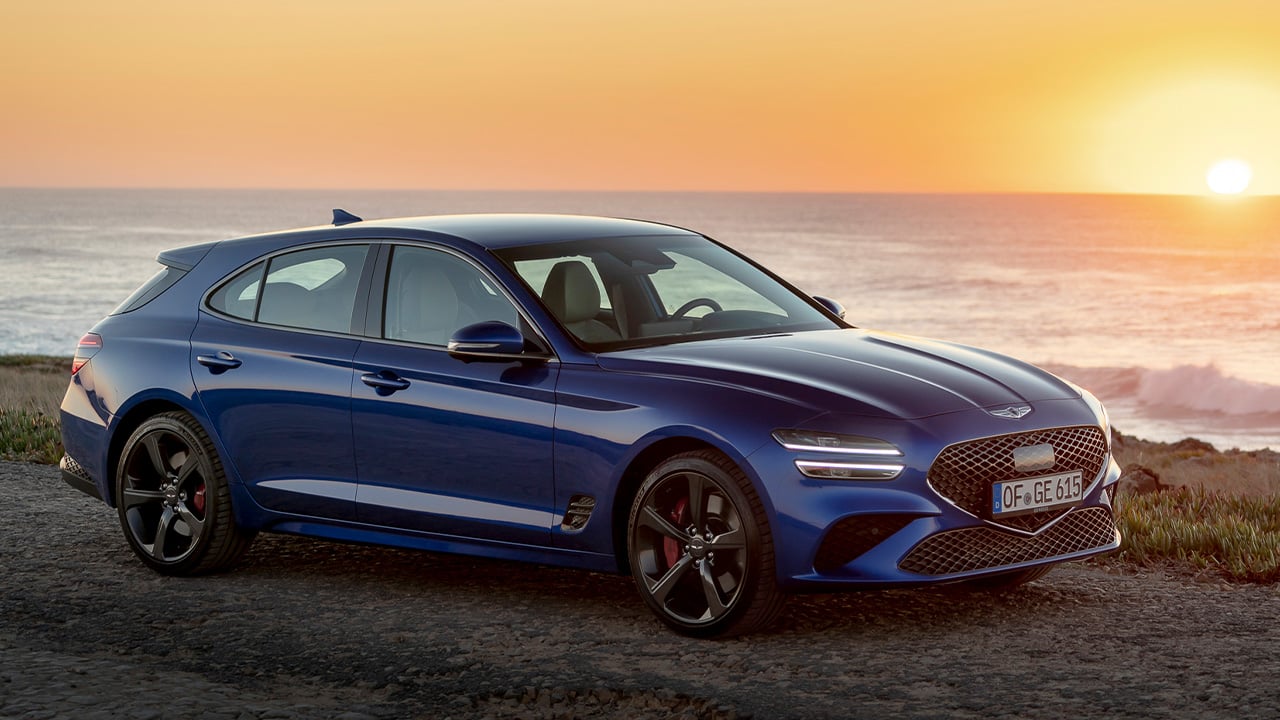
Blue paint sees a depreciation of about 30.9 percent after three years. Buyers often describe blue as calming, stable, and easy to live with — like a good pair of jeans. Darker shades of blue (think deep navy or midnight blue) perform slightly better in resale, while lighter, pastel blues may move slower (because nobody wants a baby blue monster truck). Blue works well across nearly all vehicle types, from practical minivans to sleek coupes.
This color adds personality without pushing buyers out of their comfort zones. Used listings with blue vehicles often get clicks faster than many neutrals. Sales teams frequently describe blue as a low-risk, high-appeal option. Resale numbers remain steady even in slower markets, making it a safe, if not spectacular, bet.
The Losers: Where Your Money Goes to Die (in Style?)

And now, for the colors that will quietly, efficiently, drain your wallet. Don’t say we didn’t warn you.
Black

Black vehicles lose an average of 31.9% of their value over three years. This classic color dominates dealership lots, making it highly competitive in resale — there’s simply too much supply. Buyers love the sleek, sophisticated, and often intimidating finish of a black car, but oversupply often drives prices down.
And here’s the kicker: black also shows dirt, water spots, swirl marks, scratches, and every single imperfection more than lighter options. This constantly “dirty” look can definitely impact its perceived value, even if it’s perfectly clean. Despite its overwhelming popularity, it rarely delivers top resale performance. However, many still consider black the epitome of stylish and premium-looking, especially on luxury models like a Rolls-Royce or a murdered-out muscle car.
This color offers massive curb appeal when clean, but significantly less protection on trade-in. It’s the high-maintenance girlfriend of car colors.
White
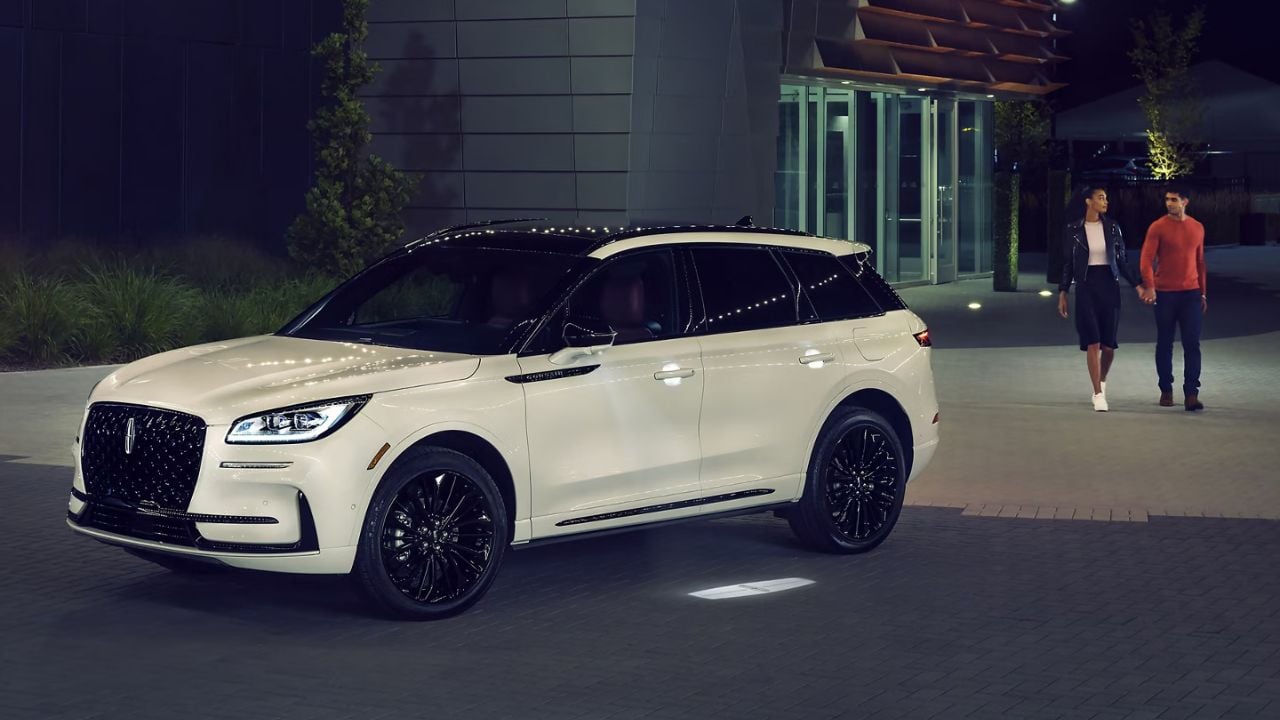
White vehicles depreciate at around 32.1% after three years. Often viewed as clean, modern, and undeniably practical, white has become the go-to color for fleets, rental cars, and personal cars alike. That popularity, much like black, brings high supply, which inevitably lowers pricing leverage during resale. It’s the most common color on the road, so standing out is impossible, and negotiating power is minimal.
Still, buyers trust white for its ease of maintenance (hides dust better than black, but shows mud more than beige) and heat-reflective qualities (a definite plus in sunny climates like Los Angeles). Used listings in white receive views, but competition stays fierce. Dealers often keep several in stock, which limits your negotiation power. For practical buyers, white remains reliable but rarely leads resale charts.
It’s like catching a Caterpie — it’s common and can be found anywhere.
Gold

And finally, the reigning champion of resale value destruction: Gold paint. This glistening hue ranks as the worst performer, with depreciation reaching a staggering 34.4% in three years. This color once signaled luxury and opulence (think a gaudy 1970s Cadillac or an ’80s sedan), but today it feels utterly out of step with modern design trends. It screams, “I just lost a bet with a time machine.”
Buyers tend to skip gold listings faster than a bad ad, and those who do look often offer significantly less. Dealers genuinely struggle to sell gold vehicles quickly, especially in urban markets, where it looks more like a mistake than a statement. It feels like a throwback that has completely lost its place, like disco at a rave. Sellers may find limited interest unless the vehicle has extremely rare features, ultra-low mileage, or belonged to a famous pimp.
Gold stands out, but resale numbers clearly suggest that uniqueness, in this case, works decidedly against it. Long-term value often fades faster with this finish than a spray tan in a swimming pool.
Think Before You Paint: Color Could Cost You Later

Buying a car should feel exciting, like uncorking a fresh bottle of single malt. But a simple color choice might quietly, insidiously, shape its financial future value. That bright, bold finish might look absolutely perfect gleaming under the dealership lights today, but will it still turn heads (in a good way) in five years, or will it just turn away potential buyers like a bad odor? Trends change faster than parking spaces fill up at the grocery store on a Saturday. Choosing wisely now can literally mean more money in your pocket later, especially when it’s time to trade up or sell.
Dealers, those keen-eyed arbiters of automotive worth, notice paint before mileage, before options, before anything else. And some colors just sit on the lot longer than a bad blind date, gathering dust and depreciating with every passing day.
Would you swipe right on beige? Maybe, if it saved you two grand on a used truck. Every vehicle fades eventually, but smart color choices fade with a little more financial grace. A car’s color speaks louder than you think, even when it’s just whispering. Before you fall for flash, or that “unique” hue that’s “so you,” ask yourself, honestly: who’s buying this thing next?