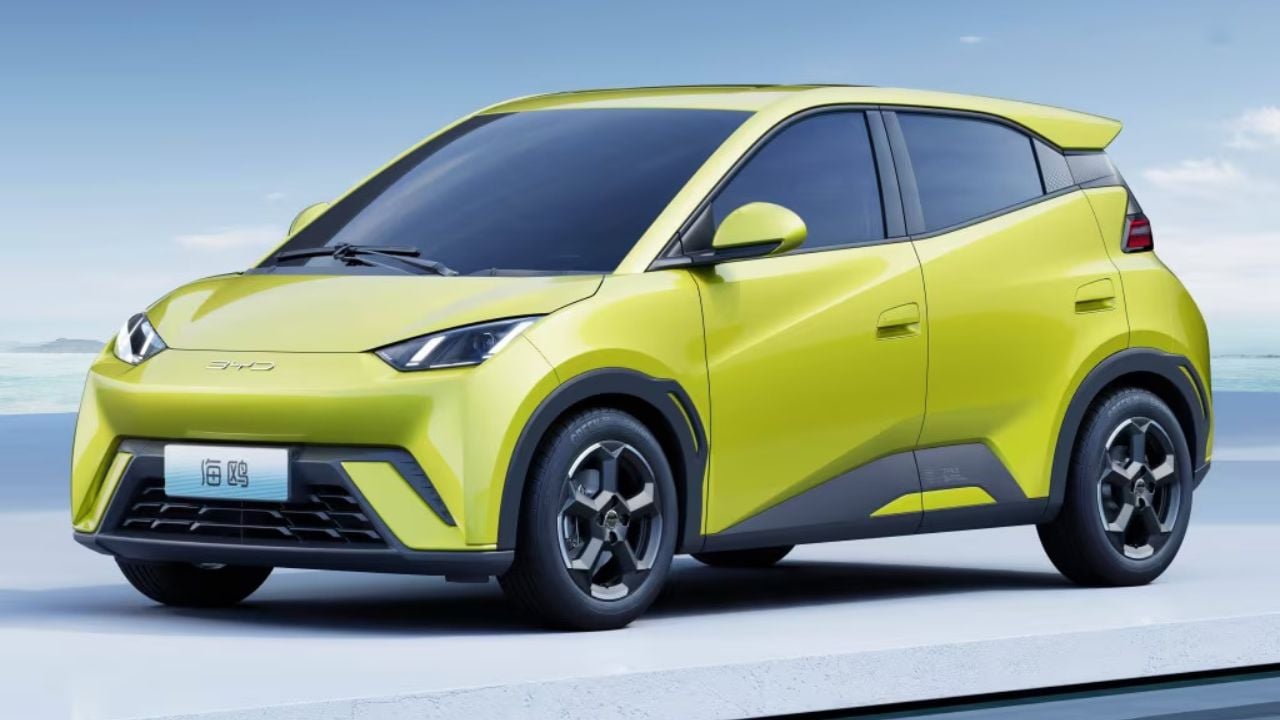
The past year will be remembered as the moment China’s BYD crossed a symbolic threshold in the global auto industry. For the first time, BYD’s worldwide vehicle sales moved ahead of Ford’s, pushing the Chinese giant into sixth place among the world’s largest automakers.
BYD delivered about 4.6 million vehicles globally, roughly 200,000 more than Ford. Ford, after a global sales decline of about 2% to just under 4.4 million vehicles, slipped to seventh.
The Top Of The Pyramid Still Looks Familiar
At the top, the order remains dominated by the traditional heavyweights. Toyota stayed firmly in first place with a record 11.3 million vehicles sold. The Volkswagen Group followed with just under 9 million; then Hyundai Kia with 7.2 million, General Motors with about 6.2 million, and Stellantis at roughly 5.5 million.
But the most compelling story did not come from the very top. It came from Shenzhen, where BYD’s growth is reshaping how the industry thinks about power, scale, and the direction of electrification.
China’s Market Shift Explains The Breakthrough
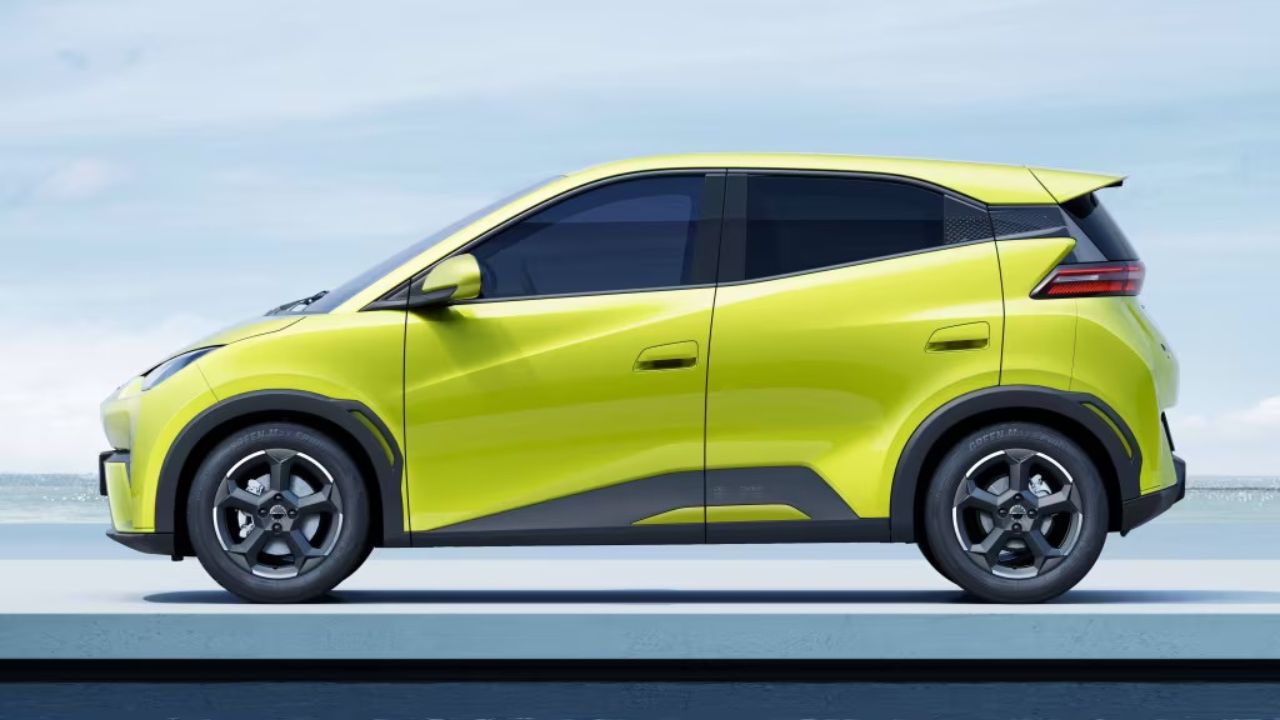
It is hard to understand BYD’s rise without looking at how quickly China’s home market has changed. Ford posted growth in the United States, but declines in Europe and especially in China proved decisive. In the world’s largest auto market, domestic players like BYD, Xiaomi, and Geely have taken a much larger share by offering technology-heavy vehicles at aggressive price points.
The result is a major reset in market dynamics. Chinese brands held about 65% of China’s passenger car retail market in 2025, reflecting how far the era of foreign brand dominance in China has faded.
BYD’s Scale Starts At Home, But Export Is Growing
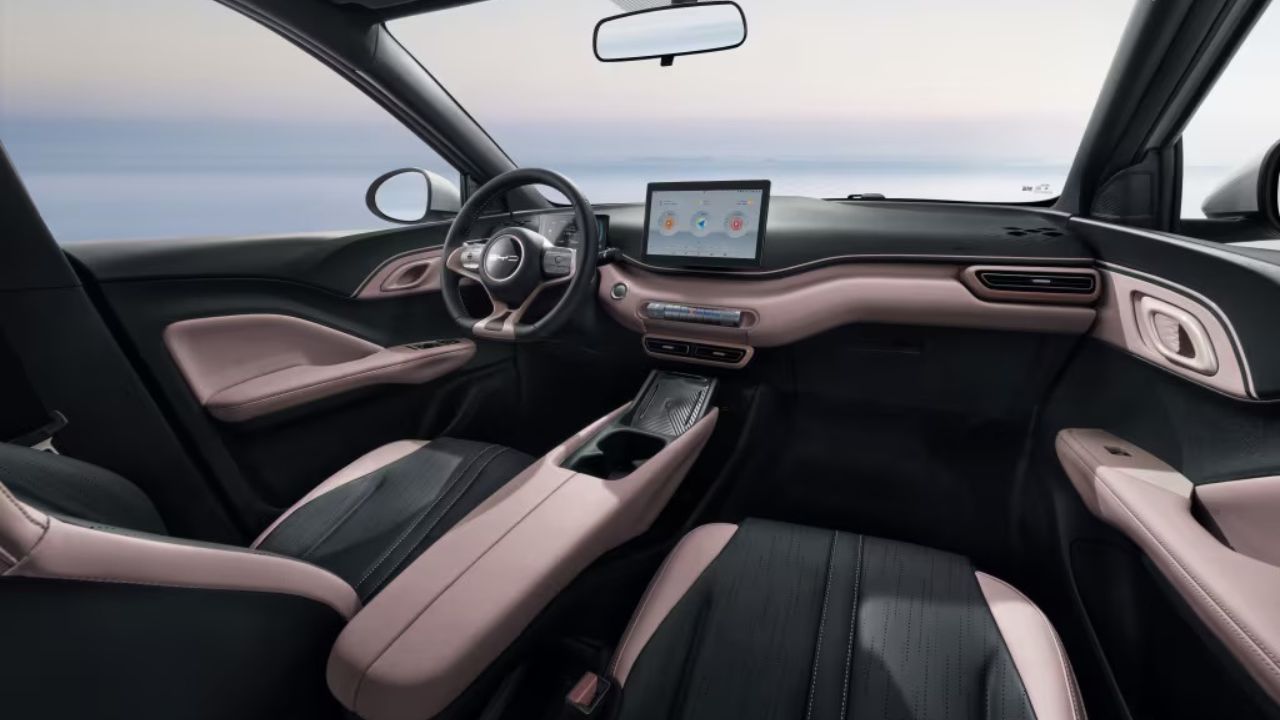
BYD’s global performance still rests heavily on China, where the company sold more than 3.1 million vehicles and finished as the country’s top-selling automaker. Even so, export is no longer a side note. It represented roughly a quarter of total volume.
Outside China, BYD delivered about 1.05 million vehicles during 2025. The plan for the current year calls for growth to about 1.3 million deliveries beyond China, signaling that the company sees international expansion as a central pillar, not an experiment.
New production footprints are part of that strategy. Planned and expanding production footprints in Brazil, Thailand, and Hungary are positioned as key supply points for South America, Southeast Asia, and Europe, helping BYD reduce shipping exposure and build a more local presence in major regions.
No Traditional Gas Or Diesel Models
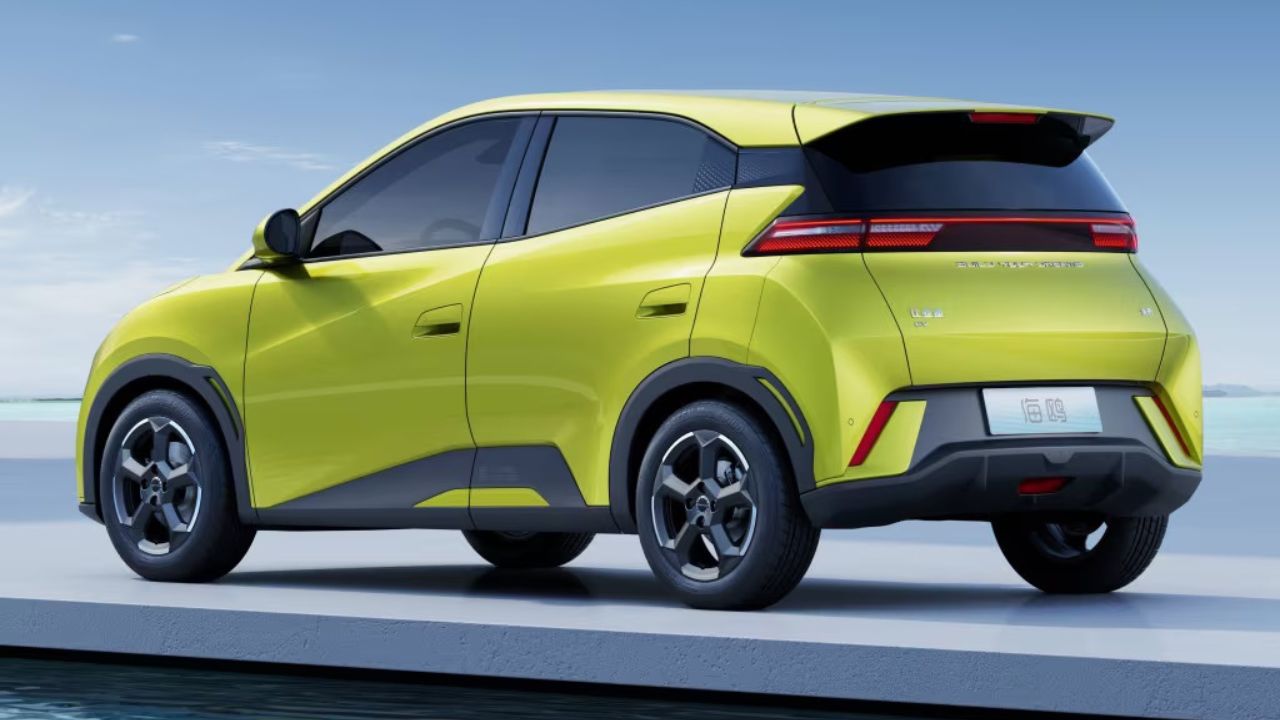
One of BYD’s most unusual traits, at least compared with legacy automakers, is what it does not sell. The company does not offer traditional gas-only or diesel passenger vehicles. Its lineup focuses on plug-in hybrids and fully electric vehicles, grouped in China under the label “new energy vehicles.”
BYD stopped producing passenger cars powered only by internal combustion engines in March 2022, effectively locking in its long-term direction. In 2025, BYD also moved ahead of Tesla in battery electric vehicle volume, with about 2.25 million fully electric vehicles delivered. BYD’s overall plug-in volume is even larger because the company also sells plug-in hybrids in huge numbers, a mix that has become a competitive weapon as different markets adopt electrification at different speeds.
Pressure Is Rising In Detroit
Across the Pacific, the shift is being felt. During the presentation of Ford’s fourth quarter 2025 financial results, CEO Jim Farley warned that China’s auto industry has become a wild card that every global manufacturer must now plan around. Ford reported a full-year net loss of $8.2 billion, adding urgency to the message.
Farley’s broader point was about structural advantage. Subsidized production, lower costs, and slowing domestic demand inside China can push Chinese brands to export more aggressively, which then forces Western automakers into deeper cost restructuring and faster product cycles.
China Sees It As Inevitable
From Beijing’s perspective, this is not a surprise development. Cui Dongshu of the China Passenger Car Association described BYD’s move past Ford as a logical outcome. Strong technology execution, tight control of supply chains, and economies of scale have allowed Chinese manufacturers to evolve from local champions into global competitors.
More Than A Ranking Change
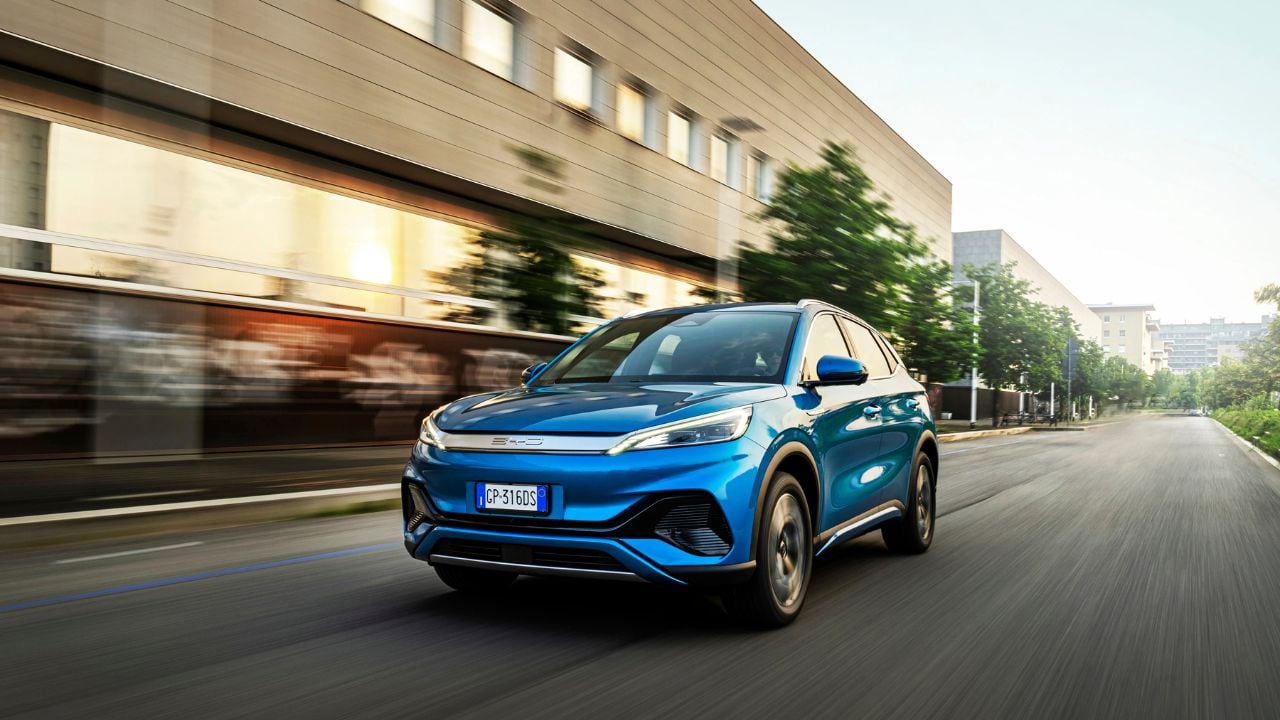
BYD passing Ford is not just a one-position shuffle on a leaderboard. It points to a deeper shift in the balance of power across the industry. Electrification is no longer only a technology trend. It is increasingly a geopolitical factor, tied to supply chains, industrial policy, and who controls the next generation of vehicle production.
In that context, BYD’s 2025 result looks less like a surprise and more like a signal that the global auto hierarchy is being rewritten in real time.
This article originally appeared on Autorepublika.com and has been republished with permission by Guessing Headlights. AI-assisted translation was used, followed by human editing and review.