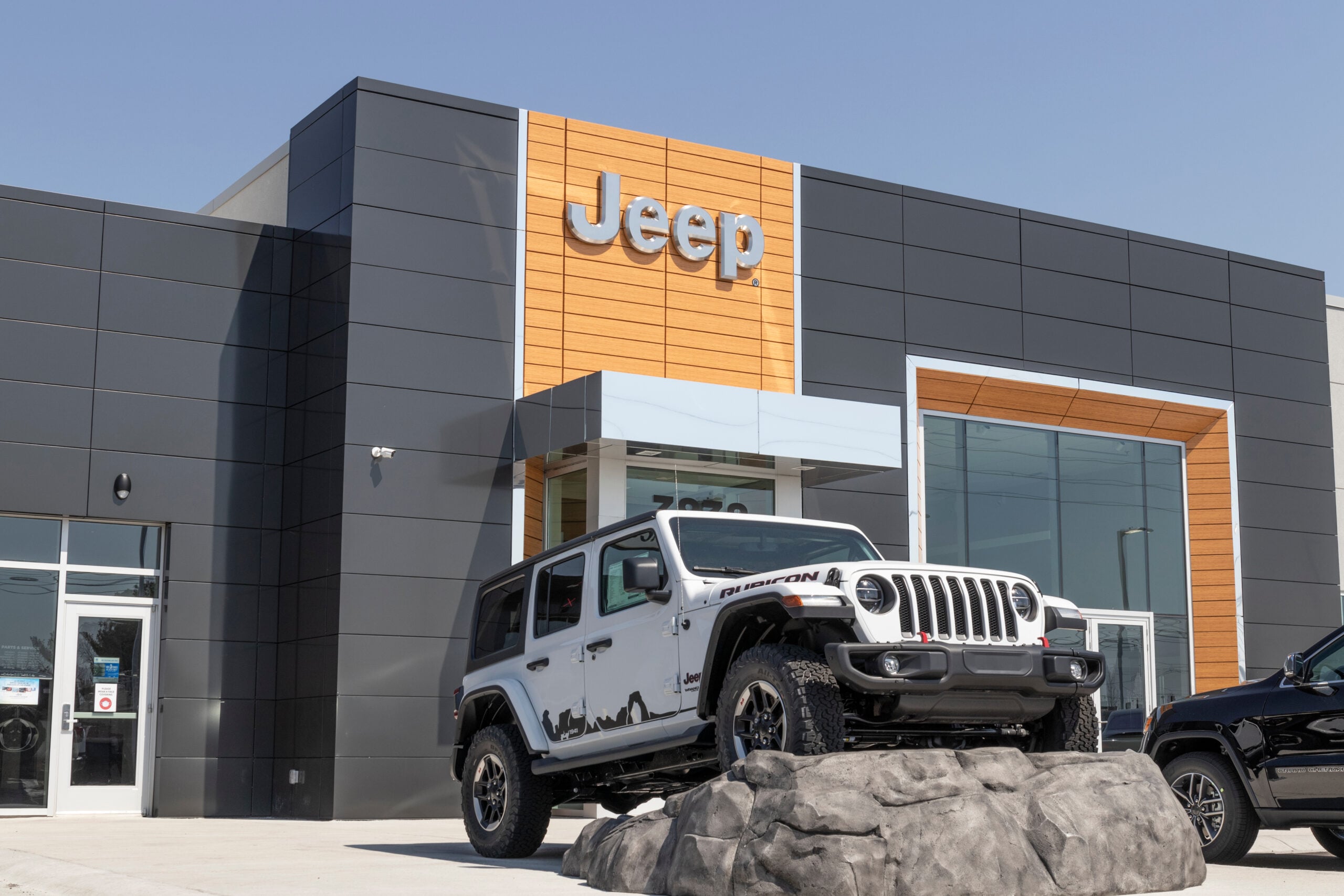
A New York man walked into a dealership expecting a fresh start and a new SUV. What he got instead was a vehicle with more miles on it than most people put on a car in several months, a bill thousands of dollars higher than what he agreed to, and a signature on a contract he says he never actually signed.
Louis Huertas is now taking Riverdale Chrysler Dodge Jeep Ram in the Bronx to federal court over what his lawsuit describes as a coordinated scheme to deceive him from the moment he stepped onto the lot. According to the complaint filed March 23 in U.S. District Court for the Southern District of New York, Huertas was sold a 2025 Jeep Grand Cherokee L advertised with just 13 miles on the odometer for an agreed price of $49,000. He signed the paperwork with an actual pen and paper, took the keys, and drove home thinking he had just purchased a brand-new vehicle.
The good news ended there. That same day, GM Financial Services reached out to flag a “discrepancy” in the vehicle’s mileage. When Huertas looked at his instrument cluster, the odometer read 6,216 miles. That is not a rounding error. That is a vehicle that had been driven the equivalent of a road trip from New York to Los Angeles and then some, sold to a customer as essentially untouched.
But the mileage was only the beginning. As Huertas dug deeper into the deal, he found that the sales contract listed a cash price of $51,400 rather than the $49,000 he had agreed to, and contained nearly $5,000 in products he never asked for or approved, including a $3,882 service contract and a $1,000 tire and rim protection plan. The complaint also alleges something that elevates this from a bad car deal to potential criminal territory: his electronic signature on the sales contract was forged.
What the Lawsuit Actually Claims
The complaint alleges multiple layers of wrongdoing that go well beyond a simple pricing mix-up. According to Huertas, the only document he signed electronically was a credit application. Every other document, he says, he signed the old-fashioned way, with a pen. Yet a digitally signed sales contract appeared bearing his name.
The lawsuit accuses Riverdale Chrysler Dodge Jeep Ram of fraud and violations of several federal and state laws, including the Truth in Lending Act, the federal Odometer Act, and New York’s motor vehicle and consumer protection statutes. It seeks both compensatory and punitive damages, meaning the court could order the dealership to pay far beyond just the amount in dispute if it finds the conduct was willful.
The complaint also contains language suggesting this was not a one-time mistake. It alleges the dealership “routinely” hides true borrowing costs from customers and “routinely” forges digital signatures to conceal inflated financing amounts. That language opens the door to a pattern-of-conduct argument, which could have serious implications if additional customers come forward.
Where GM Financial Fits In
GM Financial Services, the lending arm connected to this deal, is named as a co-defendant in the lawsuit. The reason is straightforward from a legal standpoint: because GM Financial is the assignee of the sales contract, meaning it purchased the loan from the dealership, it can be held liable for the terms of that contract under federal law.
Huertas’s attorney, Robert Nahoum of Pearl River, New York, made clear that lenders do not get a free pass just because they did not originate the deceptive deal. He said he is committed to holding both dealers and the lenders that enable them accountable for what he described as an automotive retail market “plagued by bad actors.” GM Financial declined to comment on the litigation, which is standard legal practice but will do little to quiet questions about how a loan with a falsely certified 6,216-mile odometer reading made it through any kind of review process.
The dealership’s general manager had not responded to requests for comment as of the time this lawsuit became public.
What Car Buyers Can Learn From This Case
If there is any silver lining to a story this frustrating, it is that the Huertas case is a masterclass in what car buyers should be doing to protect themselves, because he did some things right, and the gaps in his experience reveal exactly where dealerships can take advantage.
First and most importantly: always get copies of everything you sign before you leave the lot. Huertas signed his documents but was not given copies at the time. That made it harder for him to immediately spot the discrepancies between what he agreed to verbally and what ended up in the formal contract.
Second, inspect the vehicle thoroughly before driving off. A quick odometer check would have caught 6,216 miles immediately. It sounds obvious in hindsight, but in the excitement of buying a new car, many people skip this step.
Third, read the financing breakdown line by line. Add-on products like service contracts, tire protection, and gap insurance are legal products, but they must be disclosed and consented to. They should never appear on a final contract without a customer’s knowledge.
Finally, if something feels off when you get home, contact the lender directly as Huertas did. That call helped establish a paper trail that is now central to his lawsuit.
The Bigger Picture on Dealership Deception
Car dealership fraud complaints are nothing new, but cases involving alleged signature forgery and odometer tampering represent the more serious end of the spectrum. Federal law takes odometer fraud particularly seriously because it directly affects the resale value of a vehicle and the safety assumptions buyers make about a car’s wear and tear.
The Truth in Lending Act, also known as TILA, requires lenders and dealers to clearly disclose the true cost of a loan. Add-on products that inflate the financed amount without disclosure are a well-documented workaround that regulators have been trying to crack down on for years. Consumer advocates have long argued that the F&I (finance and insurance) office, where these products are typically sold, is one of the least transparent parts of the car-buying process.
Whether this case results in a settlement or goes to trial, it is a reminder that the handshake moment when you agree on a price is not the end of the deal. The paperwork that follows is where things can quietly go sideways, and buyers who do not scrutinize every line can find themselves paying for a very different car than the one they thought they bought.