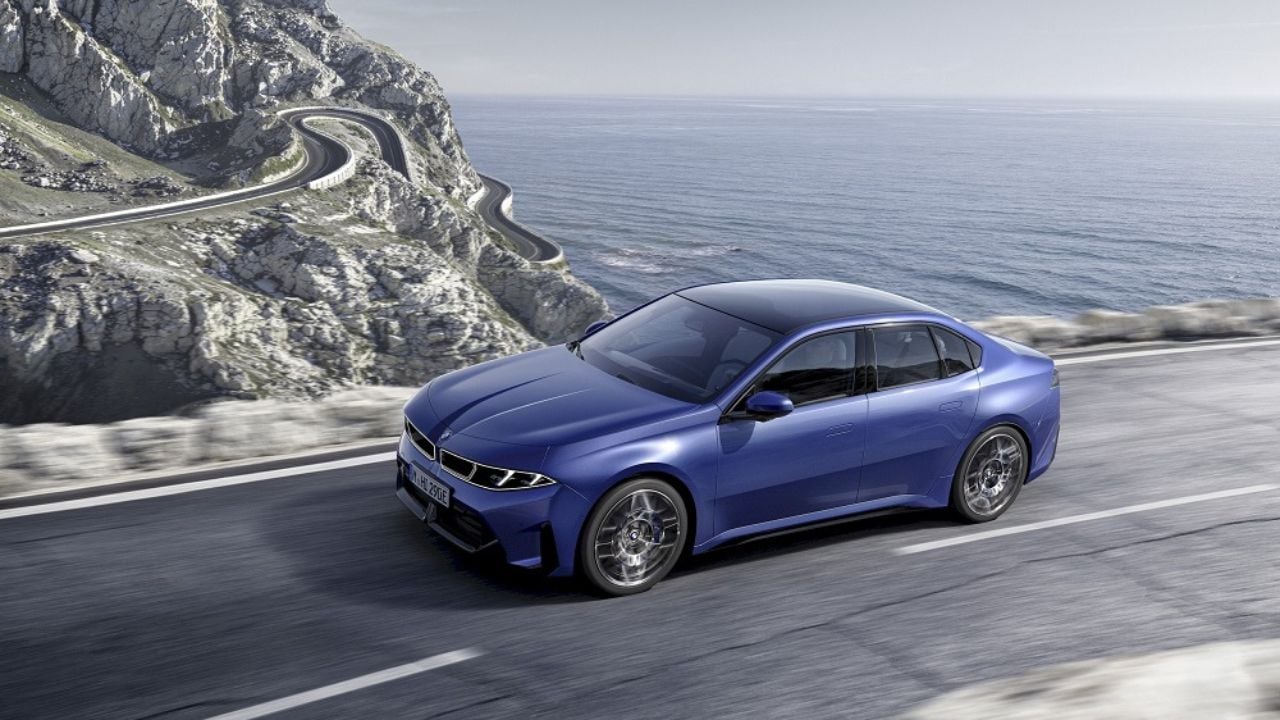
If you’ve ever dreamed of stretching out in the back of a BMW like a European executive being chauffeured to a very important cheese tasting, we have some news for you: BMW has officially looked at the American market, consulted its spreadsheets, and decided you’re not that person.
BMW’s product chief Bernd Körber confirmed in a recent interview that long-wheelbase (LWB) vehicles, those gloriously stretched versions of sedans with extra legroom engineered specifically for rear passengers, will not be coming to the United States. And before you fire off an angry letter, know that the decision isn’t arbitrary. It’s data-driven, which is the corporate way of saying “we asked, and you said no.”
The core issue is simple: American car buyers overwhelmingly prefer to sit in the driver’s seat, not the backseat. Long-wheelbase models are designed for markets where being driven around is a lifestyle, not just something that happens when you’ve had one too many at the company holiday party. In countries like China, extended versions of the 3 Series, 5 Series, and even electric models like the iX3 are genuine hits because rear-seat comfort is a serious priority. In the U.S., rear-seat comfort is something you consider for about 45 seconds before deciding you’d rather have a third-row SUV.
America Chose the Truck Lane, and BMW Is Fine With That
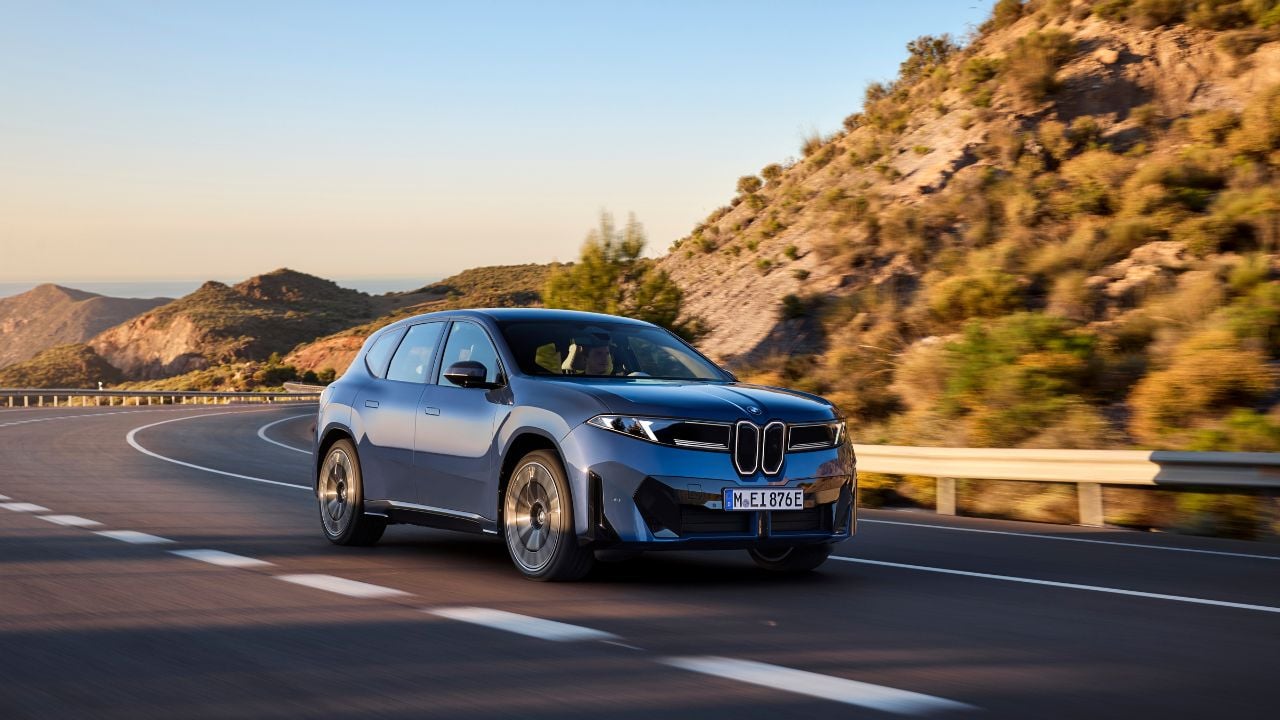
The broader cultural shift here is hard to ignore. Over the past decade, the American sedan has gone from family staple to endangered species. Buyers have migrated to SUVs and crossovers so aggressively that traditional sedans have been practically pushed off dealership lots. And what do Americans want from those SUVs? Cargo room. Flexibility. A seating position that makes them feel like they’re piloting something important. What they do not want, apparently, is a sedan that’s been quietly extended by a few inches in the middle like someone left it in the oven too long.
That creates a genuinely funny contradiction. BMW goes to the effort of engineering longer, more luxurious versions of its sedans for global markets, and the one country famous for loving bigger everything is the one saying “no thanks, we’re good.” It turns out “bigger” only counts when it applies to cup holders and cargo space, not rear-seat legroom.
BMW’s position also draws a sharp contrast with Mercedes-Benz, which continues to offer long-wheelbase luxury sedans in America. That’s a strategic fork in the road: Mercedes is betting that there’s enough demand from buyers who want a taste of that chauffeured lifestyle, while BMW is betting that its U.S. customers picked this brand specifically because they want to drive it themselves. Given how BMW has spent decades cultivating its “Ultimate Driving Machine” image, choosing the driver’s perspective over the passenger’s makes a certain kind of brand sense.
Until American preferences take a hard turn toward sitting in the back and letting someone else handle the freeway, long-wheelbase BMWs will stay exactly where the data says they belong: everywhere but here.