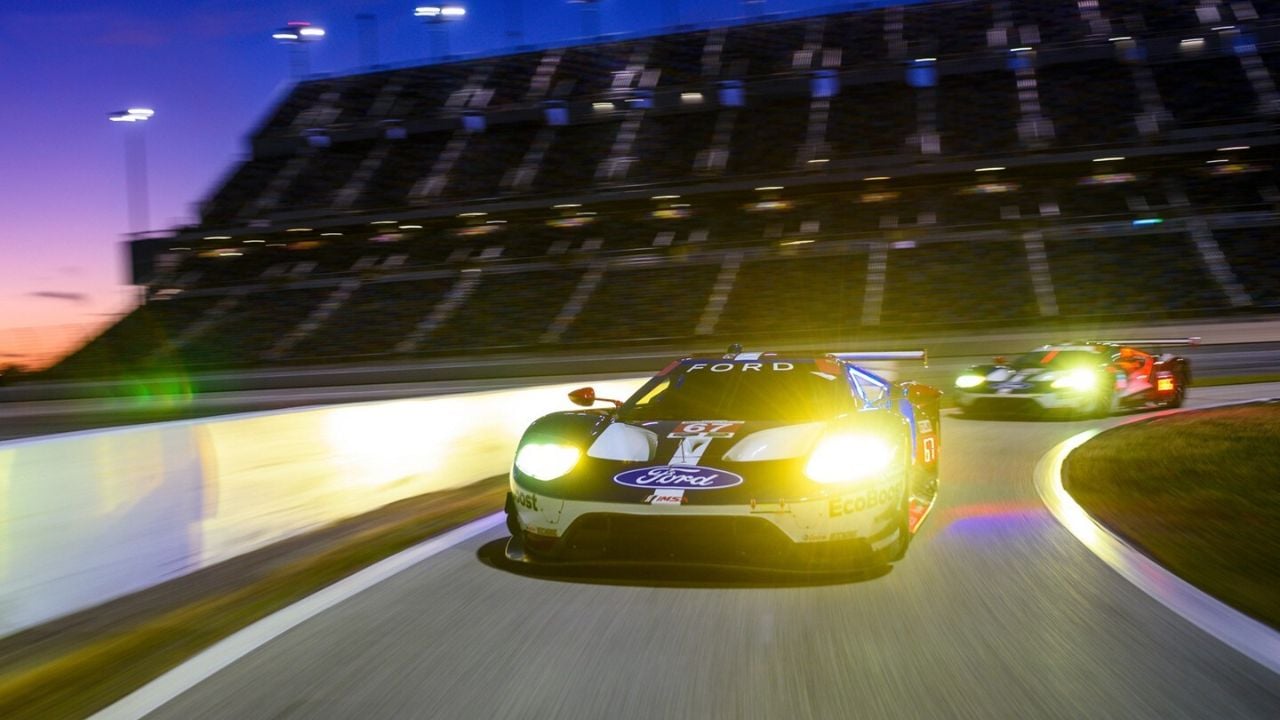
There was a time when you could identify a car by its engine note before you ever saw its taillights (some of us still can). When neighborhoods buzzed with cammed-out idles and open headers, and every driveway had a tale to tell. In the world of Ford, engines were the soundtrack of family road trips, Saturday night grudge matches, and decades of blue-collar grit.
We wanted to celebrate the Ford power plants that gave us not only torque and thrust, but identity and pride. Whether it came from a V8 Mustang, a heavy-duty diesel truck, or a flathead coupe heading down Main Street, these engines made every mile feel meaningful. They gave us a reason to grin after late nights of busted knuckles and stripped bolts.
Gears, Guts, and Good Sense
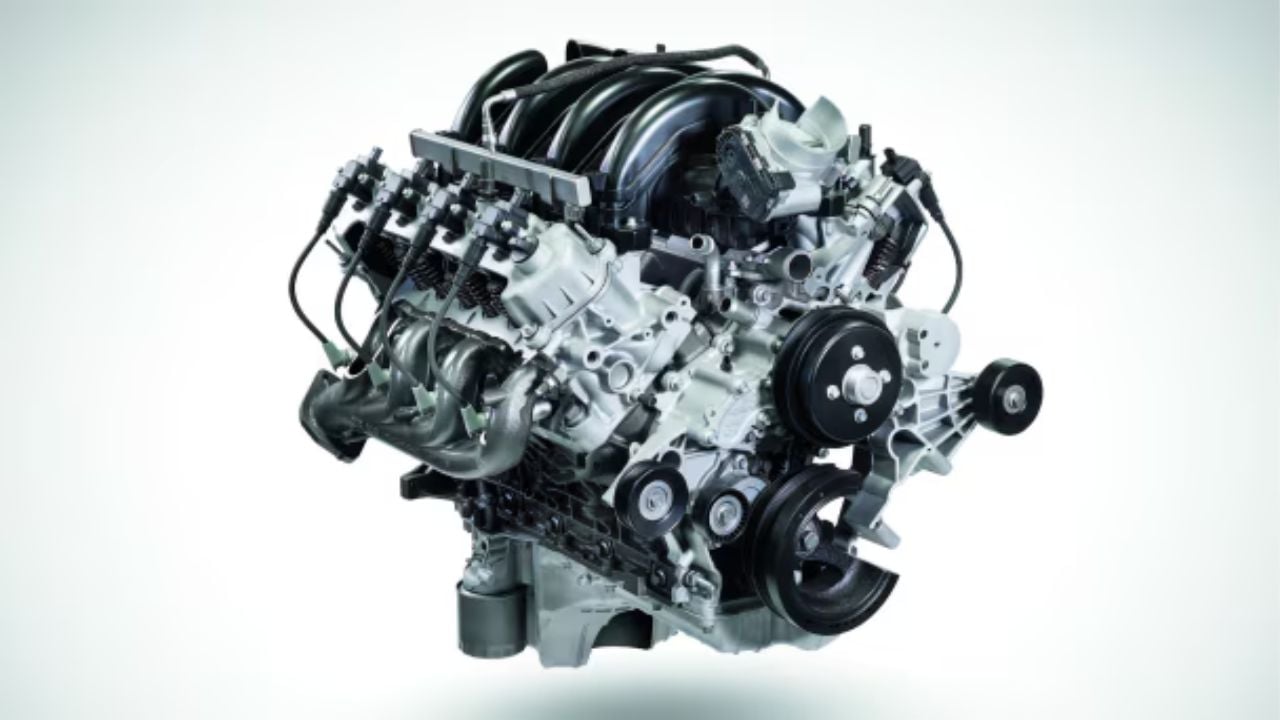
Selecting the best Ford engines ever made called for a mix of technical review, cultural impact, and sheer driver affection. This is an editorial deep-dive fueled by engineering significance and real-world resonance. Engines were chosen based on longevity, performance reputation, ease of modification, cultural legacy, and the notable vehicles that carried them.
The list draws from classic V8s to modern turbocharged innovations, aiming to represent the breadth of Ford’s mechanical excellence. Historical context, enthusiast popularity, and use across multiple platforms all played into the selection. With over 100 years of product, it was hard to narrow it down, so we settled on a solid dozen (but please forgive us if you’re personal favorite didn’t make the cut). Each engine on this list earned its place through more than raw numbers—it earned it through loyalty, legacy, and the memories it helped create on roads, tracks, and in garages everywhere.
Ford 5.0L H.O. V8 (302 Windsor)
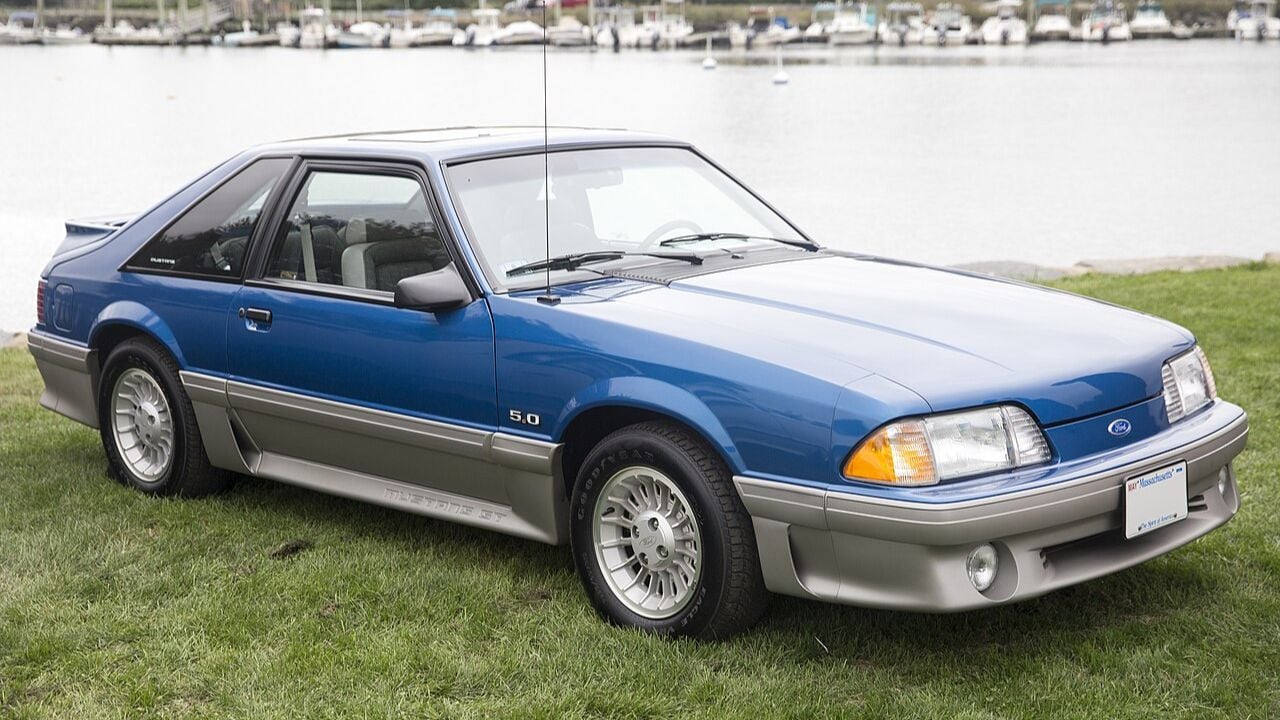
The 5.0 High Output V8 was the core of the Fox-body Mustang era. It brought power to the people during a time of tightening regulations. It remained simple and reliable, bringing joy back to the garage for weekend mechanics. With an iron block and hydraulic roller camshaft, it stayed both durable and tunable.
Enthusiasts enjoyed how it responded to bolt-ons, intake swaps, and headers. If you built it, you could blow it up on the drag strip on Friday and have it back in the car before you needed it to drive to work on Monday. The 5.0 H.O. helped Ford stay relevant in terms of performance. This engine appeared in several models, including the Ford Mustang GT and the Ford Thunderbird. These examples represent just a few of the many vehicles that benefited from this legendary V8.
Flathead V8 (1932)
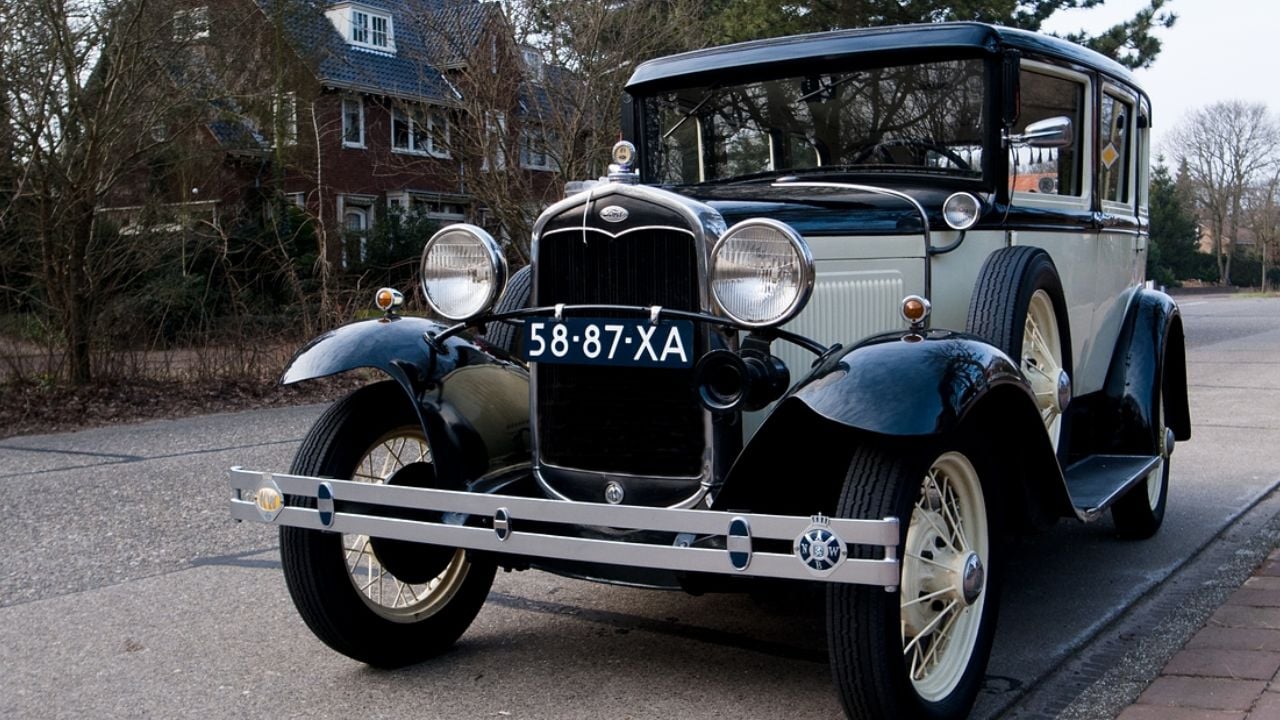
The flathead V8 became a revolution in accessible power. Introduced in 1932, it redefined what a car could be for American families, bringing the V8 to a wider audience for the first time. Before it, eight-cylinder engines were reserved for luxury brands.
Its side-valve design and cast iron block gave it a distinct character. It became a favorite among hot rodders who tuned and rebuilt them in home garages. This engine powered numerous models, including the 1932 Ford Model 18 and the Ford V8 Coupe. These examples illustrate its versatility and widespread use across Ford’s early lineup.
7.3L Power Stroke Diesel
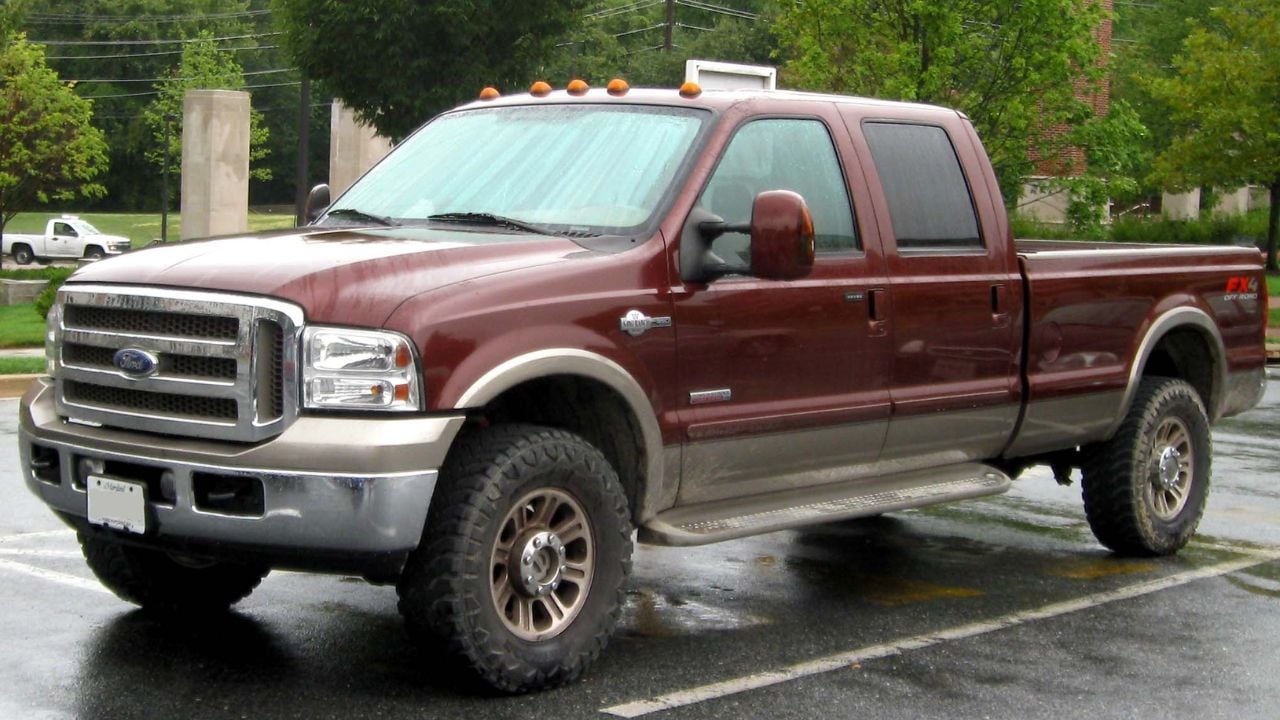
The 7.3L Power Stroke Diesel provided dependable strength in Ford Super Duty trucks from the mid-1990s through the early 2000s. It powered models like the F-250 and F-350, allowing owners to tow, haul, and travel long distances with confidence. Its hydraulic electronic fuel injection gave it smooth operation and respectable fuel economy for its size.
The engine delivered consistent torque that served heavy-duty needs in both commercial and personal use. Owners praised its longevity and capability under load.
Ford 390 FE V8
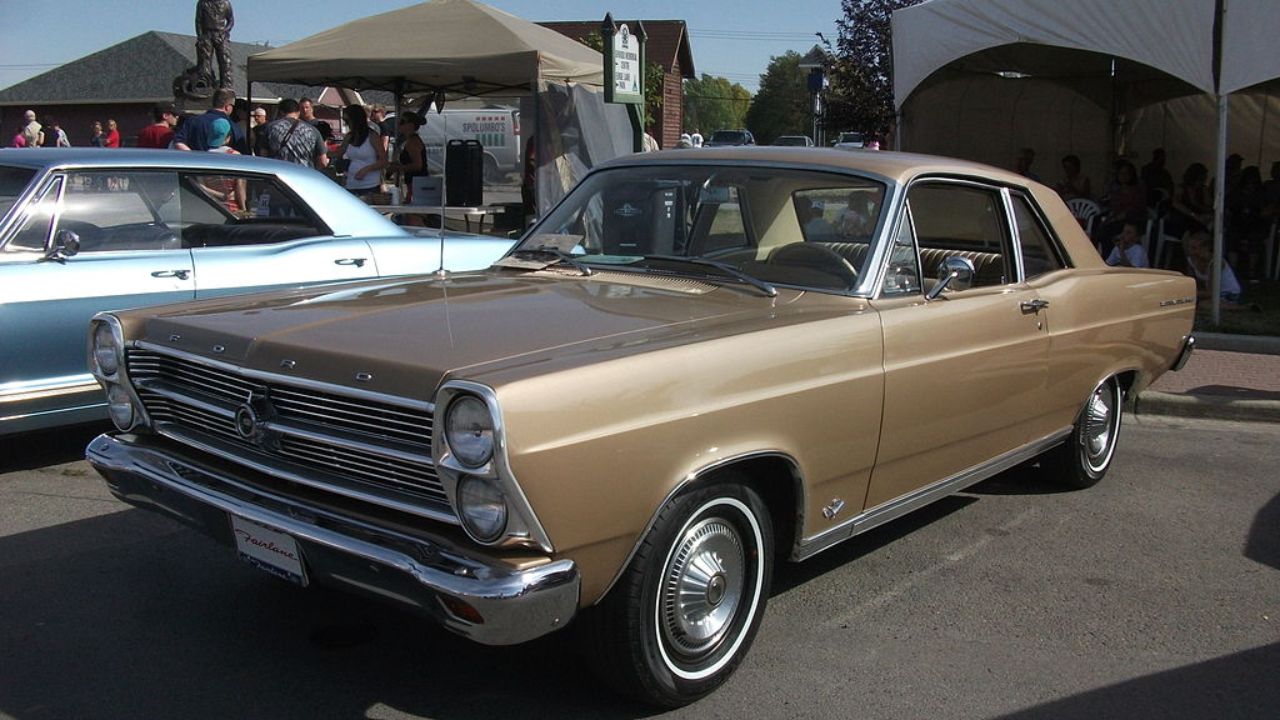
The 390 cubic inch FE V8 brought big power to many of Ford’s full-size cars and muscle models throughout the 1960s. This engine lived in the Ford Galaxie, Thunderbird, Mustang GT, and Fairlane GT. It created ample low-end torque and worked well in high-performance and cruiser builds alike. Drag strips and ovals hosted many cars with this engine at their heart.
Ford offered it with multiple carburetor setups, each adding a different flavor to the performance experience. NASCAR teams and street racers trusted its strength. The FE family gave Ford a competitive edge during a golden era of American horsepower.
5.4L Supercharged V8
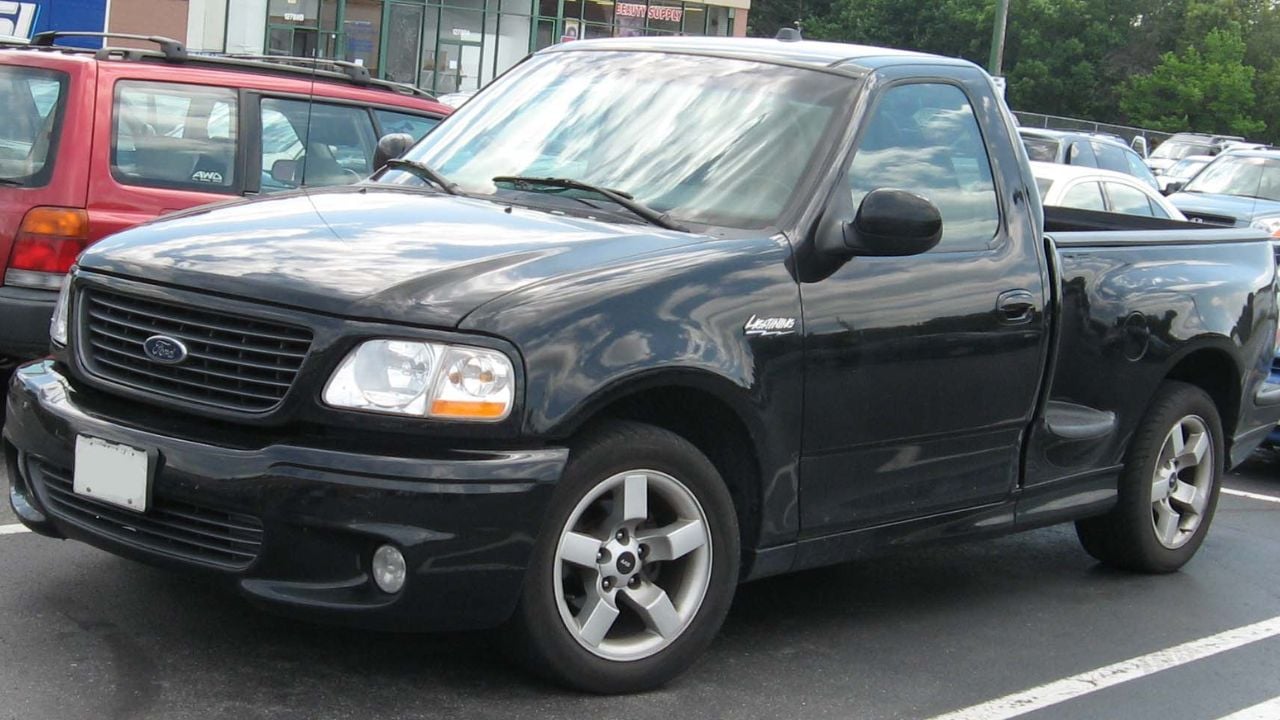
The 5.4L Supercharged V8 found its fame under the hood of the second-generation SVT Lightning pickup and the Shelby GT500 Mustang. Its Eaton blower gave it explosive acceleration and a distinct whine that excited performance fans. In the Ford GT supercar, this engine showed world-class potential with refined engineering and brute force.
It featured a forged crankshaft and deep-breathing heads that delivered durability at high boost levels. Enthusiasts enjoyed upgrading pulleys, intakes, and exhausts for instant gains.
Ford 427 SOHC “Cammer”
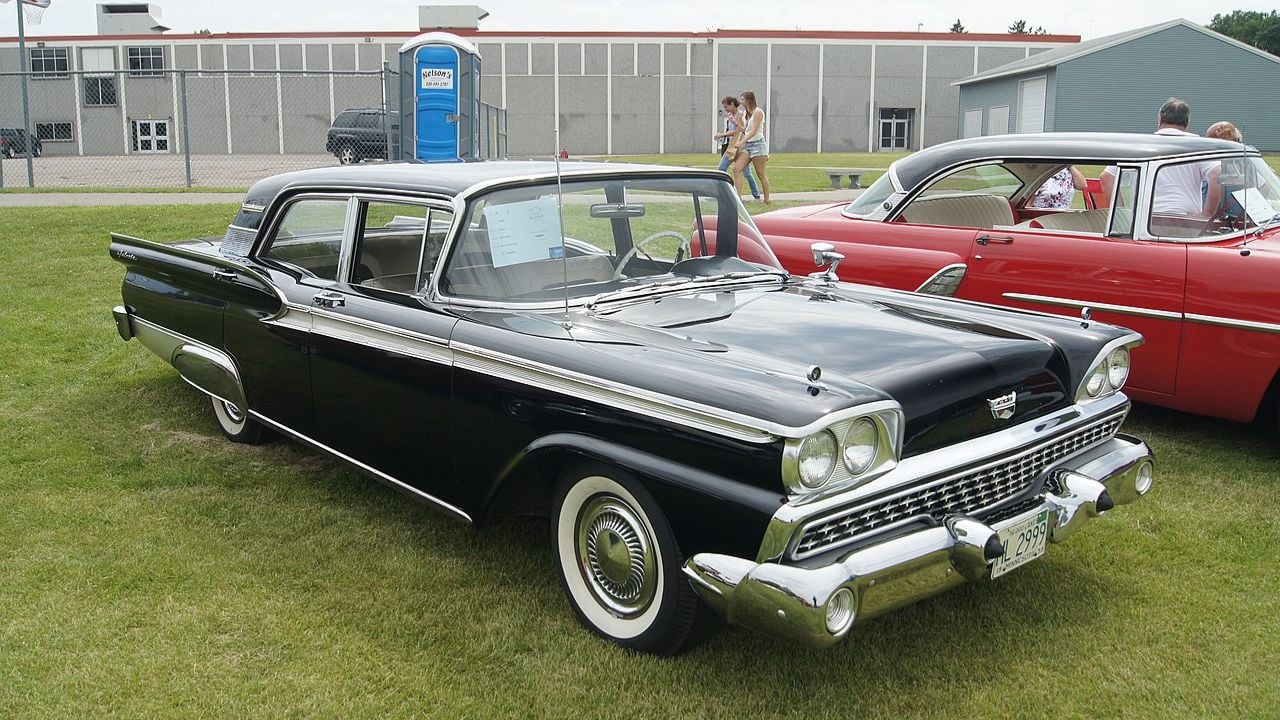
The 427 SOHC V8—known as the “Cammer” —stood out as one of Ford’s most advanced engines in the 1960s. It powered purpose-built drag cars like the Ford Galaxie Lightweight and was designed to challenge rivals in motorsports. Its overhead cam layout and hemispherical combustion chambers gave it massive breathing capacity. In NHRA Top Fuel classes, this engine became a staple of dominance.
The Cammer offered high-RPM capability and strength for extended full-throttle use. Its long timing chain and exotic design attracted collectors and builders alike. While never installed in mass-production street vehicles, it saw use in many racing-modified Ford Galaxies and Fairlanes.
6.7L Power Stroke V8 Diesel

The 6.7L Power Stroke Diesel V8 became Ford’s in-house solution for modern diesel trucks. It arrived in the 2011 Super Duty lineup, including the F-250, F-350, and F-450, and featured a unique reverse-flow layout and turbocharger in the engine valley.
Owners experienced strong towing capabilities and refined power delivery. The compacted graphite iron block and aluminum heads provided excellent thermal management. This engine balanced emissions standards with real-world performance.
2.3L Ecoboost I4

Ford’s 2.3L EcoBoost inline-four brought turbocharged fun to modern platforms. It found a home in the Ford Mustang EcoBoost, Ford Focus RS, and Ford Explorer. With direct injection and a twin-scroll turbocharger, it delivered quick response and high efficiency. This engine allowed smaller, lighter vehicles to perform with excitement.
Drivers appreciated its strong midrange torque and rev-happy personality. The Focus RS in particular highlighted this engine’s tuning potential. Ford used the 2.3L EcoBoost globally, adding consistency to their performance image.
3.5L Ecoboost V6

The 3.5L EcoBoost V6 combined technology and power in a way that reached across Ford’s entire lineup. It powered the F-150, Expedition, and Ford GT supercar. Twin turbochargers and direct injection provided seamless torque delivery. The GT’s Le Mans win in 2016 proved this engine’s racing capability. In trucks, it hauled and towed with ease while delivering impressive fuel economy. Engineers designed this V6 for strength and smoothness.
The F-150 Raptor used a high-output version for serious off-road performance.
429 Cobra Jet

Muscle car fanatics can release the breath they’ve been holding in waiting to see if we forgot the 429. We didn’t. Who could? The 429 Cobra Jet V8 added firepower to Ford’s muscle cars in the early 1970s. It lived in the Ford Torino Cobra, Mustang Mach 1, and Mercury Cyclone Spoiler. Massive ports and aggressive cam timing gave it strong top-end performance. Ford equipped many of these cars with Shaker hoods and bold striping, adding to their appeal. Street racers admired its straight-line strength.
The engine produced thunderous sound and commanding acceleration. Muscle car fans collected these models for their rarity and impact. An engine so great that we celebrate it every April 29th (get it, 4/29). Seriously.
6.2L Boss V8
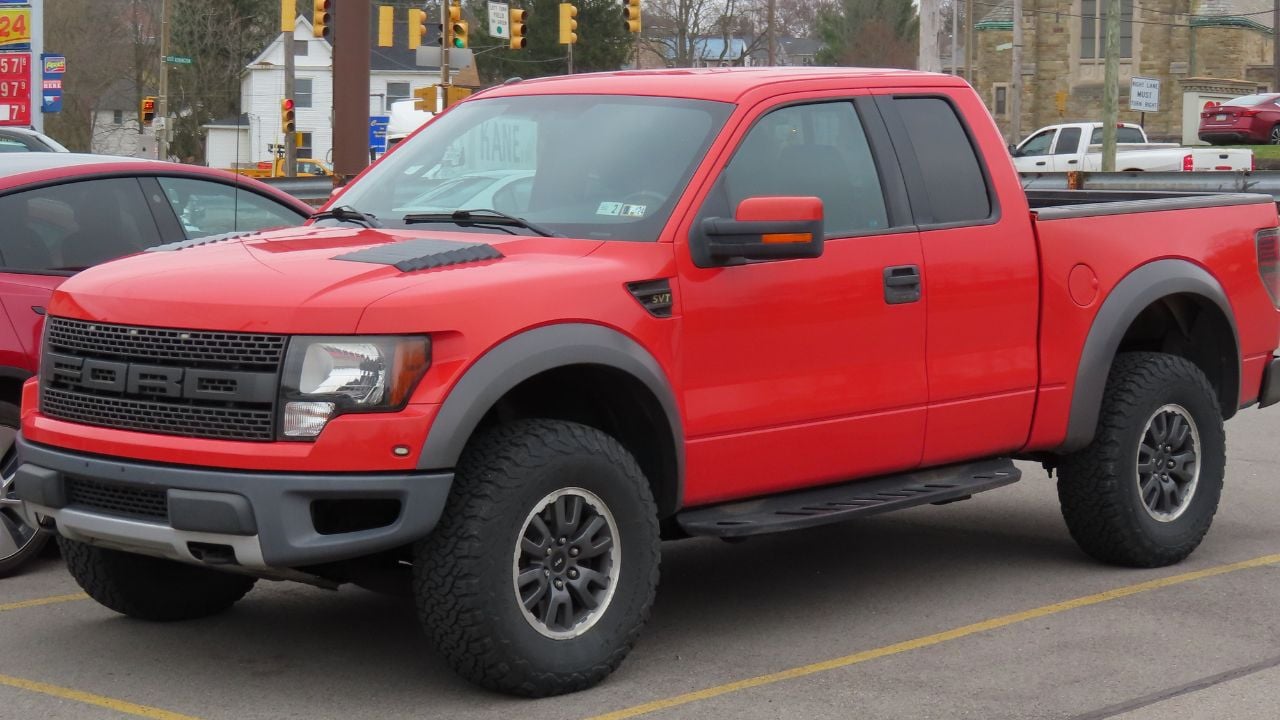
The 6.2L Boss V8 became the heart of Ford’s heavy-duty truck and off-road lineup. It served in the F-250 Super Duty and the first-generation F-150 Raptor. Its cast-iron block, two-valve heads, and forged internals created durability under load. The engine performed admirably in hot, cold, and dusty conditions. Ford engineers tested it in off-road races and high-altitude towing trials.
The Raptor used this engine to tackle challenging desert terrain. It offered excellent throttle response and solid torque for large vehicles.
Coyote 5.0L V8
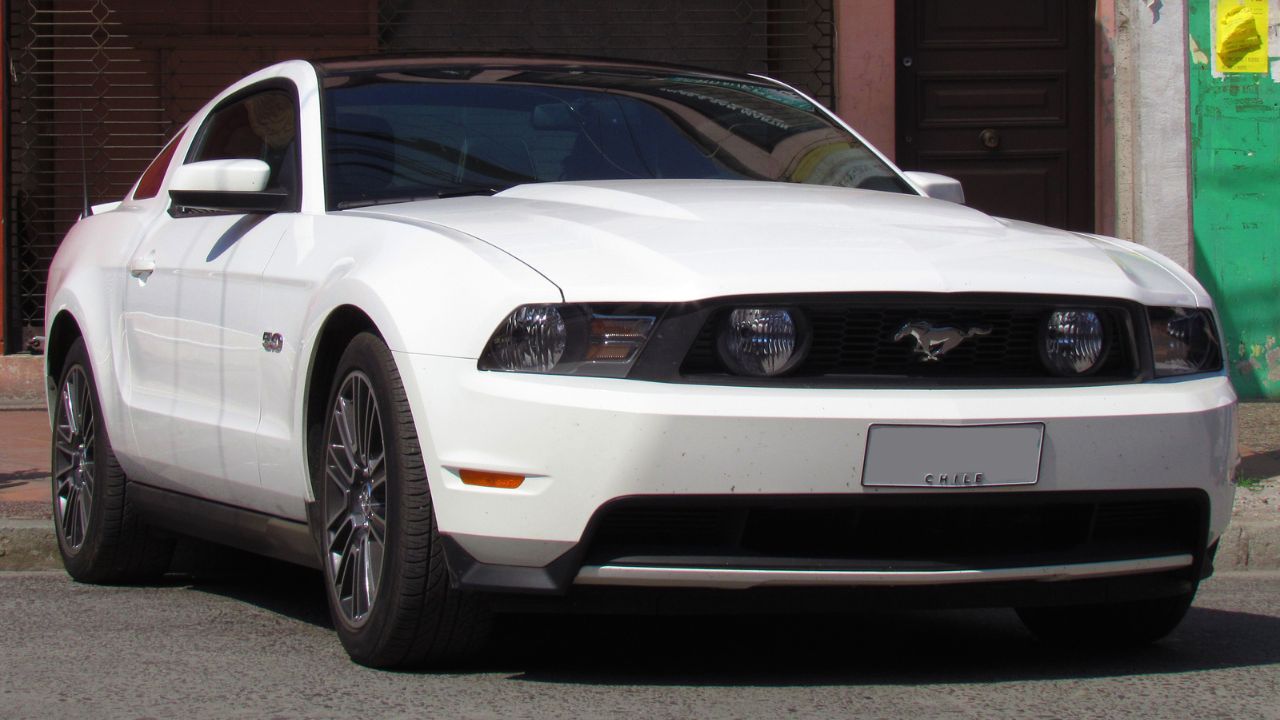
Ford’s Coyote 5.0L V8 arrived in 2011 and brought a new era of muscle to the Mustang GT and F-150. It featured dual overhead cams, variable valve timing, and high-revving characteristics. The engine delivered smooth acceleration and an exhilarating exhaust note. Ford’s engineers gave it a modular design, allowing future growth.
In the Mustang, it became the centerpiece of modern performance trim levels. Tuners and racers praised its strong aftermarket support. The F-150 benefited from its torque and reliability.
The Last Turn of the Key

These engines powered grocery runs, drag races, summer road trips, and lifetime memories. Each one built a legacy with its roar, its resilience, and its role in Ford’s story. Whether under the hood of a humble pickup or a track-ready legend, these engines gave identity to the blue oval. In garages and conversations across the world, they still spark joy and pride.
Here’s to the iron, the gas, and the grit that made them great, and to the drivers who never let them be forgotten.