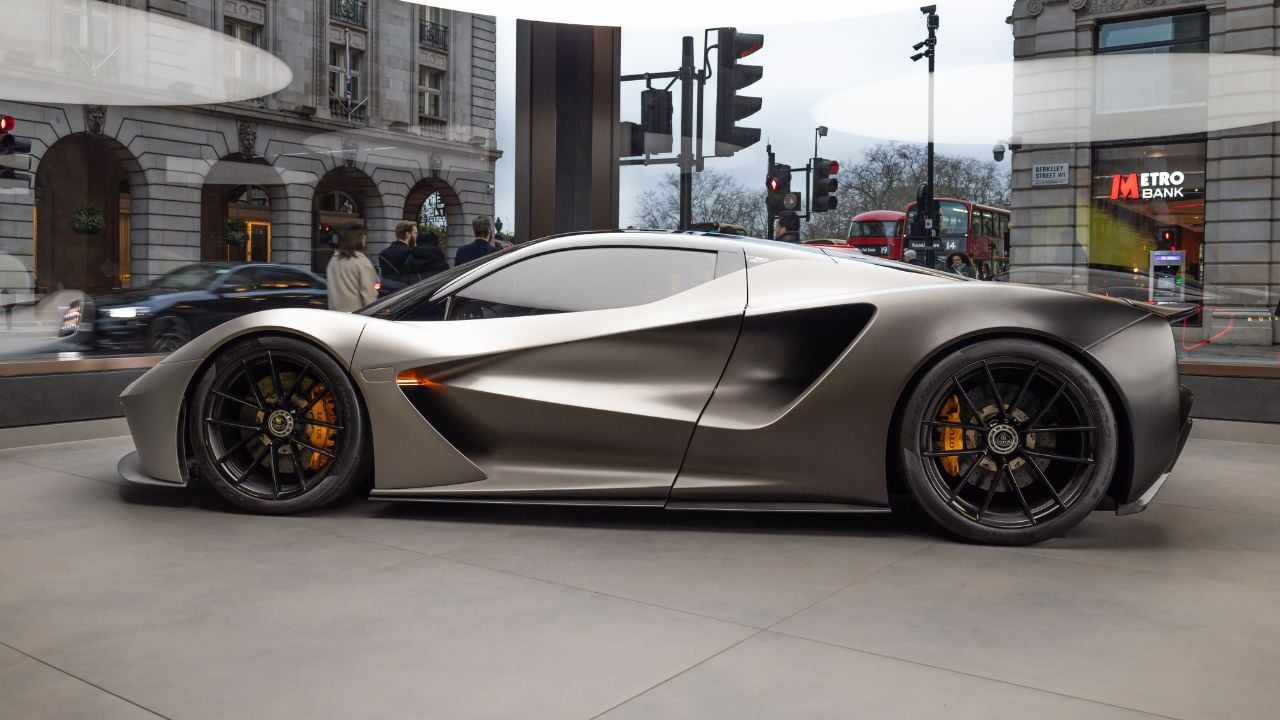
With otherworldly speed, dramatic designs, and price tags that often start in the millions, hypercars are built to amaze. They’re rare, extreme, and usually reserved for collectors, celebrities, or drivers with a private racetrack and a full-time pit crew. For most of us, they remain the stuff of posters and daydreams.
But you don’t need an offshore bank account or a custom garage to go fast. In recent years, a new wave of high-performance cars has arrived. These machines offer near-hypercar speed and cutting-edge engineering for a fraction of the cost. They may not come with carbon-fiber monocoques or Formula 1 roots, but when the light turns green, they can run with the best of them.
How We Picked These Cars

We paired some of the most iconic hypercars with lower-cost alternatives that deliver thrilling performance. These “budget beasts” might lack the exclusivity or luxury finishes of their exotic counterparts, but they bring real-world speed and driving joy.
We looked for:
- Near-equal performance: 0–60 mph times and top speed
- Innovation: hybrid systems, EV engineering, or clever powertrains
- Price gap: Affordable alternatives must cost significantly less
- Street legality and usability
Hypercar: McLaren Speedtail

McLaren’s Speedtail is the kind of car that feels more like a sci-fi concept than something you can actually buy, but a few lucky collectors did. With a $2 million price tag and an invite-only purchase process, exclusivity was baked in from the start. And at a top speed of 250 mph, its performance easily lives up to the hype.
Interestingly, the Speedtail channels the spirit of McLaren’s legendary F1. Like its predecessor, it features a unique three-seat layout with the driver front and center. But under the sleek, elongated body sits a very modern heart: a 4.0-liter twin-turbo V8 paired with a petrol electric hybrid powertrain. Altogether, the Speedtail cranks out an astonishing 1,036 horsepower, making it one of the fastest and most futuristic cars McLaren has ever built.
Alternative: McLaren Artura
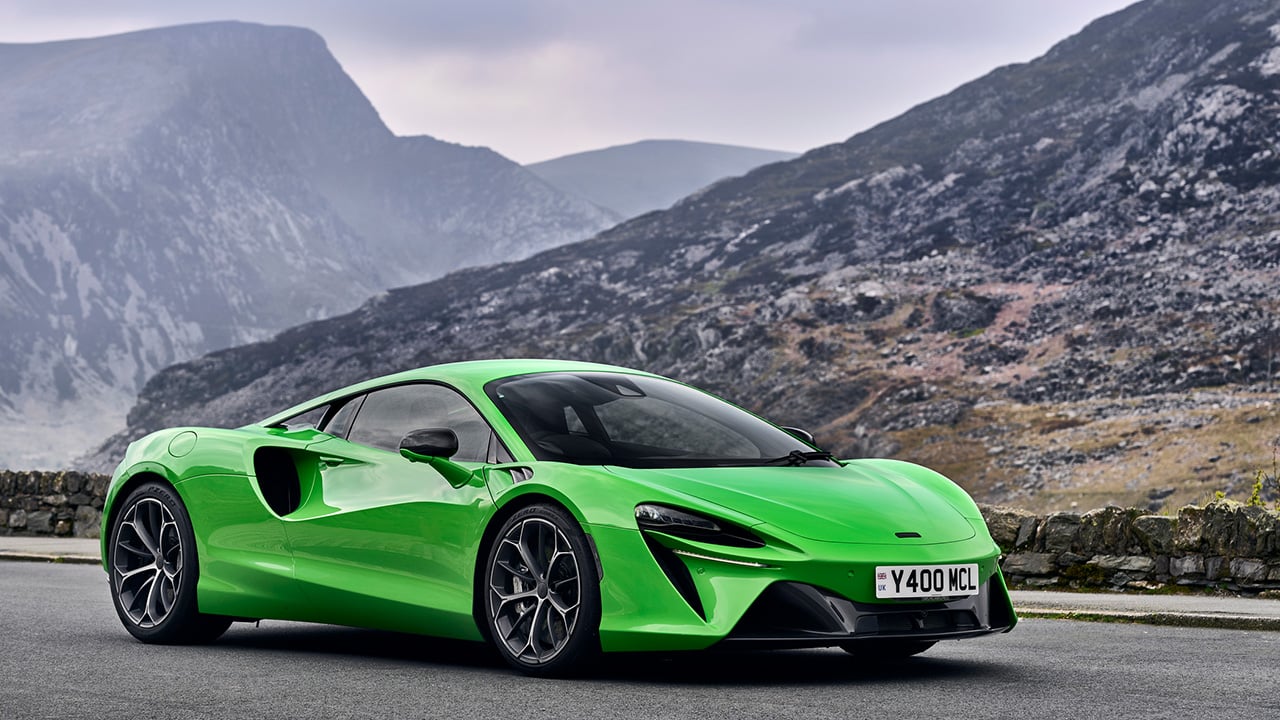
The McLaren Artura may not have the jaw-dropping price tag of its big brother, the Speedtail, but don’t let that fool you; it’s no slouch. With pricing that starts around $238,000 for the coupe, it’s still a serious investment, yet one that delivers stunning performance. With a 3.0-liter twin-turbo V6 and a hybrid system under the hood, McLaren claims 0 to 62 mph in 3.0 seconds and a 205 mph top speed.
It might have fewer cylinders and less horsepower (671 to be exact), but the Artura proves that you don’t need a million-dollar budget to play in the big leagues. It brings McLaren’s cutting-edge engineering to a more accessible level, offering supercar thrills with just a touch more practicality.
Hypercar: Ferrari LaFerrari

When people think of hypercars, Ferrari is usually one of the first names that comes to mind, and for good reason. Ever since the F40 shattered expectations by becoming the brand’s first true 200 mph car, Ferrari has been pushing the limits of performance. The LaFerrari continues that legacy as one of the most exclusive and advanced cars the company has ever built. With only 499 units produced, it was offered by invitation only to Ferrari’s most loyal clientele.
Under the sculpted bodywork sits a 6.3-liter V12 paired with an F1-derived KERS hybrid system, delivering a combined 963 horsepower. It’s a ferocious powertrain that blends old-school muscle with cutting-edge tech. Ferrari did not market the LaFerrari as an EV capable model, but it can creep on electric power in very limited situations, with the system primarily designed for performance rather than electric only driving. It’s a hypercar built for speed, not subtlety.
Alternative: Ferrari 296 GTB

Ferrari may reserve its hypercars for the ultra-elite, but the 296 GTB offers a surprisingly accessible on-ramp into the world of Maranello performance. Designed to attract a new generation of enthusiasts, the 296 GTB blends exotic style and cutting-edge tech with a more approachable price, at least by Ferrari standards. It’s also a smart move on Ferrari’s part, building brand loyalty with drivers who may one day graduate to the rarified world of limited-run flagships.
Don’t let the smaller engine fool you. The 296 GTB’s 3.0-liter turbocharged V6 is paired with an electric motor for a combined 819 horsepower, and it’s shockingly quick. In testing, the 296 GTB has been recorded at 2.4 seconds to 60 mph, putting it in the same conversation for straight line pace. Its top speed of 205 mph isn’t far off either, proving you don’t need a V12, or a collector’s invite, to experience true Ferrari performance.
Hypercar: Ford GT Heritage Edition
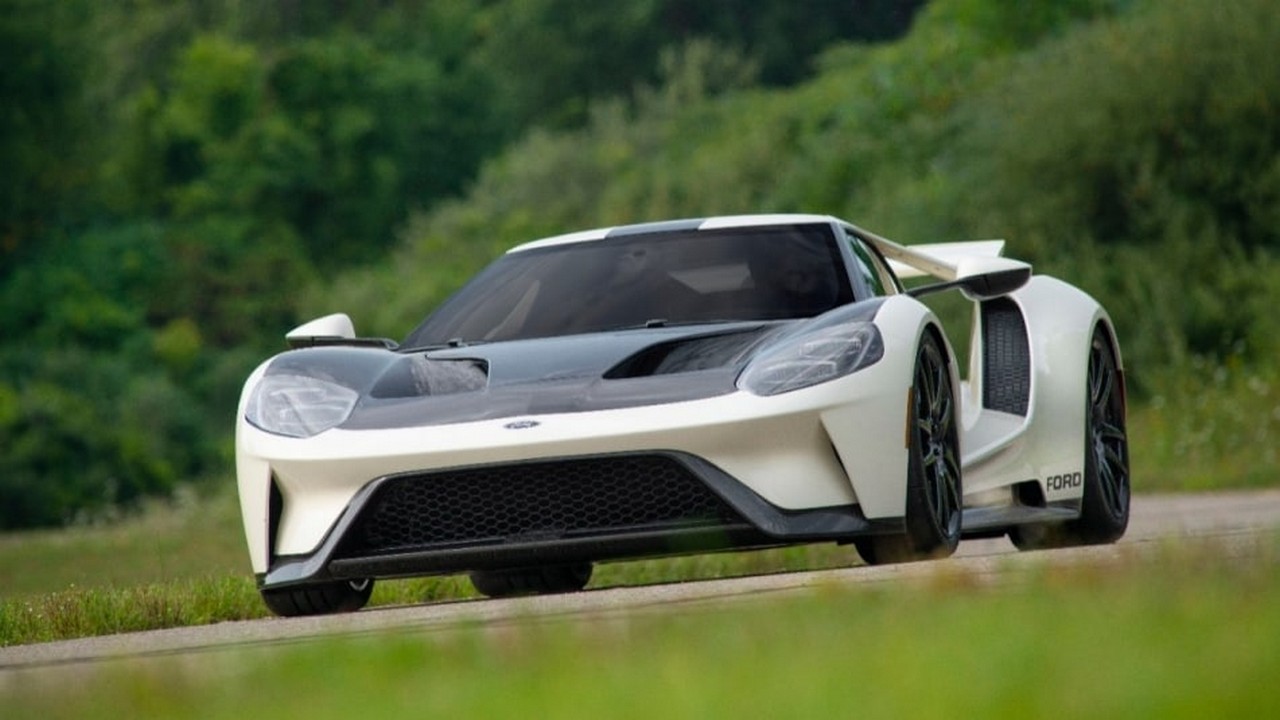
If there’s one car that captures the spirit of American racing glory, it’s the Ford GT. Inspired by the legendary Le Mans battles with Ferrari in the 1960s, the modern GT is more than a nod to the past, it’s a full-blown hypercar with serious street cred. Over three generations, Ford has used the GT to show the world what it’s capable of when it dials everything up to 11.
That said, it’s worth noting the GT is no longer available new. Ford wrapped up production in 2022, and even when it was on sale, it wasn’t exactly easy to get. Buyers had to apply and be approved by Ford, and the price tag was around $500,000 when new, and Ford used an application process for buyers. Still, it’s an impressive machine. The last generation swapped out big, old-school V8s for a compact 3.5-liter EcoBoost V6, but don’t let the smaller size fool you. With over 660 horsepower (not quite 800, but still potent), active aerodynamics, and a carbon fiber body, it’s a technical marvel built for performance.
Alternative: Chevrolet Corvette Z06

Trading the Ford GT’s exotic curves for the sharper, more muscular lines of the Chevrolet Corvette Z06 might not feel like a big downgrade, especially when you factor in performance and price. Both cars share a mid-engine layout and aggressive aerodynamics, but the Z06 comes in at a fraction of the cost. For just over $115,000, Chevrolet offers a track weapon that delivers serious bang for the buck.
Under the hood is a naturally aspirated 5.5-liter flat-plane V8 making 670 horsepower, and it sings all the way to 8,600 rpm. The lightweight chassis and balanced handling make the Z06 a precision tool that hits 60 mph in just 2.7 seconds. And if you want even more, Chevrolet has a ZR1 on the horizon, promising to push the boundaries even further.
Hypercar: Aston Martin Valkyrie

The Aston Martin Valkyrie is a physics experiment in motion. With a price tag north of $3 million, it delivers the kind of exclusivity usually reserved for Formula 1 drivers and billionaires. That price nets you one of the most extreme road-legal cars ever built, complete with a Cosworth 6.5-liter naturally aspirated V12 and a KERS-style hybrid boost system. Total output is commonly listed around 1,139 hp for the road car powertrain.
Designed by legendary F1 engineer Adrian Newey, the Valkyrie uses a carbon-fiber monocoque and track-grade aerodynamics with performance figures often estimated around 2.3 seconds to 60 mph, while Aston Martin has not published a definitive 250 mph top speed claim for the road car. Only 150 road cars will be made, making this hypercar more unicorn than showroom staple. If you’re looking for raw performance fused with racecar tech, the Valkyrie is as close as it gets without a pit crew.
Alternative: Ultima RS LT5

Getting hypercar-level speed without the seven-figure price tag might sound like a fantasy, but Ultima Cars makes it real. This small British outfit has made a name for itself by dropping burly American V8s into ultra-lightweight, track-honed bodies. Their latest and most outrageous machine, the Ultima RS LT5, pairs a supercharged 6.2-liter Chevy LT5 V8 with a featherweight chassis to astonishing effect.
The numbers are manufacturer claimed: 0 to 60 in 2.3 seconds and a top speed north of 250 mph in the highest output configuration. For context, that’s faster than most hypercars on this list. And while previous Ultimas required buyers to finish the kit themselves, the RS comes fully assembled in select markets. Pricing varies by specification and market, and the RS is commonly sold as a build it yourself component car, with up to 1,200 hp available in top configurations and a drive that’s anything but tame. It may fly under the radar, but for pure bang-for-buck speed, the RS LT5 is almost unbeatable.
Hypercar: Lotus Evija
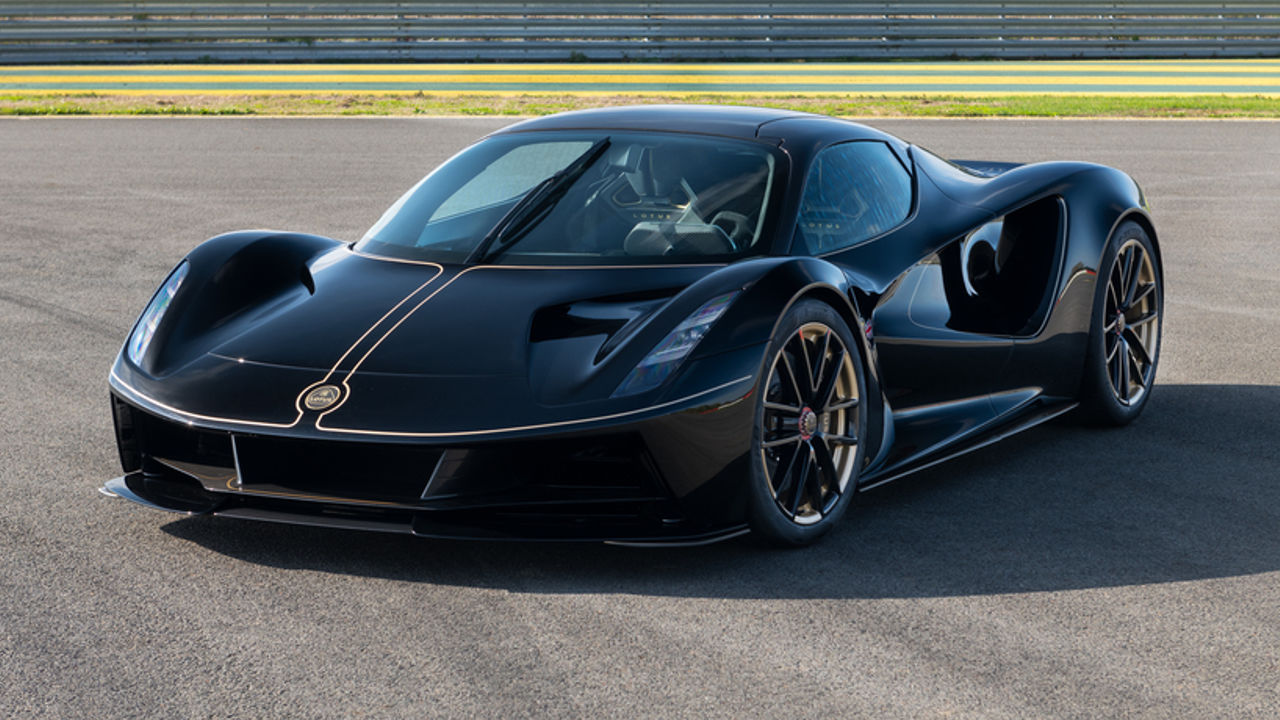
The Lotus Evija is proof that even a brand rooted in lightness and simplicity can go all-in on the electric hypercar revolution. True to Lotus form, the Evija doesn’t try to reinvent every wheel, it pulls from proven specialists. Its four motors are supplied by Integral Powertrain and are commonly listed at 375 kW each, for roughly 2,011 hp total system output. The Evija was initially linked to a 70 kWh pack developed with Williams Advanced Engineering, and later reports describe a switch to a 93 kWh pack supplied through other partners. Output is commonly listed at about 2,011 hp.
At $2.3 million, it’s far from a budget buy. But Lotus claims a sub-three-second dash to 60 mph and a top speed north of 217 mph, which puts it right in the hypercar elite. For EV fans craving supercar soul with spaceship performance, the Evija makes a very compelling case.
Alternative: Porsche 911 Turbo

For decades, the Porsche 911 Turbo has been the go-to example of accessible supercar performance, and it still holds up. In 2026 Turbo S form, pricing starts around $272,650, it’s far from cheap, but when you realize that it can keep up with million-dollar hypercars in a straight line, hitting 60 mph in just 2.4 seconds, you start to see why it’s such a fan favorite. It delivers a near-perfect blend of power, polish, and practicality.
Under the hood is a 3.7-liter twin-turbo flat-six making 572 horsepower. That may not sound like much next to the four-digit power figures of hypercars, but smart engineering and all-wheel drive help it punch well above its weight. More importantly, you can actually drive it every day. It’s the rare supercar that’s just as happy on a grocery run as it is on a racetrack.
Hypercar: Praga Bohema
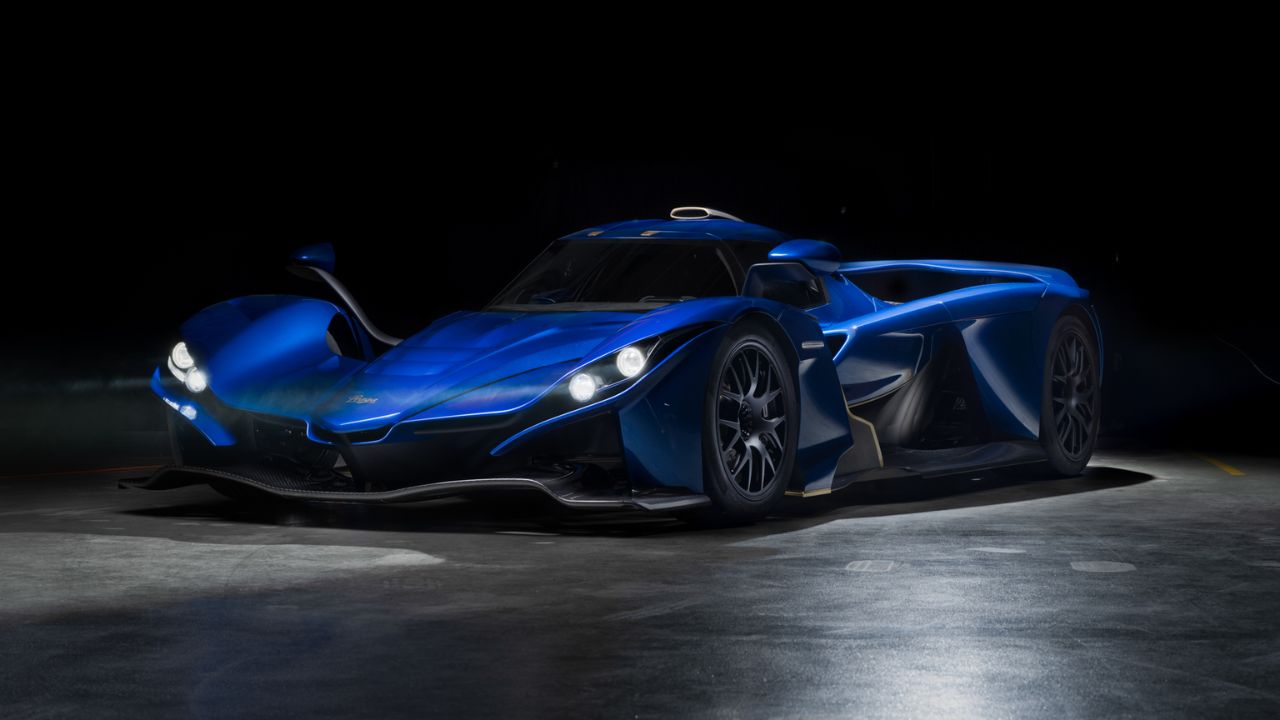
The Praga Bohema might look like a track toy that accidentally wandered onto public roads, but make no mistake, this Czech-built hypercar is road legal. Limited to just 89 units and priced at $1.5 million, it’s about as rare as they come. Its dramatic styling, carbon fiber construction, and aggressive aerodynamics are all cues that it means business. Still, what really sets the Bohema apart is what’s hiding under the skin.
Instead of relying on a complex hybrid setup or a bespoke powertrain, Praga took a more practical, and frankly brilliant, approach. The Bohema is powered by a twin turbocharged 3.8 liter V6, tuned for 700 bhp. Tuned by Litchfield Engineering in the UK, the engine pushes out 700 horsepower. Praga emphasizes its 700 bhp output and a 300 plus km/h top speed, while acceleration figures vary by source and are best left as claimed rather than stated as a single verified number. It may not be the fastest on this list, but it blends real-world usability with exotic performance in a way few cars manage.
Alternative: Ariel Atom 4
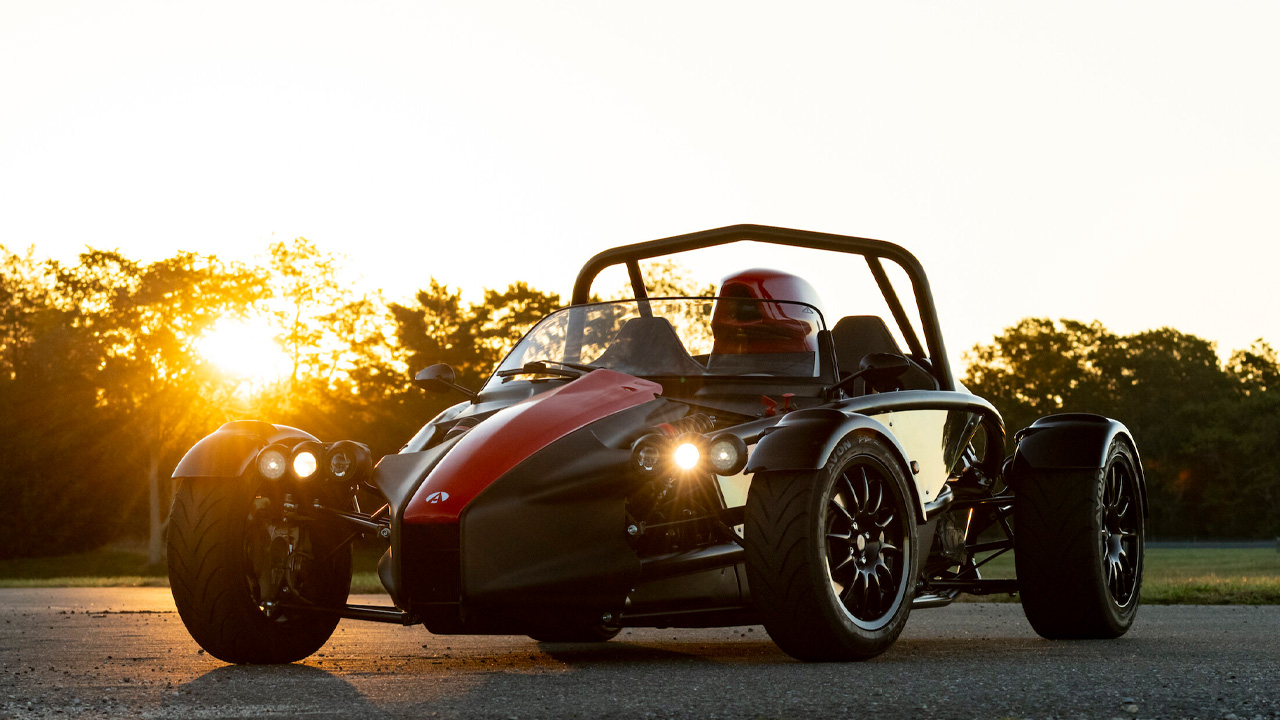
The Ariel Atom 4 may not look like a traditional performance car, but that’s exactly the point. Stripped of body panels and excess weight, this British-built exoskeleton delivers raw speed in its purest form. Power comes from a turbocharged Honda Civic Type R sourced engine making about 320 hp.
That might not sound like much compared to four-figure hypercars, but the Atom’s featherweight chassis makes every pony count. With a 0 to 60 mph time of just 2.8 seconds, it can go toe-to-toe with cars many times its price. Best of all, it starts under $90,000, an astonishing value for such a thrill machine.
Hypercar: Hennessey Venom F5

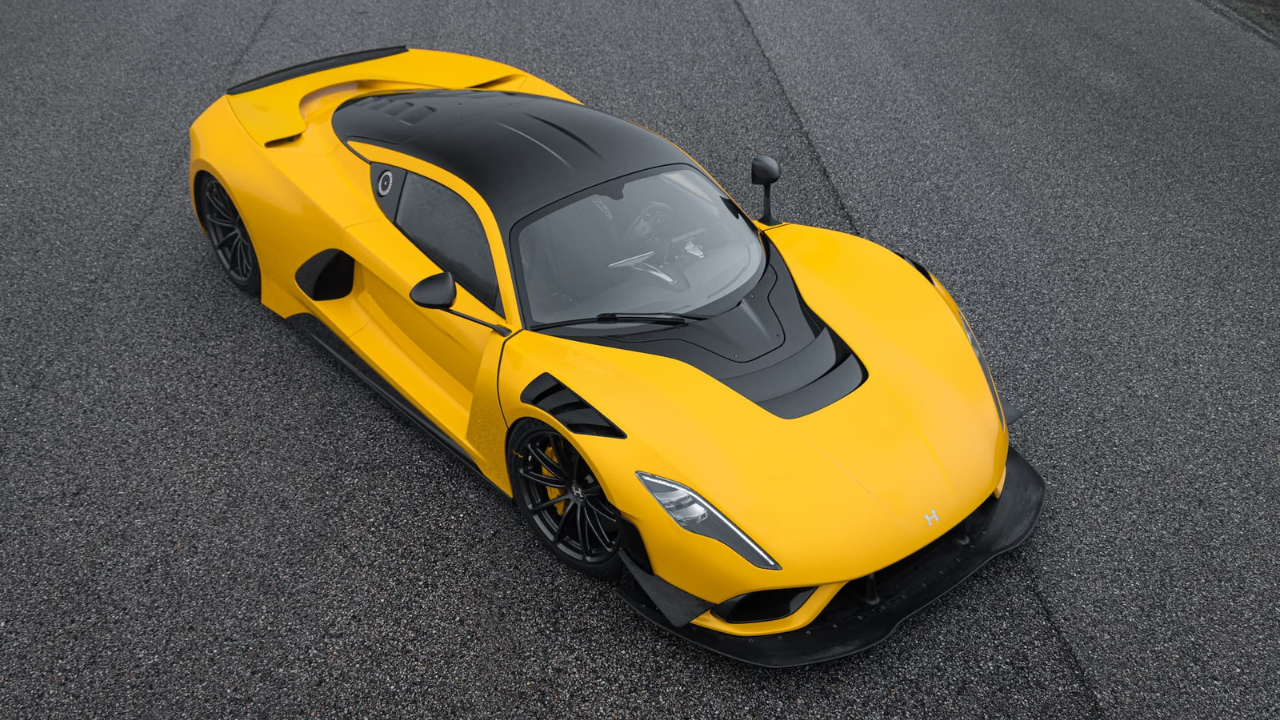
Hennessey started as the wild child of American performance, taking fast cars and making them even faster. But with the Venom series, they stepped out of the tuner garage and into hypercar history. The Venom GT put the world on notice, and the Venom F5 took things even further. Designed to shatter records, the F5 has run about 271 mph in testing and aims to surpass 300 mph, placing it among the fastest production cars ever built.
Under the hood is a handcrafted 6.6-liter twin-turbo V8 that churns out a staggering 1,817 horsepower. It rockets from 0 to 60 mph in just 2.5 seconds, and yes, that’s on street-legal tires. Production is ultra-limited, just a handful of coupes, convertibles, and F5 Revolution models exist, making it as exclusive as it is extreme. Of course, that level of speed and scarcity comes with a steep price tag: $2.1 million. But for those chasing top-speed bragging rights, the F5 is about as close to a land rocket as you can get.
Alternative: Chevrolet Camaro ZL1 1LE

If the Hennessey Venom F5 is a guided missile, the Camaro ZL1 1LE is a brawler in a flight suit. It may not flirt with 300 mph, but this street-legal track car is one of the most aggressive American performance bargains you can buy. When it was last sold new for the 2024 model year, pricing for a ZL1 started in the low $70,000s before adding the 1LE package and options, it brings a 650-horsepower supercharged V8 to the fight, along with a suspension tuned for the Nürburgring and an aero package that means business.
The 1LE package sharpens the ZL1 into a genuine corner-carver, while the straight-line speed is more than enough to raise eyebrows. It hits 60 mph in 3.5 seconds, but it’s how it handles at speed that impresses most. You won’t beat the Venom F5 in a drag race, but for a fraction of the price, the ZL1 1LE still delivers knockout performance.
Honorable Mention: Mercedes AMG GT 63 4 Door Coupe
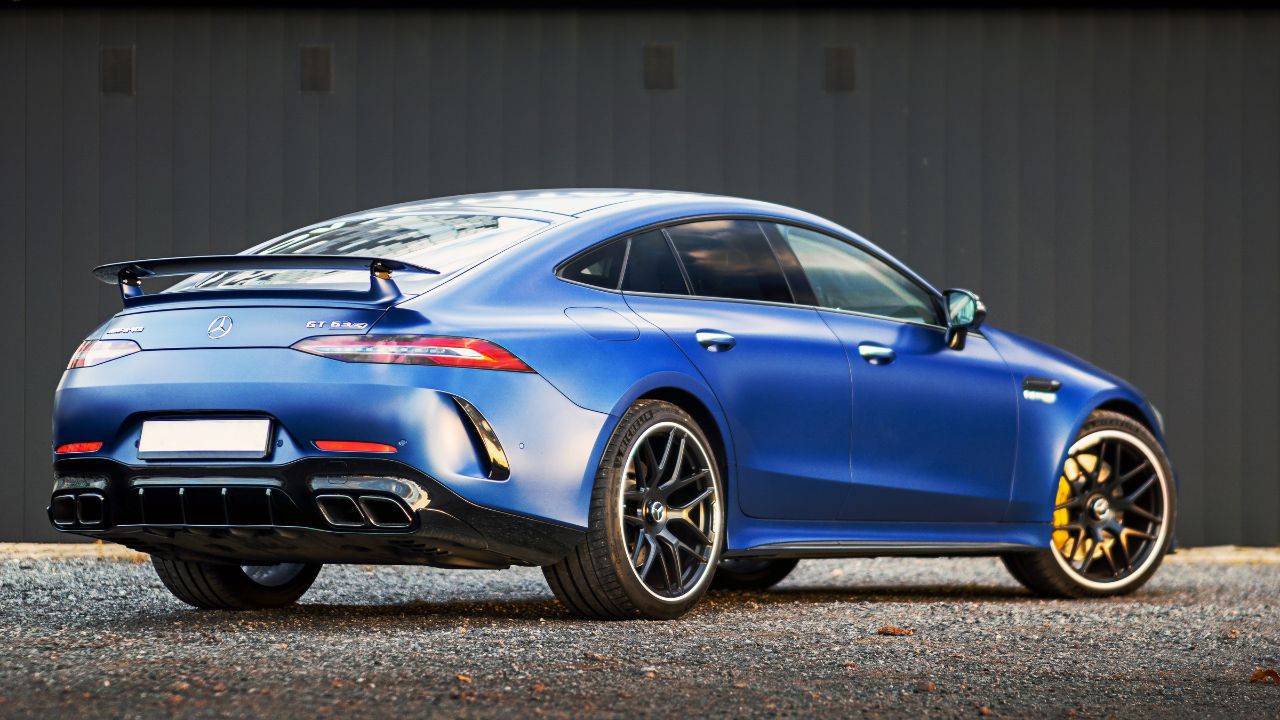
Mercedes isn’t new to building fast cars, but the AMG GT 63 Coupe proves they’ve mastered the art of mixing everyday comfort with track-ready performance. From the outside, it may look like a refined grand tourer, but under the surface, it’s all muscle, thanks to MG’s hand built 4.0 liter V8 cranking out 577 hp and 590 lb-ft of torque.
So, how close does it get to the hypercar crowd? Surprisingly close. Mercedes lists 0 to 60 mph at about 3.3 seconds for the AMG GT 63 4 Door Coupe. For a car that can seat four and carry your groceries, that’s impressive. Even better? It starts at $158,350 MSRP. Sure, that’s still a serious chunk of change, but in the world of high-performance luxury, it’s a relative bargain for what it delivers. If you want speed, style, and everyday usability, the GT 63 Coupe hits a very sweet spot.
Speed Without the Splurge
You don’t need a limited-edition badge or a concierge to hit 200 mph. Many of today’s most thrilling cars are more attainable than ever. Whether you crave hybrid tech, pure V8 muscle, or electric insanity, the thrill of speed isn’t reserved for the one percent anymore.
Go fast. Spend smart.