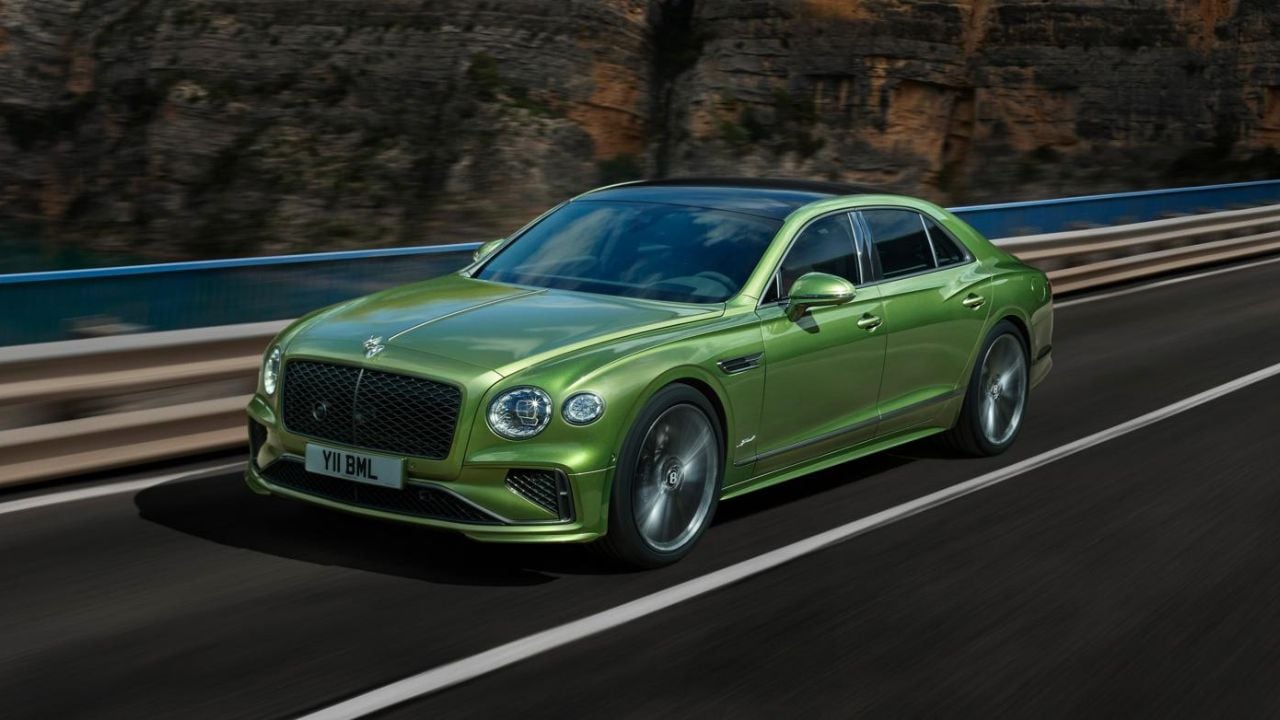
Bentley has reported its first quarterly loss since the pandemic era, highlighting the growing pressure luxury automakers are facing amid slowing global demand, geopolitical uncertainty, and rising trade concerns. The British brand recorded a €26 million loss during the first quarter of 2025 after revenue dropped sharply by 30 percent to €462 million.
The disappointing result comes after Bentley also posted its weakest annual revenue figures since 2020. The company’s 2024 revenue declined 10 percent year-over-year to €2.648 billion, while operating profit fell 37 percent to €373 million. Despite the decline, executives insisted the company remains focused on profitability rather than outright sales volume.
Bentley CEO Frank-Steffen Walliser said the automaker is prioritizing “value over volume” as wealthy buyers continue spending heavily on bespoke customization options. According to the company, revenue generated per vehicle reached record levels in 2024 thanks to increasingly expensive personalization programs and limited-production models.
One example highlighted by Bentley involved a special-edition model finished in rose gold paint and fitted with up to 210 grams of 18-karat rose gold trim produced through 3D printing for key cabin touchpoints.
Challenging Conditions Continue To Affect Luxury Brands
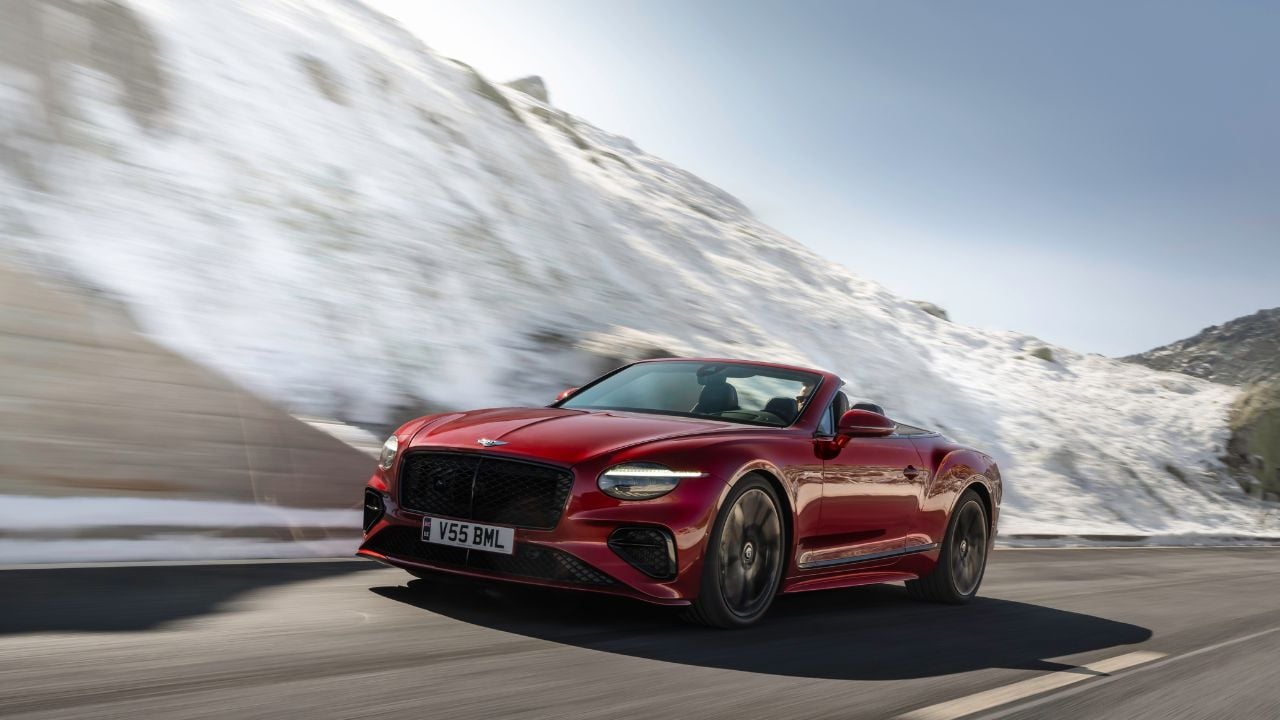
Bentley’s latest financial performance reflects the challenges seen across the global luxury automotive sector. Executives pointed to weak conditions in China, one of Bentley’s most important markets, as a significant concern heading into 2025.
The company also cited disruptions in the Middle East and exposure to potential new U.S. tariffs as additional pressures affecting the business. Bentley’s finance chief, Jan-Henrik Lafrentz, said any future 25 percent tariff imposed on imported vehicles by the United States would likely be passed directly on to customers.
Even with growing concerns surrounding stock market instability and fears of a potential recession in the United States, Bentley says order books have not yet shown signs of weakening demand from ultra-wealthy buyers. That robustness has become increasingly important as the company continues investing heavily in electrification and next-generation luxury vehicles.
Electrified Models Play A Major Role In Bentley’s Future
One of Bentley’s newest launches is the updated Bentley Continental GT S, which introduces a high-performance hybrid V8 powertrain paired with all-wheel drive, all-wheel steering, and advanced chassis systems derived from the more extreme GT Speed.
The electrified setup produces 680 horsepower and 930 Nm (686 lb-ft) of torque, representing a significant jump over the previous-generation GT S. Bentley says the new hybrid can sprint from 0-100 km/h (0-62 mph) in just 3.5 seconds while reaching a top speed of 309 km/h (192 mph).
The company also claims the new powertrain surpasses the old W12-powered Speed model in power, torque, and overall performance. At the same time, the hybrid system can deliver up to 80 kilometers (50 miles) of electric-only driving range, giving Bentley a stronger bridge toward its fully electrified future.
Bentley’s EV Transition Remains On Track
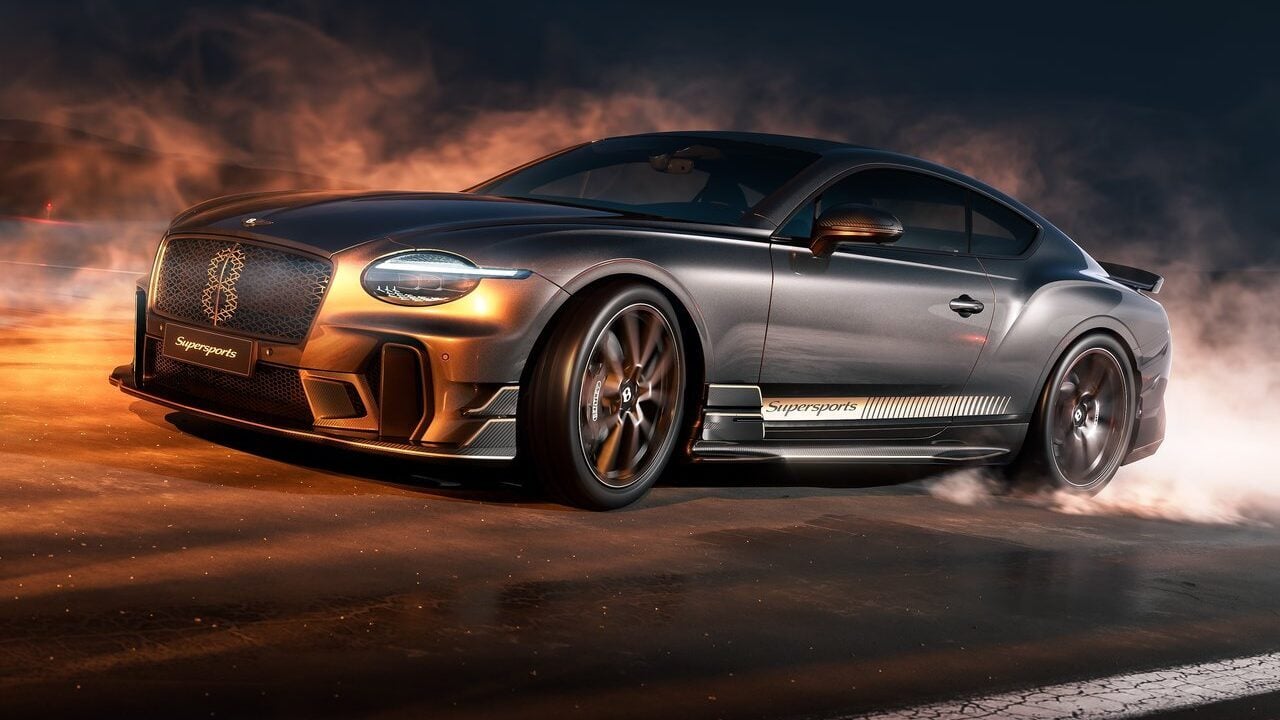
Despite the recent financial setback, Bentley is continuing with its long-term transition toward electrification. The company plans to launch its first fully electric vehicle in 2026, followed by a new electric or hybrid model every year throughout the next decade.
Bentley still intends to become an all-electric brand by 2035, although softer global EV demand and shifting market conditions have forced several automakers to reconsider aggressive transition timelines in recent months.
For now, Bentley appears determined to maintain its focus on exclusivity, customization, and high-margin vehicles rather than chasing higher production numbers. Whether that strategy can offset economic uncertainty and slowing luxury demand will likely become clearer over the next few quarters.