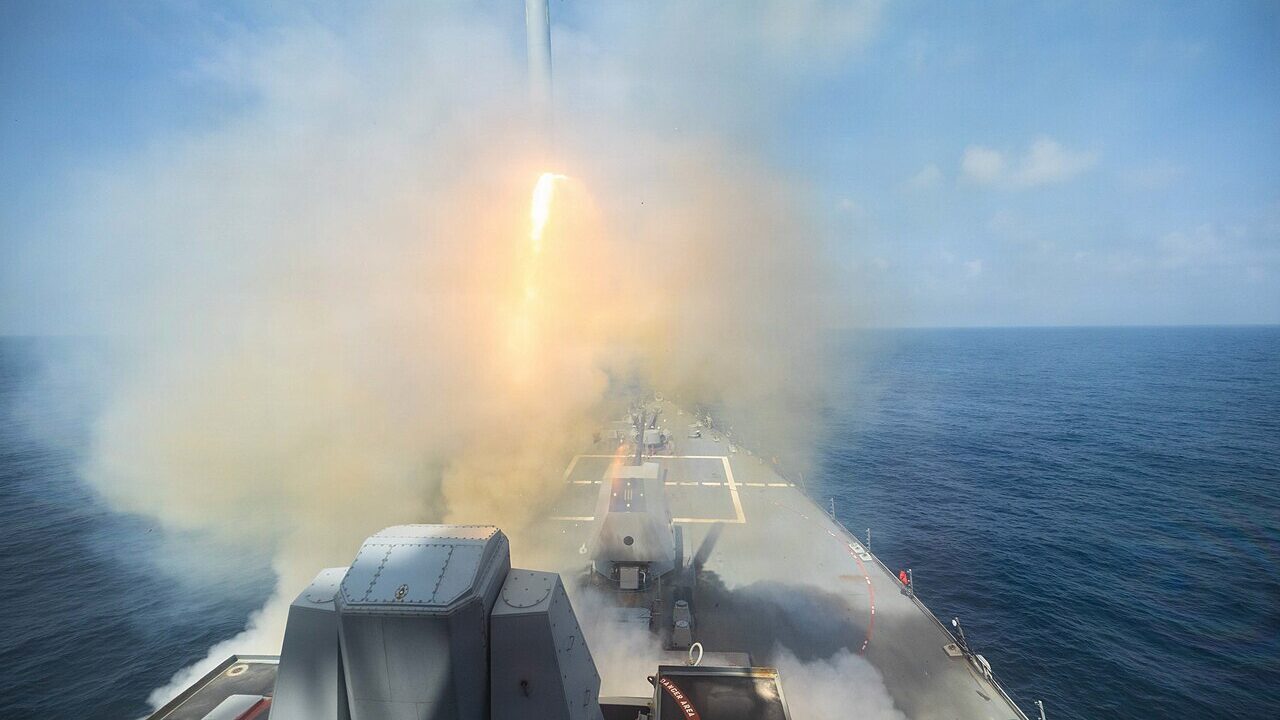

The rapidly escalating conflict in the Middle East is beginning to rattle global energy markets and the automotive world. It has just emerged that Gulf Arab states have quietly pressed the United States to permanently dismantle Iran’s military threat following attacks linked to the ongoing Strait of Hormuz crisis.
According to a Reuters report, several Gulf governments believe the current military campaign against Iran must go further than temporary strikes. They have a blunt message for Washington: Unless Iran’s ability to launch missiles, drones and naval attacks, is fully destroyed, the region will remain under constant threat.

For the global auto industry and drivers everywhere, the stakes are enormous. The Strait of Hormuz is one of the most critical energy chokepoints on the planet. Roughly a fifth of the world’s oil supply moves through the narrow shipping corridor connecting the Persian Gulf to global markets.
Now that vital artery is under pressure.
War Pushes Hormuz Toward Paralysis
The crisis is tied to the widening war between Iran and a coalition led by the United States and Israel. In response to airstrikes on Iranian territory, Tehran has launched waves of missile and drone attacks across the region and threatened shipping passing through the strait.
Iranian naval activity has included attempts to mine the waterway and disrupt tanker traffic. The U.S. military says it has already destroyed multiple Iranian vessels suspected of laying mines near the shipping route.

Even without a complete blockade, the damage to confidence has been severe. Tankers are delaying voyages, insurance costs have soared, and energy markets have become volatile.
The ripple effect is obvious for car buyers and automakers. Oil price shocks quickly translate into higher fuel costs, increased transport expenses, and supply chain instability.
Gasoline prices in some markets have already begun creeping upward as traders react to the threat of prolonged disruption in the Gulf.
Gulf Allies Face a Difficult Choice
Despite urging Washington to permanently weaken Iran’s military capability, Gulf states are reluctant to become directly involved in the war themselves.
The contradiction reflects the region’s strategic dilemma. Gulf countries rely heavily on U.S. military protection but fear that open participation in the conflict could trigger even more Iranian retaliation.
Missile and drone strikes have already hit several targets across the region, underscoring just how vulnerable Gulf infrastructure and shipping routes can be.
So far, public responses from Gulf capitals have been cautious. Only the United Arab Emirates has openly signaled support for defensive measures, while broader regional coordination has remained limited.

Behind the scenes, however, the pressure on Washington appears to be mounting.
Reuters quoted the chairman of the Saudi-based Gulf Research Center, Abdulaziz Sager, as saying, “There is a wide feeling across the Gulf that Iran has crossed every red line with every Gulf country… At first we defended them and opposed the war. But once they began directing strikes at us, they became an enemy. There is no other way to classify them.”
Washington Pushes Allies to Share the Burden
At the same time, the United States is urging its partners to help protect shipping in the Strait of Hormuz and join a broader security effort.
President Donald Trump has reportedly contacted several countries about contributing naval forces to reopen and secure the vital shipping lane.
According to Reuters, at least five Western and Arab diplomats have confirmed that the Trump administration has been urging its Gulf allies to join the war against Iran as the President seeks the resultant credibility of the region’s backing and international legitimacy to his military campaign against Iran.
The US President has publicly argued that many economies depend on Gulf oil, so they should help safeguard the route that keeps it flowing.
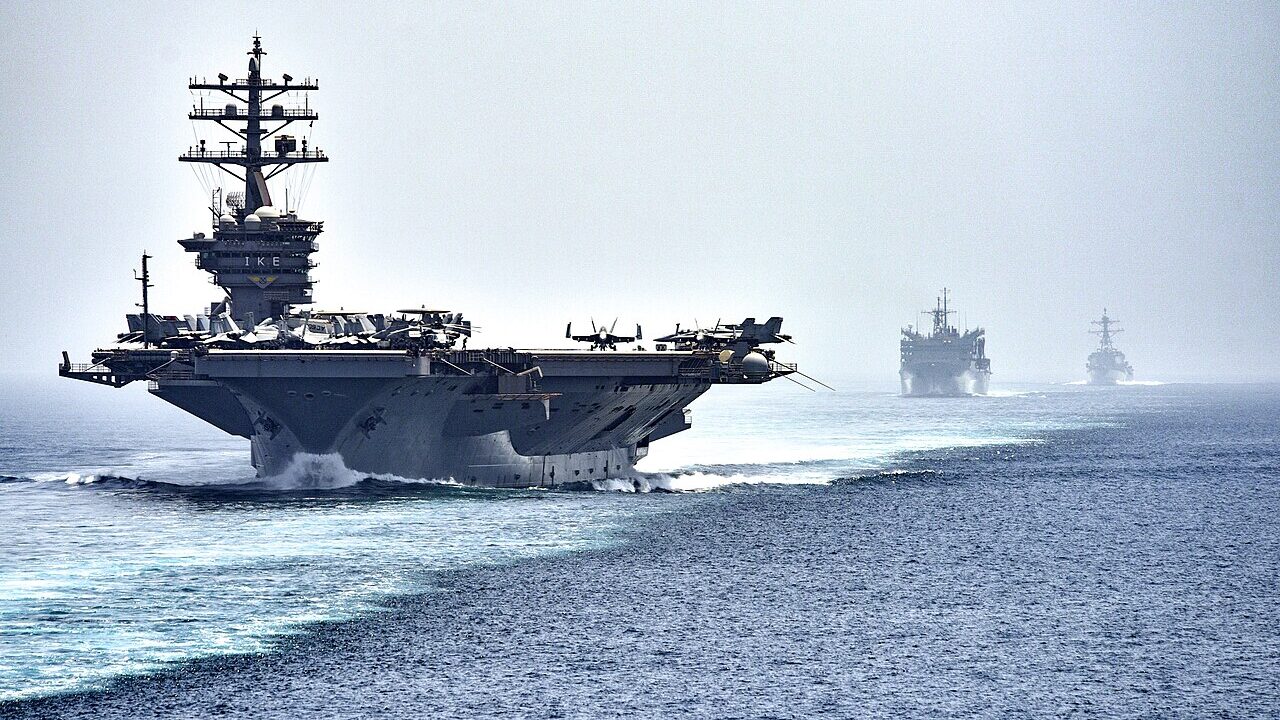
Yet America’s allies are resisting involvement, wary of being pulled into a larger regional war.
The Reuters report notes that the predominantly Shi’ite Muslim Iran has often looked upon its Sunni Arab Gulf neighbors with suspicion due to their friendliness with the West, not least their decision to host American military bases.
That undercurrent has often churned accusations of attacks on Gulf energy centers, with Iran insisting on its innocence. Those attacks include the 2019 strike on Saudi Arabia’s Abqaiq and Khurais oil facilities that halved Saudi output and rattled energy markets.
According to Reuters, Gulf leaders now feel restraint is the greater risk. Apparently, Iran’s attacks on its neighbors have reinforced its threat to the hard-won image of stability and security that has underpinned Gulf countries’ attempts to expand trade and tourism and rely less on fossil fuel exports.
“If the Americans pull out before the task is complete,” Reuters quoted Sager as saying, “we’ll be left to confront Iran on our own.”
Far-Reaching Ramifications
The wider automotive world may not be concerned with tourism and the perception of stability, yet the Strait of Hormuz crisis is more than a geopolitical headline. It sits at the heart of the global energy system that keeps vehicles moving.
About 20 percent of global petroleum flows through the narrow waterway. Any prolonged disruption could send oil prices sharply higher and trigger fuel price spikes worldwide.
That scenario would hit drivers first at the pump, but the effects would cascade through the entire auto ecosystem. Shipping costs could climb, vehicle production expenses could rise and consumer demand for fuel efficient or electric vehicles could shift dramatically.
For now, the region remains on edge. Gulf leaders want Iran’s military capabilities permanently neutralized, as the alternative, said a Reuters source, is living under the constant threat of Iran.
That source may have echoed the sentiments of many Gulf states when they said Iran has to be stripped to the bone militarily or The Land of Aryans will forever hold the region to ransom due to its strategic grip of the strait.
Still the Gulf remain wary of entering the fight themselves.
Meanwhile the world’s most important oil corridor sits under a growing cloud of uncertainty. And for anyone who drives a car, the consequences could soon become very real.
Source: Reuters