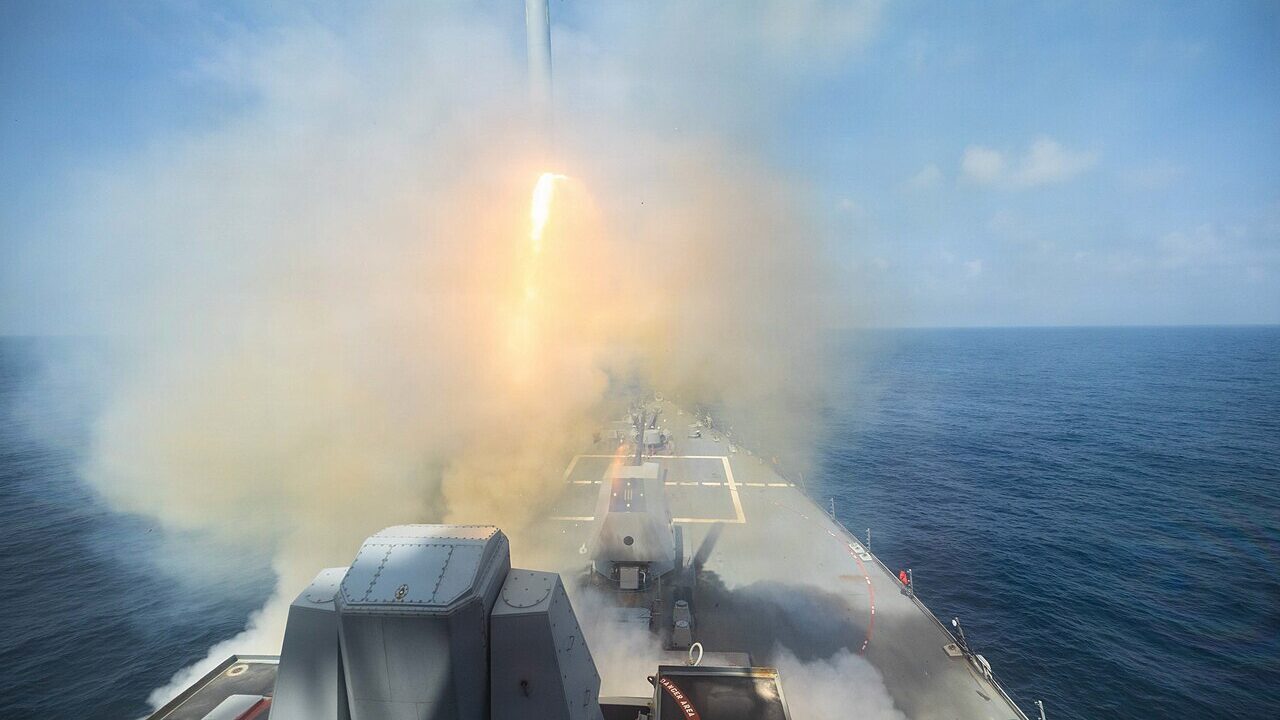

The growing geopolitical crisis in the Middle East inadvertently triggered fresh tensions between the United States and several of its key allies after President Donald Trump called on other nations to help secure the strategically vital Strait of Hormuz.
However, countries including the UK, Japan, and Australia signaled they have no immediate plans to send naval forces to the region. Little else is needed to highlight the diplomatic strain created by the escalating conflict with Iran.
According to reporting by Reuters, Trump has been urging major economies that rely heavily on oil shipments through the narrow waterway to contribute warships to safeguard commercial shipping. The appeal comes as tensions between the United States, Israel, and Iran have intensified, threatening one of the most important energy corridors on the planet.
“This Is Not Our War”

The Strait of Hormuz sits between Iran and Oman and is widely regarded as the most critical oil transit chokepoint in the world. Roughly one fifth of global oil and liquefied natural gas shipments normally move through the passage, making any disruption a serious threat to global energy markets and transport costs.
The situation deteriorated after Iran retaliated against U.S. and Israeli military operations by targeting shipping routes and laying naval mines in the area. Shipping traffic in the strait dropped dramatically as tanker operators avoided the risk of attacks, creating fears of a massive supply disruption that could ripple through industries dependent on fuel and transport logistics.
Facing these risks, Trump publicly called on a group of nations that rely on Gulf energy supplies to assist with naval escorts for oil tankers traveling through the waterway. The American president argued that countries who benefit from the safe passage of oil shipments should also help protect it.
But the response from several allies has been cautious at best.
Japan and Australia Sit Out, Europe Questions the Logic
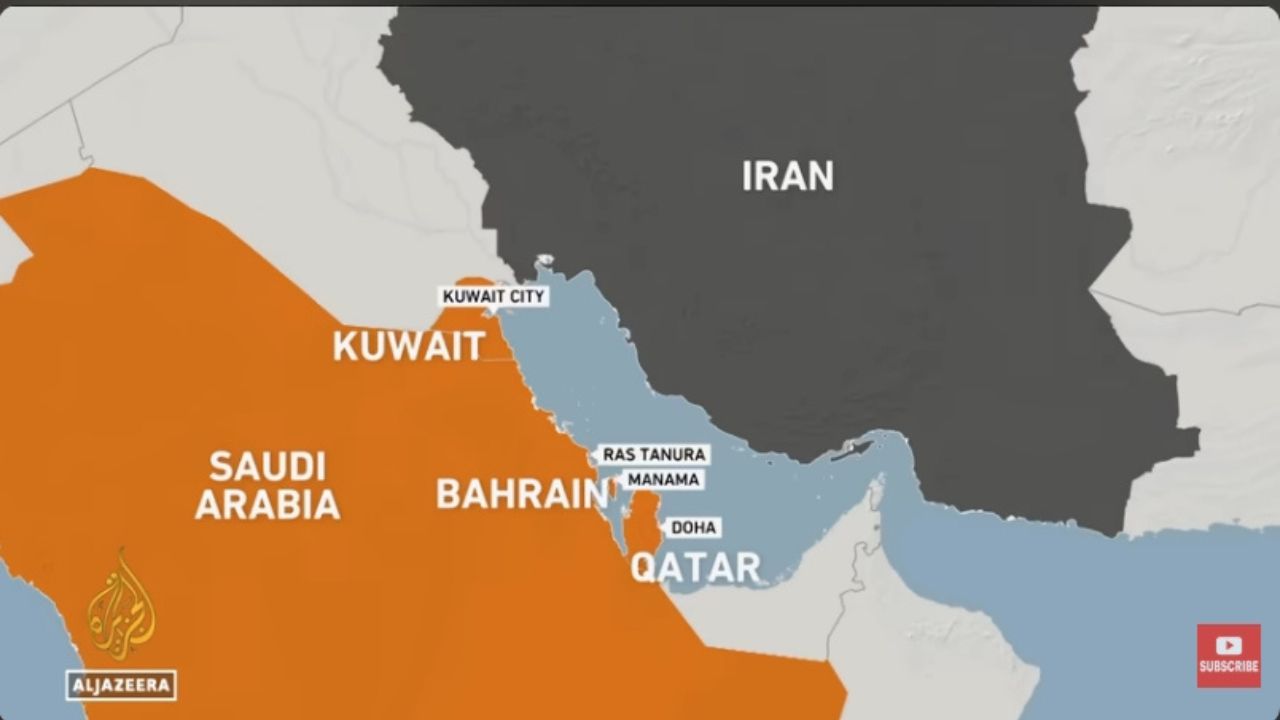
Japan’s government said it is not currently planning to send escort ships to the strait. Prime Minister Sanae Takaichi told lawmakers that Tokyo is still reviewing what steps it could take within its legal and constitutional limits, which restrict the overseas deployment of military forces except in specific circumstances.
Australia delivered a similar message. Officials in Canberra said there were no plans to dispatch naval vessels to the region despite Washington’s request for support.
Several European governments also appeared reluctant to get directly involved. Germany and others questioned what additional impact a handful of foreign warships could have given the already large U.S. naval presence in the region.
Some officials stressed that the conflict was not one their countries had initiated and warned against escalating military involvement.

Responding to President Trump’s call for allies to send naval forces to help reopen the Strait of Hormuz, German Defense Minister Boris Pistorius said, “This is not our war, we have not started it.”
He also added a second pointed line questioning the usefulness of European participation:
“What does … Donald Trump expect a handful or two handfuls of European frigates to do in the Strait of Hormuz that the powerful U.S. Navy cannot do?”
His comments became the clearest articulation of Europe’s reluctance to be drawn into what they viewed as a U.S.-driven confrontation.
Reading Between the Lines
Pistorius’ tone can absolutely sound sharp or ironic when read in context. His remarks fit a long‑running European frustration with being publicly belittled by U.S. leaders while simultaneously being asked to contribute militarily to U.S.-driven crises.
Questioning what “a handful” of European frigates could add to the already dominant U.S. Navy echoed several themes that have shaped transatlantic debates for years. Europe resents being portrayed as militarily weak by U.S. leaders, especially when those same leaders later demand European participation in risky missions.
Germany in particular is cautious about being drawn into U.S.-led operations that could escalate into direct conflict. The Strait of Hormuz is already saturated with U.S. naval power, so the strategic value of a few extra European ships is genuinely debatable.
In that sense, Pistorius’ comment can be read as pointed realism rather than mockery: a way of saying, “If the U.S. Navy can’t stabilize the situation, our contribution won’t change the equation.”
Several factors made the remark sound sharper than usual diplomatic language. It directly referenced the overwhelming scale of U.S. naval forces, implicitly highlighting the mismatch.
It came after years in which U.S. leaders, including Donald Trump and some congressional figures, had publicly criticized Europe’s defense spending and military relevance. It framed the request in a way that exposed a contradiction: if Europe is “inconsequential,” why is its help suddenly essential?
Is Europe’s Naval Power Actually “Inconsequential”?
Europe’s naval capabilities are not inconsequential; just structured differently from the U.S. Navy’s global force-projection model.

Collectively, European navies represent a formidable maritime force. The United Kingdom, France, Italy, Spain, Germany, the Netherlands, and others together operate multiple aircraft carriers, most notably from the UK and France.
They also field dozens of modern frigates and destroyers, advanced submarines including nuclear-powered vessels operated by the UK and France, and a significant fleet of blue-water logistics and amphibious ships.
When considered individually, however, the picture changes. Most European navies are mid-sized forces optimized for a specific set of missions: regional defense close to home, integration with NATO operations, and maritime security tasks like counter-piracy and patrols.
Their force structure, logistics, and training are not designed for independently dominating distant strategic chokepoints far from European waters.
The United States Navy, on the other hand, operates on an entirely different scale and philosophy. It maintains a fleet of 11 nuclear-powered aircraft carriers, each a sovereign airbase capable of power projection anywhere on the planet.
This is backed by a sprawling global logistics network and permanently forward-deployed fleets in every major ocean. Where European navies are built for regional presence, the entire structure of the U.S. Navy is built for global dominance.
So, Pistorius is supposedly saying that Europe cannot meaningfully alter the balance of power in a region where the U.S. already deploys overwhelming force.
The Broader Conflict and What’s at Stake
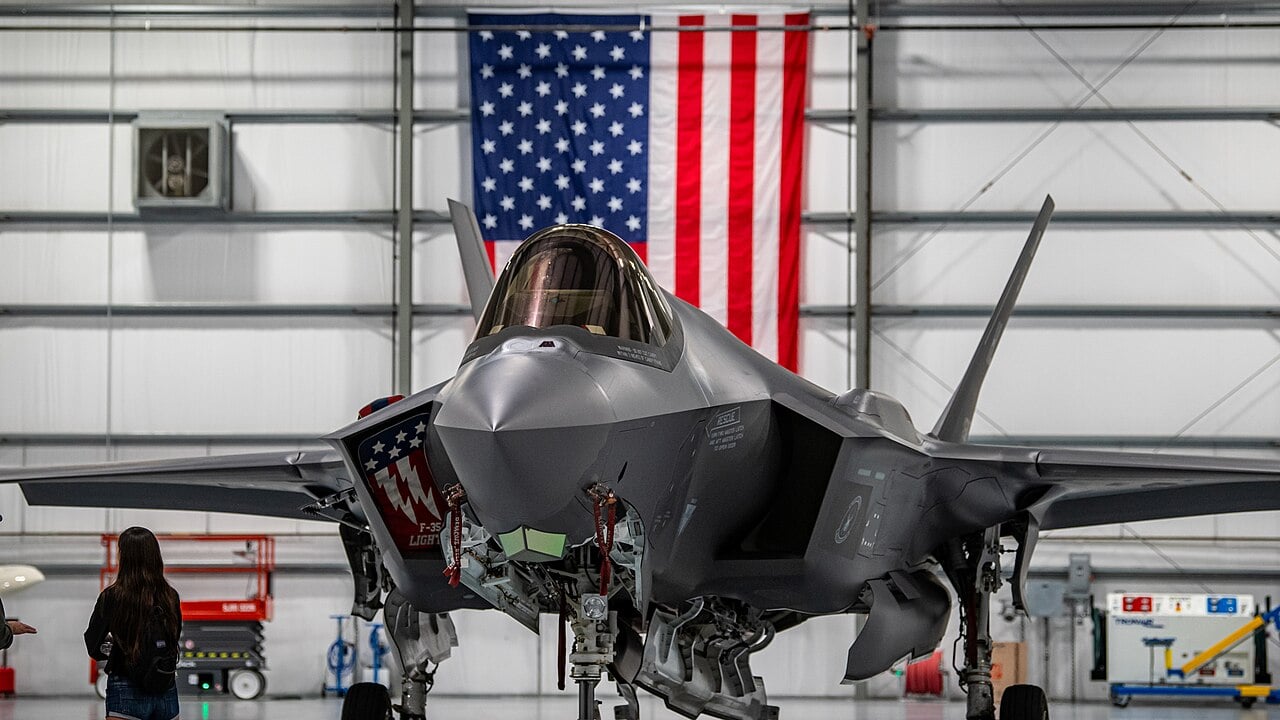
The diplomatic hesitation reflects the complicated politics surrounding the broader conflict with Iran. The crisis intensified after joint U.S. and Israeli military strikes targeted Iranian facilities earlier this year, setting off a chain of retaliatory actions across the region.
One of the most significant operations occurred on March 13 when U.S. forces carried out a large strike on Iran’s Kharg Island, destroying numerous military sites linked to Iran’s ability to disrupt shipping in the Gulf. The island is a critical hub for Iranian oil exports, making it a strategic focal point in the escalating confrontation.
Meanwhile, Washington continues to push for a broader international coalition to keep the strait open and ensure the safe movement of energy supplies. Trump has warned that countries which depend heavily on Gulf oil should step forward rather than rely solely on the United States Navy.
The situation remains fluid, with diplomatic talks, military deployments, and economic concerns all colliding in one of the world’s most strategically important waterways.
For the global automotive sector, the stakes are enormous. Any prolonged disruption in the Strait of Hormuz could drive up oil prices sharply, raising fuel costs and sending shockwaves through supply chains worldwide.
Source: Reuters, Just The News, NBC News