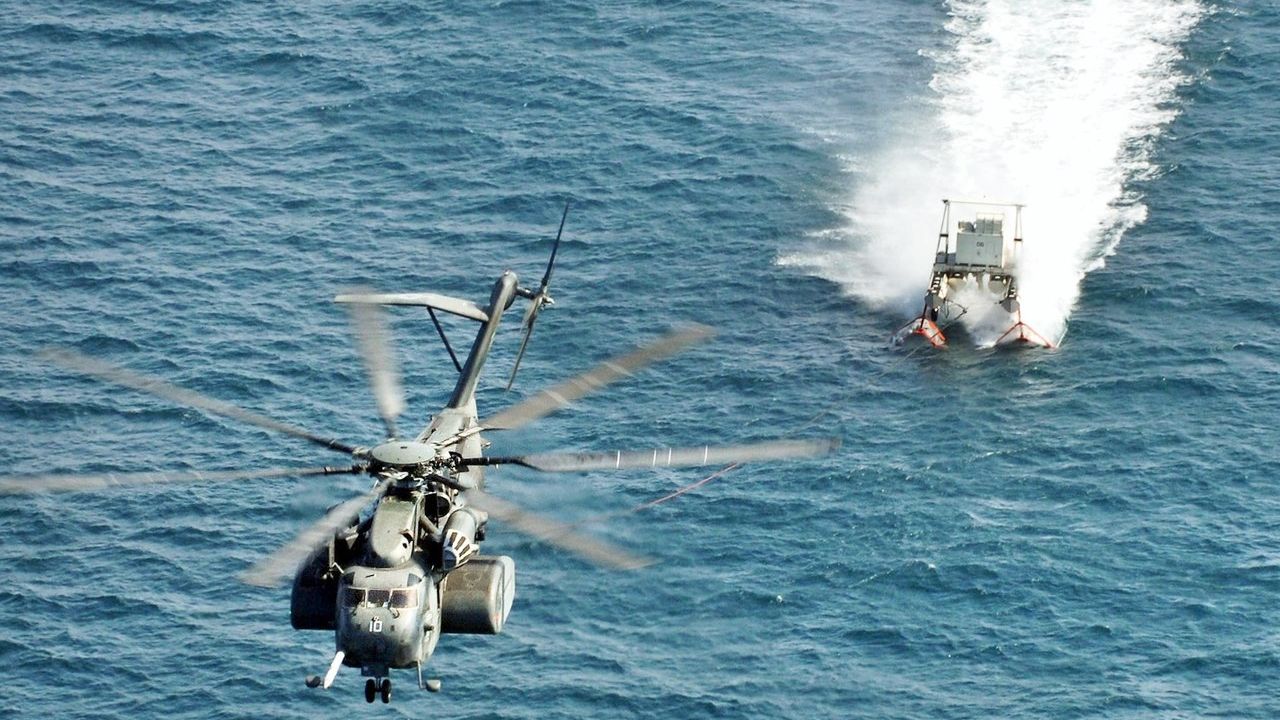

Tensions in the Middle East surged dramatically this week after the United States announced it had destroyed 16 Iranian naval vessels believed to be preparing to lay mines in the Strait of Hormuz, one of the most strategically important shipping routes in the world.
The strikes came as Iran launched attacks across the region, hitting commercial ships and threatening global oil supplies in a rapidly widening conflict.
According to U.S. Central Command, American forces carried out the strikes after intelligence suggested Iran was attempting to deploy naval mines in the narrow waterway linking the Persian Gulf to the Gulf of Oman.
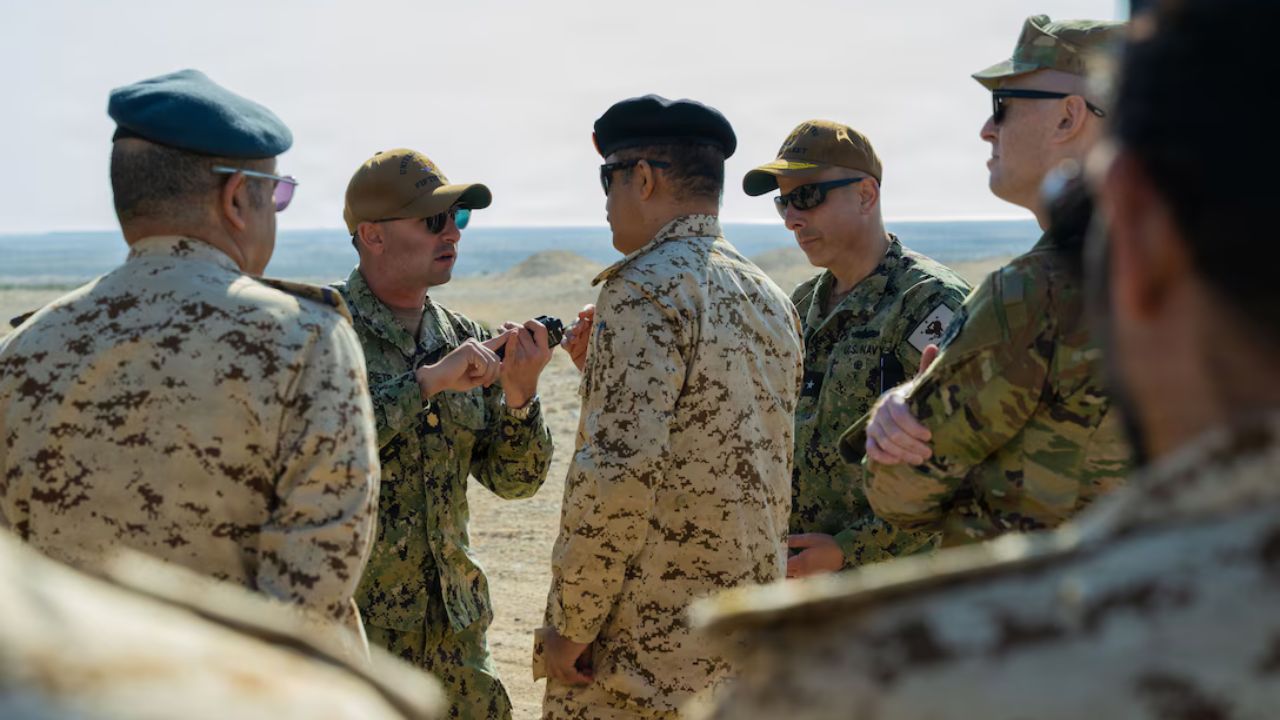
The Pentagon described the operation as a preemptive move to keep the shipping lane open and to prevent disruptions to international energy markets.
A Vital Chokepoint for Global Oil
The Strait of Hormuz handles roughly 20 percent of the world’s oil and liquefied natural gas shipments, making it one of the most sensitive chokepoints in global trade. Any disruption in the area immediately sends ripples through energy markets and shipping routes.
Officials said the vessels targeted were mine-laying boats operating near the strait. U.S. forces struck and destroyed all 16 in a series of precision attacks after warnings from Washington that Iran must remove any mines placed in the waterway.
The military action came after U.S. President Donald Trump publicly demanded that Tehran remove any mines it may have deployed in the strait. The warning was followed by rapid escalation as American aircraft and naval assets moved to neutralize suspected minelayers.
Iran has denied some of the allegations but has simultaneously vowed to block oil exports through the region if attacks on its territory continue. Iranian officials warned that the country would not allow “even a single liter” of oil to reach its enemies if the conflict escalates further.
Commercial Ships Hit as Conflict Widens
While the U.S. strikes were underway, violence spread across the region. Several commercial ships traveling through or near the Strait of Hormuz were hit by projectiles, sparking fires and forcing emergency evacuations.
One of the vessels, the Thai-flagged bulk carrier Mayuree Naree, caught fire after being struck and had to be partially abandoned.
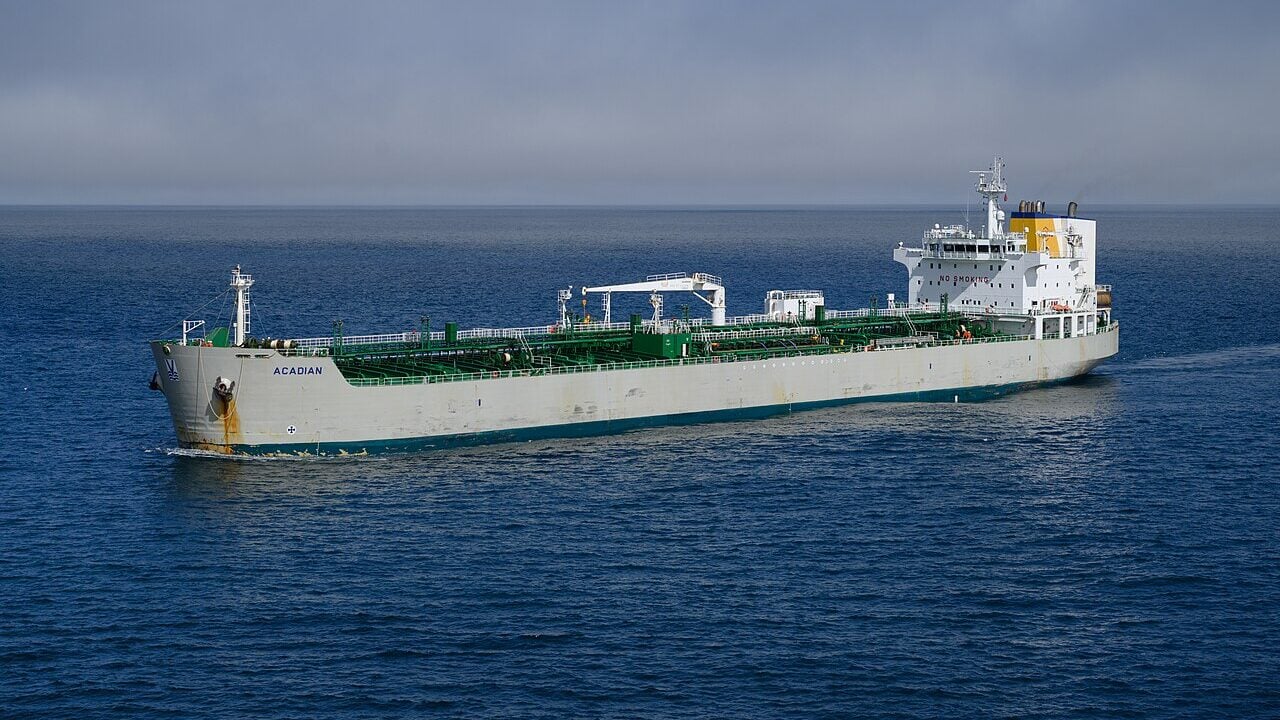
Two other ships, the Japanese container vessel ONE Majesty and the Marshall Islands-flagged Star Gwyneth, also sustained damage during the attacks, though their crews were able to remain aboard. Maritime authorities scrambled to respond while nearby naval forces assisted with rescue operations.
The attacks are part of a broader military confrontation that has intensified over the past several days following earlier U.S. and Israeli strikes inside Iran. Tehran has responded with missile and drone barrages targeting locations across the Middle East, including attempts to hit energy infrastructure in Gulf states.
Saudi Arabia reported intercepting several drones aimed at a key oil field, while air defense systems across the region were activated as missile alerts sounded in multiple countries.
Oil Markets on Edge

The growing conflict has rattled global energy markets. Oil prices briefly surged toward $120 per barrel amid fears that shipping through the Strait of Hormuz could grind to a halt if the fighting spreads. Prices later stabilized but remained volatile as governments and shipping companies assessed the risks.
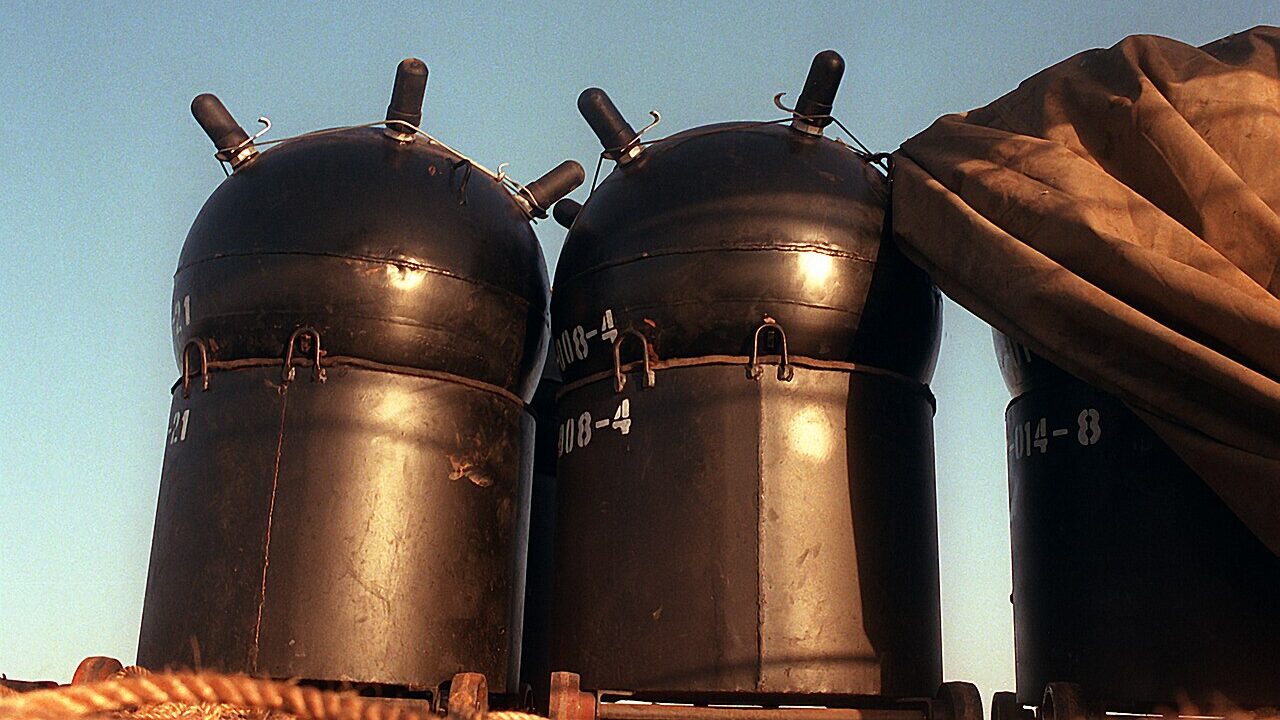
Industry analysts say the threat of naval mines is particularly concerning for the maritime sector. Even a small number of mines can shut down traffic through the narrow channel, forcing tankers and cargo ships to reroute or suspend operations altogether.
For now, U.S. officials say the strikes against the mine-laying vessels were designed to prevent precisely that scenario. But with Iran continuing to launch attacks and threatening further retaliation, the situation around the Strait of Hormuz remains one of the most dangerous flashpoints in the global energy and shipping landscape.
Sources: China Daily Asia, The Guardian, News24, Reuters, 1News, Arab News