
Buying a used car should feel like a smart play, scoring freedom without getting fleeced. But in today’s market, where prices still feel like they’re fueled by jet engines and demand won’t quit, you need more than luck to come out ahead. You need to shop sharper than a Porsche owner at a parts counter.
This guide breaks down the real-world tactics that savvy buyers use to beat inflated prices, avoid lemons, and stay in control. Whether you’re ditching a gas hog, helping someone land their first ride, or just tired of paying new-car prices for someone else’s leftovers, here’s how to play the used car game and win.
Shop at the Right Time of Year If You’re Feeling Frugal

Forget your horoscope; the real cosmic alignment for a used car deal is the calendar. Smart buyers operate on a lunar cycle of dealership quotas. They wait until the end of the month, the end of a quarter, or even the end of the fiscal year (typically December, but depends on the dealership’s financial structure). That’s when sales managers are sweating blood to hit targets, qualify for bonuses, or simply clear out inventory before the auditors arrive. They’re more likely to bend on price just to get another unit off the lot and into the “sold” column.
One of the most deal-friendly periods tends to be late December through February, especially toward the end of the month. Why? Holiday distractions, lousy weather in many parts of the country, and folks generally aren’t thinking “new-to-me ride” when they’re scraping ice off the windshield. Demand dips, lots are packed, and dealers get desperate. You might not score your exact preferred shade of “unicorn sparkle metallic,” but the potential savings can make that compromise look like genius.
Get Pre-Approved for a Loan First

Letting the dealership handle your financing without doing your homework is like showing up to a drag race in a Toyota RAV4. Sure, you’ll make it down the track, but it’s not the best way to do it. Dealers often earn a tidy profit from marking up loan rates behind the scenes.
You don’t have to ignore their offer entirely, though. Sometimes they’ll surprise you with a solid deal, but walking in with a pre-approval from your bank or credit union puts you in control. It gives you real negotiating power, exposes any padded rates or junk fees, and keeps the sales pitch in check.
Pro Tip: Submit all loan applications within a short rate-shopping window (typically 14–45 days, depending on the credit scoring model). Auto-loan inquiries are generally grouped and treated as a single inquiry for scoring. Even better? Check your credit at least a few weeks before car shopping. Fixing errors, disputing bad data, and lowering your credit card utilization can earn you a lower rate and save you thousands over the life of the loan.
If you can pay cash, it’s often a strong move, as long as you’re not draining your emergency fund or passing up a genuinely low-interest loan. Just make sure you’re not wiping out your emergency fund in the process. A used car should offer freedom, not turn into a financial trap.
And knowing your budget ahead of time helps keep you grounded. It’s the best defense against falling for that flawless ’72 Nova that costs three times what you should realistically spend. Stay sharp. Stay in the game.
Keep Your Trade-In To Yourself

One of the easiest ways buyers get fleeced is by letting the dealership bundle the trade-in with the purchase. They’ll offer a “discount” on the new car, then claw it back by lowballing you on your old one. Smart buyers treat the trade-in as a completely separate transaction.
Avoid discussing your trade-in until the purchase price is clearly agreed, unless dealership processes or local rules require earlier disclosure. Then, and only then, bring it up. If they throw out a laughably low offer, and they often will, don’t be afraid to walk. You’ll almost always get more by selling it yourself through Craigslist, Facebook Marketplace, or by getting instant cash offers from places like Carvana, Vroom, or CarMax.
Before you shop, look up your car’s value on Kelley Blue Book and collect a few online offers. Knowing your trade’s real worth gives you leverage and can save you thousands at the negotiation table. Your current ride is a bargaining chip. Use it wisely.
Check Vehicle History Reports Religiously

Before you even think about signing on the dotted line or letting that sleek bodywork seduce you, smart shoppers demand the car’s full background check. Services like Carfax or AutoCheck aren’t optional; they’re your digital private investigator. They reveal reported accidents (even minor fender-benders can mask structural issues), detailed service history (or lack thereof), the number of previous owners, and any sketchy title issues like salvage, flood, or odometer tampering.
More than getting peace of mind, it’s about safeguarding your wallet from a financial Chernobyl. A car that’s been in a major shunt, has a dodgy maintenance record, or suspiciously low mileage for its age can cost you thousands in unexpected repairs and diminished resale value down the road. For a modest cost (often around $40 or more, depending on the provider and package), this report pays for itself a hundred times over by helping you dodge a bullet, or rather, a money pit masquerading as a car.
Don’t Skip the Pre-Purchase Inspection

The seller swears it runs “like new,” the engine bay is suspiciously spotless, and it just passed their “rigorous 100-point inspection” (performed by a junior salesman with a clipboard). Yeah, right. Even if the car looks pristine, a qualified, third-party mechanic tells the unvarnished truth. Smart buyers always take the car to a trusted, independent shop for a pre-purchase inspection (PPI), especially if it’s a private sale.
This comprehensive check, typically costing around $100 to $250, depending on the vehicle and region, can reveal worn suspension components, leaking seals, failing electronics, or even subtle frame damage that would cost you thousands to fix later. It’s also your most potent negotiation tool: “Hey, the mechanic says it needs new control arms. How about we knock $500 off the price?”
If the seller hems and haws or flat-out refuses a PPI, that’s a huge red flag. An hour in a reputable garage is a microscopic price to pay for genuine peace of mind on the highway.
Stick to Local Listings You Can See in Person

While the internet is a vast ocean of tempting listings, from rusty project cars in Nebraska to pristine garage queens in Florida, smart buyers know to keep their search radius tighter than a banjo string. Whenever possible, stick to local listings you can inspect in person. Why? Because digital photos can hide a multitude of sins, such as rust bubbles under shiny paint, mismatched panel gaps, a lingering stench of wet dog, or “custom” modifications that look like they were done with a butter knife.
Driving to see a car in person lets you hear it run cold, feel the transmission shift, check for warning lights, and spot every single issue the glossy photos conveniently omitted. Scams are also far more common with out-of-state or sight-unseen purchases, ranging from phantom cars that don’t exist to title washing schemes.
If you absolutely must venture outside your ZIP code, bring a mechanically inclined friend, demand detailed video calls, and only arrange shipping after a trusted third party (like an independent inspection service) has laid eyes on it. It’s all about limiting surprises and avoiding costly, long-distance mistakes. Plus, shipping a car can cost thousands, yet another cost.
Explore the Suburbs

While you should stick to places you can realistically drive to, that doesn’t mean you’re trapped within the city limits. For the truly dedicated bargain hunter, sometimes the best deals aren’t in the bustling urban jungle, where competition is fierce and prices are inflated by demand. Smart buyers with a little more grit and a good set of tires often expand their search radius to less affluent, more rural areas.
Why? Smaller towns and rural dealerships often have lower overheads, less foot traffic, and less aggressive pricing strategies. They’re often happy to move inventory at a tighter margin just to make a sale. Plus, you might stumble upon a well-maintained “farm truck” or a grandma’s garage queen that’s never seen rush hour traffic and has minimal mileage, all at a price that would make a city dealer scoff.
Yes, it might mean a longer drive, but that road trip could pay for itself tenfold. Just remember to still apply all the other rules: get that VIN, run the history report, and line up a PPI at a local, independent mechanic before you commit. The journey might be longer, but the treasure at the end is often worth the extra gas money. Or however the saying goes.
Use Online Price Comparison Tools

Before you even utter the words “what’s your best price,” you need to know what you’re talking about. Websites like Kelley Blue Book, Edmunds, and TrueCar can transform from mindless browsing to your personal market analysts. Simply plug in the exact model, year, trim, mileage, and condition of the car you’re eyeing to get an accurate, data-driven value range. This information is your ammunition.
This precise market data gives you the undeniable upper hand when negotiating, since you can show the seller hard numbers for comparable vehicles. If their asking price is ludicrously high, you’ll know it instantly, and you can either counter with confidence or walk away without a second thought. Knowledge isn’t just power; it’s cold, hard, green power in the form of dollars you keep in your wallet.
Skip the Extras and Add-Ons

Ah, the “finance manager’s office,” also known as the final boss level of the car buying experience. Dealerships love to hit you with a barrage of “essential” extended warranties, nitrogen in tires, paint protection, fabric guards, VIN etching, gap insurance, Nicholas Cage-voiced driver attention alerts, and other bells and whistles that sound useful but are often wildly overpriced profit centers. At this point, politely but firmly say “no thanks” to most, if not all, of it.
Many of these extras carry absurd markups (often 500% or more for things like paint protection) or are entirely unnecessary, especially if you’re buying a reliable car with a clean history and you’re not planning on driving it into a ditch. If you genuinely want an extended warranty for peace of mind, you can almost always buy a more comprehensive, more affordable one from a third-party provider after the sale. Keep the deal simple, keep the negotiations focused on the car’s price, and keep your hard-earned cash out of their coffers. Or have them throw in the Nick Cage voice as part of the deal.
Embrace the Base
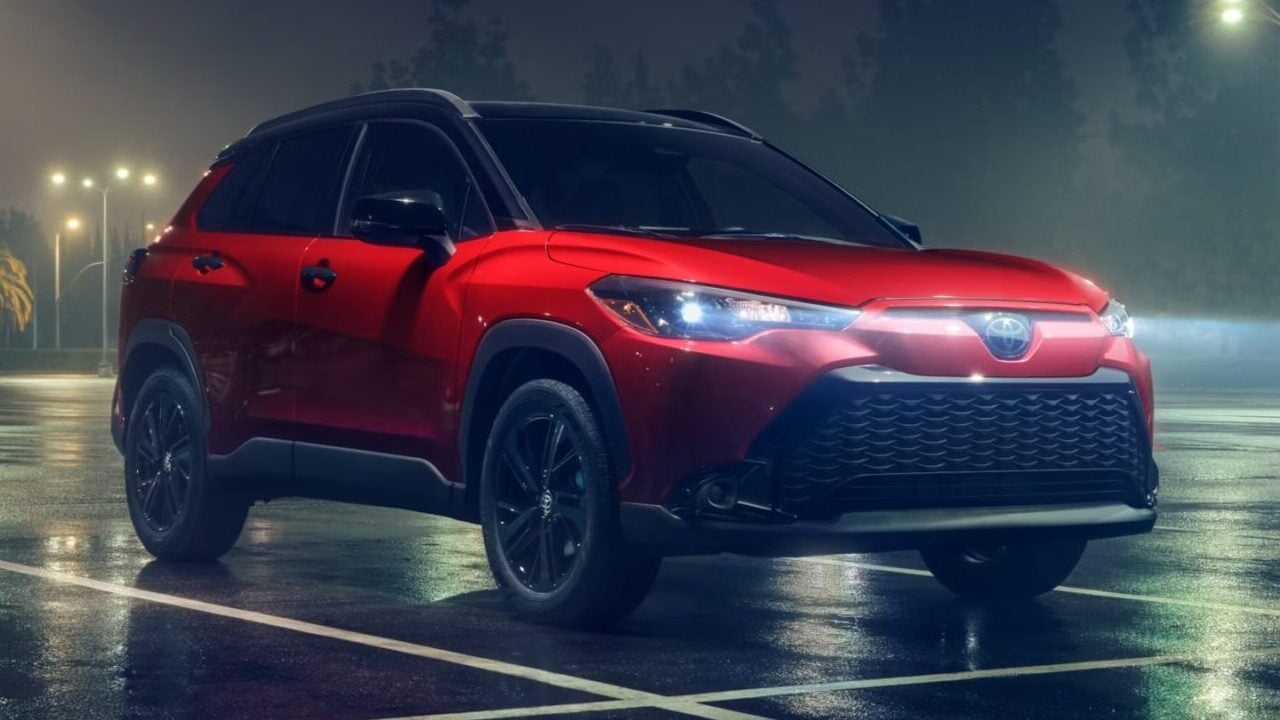
Let’s face it: everyone wants a black, white, or silver car. They’re like the beige khakis of the automotive world: safe, bland, and easy to resell. And dealers know this. So, if you’re serious about saving some coin, it’s time to cast your net wider than the typical “boring but safe” color palette. Smart buyers look for the cars that have been gathering dust on the back lot, the ones in mustard yellow, forest green, or even that hideous brown that seemed like a good idea in 2005. These vehicles often linger longer and accumulate more aggressive discounts simply because they’re not moving as fast as their monochromatic brethren.
The same goes for base model trims. Everyone wants the leather, the navigation, the giant touchscreen that’ll be obsolete in two years. But the base model, with its cloth seats and manual climate control, often offers 90% of the driving experience for 70% of the price. Fact: the flashier the trim, the steeper the depreciation hit it takes. You’re buying a used car, not commissioning a museum piece. Be pragmatic. Embrace the weird color, revel in the simplicity of a manual window crank, and laugh all the way to the bank while the next guy overpays for heated cupholders.
Negotiate Like It’s a Flea Market

Finally, and perhaps most crucially, smart folks never accept the first offer. Ever. Whether you’re squaring off against a seasoned dealer or a private individual who thinks their rusty Camry is a collector’s item, there’s almost always room to haggle. This is where all your prior homework pays off. Use every piece of info you’ve gathered: the market value, the PPI results, any visible wear and tear, and even that weird stain on the headliner, to systematically chip away at their asking price.
Don’t be afraid to employ tactical silence, or even the classic “takeaway” maneuver, “I really like the car, but at that price, it’s just not working for me.” See? You have your own arsenal of overdone moves, too. Beat that car sales guy! Be friendly, be firm, and be absolutely prepared to walk away if the deal isn’t right. Sellers respect confidence, and sometimes just a polite, unwavering, “Is that the absolute best you can do on this vehicle?” can magically shave hundreds off the price. It’s not about being a jerk; it’s about being a shrewd negotiator who knows their worth and isn’t afraid to demand it.
It Pays to Be a Little Skeptical

In the end, buying a used car should feel like a calculated, smart move, not a desperate gamble. The more time you invest in researching, asking pointed questions, meticulously inspecting, and sticking rigorously to your plan, the less likely you are to overpay — or worse, drive off in a regret-mobile.
These strategies won’t just help you save significant money; they’ll empower you to buy with genuine confidence, knowing you didn’t leave a single dollar on the table. In today’s unforgiving market, that kind of self-assurance is worth its weight in gold. Stay sharp, trust your gut (and your mechanic’s gut), and drive off knowing you played the game right.