
Picture yourself pulling into the Target parking lot, only to spot a fresh scrape on your bumper that wasn’t there a minute ago. Suddenly, shopping for car insurance feels as confusing as deciphering your VCR’s blinking 12:00 display, with far higher stakes. Choose the wrong policy and you could end up shouldering hefty repair bills and sky-high premiums.
But a handful of smart questions can turn you into a savvy negotiator—unlocking hidden discounts, dialing in your coverage, and keeping more money in your wallet. We’ve distilled the must-ask car insurance questions that could shave hundreds off your annual costs and spare you surprise repair expenses. Think of these as your insurance cheat codes, no Atari controller or dusty phonebook required.
How We Picked These Questions
When it comes to asking the right questions, I wanted to go where the answers were: car insurance companies. Many popular companies, like Liberty Mutual, Progressive, and Travelers, have compiled lists of questions that can help you get the answers you need when choosing which insurance brand and policy is right for you.
This curated article has compiled the best questions I could find and put them in one place, so you can prepare to check them off as you speak with agents.
What Types of Coverage Do You Offer?

There are various types of coverage options available with car insurance, so it’s essential to determine which ones are suitable for you and which is the best fit. The usual coverages include:
- Liability: This protects you financially when you’re at fault in an accident, including vehicle repairs and medical bills for both parties
- Comprehensive: This covers accidents not caused by collisions, like weather damage, theft, and vandalism
- Collision: Covers damage to your vehicle from a crash with another vehicle or an object (like a pole or guardrail), regardless of fault
However, you should definitely ask about other types of coverage and plans that exist. This can vary from provider to provider, but they may offer more specific plans that fit your needs, like classic car insurance or pay-per-mile insurance for cars that aren’t driven as frequently.
Is My Car’s Cash Value Worth Having Comprehensive and Collision Coverage?
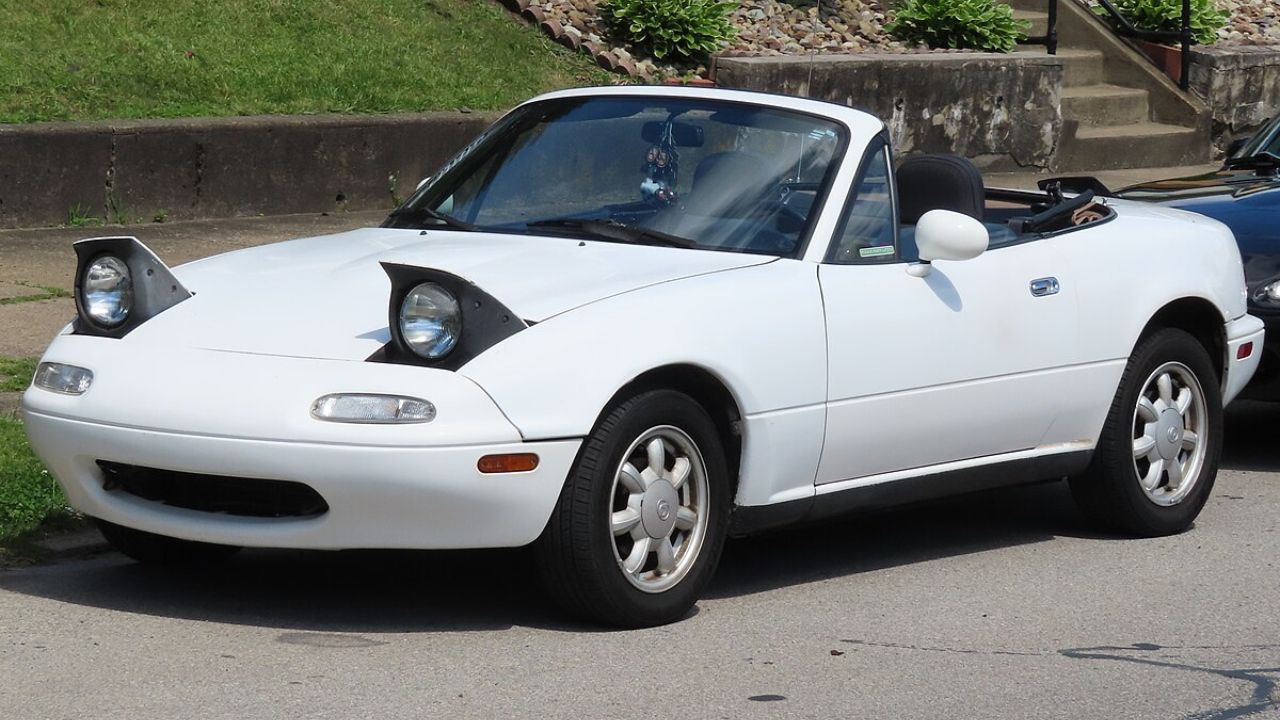
This is a great question to ask because it could help you avoid unnecessary costs every month. If your car is not worth a lot, it may not be worthwhile to have comprehensive and collision coverage. That’s because it may be cheaper to just pay out of pocket for vehicles worth a few thousand rather than making a claim that raises your insurance rate and paying a deductible.
In a surprisingly well-thought-out comment on Reddit, one user directed someone with a low-value vehicle to say, “Given the low cost of the vehicle, it probably makes sense to drop down to liability coverage only. Here’s the caveat: you need to prepare to replace or repair the vehicle on your own. What I’d do is drop down to liability only and then pay yourself the monthly premium savings. What does that mean? If you are going from $120 / month down to $50 / month, then set aside that $70 monthly savings into a separate savings account.”
What are the Policy Limits and Deductibles?

It’s extremely important to determine which provider best suits your budget. First, the insurance limits will determine how much your insurance will pay for a claim. Minimum required liability limits are set by state law, not by the insurer. For example, California’s minimum liability limits are $30,000 per person, $60,000 per accident, and $15,000 for property damage (these higher minimums apply as policies renew).
Your deductible is what you have to pay out of pocket when you make a claim. Premiums and deductibles are linked: choosing a lower deductible usually raises your premium, while a higher deductible usually lowers it. Deductibles vary widely, but many insurers offer options from $0 up to about $2,500, depending on the coverage type and insurer, depending on the insurer and policy you select. This is definitely important to know since you may have a limit on how much you can afford in an emergency situation.
What are the Minimum Auto Insurance Requirements In My State?

If you don’t want full coverage, you can opt for cheaper policies (just be prepared to pay more out of pocket if anything happens). However, the minimum insurance requirements vary from state to state, so you have to make sure you’re not breaking any laws.
NerdWallet has a list of the minimum requirements for every state. For Alaskans, the minimum requirement is $50,000 bodily injury liability per person, $100,000 bodily injury liability per accident, and $25,000 property damage liability per accident. Alaska generally requires liability insurance for vehicles subject to registration, but in areas where vehicle registration isn’t mandatory, insurance also isn’t required (with some exceptions). Michigan is a no-fault state. The default bodily injury liability limits are $250,000 per person / $500,000 per accident, though drivers can choose lower limits down to $50,000 / $100,000. Michigan’s policies also include $10,000 in property damage coverage for accidents in another state.
Are There Any Discounts I Qualify For?

One way to really reduce your auto insurance rate is by applying for discounts. Every provider has different discounts for their customers, so you’ll need to check with each one, there could be a provider with multiple discounts you qualify for, saving you money on your insurance rate.
Some common discounts include:
- Multi-Car Discount: A deal if you insure more than one car with them
- Multi-Policy Discount: Bundle multiple policies together, like auto and home, or renters
- Preferred Payment Discount: Set up automatic payments through your bank account, or pay in large increments each year
- Safe Driving Discount: Just drive safely, and maybe take a course on the subject matter
- Military Discount: Active service members and veterans may get a deal on their rate
- Good Student Discount: Prove you have at least a B-average or a 3.0-plus GPA
- Claims Free Discount: Making no claims can earn you some savings
- Loyalty Discount: Stick with a provider for a few years
Is There Anything Else I Should Add On?

While paying the minimum is often enticing, all car insurance companies offer add-ons that could be useful depending on your personal needs. Always ask what optional coverages they have, which can be useful things like:
- Gap Coverage: This will cover the remaining amount of your loan or lease if your car is totaled or stolen (if the value is lower than the amount remaining on the loan)
- 24-Hour Roadside Assistance: If you don’t have AAA and want the reassurance that you’ll always have help if your car breaks down, this can provide you with a jump start or tow for an extra cost
- Rental Car Reimbursement: If your car is being repaired, which can take weeks, this add-on can reduce the cost of getting a rental car
When Does My Policy Renew?

One way to significantly reduce car insurance costs is by switching providers and securing a new, lower rate. The best way to do this is to keep track of both your bill due dates and renewal dates. A little before your policy is renewed, you can decide to continue the policy or get quotes from other companies. This way, you can switch insurance before you’re locked in once again.
If you decide to stay, the renewal date is an ideal opportunity to review your policy coverages and discuss any changes or discounts you may want to implement.
What Is the Claims Process?

It can be really useful to discuss an insurance company’s claims process with an agent. This can make it a bit less stressful if you’re involved in an accident.
Insurance companies often allow you to submit a claim through their app, website, or over the phone. You can also find out what the step-by-step process is for getting your vehicle fixed after an accident, as this can be a complex and challenging process. Meanwhile, check the company’s reviews to see if customers were satisfied with how they handled incoming claims.
Will You Pay For a New Car If My Car Is Totaled?

A car is considered a total loss if it can’t be repaired to drive safely again, or if the repairs would cost more than the car is worth. Insurance companies value your vehicle based on the value before the accident minus your deductible.
If you have Comprehensive or Collision car insurance, it will pay up to the amount of your car’s value. In theory, this could help you afford a new vehicle for roughly the same price as your previous one.
What Is Covered If Someone Else Is Injured Or Killed in an Accident?

This is where bodily injury liability insurance comes into play. This is what will protect you from accident-related expenses, including medical bills, lost wages, and legal fees. Most states require bodily injury liability for this reason, but some states’ minimum level may not be enough to protect you.
Ask the insurance agent about different types of additional coverage options related to accidents and injury. Some you may come across include:
- Personal injury protection
- Medical payments coverage
- Uninsured motorist coverage
- Total disability
- Work loss coverage
- Accidental death benefits
Shop Smarter, Not Harder

With these questions at the ready, you’ll get all the information you need to save money, feel protected, and stay prepared. From determining what coverage you need to keeping track of your renewal date and making claims, these questions will cover every step of the process.
Now that you’re armed with this knowledge, you can save both time and money when calling insurance companies for the best rates.