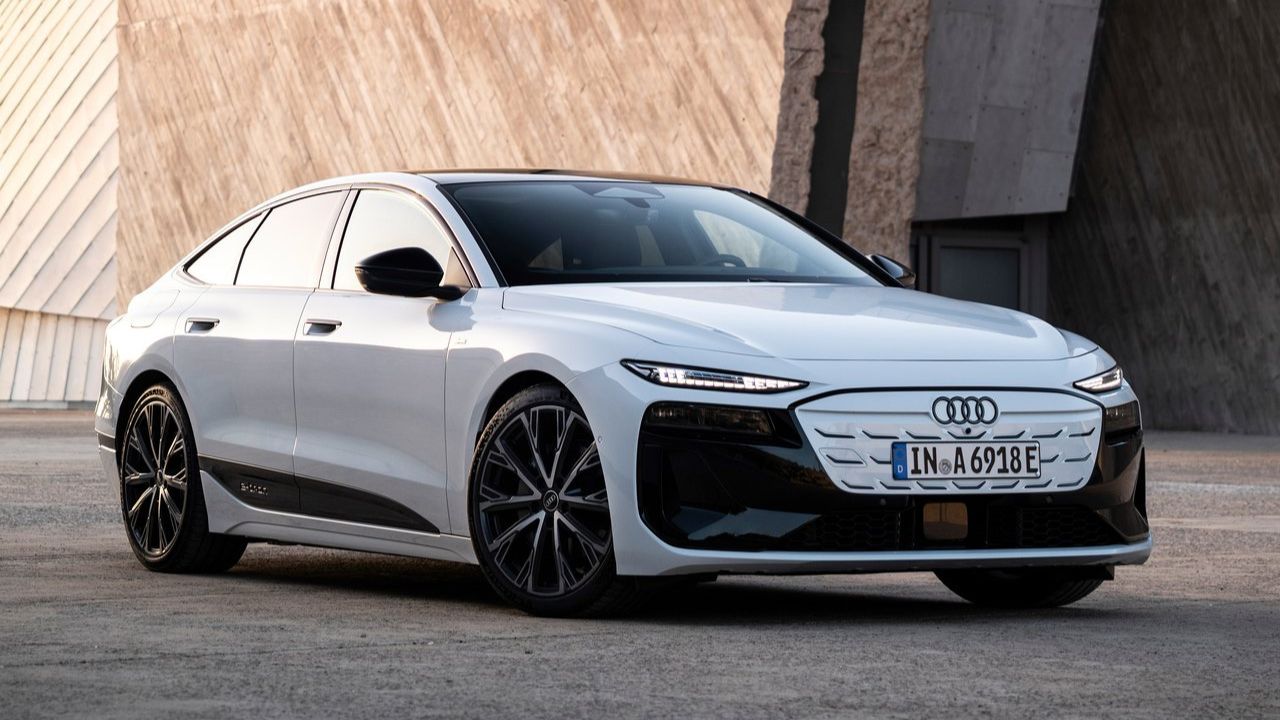

Audi’s newest electric vehicles are learning how to sleep, or at least how to help their drivers do it. With the 2027 A6 Sportback e-tron and Q6 e-tron, the German automaker has introduced a new feature called Power Nap mode, a software-driven relaxation setting designed to turn charging sessions into short recovery breaks.
While Audi keeps the description deliberately vague, the move signals a growing industry trend that treats EVs more and more like mobile living spaces.
According to Audi, Power Nap mode “creates a calm and restful atmosphere during charging sessions.” That simple sentence hides a surprisingly complex stack of technology.
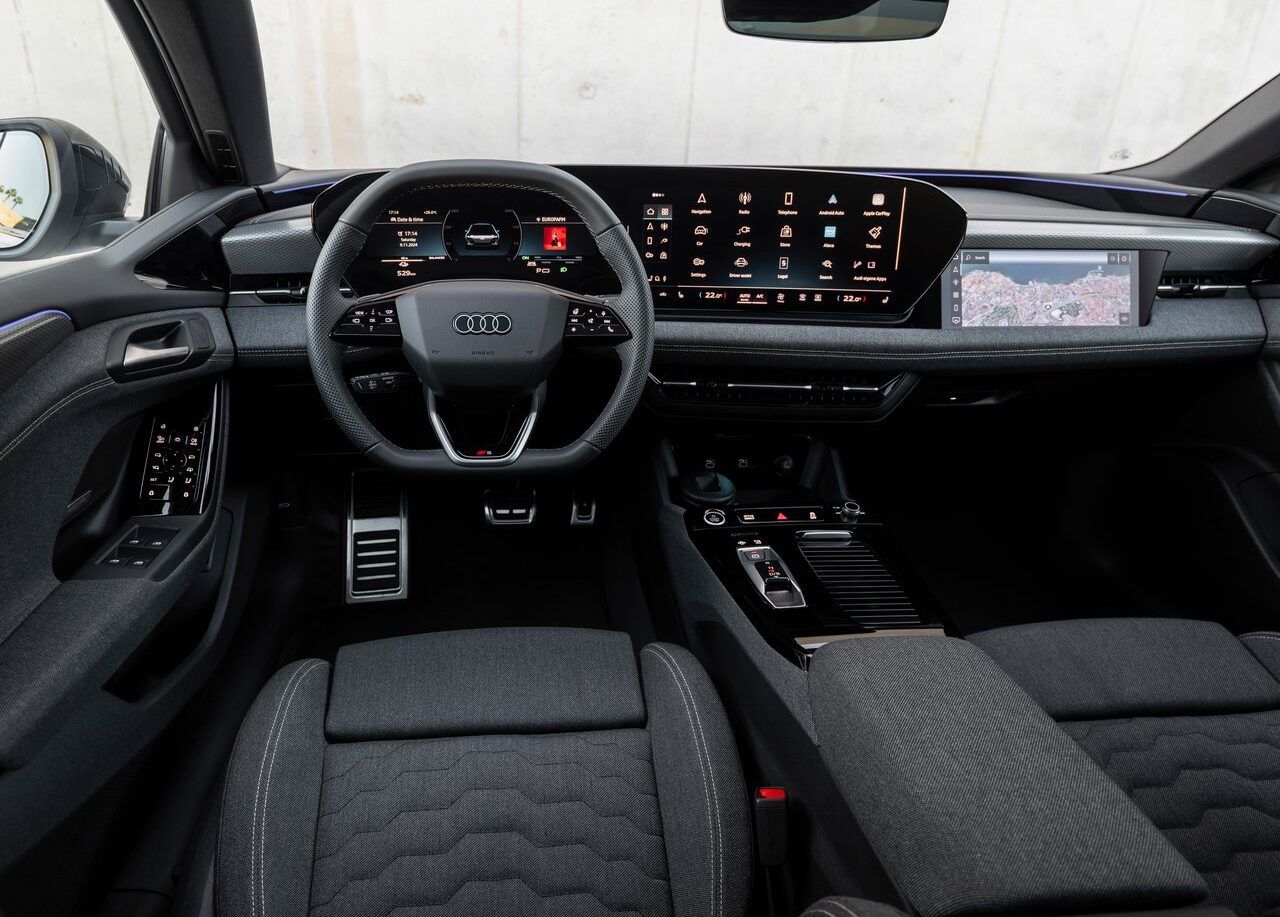
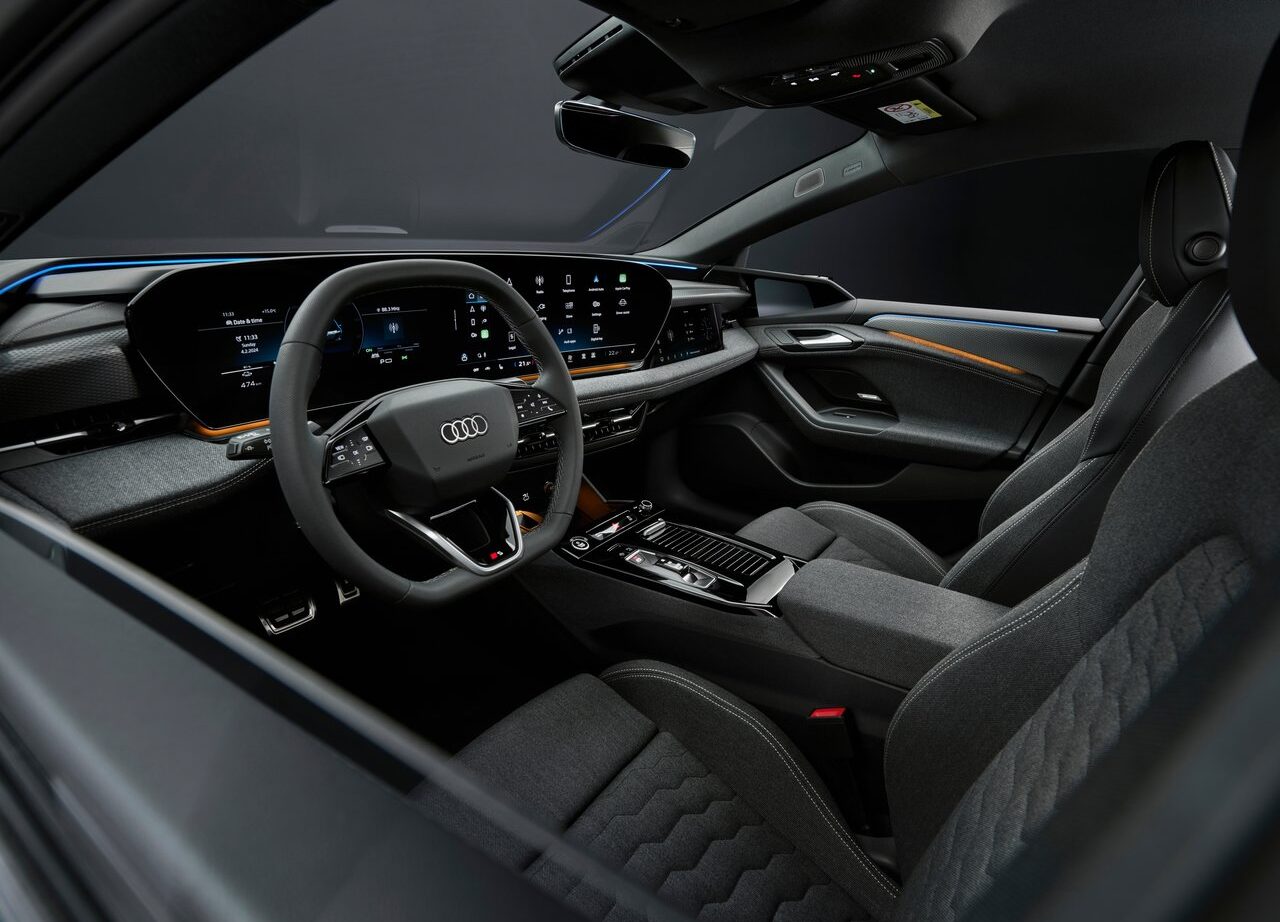
When activated, the system coordinates multiple vehicle subsystems at once, including ambient lighting, climate control, seat ergonomics, audio, and display behavior. This time around, the goal is neither entertainment nor productivity, but sensory reduction. Try sleeping for a change.
How Power Nap Mode Actually Works
Power Nap mode dims interior lighting to warmer tones, lowers screen brightness, and suppresses visual notifications. Climate control is automatically adjusted to a temperature range associated with sleep comfort, and airflow is softened to reduce noise.
Audi’s seats, which already feature multi-zone heating, ventilation, and massage functions, would shift into low-frequency massage patterns designed to reduce muscle tension rather than stimulate circulation. Audio output can be muted entirely or replaced with low-volume ambient soundscapes.
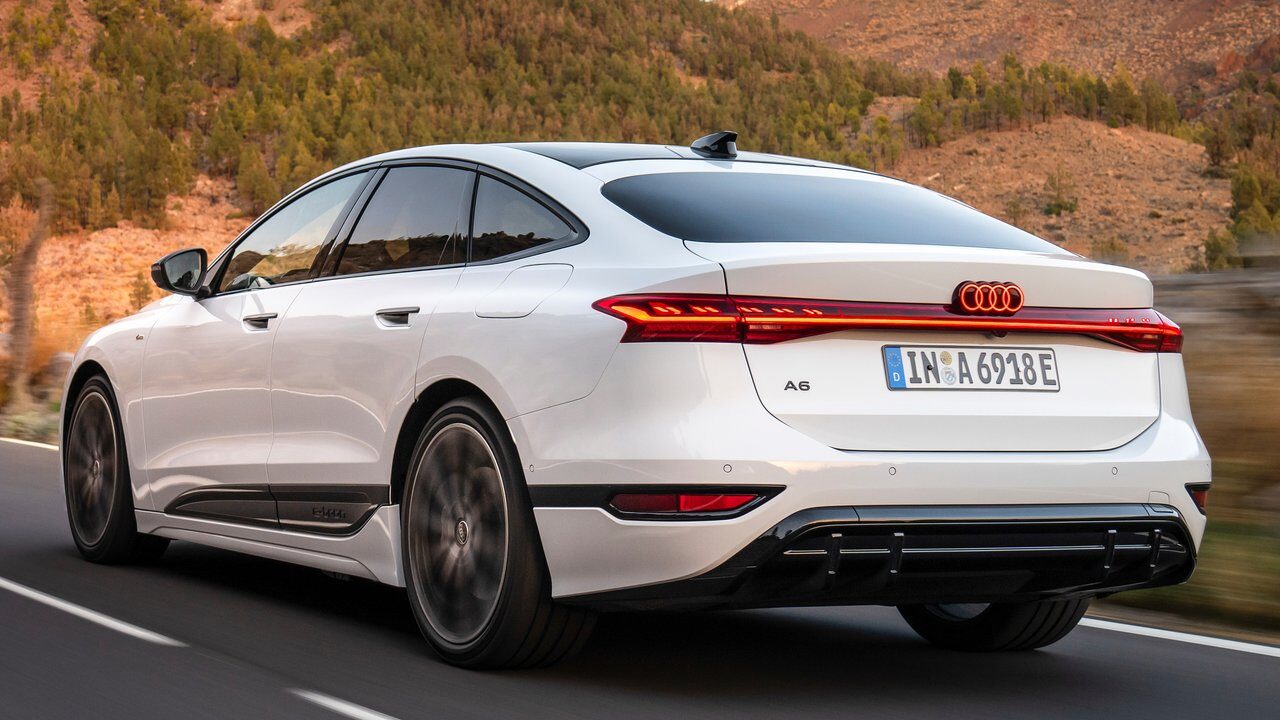
What we find particular intriguing about this feature is how tightly it integrates with the charging process itself. Because the A6 e-tron and Q6 e-tron are built on Audi’s 800-volt Premium Platform Electric architecture, they can charge at rates up to 270 kilowatts.
Audi claims a 10 percent to 80 percent recharge can take as little as 21 minutes. Power Nap mode is clearly tuned for that window, encouraging drivers to simply nap through the recharge rather than walk away or scroll endlessly on a phone.
That’s assuming you aren’t startled awake by the noise of thieves attempting to swipe your charger for their copper. That sort of thing is on the rise at charging stations these days.
Audi Joins a Growing Wellness Tech Race
This is not the first time an automaker has explored in-car relaxation, but Audi’s execution is among the most deliberate. Tesla has long offered “Camp Mode” and “Dog Mode,” which maintain cabin temperature while parked, and more recently added light and sound customization features that some owners use for resting.
Mercedes-Benz offers Energizing Comfort programs that coordinate lighting, fragrance, seat massage, and music, although these are designed to energize rather than induce rest. Volvo’s EX90 includes a Relaxation Mode that dims displays and optimizes seating posture, while BMW’s i7 offers Theatre and Relax modes that reduce sensory input.
Audi’s Power Nap mode is on our radar today for its intent. It is explicitly framed around charging downtime, not luxury indulgence or wellness theater. In that sense, it may be one of the first production features designed specifically around the psychological reality of EV ownership, where drivers frequently wait with their cars rather than simply refuel and leave.
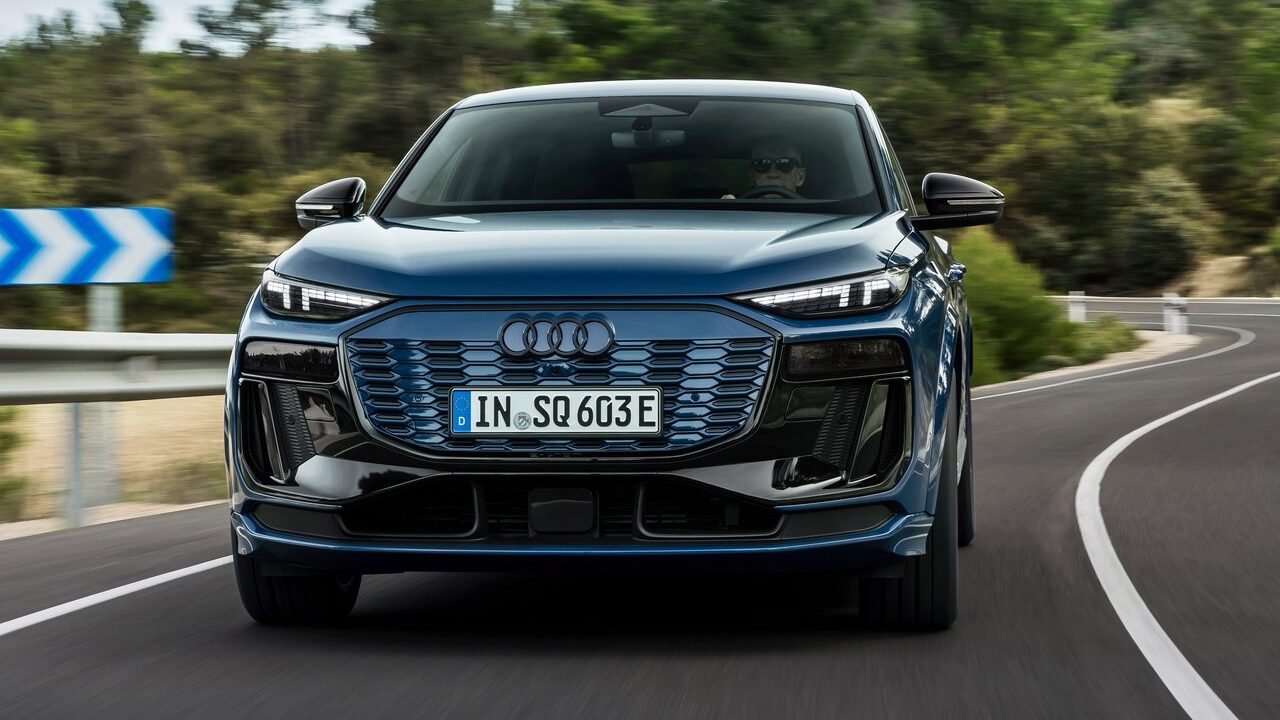
The technology enabling this feature relies heavily on software refinement rather than new hardware. Audi confirms there are no changes to battery size, range, or output for the 2027 refresh. Instead, engineers focused on software, user interface design, and control logic.
The new infotainment system integrates smartphone functions more deeply into the digital cockpit, while revised steering wheel controls bring back physical scroll wheels to reduce driver frustration. All of that arguably supports a larger theme of reducing cognitive load.
Power Nap Mode and the Future of Luxury EVs
Power Nap mode also reflects how EVs are reshaping expectations at higher price points. With A6 e-tron pricing starting near $68,000 and climbing past $80,000 for S models, Audi is betting that luxury buyers want more than performance numbers.
They want cars that respond to human behavior, including fatigue, overstimulation, and downtime. We can’t agree more.
Will drivers actually fall asleep during a 20-minute charging stop? That’s a question for another time, although we suspect sleep is inevitable even amid stock market uncertainties. Rich people will always need a break from staring at stock charts.
But Audi is not really selling sleep. It is selling control over the in-between moments that define modern electric driving. In that sense, Power Nap mode may be less of a gimmick and more of a preview of where in-car technology is headed.