
EVs (electric vehicles) are hailed as the great hope of decarbonizing transport, but a new pattern of crime is further threatening public confidence in the technology’s rollout.
Across Europe and North America, EV charging points are increasingly being vandalized or targeted by thieves seeking the copper inside their cables.
While the material value of copper is modest, the impact on drivers and infrastructure operators is escalating into a systemic problem with the ultimate potential to slow EV adoption unless robust countermeasures are deployed.
A Growing Epidemic of Cable Theft and Vandalism
At the center of this unfolding story is the theft of charging cables and copper wiring from public fast-charging sites. UK police reports obtained through freedom of information requests show that more than 200 incidents of theft and vandalism at EV chargers were recorded between 2022 and mid-2025.
These figures come from over 30 police forces across the country, though industry sources warn that this is likely “just the tip of the iceberg” because many incidents go unreported or aren’t logged separately in police databases.

The raw numbers show a rising trend. In one recent UK example, West Mercia Police recorded five cable thefts in a single month in 2025, compared with just one during all of 2023. That sharp growth mirrors other data pointing to theft and vandalism more than doubling in 2024 versus the previous year.
Industry operators are bearing the cost of these attacks. One UK charging provider, Instavolt, reported 33 incidents across just 13 of its sites in the last year, and around 100 cables were cut in the West Midlands alone. The financial toll is rather striking.
Each cable contains around £20 worth of copper yet repairs often cost operators hundreds or even thousands of pounds per incident. Overall costs in the UK are already counted in the millions of pounds, when replacement, repair and lost earnings are all factored in.
A Global Trend
It is a similar story outside the UK. In Germany, one of Europe’s largest EV charging markets, operators like EnBW have reported hundreds of cable thefts in 2025 across more than 130 fast charging sites, with the direct impact amounting to low single-digit million euros in infrastructure loss.
In the United States, charging infrastructure operators have revealed surging vandalism trends, too. Electrify America alone reported that 215 charging cables were cut in 2024, more than double the 79 cables damaged in the prior year.
Across North America, similar patterns of theft are being reported in major states including Washington, California, and Nevada.
This pattern may at first seem counterintuitive. The amount of copper in a charging cable has far less value as scrap than the repair bill. For instance, typical copper prices might allow a thief to earn barely five to seven US dollars per cable after stripping insulation, even though a replacement can cost hundreds or more.
Industry experts and public safety advocates say the rise in theft and vandalism is fueled by a combination of high copper prices, unattended infrastructure, and the ease with which cables can be severed with simple tools. Unmanned charging stations, often located in low-security settings such as supermarket car parks or isolated lots, are particularly vulnerable.
Why Criminals Keep Coming Back—And What’s at Stake
It is not always everyday criminals who are involved. Some operators report repeated attacks at the same sites, suggesting organized efforts rather than opportunistic theft. As one security director put it, thieves often “revisit the same public charging stations to steal replacement cables installed after previous thefts.”
The consequences of these attacks extend beyond direct cost. Broken or disabled chargers reduce network reliability, undermine confidence in electric mobility, and present a real hurdle for drivers who rely on public infrastructure for long-distance travel.
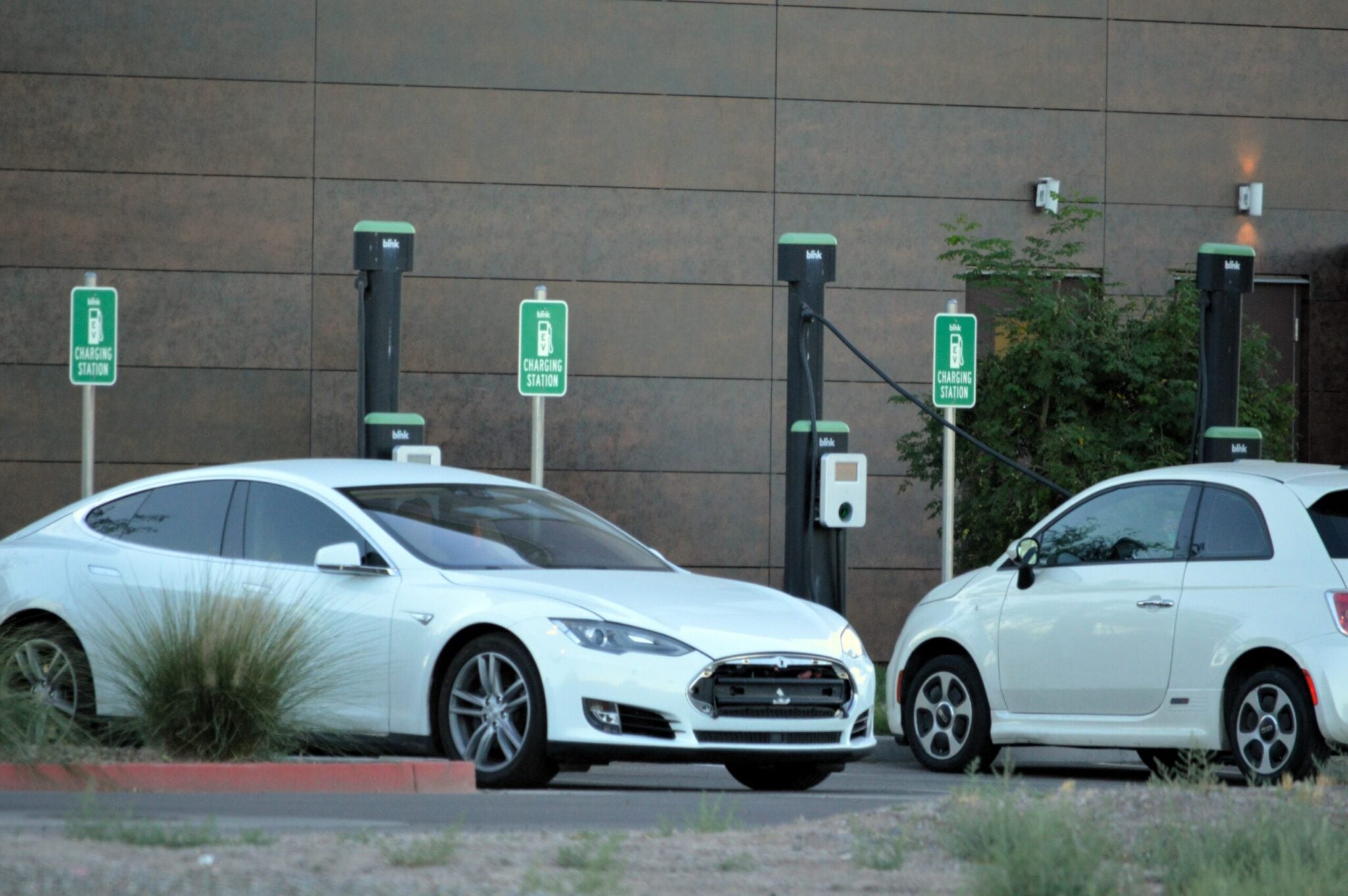
In some communities, repeated outages have led to frustration among EV users who find crucial charging hubs offline for weeks while awaiting repairs.
Operators and technology providers are responding with a range of strategies. Some, like ChargePoint, are rolling out cut-resistant charging cables and alarm systems to deter theft. Other proposals include hardened cable designs, better physical security at charging hubs, and tighter regulatory controls on scrap metal sales.
The Race to Secure the Future of Charging
Policymakers and infrastructure planners are also examining the problem. Given government targets for tens of thousands more public chargers in the coming years, preventing theft and vandalism is emerging as a key part of ensuring a resilient EV network.
Ultimately, the security of electric vehicle charging infrastructure may be as pivotal to the success of electrification as battery range or grid capacity. As copper thieves continue to stalk these critical assets, the industry’s response will shape whether drivers can trust that the future of transport will be as dependable and sustainable as promised.