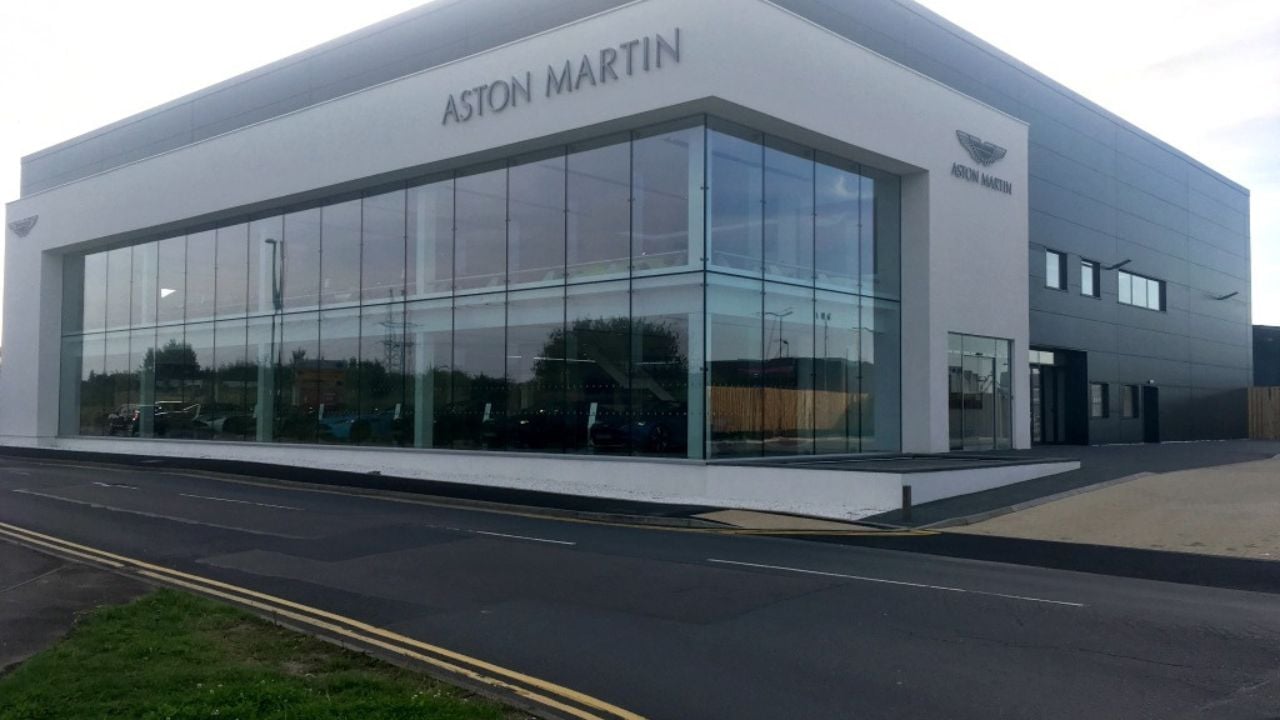
Aston Martin recently announced it would cut up to 20% of its global workforce, a reduction of roughly 600 jobs, in an effort to arrest worsening financial performance and adapt to persistent macroeconomic headwinds.
The decision came after Aston Martin reported £493.2 million in annual losses in 2025. This represents a worsening state of affairs for the British performance car brand considering it operating losses in 2025 were $350 million, compared to $134.3 million in 2024. The company also noted weaker demand in the United States and China, which are one of the main markets.
It follows earlier, smaller workforce reductions including a 5% cut announced in 2025 but this latest round is the most substantial in over a decade. Company leaders frame the move as necessary to secure near‑term financial stability, but the cutbacks underscore deeper strategic challenges.
Financial turbulence: Losses, tariffs, and slower sales

Aston Martin’s results show a company pushed into the red, with net losses increasing sharply and wholesale volumes falling about 10 % to 5,448 cars. That contraction pulled revenues below expectations. Aston Martin cited two external forces responsible for its downturn.
The first is tariffs imposed by the United States. These included a 25 % levy on imported cars, which have increased the cost of exporting UK‑built vehicles to Aston Martin’s largest market, affecting pricing and competitiveness. Weak demand from the Chinese market also dampened sales and revenue for the brand.
Combined with global economic uncertainty and a generally softer luxury car market, these factors have contributed to lower deliveries and contraction in revenue. Aston Martin’s high dependency on exports makes it especially sensitive to changes in trade policy and consumer demand abroad.
Workforce cuts and cost‑saving measures

The scheduled cuts are expected to generate approximately £40 million in annualized savings, though the exact timing and departmental breakdowns have not been fully disclosed.
Most of the impact will fall on UK operations, particularly in and around Aston Martin’s main manufacturing sites in Warwickshire and South Wales, where factory and office roles alike will be affected. Company statements refer to the job eliminations as a “difficult decision” made to align resources with future strategy, but they underscore a broader recalibration of the business.
In addition to staff reductions, Aston Martin has trimmed its five‑year capital expenditure plan, reducing planned investment from £2 billion to £1.7 billion by delaying certain projects, notably in electric vehicle (EV) development. This mirrors a cautious pivot away from cost‑intensive long‑term initiatives toward preserving immediate liquidity and operational flexibility.
Despite the cuts, some segments of the business show potential. The company has indicated that newer models like the Valhalla hybrid may help improve margins, and it sold the naming rights to its Formula 1 team for £50 million as part of broader efforts to raise funds.
Turning the brand around

While the workforce reductions and cost controls are intended to stabilize Aston Martin’s finances, analysts and industry observers see them as part of a much broader strategic challenge.
The brand’s decline in sales volume and revenue reflects structural issues, not just cyclical market shifts. Aston Martin has issued multiple profit warnings in recent years and repeatedly resorted to capital infusions from executive chairman Lawrence Stroll and external investors to stay afloat.
Reversing the trend will likely require a comprehensive reorientation. that is rebuilding global demand, navigating trade barriers, optimizing product mix, and ultimately reaching sustainable profitability. Management forecasts improvement in 2026 with an emphasis on margin expansion and stronger cash flow, but execution risks remain high.