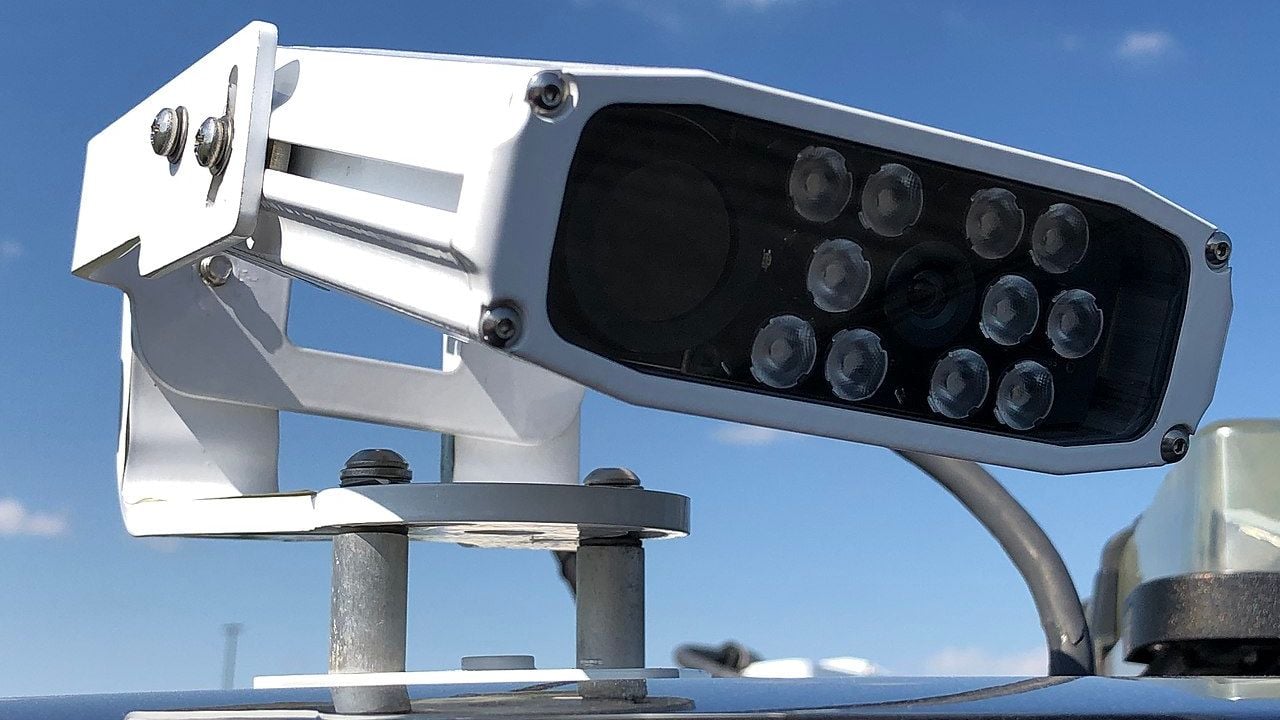
Questions about vehicle privacy are becoming increasingly common as modern technology allows companies and government agencies to collect more information than ever before. While much of the discussion has focused on connected cars and telematics systems, a new lawsuit highlights how drivers can be tracked even when their vehicles are not transmitting data themselves.
Motorola Solutions is facing a proposed class-action lawsuit that alleges its automatic license plate reader (ALPR) network violated California privacy laws. The complaint claims the company collected, stored, and shared vehicle information without meeting legal requirements designed to protect motorists.
According to the lawsuit, the data was allegedly shared with federal agencies and organizations outside California without drivers’ knowledge or consent. Plaintiffs argue that these practices run afoul of California’s Automated License Plate Recognition Privacy Act, which imposes strict rules on how such information can be handled.
The case adds to a growing list of privacy-related legal challenges involving vehicle data. As automakers, technology companies, and government agencies gather increasingly detailed information about drivers, scrutiny over how that data is collected and shared continues to intensify.
How ALPR Systems Work
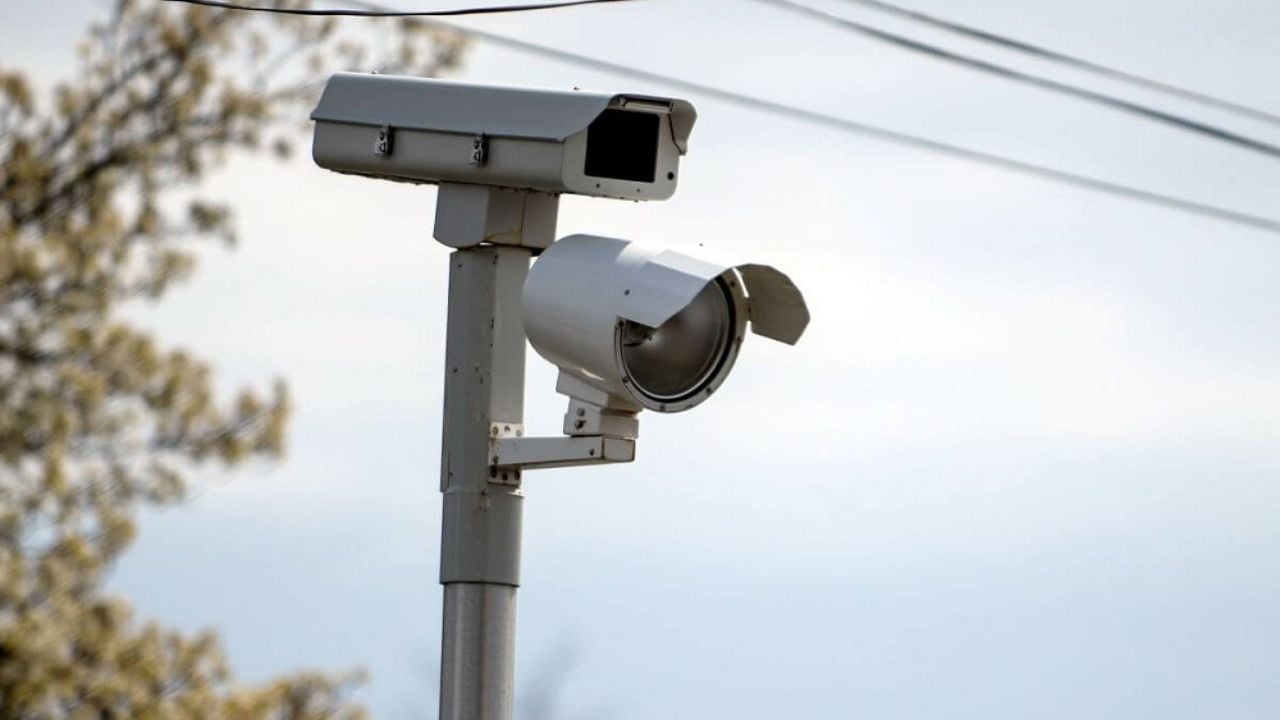
Automatic license plate reader systems use high-speed cameras to capture information from passing vehicles. These systems are commonly used by law enforcement agencies to identify stolen vehicles, locate suspects, and support criminal investigations.
The lawsuit alleges Motorola’s technology records vehicle information beyond license plate numbers. According to the complaint, the cameras can capture vehicle make and model information, images of occupants, precise GPS locations, and timestamps showing exactly when and where a vehicle was detected.
Plaintiffs claim the system operates continuously and indiscriminately, recording information from virtually any vehicle that passes within view of a camera. The collected data can then be stored and analyzed to build location histories associated with specific vehicles.
The complaint further alleges Motorola supplements these records with artificial intelligence tools capable of reviewing years of stored information to identify patterns and flag vehicles of interest.
Allegations Of Improper Data Sharing
A central claim in the lawsuit involves how the collected data was allegedly shared. Plaintiffs argue that California law requires operators of ALPR systems to maintain clear privacy policies and establish safeguards governing access to sensitive vehicle information.
The lawsuit specifically references reports that the University of California, Merced Police Department shared ALPR data with several federal agencies. Those agencies allegedly included Customs and Border Protection, IRS Criminal Investigation, and the U.S. Secret Service.
According to the complaint, drivers whose vehicles were recorded were not informed that their information could be shared with federal entities. Plaintiffs argue this lack of transparency violates California’s privacy requirements.
The lawsuit also raises concerns about data being made available to agencies outside California, potentially extending the reach of vehicle-tracking information far beyond the jurisdiction where it was originally collected.
Security Concerns Add To The Scrutiny
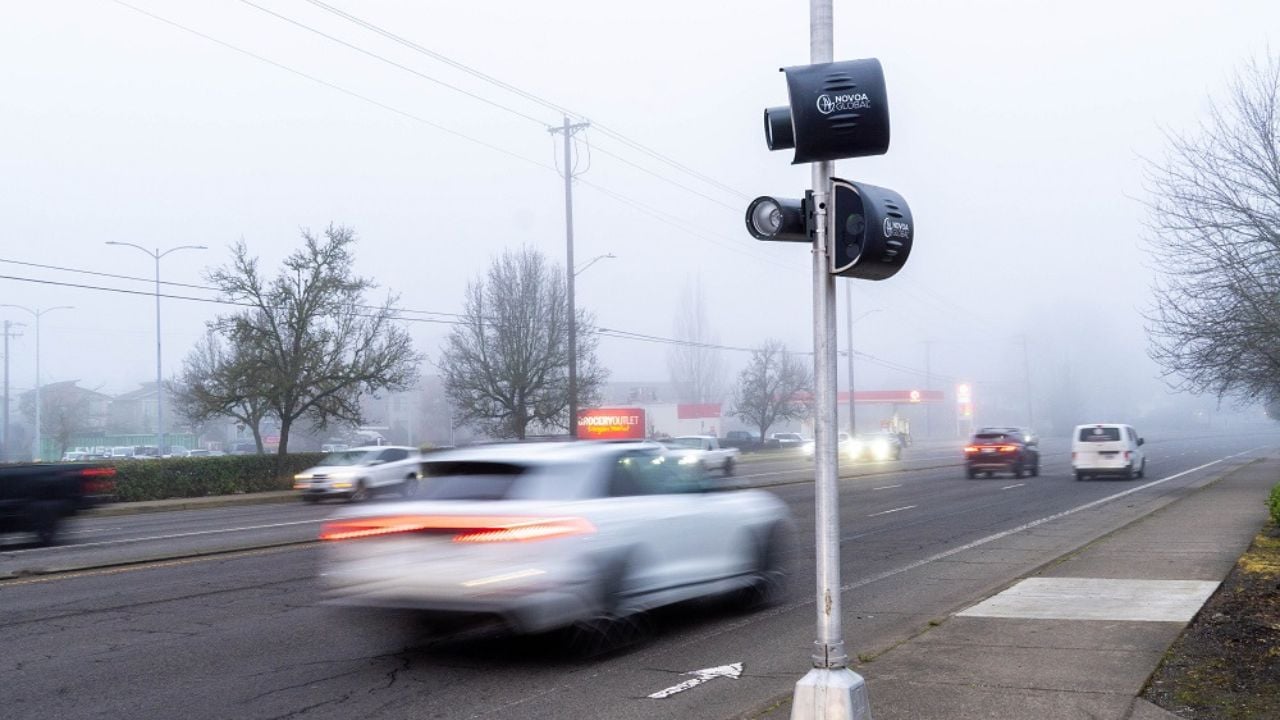
Beyond the data-sharing allegations, the lawsuit points to several reported security concerns involving ALPR systems. Plaintiffs claim these incidents demonstrate weaknesses in how sensitive information is protected.
The complaint references a cybersecurity advisory issued in 2024 that identified vulnerabilities within Motorola’s systems. According to the filing, those weaknesses could have potentially allowed unauthorized access to collected data.
Another allegation involves a security researcher who reportedly discovered in early 2025 that real-time data streams from certain ALPR systems could be viewed through the open internet without login credentials. The lawsuit argues that such incidents highlight insufficient safeguards for highly sensitive information.
If proven, these allegations could strengthen claims that the company failed to maintain reasonable security measures required under California law.
Privacy Concerns Continue To Grow
The lawsuit seeks to represent individuals whose license plate numbers or identifying vehicle information were allegedly captured by Motorola-operated ALPR systems in California. As with any civil litigation, the allegations remain unproven unless established in court.
The case arrives amid broader concerns about how vehicle-related data is collected and used. Recent lawsuits involving connected-car services and driver-monitoring technologies have fueled debate over the balance between convenience, public safety, and personal privacy.
Supporters of ALPR technology argue that it provides valuable tools for law enforcement and can help solve crimes more efficiently. Critics counter that large-scale vehicle tracking systems risk creating detailed records of individuals’ movements without their knowledge.
Regardless of the lawsuit’s outcome, the case underscores a growing reality of modern transportation. Even drivers of older, non-connected vehicles may leave behind extensive digital footprints as camera networks, surveillance technologies, and data-sharing systems become increasingly common across public roads.