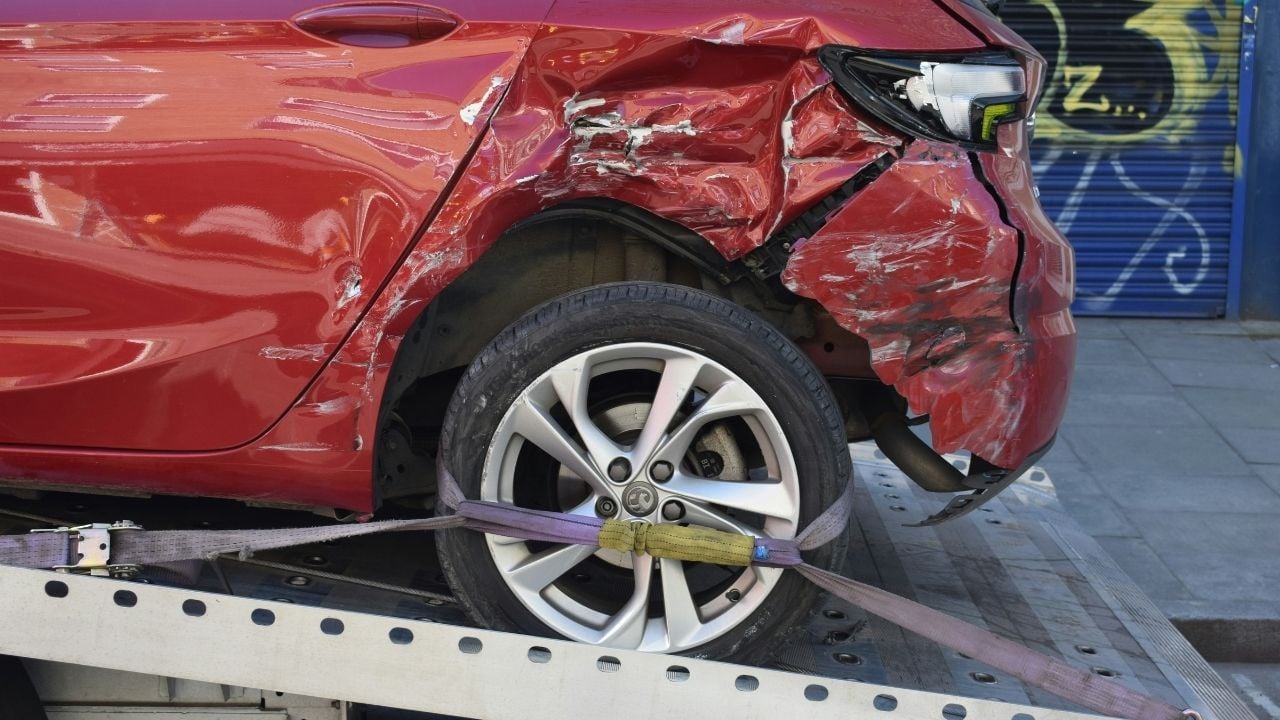
A woman has claimed that another driver hit her car and drove away, and she shared a few tips that she wishes she had known before the incident. One of those is to record a voice memo detailing the car that hit you.
TikTok user Regan (@regan.accidenthelp), who partners with CarInjuryCalculator, said she was the victim of a hit-and-run incident recently. This means her car had been driven into, but the other driver simply drove off rather than exchange details or check that everything was okay.
Regan said it was only after it had happened that she realized what she could have done to make it easier to sort out the situation afterward. That led her to discuss the three pieces of advice she gave in her video, which she hoped would help others if they got into a similar situation.
Voice memos were one thing, Regan said, drivers should use to help remember the details of an incident. Getting checked by a doctor is another, especially if the hit-and-run was particularly hard. She also recommended obtaining contact information from witnesses, as this could prove useful for insurance claims or potential court appearances.
What Should You Do After a Hit-And-Run?
@regan.accidenthelp What’s important to know about a hit and run. Plus, carinjurycalculator.com #InsuranceClaim #CarAccident #hirandrun #CarInsurance #PSA ♬ original sound – Regan
Regan said the first thing to do after a hit-and-run is to record a voice memo. This means you can record details on the car, such as its make and license plate, rather than simply trying to remember them for later.
“The color, the make, the model, partial plate, if you can get it,” she advised in her video. Adrenaline from an accident can make some details harder to remember later, so a voice memo is a great way to get around this.
Something else she said to do is, when you have composed yourself, to look for security or doorbell cameras. These may have captured the accident, and if there is footage proving you were not at fault, then that will really help you out. “Those get deleted fast, so make sure you grab that information,” Regan said. She also recommended getting contact information from witnesses who saw what happened. A first-hand account can really boost your chances of getting insurance money or ensuring the other driver faces charges.
Another thing Regan notes is that a hit-and-run can fall under uninsured motorist coverage if the other driver is never identified. “Your own uninsured motorist coverage is what actually pays you for your injuries and damage even if the driver is never found,” she said. In fact, most insurers won’t process a hit-and-run claim without a police report, so she also recommends calling the police to get a report filed, even if an officer can’t come to you directly.
Insurance Groups Recommend Similar Courses of Action
The advice Regan gave in her video is similar to what insurance groups recommend you do. The National Association of Insurance Commissioners says that drivers should note the time and date, the location of the crash, and get as much contact and witness information as possible. Documenting the scene with photos and a sketch is another thing they recommend drivers do.
The Insurance Information Institute also said that recording as much information as possible about the other vehicle involved is another good move. This includes its make and model, the car’s color, and, if possible, its license plate registration. Taking pictures and videos of the scene and any potential damage to your own car is something insurers would like to see. All of this can be of big help if you ever find yourself in such a situation.