When I first slid behind the wheel of my ZZW30 Toyota MR2, the way the car balanced corner to corner was astonishing. Every input into the steering wheel felt direct and alive. That moment taught me the magic of a mid-engine layout paired with a manual gearbox, and I’ve never looked back.
Not everyone needs a six-figure exotic to tap into that purity, and frankly, at the time, I couldn’t afford anything more. I’ve driven dozens of mid-engine cars since then, and I still argue that an affordable mid-engine, manual car is still just as good. From the wedge-shaped Fiat X1/9 to the pint-sized Honda Beat, there are several platforms in the high-revs-and-rear-drive club that won’t break the bank.
1. Fiat X1/9 (1974–1987 U.S. imports; very small numbers arrived later via independent importers)
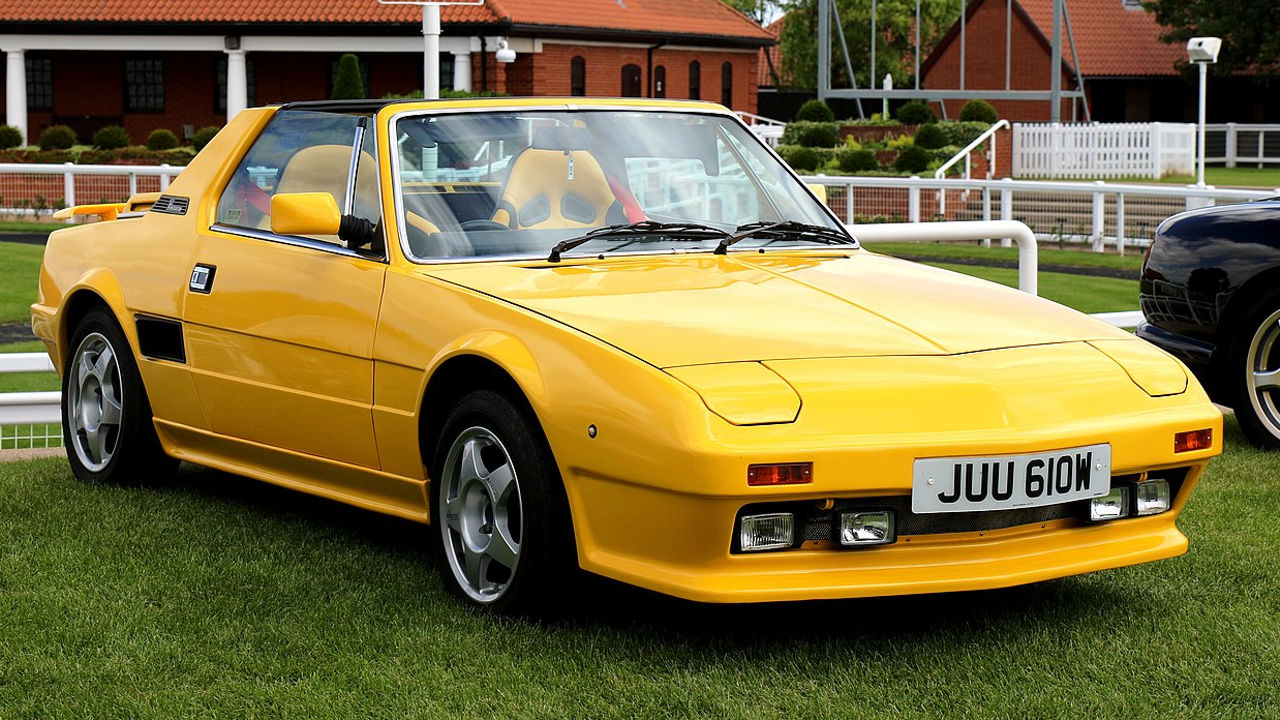
I’m kicking this list off with something a little odd to prove to you that there may be some models you aren’t considering. The Fiat X1/9 brought mid-engine handling to an affordable targa-top coupe. Its wedge shape and low center of gravity deliver precise turn-in and neutral balance.
Enthusiast clubs keep parts flowing and support vintage racing builds. This platform proves Italian design and simplicity can coexist.
2. Honda Beat (1991–1996, U.S. import-eligible under the 25-year NHTSA exemption and 21-year EPA exemption)

The Honda Beat packs its tiny engine behind the seats in a chassis that feels like a go-kart on steroids. Its five-speed manual and open-air cockpit add to the raw driving experience. Honestly, until I looked into it, I didn’t even realize that the Honda Beat WAS a mid-engine car.
The Beat’s independent suspension and high-revving nature reward adventurous back-road runs. Enthusiasts prize its reliability and cult following.
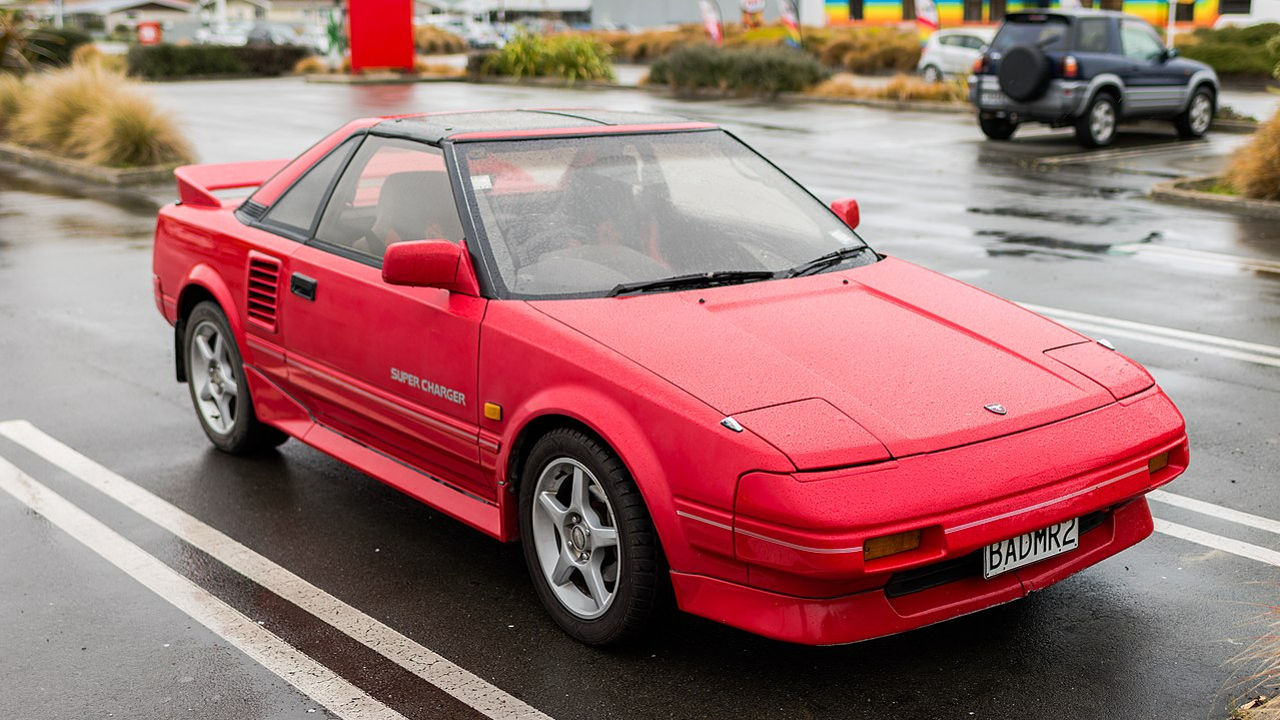
3. Toyota MR2 (AW11, SW20, ZZW30)

Across three generations, the MR2 delivered lightweight balance and manual control. Early AW11s are agile and simple, while the SW20 turbo models add a hint of supercar attitude.
The ZZW30 Spyder brings modern suspension tuning and maintenance ease. A thriving aftermarket ensures no shortage of upgrade paths.
4. Pontiac Fiero

Hear me out. Yes, the Fiero has a bad reputation, but its redemption wasn’t widely recognized, leaving a car with the potential for greatness sitting unwanted by many buyers. By 1988, the Fiero GT and the new-for-1988 Formula paired available 5-speed manuals (the Getrag unit arrived on V6 cars for 1987) with the all-new 1988 suspension, finally giving the chassis true sports-car chops.
Its mid-mounted V6 gave it muscle, and the 1988 suspension redesign, especially at the rear, sharpened the handling. Builders love swapping in modern powertrains or upgrading brakes and sway bars.
According to Hagerty, the Fiero remains GM’s first mass-produced mid-engine effort, reinvented as a project car.
5. Porsche Boxster (986 and 987 Manual)

Porsche’s entry-level roadster put its flat-six behind the cockpit for balanced dynamics that eclipsed many sports cars. A manual gearbox lets drivers wring out each gear and feel every nuance of grip.
Strong engineering and parts availability keep ownership costs surprisingly reasonable. Track enthusiasts and weekend cruisers both swear by its composure.
6. Porsche Cayman (987.1 and 987.2 Manual)

With a fixed roof and a stiffer chassis, the Cayman refines the Boxster formula. The manual transmission feels mechanical and precise at every shift. Its mid-engine weight distribution invites spirited driving without moodiness.
Community-supported upgrades cover brakes, suspension, and lightweight flywheels.
7. Lotus Elise (2005–2011 US Federalized)

When I finally sold my MR2, it was to buy this. I know what you’re thinking: a Lotus? The little British thing? Isn’t that expensive? Actually, you can find them on the US marketfor less than many new performance cars (and sometimes less than well-optioned new crossovers), depending on condition and originality.
The Elise chassis uses bonded aluminum for rock-solid rigidity and feather-light weight. A manual gearbox and mid-mounted engine create a direct, track-focused experience. Its sparse interior strips away distractions so drivers stay in tune with the road. Enthusiasts value its aerospace tech DNA and straightforward service routines.
Pure Mid-Engine Thrills Within Reach
These cars prove that mid-engine, rear-wheel-drive performance does not require an exotic budget. Each platform combines manual engagement with chassis balance in a way front-engine cars simply can’t match.
Whether you’re hunting track-day glory, carving mountain passes, or rediscovering what a gearbox feels like, this list delivers platforms that bring pure driving joy without a six-figure sticker.