
Alright, I’m about to say it. It’s really come to this. I’m either getting old or cars are getting lame. Or both. But remember when cars had personality back in the day? Not just cup holders and Bluetooth, but an actual character that made you want to grab the keys and go nowhere in particular. These days, everything’s got 47 airbags and can park itself, which is great for safety but terrible for the soul. Let’s take a trip back to when cars were built to make you smile, not just survive.
We picked six machines that turned regular folks into weekend warriors, garage tinkerers, and those annoying people who always take the long way home. These aren’t necessarily the fastest or most practical: they’re the ones that made you feel like a racecar driver picking up milk at the grocery store. Each of these vehicles offers a different driving experience that is all memorable, enjoyable, and meaningful in its own way, from feeling a car’s power as you smoke other drivers on a straight to feeling like you’re in a zippy go-kart that can take any turn with ease.
Ford Mustang

The original Mustang didn’t just start the pony car wars: it basically invented the class. Ford’s brilliant insight was that people wanted to feel like Steve McQueen, even if they were just driving to their accounting job in Dayton. The Mustang made that possible for the price of a well-equipped Falcon.
Ford actually built the Mustang on the humble Falcon platform, but nobody cared because it looked like it could outrun a cheetah. The long hood, short deck design became the template for every cool car that followed. The base model came with a straight-six that made about as much power as a modern leaf blower, but the magic happened when you checked the box for the 289 or 390 V8.
The Hi-Po 289 (that’s High Performance for you youngsters) made 271 horsepower, which was enough to chirp second gear and seriously annoy your insurance agent. The 390 Big Block was for people who wanted to make sure everyone within three zip codes knew they were coming. These engines didn’t just sound good – they sounded like freedom wrapped in cast iron.
Production hit 418,812 units in the first year, which was like printing money with horsepower. It proved that Americans didn’t just want transportation – they wanted transportation that made them look cool at the drive-in.
Chevrolet Bel Air

The Tri-Five Bel Air is what happens when optimism gets a V8 and chrome bumpers. These model years represent peak American confidence, when we thought atomic energy would power our toasters and every family would have a helicopter in the garage. The Bel Air was the automotive embodiment of that spirit, with fins that looked like they could achieve orbit.
The ’55 was the revolutionary one, introducing Chevy’s new 265 small-block V8. This wasn’t just any V8: this was the engine that would eventually become the LS series everyone swaps into everything today. In 1955, it made 162 horsepower, which doesn’t sound like much until you remember the car only weighed about 3,200 pounds. That’s light enough that you could practically push it, though with all that chrome, you’d risk putting your back out.
The ’56 added more chrome (because apparently there’s no such thing as too much chrome), and the ’57 became the holy grail with its revised front end and available fuel injection. Yes, fuel injection in 1957 – Chevy was basically from the future. The “fuelie” models are worth more than some people’s houses today, assuming you can find one that hasn’t been turned into a hot rod.
Volkswagen Golf Mk2 GTI

The Mk2 GTI was the car that proved Europeans were having way more fun than Americans thought possible in something that looked like a lunchbox. While we were building cars the size of small aircraft carriers, VW created a hatchback that could embarrass sports cars and still haul your groceries home without complaining.
This generation perfected the hot hatch formula: take a sensible car, add just enough horsepower to be dangerous, throw in some sport seats that hugged you like your grandmother, and paint racing stripes on everything. The 16-valve version made 134 horsepower, which doesn’t sound impressive until you realize it only had to motivate 2,400 pounds of German engineering.
The real magic was in the details. Those red-striped Recaro seats became so iconic that people still hunt them down on eBay like they’re archaeological treasures. The steering wheel was perfectly sized, the shifter was precise enough to perform surgery with, and the handling was so balanced you could drive it to work on Monday and autocross it on Sunday without changing anything but your attitude.
The GTI created a whole generation of enthusiasts who learned that horsepower isn’t everything – sometimes you just need a car that feels alive. It cornered flat, stopped straight, and made noises that encouraged bad decisions. Plus, it was practical enough that your spouse couldn’t complain when you bought one “for the family.”
Mazda MX-5 Miata

The original Miata proved that Japan had been paying attention to everything Britain did right with sports cars, and more importantly, everything they did wrong. It was basically a British roadster that actually started when you turned the key and didn’t leave puddles of mysterious fluids in your driveway.
Mazda’s engineers were brilliant in their simplicity: take a Lotus Elan, make it reliable, add air conditioning that works, and price it so normal people could afford it. The result was automotive pure joy distilled into 2,100 pounds of Japanese craftsmanship. The pop-up headlights alone were worth the price of admission – they made the car look perpetually surprised to be having so much fun.
The 1.6-liter four-cylinder made 116 horsepower, which was plenty when you consider the car weighed about as much as a golf cart. The real magic was the 50/50 weight distribution and suspension tuning that made every corner feel like a dance. You could drive a Miata at 8/10ths on public roads and feel like a hero without risking your license or your life.
Miata owners developed their own culture, complete with waves to other Miata drivers (and by waves we mean winking at one another with headlights) and gatherings where grown adults compared suspension modifications with the intensity of wine connoisseurs. The car created evangelists who would corner strangers at parties to explain why “Miata Is Always The Answer” to any automotive question.
Porsche Boxster (986)

The original Boxster was Porsche’s way of saying, “Fine, you want an affordable Porsche? Here’s your affordable Porsche. Don’t come crying to us when you realize it’s still a Porsche and still wants to bankrupt you with maintenance costs.”
This was the car that saved Porsche from itself. By the mid-’90s, they were selling about as many cars as a good Toyota dealer moves in a month. The 911 was getting expensive and complicated, and the 928 and 968 were dying slow, painful deaths. Enter the Boxster: a proper mid-engine sports car that looked like a baby 911 and drove like something that actually understood what fun was supposed to feel like.
The flat-six engine mounted behind the seats made all the right noises – that distinctive Porsche growl that sounds like mechanical happiness. The base model made 201 horsepower, which was enough to remind you why mid-engine cars handle so differently from everything else. The weight distribution was perfect, the steering was telepathic, and the whole car felt like it was built by people who actually enjoyed driving.
Sure, the headlights looked a bit like fried eggs, and yes, the interior was typical German minimalism (translation: boring), but none of that mattered when you dropped the top and found a twisty road. The Boxster turned everyday drives into events and made you understand why people spent ridiculous money on sports cars.
The best part? It was actually reliable, by Porsche standards. The engine didn’t explode if you looked at it wrong, the electrical system worked most of the time, and routine maintenance only required selling a kidney instead of both kidneys and your firstborn child.
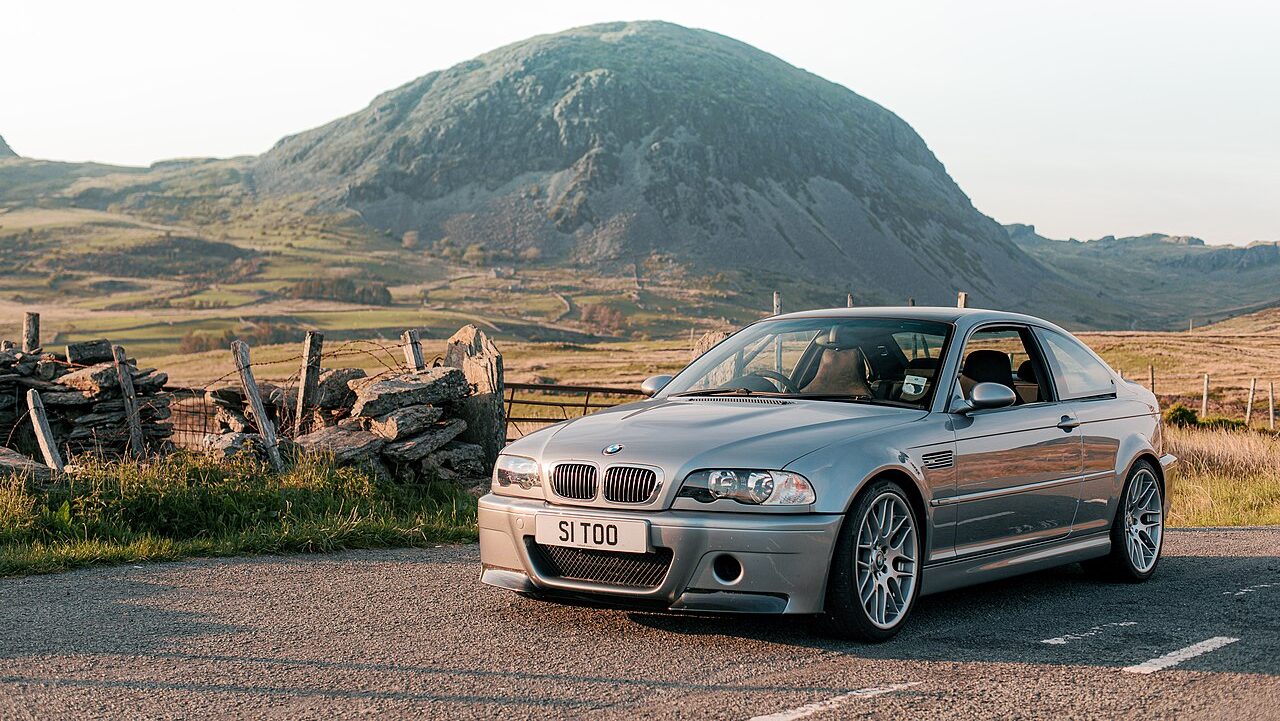
BMW M3 (E46)

The E46 M3 was BMW at their absolute peak, before they decided that fake engine noise and kidney grilles the size of swimming pools were good ideas. This was the last naturally aspirated M3, the last with hydraulic steering, and arguably the last time BMW built a sports car that put driving enjoyment ahead of lap times and magazine reviews.
Under the hood sat a 3.2-liter straight-six that made 333 horsepower and sounded like angels singing German engineering hymns. This wasn’t just any inline-six: this was an engine that could rev to 8,000 RPM and beg for more. The power delivery was linear, predictable, and addictive. You’d find excuses to drive through tunnels just to hear the exhaust note bounce off the walls.
The chassis was pure BMW perfection: balanced, communicative, and capable of making any driver look like a hero. The steering provided feedback that modern cars can only dream about, and the suspension struck that perfect balance between comfort and performance. You could drive it to work every day without hating life, then take it to a track day and embarrass cars costing twice as much.
BMW sold about 85,000 E46 M3s worldwide, which was just enough to make them special without being unicorns. The coupe was the purist’s choice and the convertible was for people who liked their hair messed up.
These cars have become collector items, with clean examples commanding prices that would make their original owners weep with joy or regret, depending on whether they kept theirs. The E46 M3 represents the end of an era – the last time BMW built an M car that was more interested in making you smile than making you faster.
When Cars Felt Alive

These six cars prove that the best automotive experiences aren’t about spec sheets or lap times: they’re about that moment when everything clicks and you remember why you love driving. They were built when manufacturers understood that cars were supposed to be partners in adventure, not just appliances that happened to move.
Sure, modern cars are faster, safer, and more efficient. They’ll park themselves, warn you about everything, and get better gas mileage than these classics ever dreamed of. But they won’t make you take the long way home just because the evening light looks perfect on the dashboard, and they probably won’t make you smile every time you see them parked in the driveway.
The automotive world keeps spinning, and new enthusiast cars keep arriving to carry the torch. But these six remain special because they got the formula exactly right: just enough performance to be exciting, just enough practicality to be usable, and just enough character to become part of the family. They remind us that the best cars aren’t just transportation – they’re time machines that can take you back to when driving was pure joy, one mile at a time.