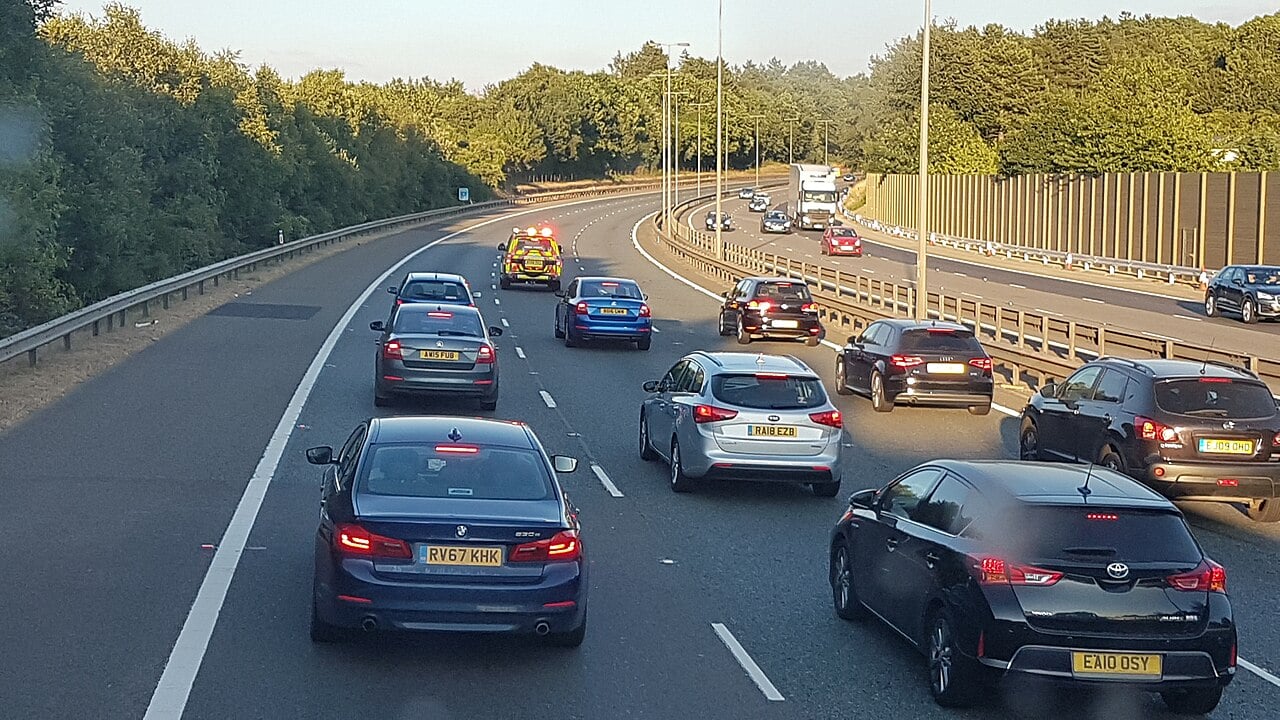

On 16 April 2021, 27‑year‑old Kimberley Cameron was jogging along the A41 Bicester Road in Aylesbury, Buckinghamshire. This stretch of dual carriageway carries a posted 40 mph limit. At the same time, PC Philip Duthie, then 41, was driving a marked police car in response to an emergency call.
His vehicle was traveling at roughly 60 mph, well above the limit but within the allowances granted to emergency drivers under UK law.
What made the situation unusual was his chosen lane.
Duthie was driving on the opposite side of the carriageway, a tactic sometimes used to bypass congestion or create a clearer path. While permitted in emergencies, this maneuver carries obvious risks, especially when visibility is compromised.
Tragically, Cameron stepped into the road to cross, and the collision proved fatal. While this happened in the UK, the case will matter to anyone who cares about how emergency driving is judged under pressure.
The Crown’s Case
The prosecution’s argument centers on line of sight and decision‑making in the seconds before impact.

Prosecutors told Westminster Magistrates’ Court that Duthie’s forward view was obstructed by a van when Cameron stepped into the carriageway. The Crown contends that the combination of elevated speed, opposing‑lane positioning, and a blocked view meant Duthie’s driving fell below the standard expected of a trained officer.
In UK law, emergency drivers are allowed to exceed speed limits and, in certain conditions, treat traffic controls differently. But those exemptions are not absolute. Officers must balance urgency with safety, considering road layout, visibility, and the behavior of other road users.
Prosecutors argue that maintaining 60 mph on the wrong side of the road, with a van blocking sightlines, reduced the time and distance available to detect a pedestrian hazard.
Cameron’s actions are also part of the picture.
She had been jogging and attempted to cross the carriageway. An inquest in October 2022 concluded that her death resulted from a road traffic collision, a finding that establishes cause but not criminal liability.
The criminal proceedings now underway are where the standard of driving and culpability will be tested in detail.
Court Procedure and Evidence
The initial hearing at Westminster Magistrates’ Court focused on procedure rather than guilt. Duthie elected trial by judge and jury, moving the case to crown court where evidence can be examined more fully.

District Judge Michael Snow granted unconditional bail, and the next appearance is scheduled at the Old Bailey on 26 May.
At trial, several technical questions are expected to shape the outcome. At 60 mph, a vehicle covers about 27 meters per second. Even with an attentive driver, perception and reaction time consume a significant portion of that distance before braking begins.
If a large vehicle obstructs the view, the effective detection distance for a pedestrian can shrink to only a few car lengths. Expert reconstruction of sightlines, stopping distances, and vehicle speed data will be crucial.
Radio logs, dash or body camera footage, and testimony from collision investigators may also be presented.
Lane choice is another issue. Using the opposing lane can improve progress past slower traffic, but it inverts expectations for oncoming road users and pedestrians.
A jogger scanning primarily for vehicles in the normal direction of travel may not anticipate a police car approaching from the opposite lane. That mismatch can lengthen the time it takes for a pedestrian to recognize danger.
Now What?

The jury will ultimately decide whether Duthie’s driving, in those specific conditions, was careless to the criminal standard. Beyond the verdict, the case is likely to influence how police forces train and supervise high‑speed responses.
Emergency driving is always a balance between urgency and safety, but this fatal collision highlights the risks of combining elevated speed, obstructed sightlines, and unconventional lane positioning.
In the United States, emergency vehicle drivers also enjoy exemptions from normal traffic rules, but those privileges are tightly constrained: they must use lights and sirens, exercise “due regard” for public safety, and can still face liability if their driving is deemed reckless.
Unlike the UK, where exemptions are framed in statute but tested case‑by‑case, U.S. law emphasizes right‑of‑way rules and “Move Over” statutes that protect both responders and other road users.
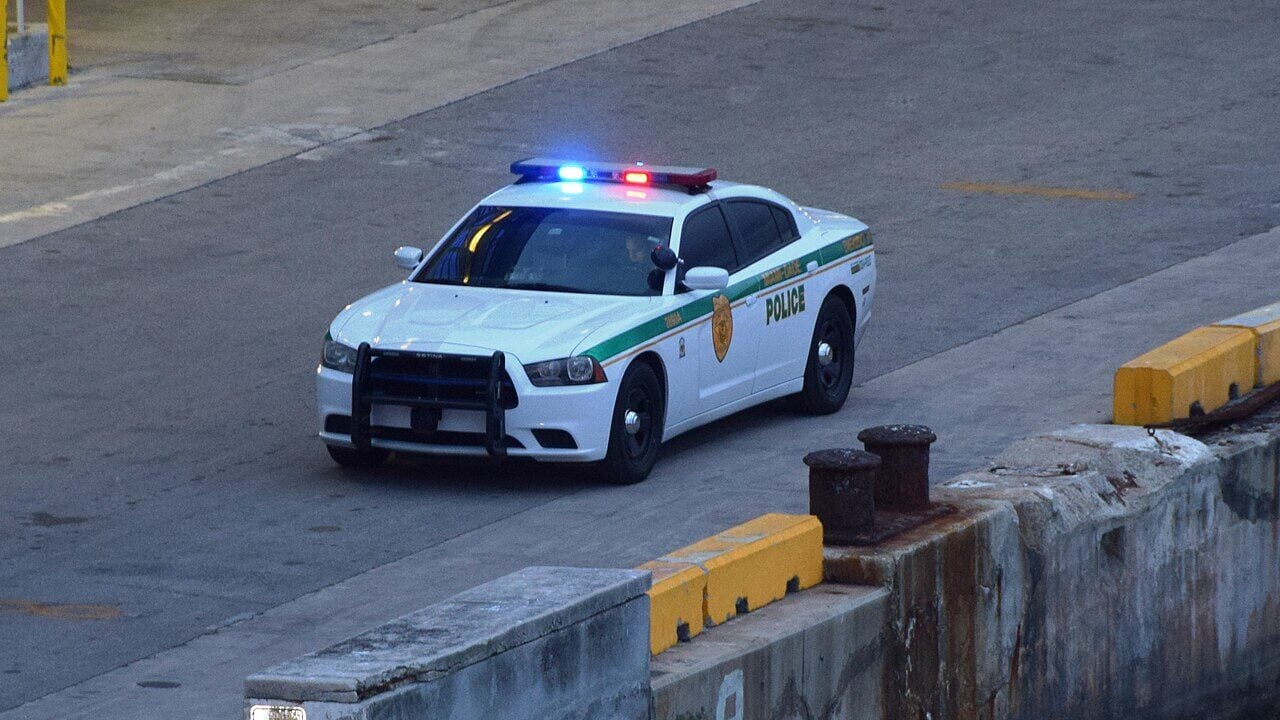
Police, fire, and EMS vehicles in the US may exceed speed limits, run red lights, or drive against traffic only when responding with lights and sirens activated. Courts consistently hold that emergency drivers must act with “due regard for the safety of all persons,” meaning they cannot drive with disregard for foreseeable risks.
Right of way rules in the US means other drivers must pull to the right and stop when an emergency vehicle approaches. Emergency vehicles may proceed through red lights or stop signs, but only after slowing to ensure the way is clear.
Importantly, all 50 states now enforce “Move Over” laws requiring drivers to change lanes or slow down when passing stopped emergency vehicles with flashing lights. Violations can actually result in fines, points on a license, or suspension.
Ultimately, in both systems, emergency drivers are permitted to break certain rules, but U.S. law is explicit that those privileges are conditional and revocable if safety is compromised. The “due regard” principle is the key safeguard against careless or reckless emergency driving.
Whatever the outcome of this case, it underscores that emergency exemptions are not blanket permissions. The court’s decision will not only determine criminal liability but may also shape future guidance on how police drivers balance speed, positioning, and sightlines under pressure.