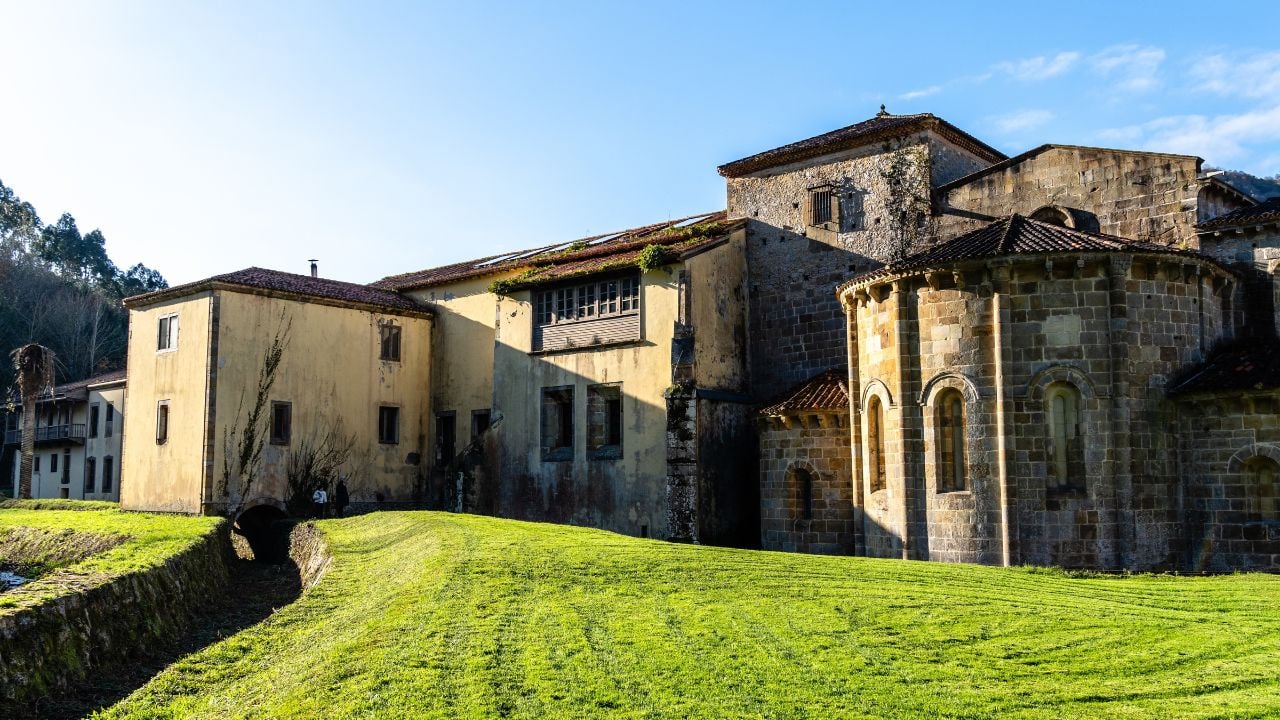
Northern Spain has a different temperature, color, and appetite from the version many travelers picture first. The hills stay green, the sea keeps pushing into the day, and even in summer the air can turn cool enough for a jacket after dinner.
This five-day route follows the northern edge from the Basque Country toward Cantabria, Asturias, and Galicia. It moves through riverfront Bilbao, San Sebastián’s shell-shaped bay, medieval Santillana del Mar, cider country in Asturias, and the rain-dark stone of Santiago de Compostela.
A car helps after the Basque section, especially for Cantabria and Asturias, where the best pauses often sit between larger cities. Trains and buses can cover many pieces with more planning, but a short trip becomes easier when the road can stop for a beach, a village, a cider house, or a lunch that runs longer than expected.
Clouds and rain belong to this route, not just sunny beach weather. A gray morning can still bring market stalls, pintxos counters, cider poured from height, fishing-town streets, cathedral squares, and Atlantic air moving through old stone lanes.
1. Day One: Start in Bilbao With Pintxos, Old Streets, and Modern Art
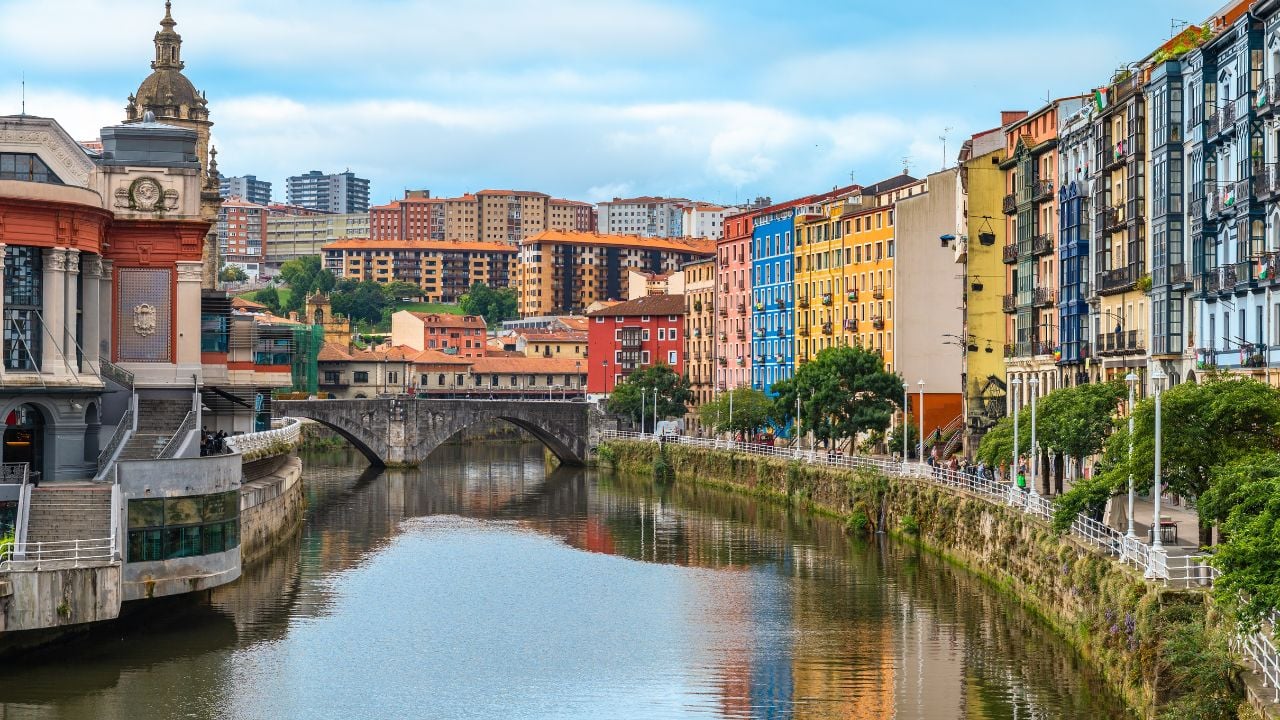
Bilbao starts the trip with river water, steel, old streets, and pintxos counters close together. Walk along the Nervión first, where bridges, tram lines, glass, stone, and the Guggenheim’s titanium curves show how much the city has changed without erasing its working edge.
Spain’s official tourism site describes Bilbao through its mix of avant-garde architecture and an old town filled with charming streets and pintxos bars. Use that contrast as the first-day shape: river and Guggenheim area before lunch, Casco Viejo later, then the old streets when the bars begin filling.
In the Casco Viejo, dinner should move from counter to counter. Order one or two pintxos, stand with a drink, listen to the room, then step back into the street and choose another doorway. The point is not one perfect restaurant. It is the movement: plates on the bar, voices in the room, napkins underfoot, and the old town turning social after dark.
Sleep in Bilbao if arrival was late. Continue to San Sebastián only if the travel day has been easy and there is still enough energy to arrive without missing the evening.
2. Day Two: Use San Sebastián for La Concha, Pintxos, and a Proper Coastal Pause
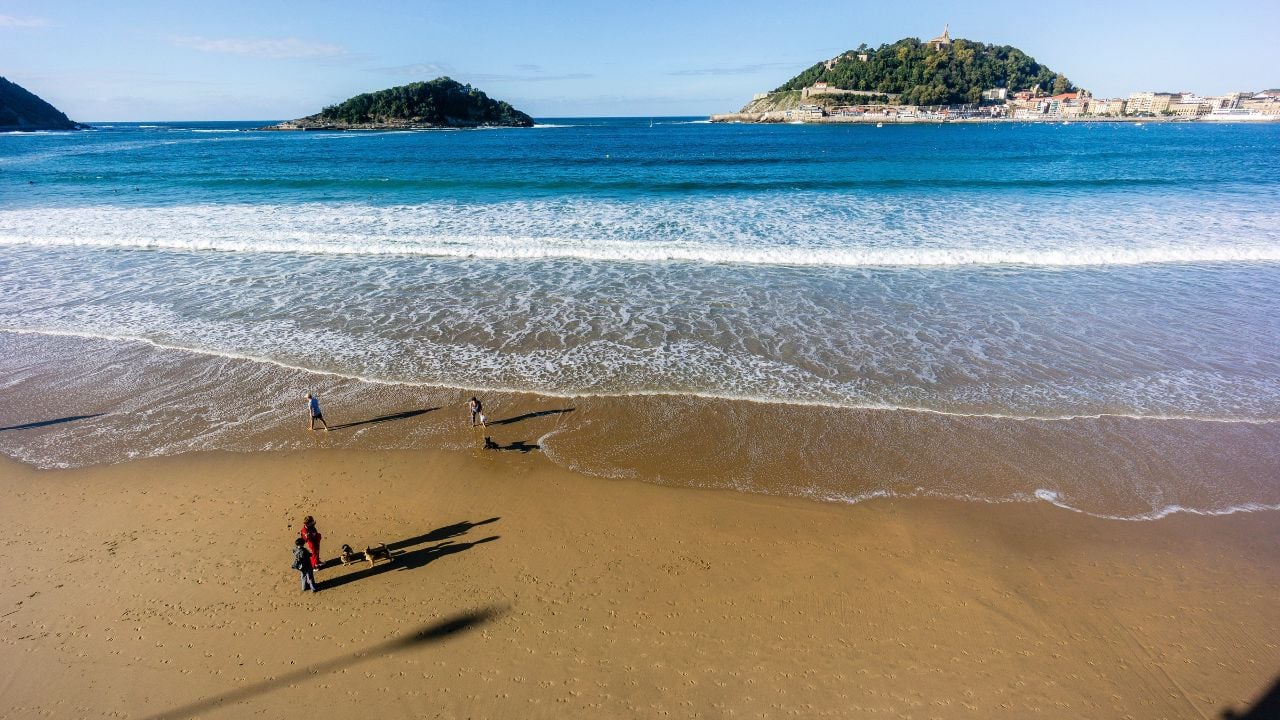
San Sebastián brings the first full Atlantic-side morning. La Concha Beach sits directly in the center and stretches for about 1,500 meters from City Hall to Pico del Loro, according to the city’s tourism office. Start there before the day gets busy, with the bay curved in front of you and Santa Clara Island sitting out in the water.
The promenade makes the city easy to understand on foot. Walk the sand or the railings above it, look back at the elegant waterfront buildings, then head toward the old town when lunch starts to matter. San Sebastián is polished, but the best part of the day is not fragile: beach air, wet stone after a shower, a bakery window, and a bar where the counter is already crowded.
Save a real appetite for pintxos. The old town is best approached in small rounds: one bar for a classic bite, another for something seafood-heavy, another for a glass and a plate that catches your eye. No one needs to turn lunch into a formal performance when the counters are full of anchovies, peppers, tortilla, prawns, croquettes, and grilled smells from the kitchen.
If the sky clears, add one viewpoint before dinner. If rain rolls in, stay close to the old town, the market streets, and the cafés. San Sebastián does not collapse without beach weather; the food and the bay still carry the day.
3. Day Three: Drive Toward Cantabria for Santander, Santillana del Mar, and Golden Beaches
Day three moves west into Cantabria, where the coast turns into green hills, beaches, stone towns, and smaller roads. Santander can handle the first pause if you want a city walk and lunch near the water. Farther west, the central coast between Miengo and Comillas brings beaches with fine golden sand, according to Cantabria’s tourism site.
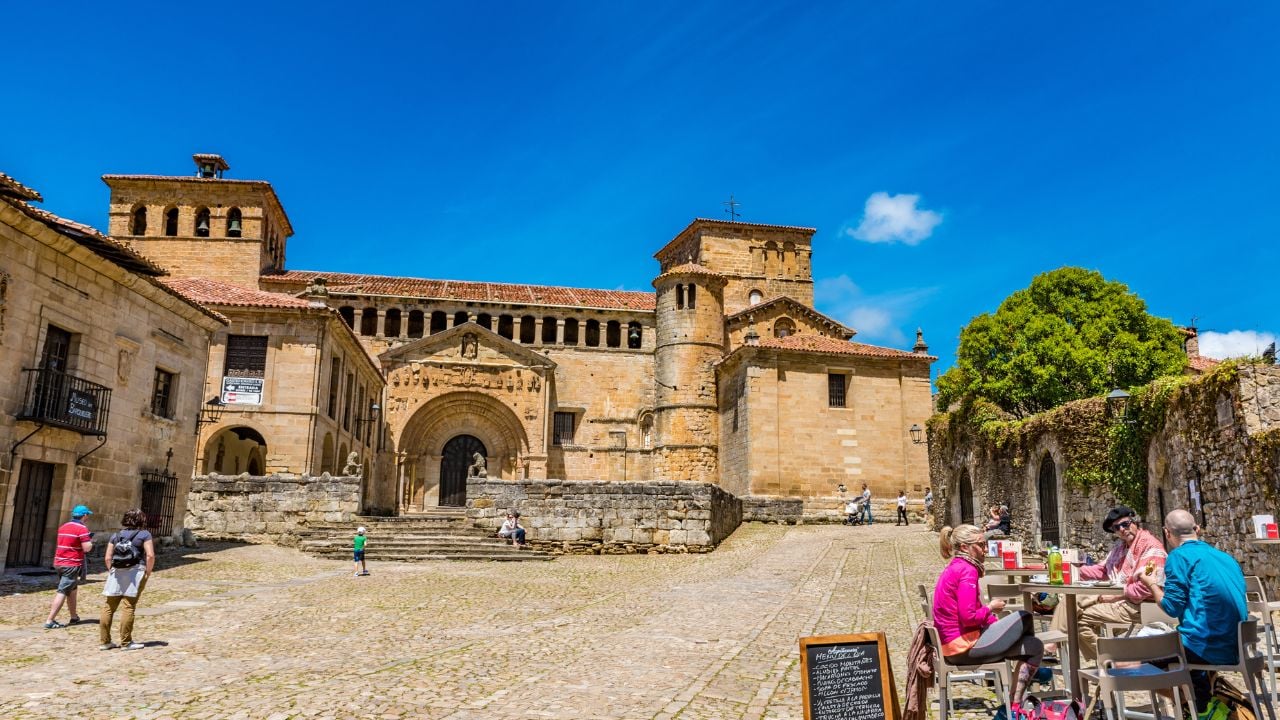
Comillas suits travelers who want a coastal stop with architecture and sea air. Santillana del Mar suits the afternoon better if old stone streets sound more tempting than another beach. Its lanes look almost staged at first — balconies, heavy doors, cobbles, honey-colored stone — but the town has enough weight to hold the stop longer than a photo break.
Spain’s official tourism site describes Santillana del Mar as a beautiful medieval town on the northern Camino de Santiago, with defensive towers, Renaissance palaces, and the Collegiate Church of Santa Juliana. The church itself has origins in a monastery dating from 870, according to Spain’s official tourism page for the monument.
Stay nearby or continue toward Asturias if the next morning needs a shorter drive. Either way, leave time for dinner before the day becomes only mileage: Cantabrian cheeses, seafood, grilled meat, or a simple table in a town where the stone streets look better once the day crowds thin.
4. Day Four: Let Asturias Bring Cider, Green Scenery, and a Seaside City
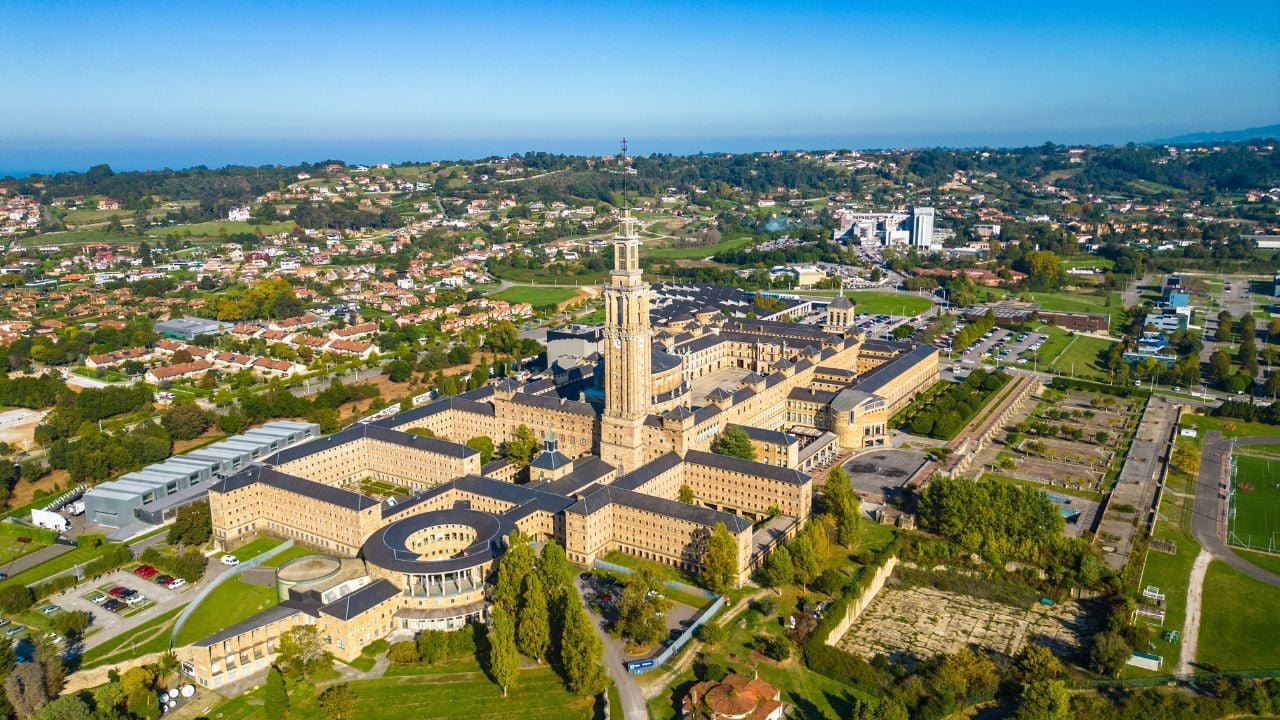
Asturias has its own weather, food, and sound. The hills are deep green, the villages can feel tucked into folds of land, and the coast never sits far from the mountains for long. Choose Oviedo for a refined old-town walk with pre-Romanesque heritage nearby, or Gijón for sea air, beaches, cider bars, and a livelier waterfront.
Spain’s tourism site points travelers toward Asturias for nature, gastronomy, beaches, historic cities, and pre-Romanesque art. The region’s food culture is not a side note on this route. It belongs in the middle of the day: a bowl of fabada, seafood near the coast, Cabrales cheese, or a cider house where the pour is part of the theater.
Asturias’ official tourism site describes the Cider Region as an area made up of Bimenes, Cabranes, Colunga, Nava, Sariego, and Villaviciosa, with cider production as the common thread. Spain’s tourism site also notes that most cider mills and apple orchards are found in this Comarca de la Sidra.
One cider house is enough to understand why the drink shapes the region. Watch the escanciado, with cider poured from height into the glass to wake it up, then drink it quickly while it still has life. After that, a walk in Gijón, Oviedo, or a nearby coastal town feels different: salty air, wet pavements, green hills behind the streets, and the smell of food coming from sidrerías before dinner.
5. Day Five: Finish in Santiago de Compostela for Galicia’s Market, Old Town, and Rainy-Day Comfort
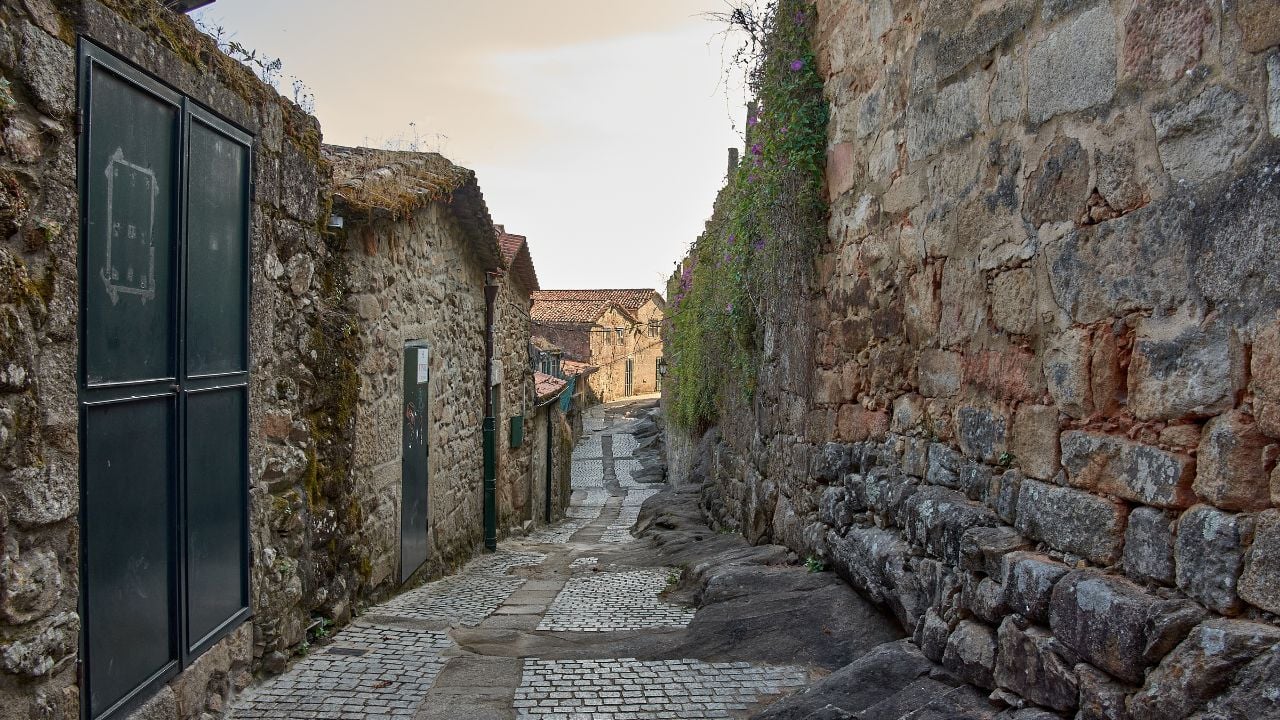
Santiago de Compostela gives the route a stone-and-rain ending rather than another beach finale. The old town can handle gray weather beautifully: arcades, granite façades, wet paving, pilgrims with backpacks, students, church bells, and restaurant windows glowing under low clouds.
UNESCO places the Old Town in Galicia, in Spain’s far northwest, and connects its rise to the discovery of the reputed tomb of St. James at the beginning of the 9th century. That pilgrimage history is still visible in the city’s rhythm, especially around the Cathedral and the surrounding squares.
Let the final meal belong to Galicia. Spain’s official tourism site says Mercado de Abastos is the second-most visited place in Santiago after the Cathedral, with a dedicated dining space. Go for fish, shellfish, cheese, vegetables, flowers, and the sound of a working market rather than a polished final lunch that could belong anywhere.
If five days feel too tight, end in Asturias and save Santiago for a longer Galicia trip. If the drive west fits, Santiago closes the route with rain-friendly streets, a serious old town, and the kind of market meal that makes the whole northern line — Basque pintxos, Cantabrian stone, Asturian cider, Galician seafood — feel connected.