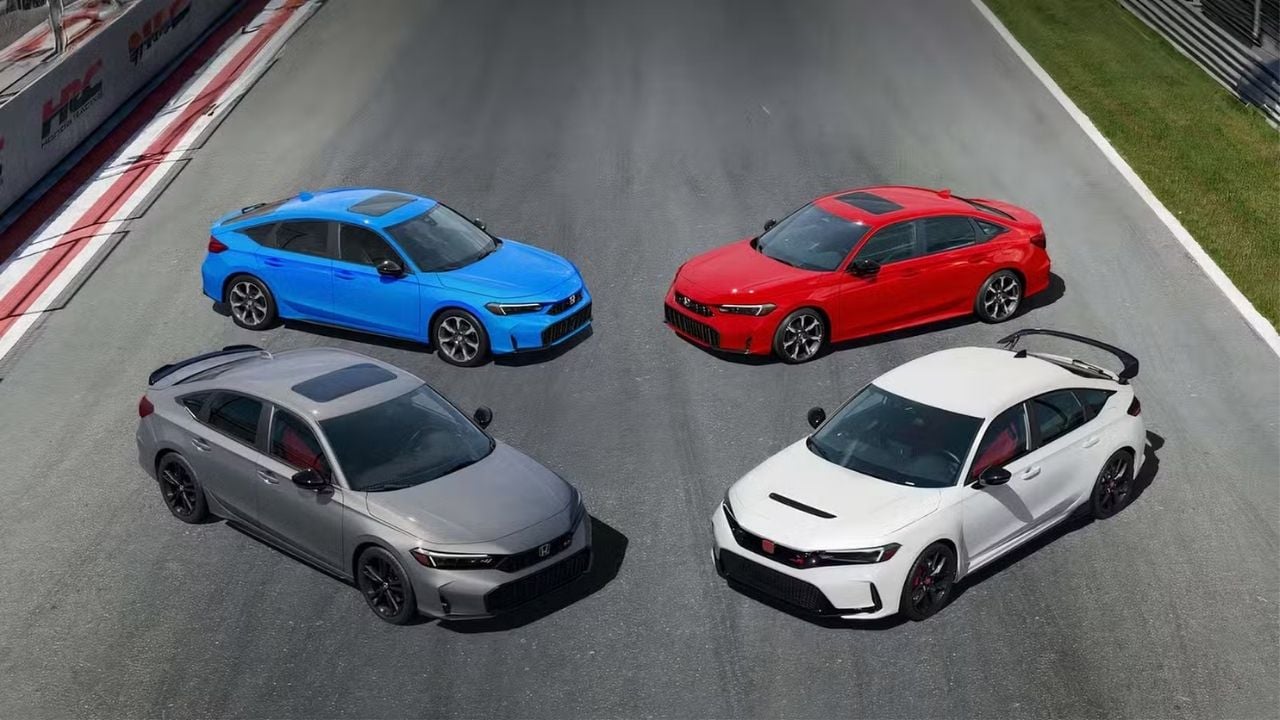
Toyota and Honda look like they may suffer from the bill for President Donald Trump’s Canada tariffs. The current administration is targeting Ottawa with a proposed 50 percent tariff on Canadian car imports, but it is the Japanese manufacturers that may bear the brunt of this.
Honda and Toyota account for more than three-quarters of all cars made in Canada. A report from Reuters has shed light on just how chaotic the situation could be for the two companies, even if there is still a prospect that a new deal could be reached.
In a worst-case scenario, the two companies may have to shutter production lines if the proposed tariffs do take effect on January 1st 2027. It seems like a totally bizarre situation given how much the two companies contribute to the American market, and how important it is to both manufacturers.
Some have argued that the proposed tariffs could effectively destroy the Canadian automotive industry. At the time of writing, both Toyota and Honda had declined Reuters ‘ request for comment, so we do not know what their official position is on the matter.
How Bad Could the Tariffs Be for the Companies?
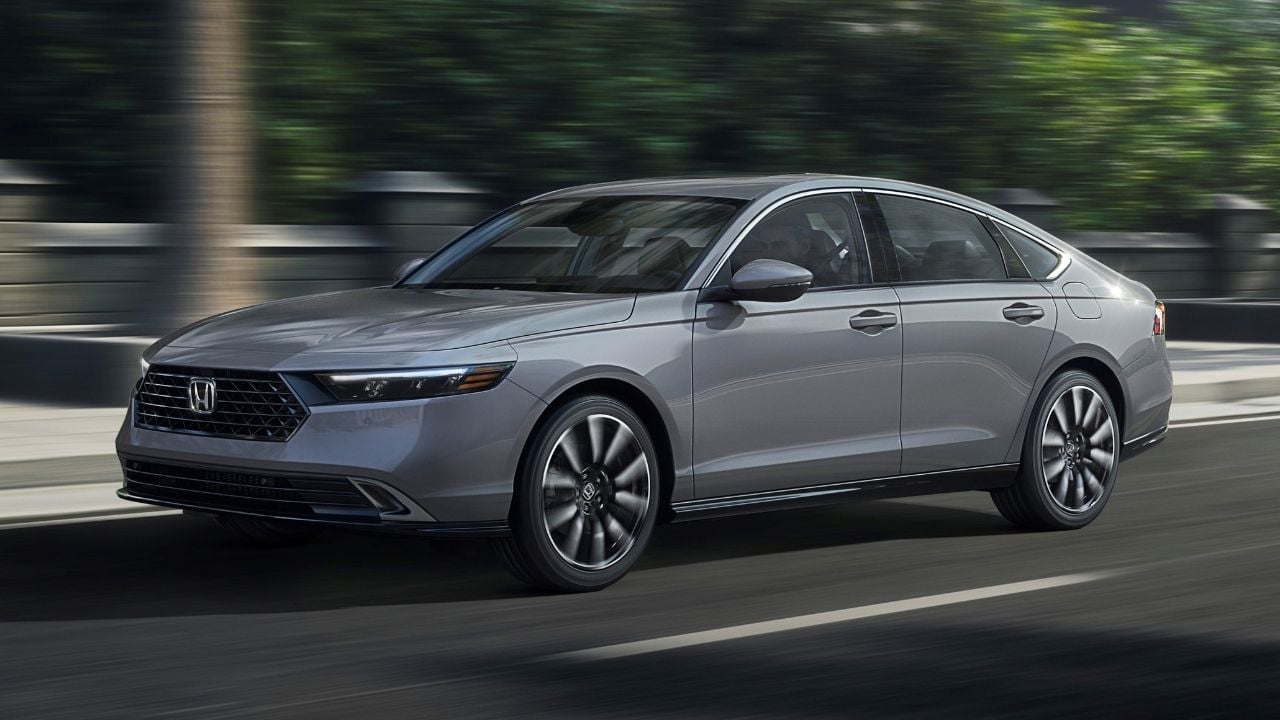
The United States is Toyota and Honda’s biggest market. It is crucial given the fact that Chinese rivals like BYD are, at the time of writing, not allowed into the United States. They also account for more than three-quarters of all cars made in Canada. If the tariffs go through, they may be forced to shut some of their Canadian assembly lines to cover the costs of the tariffs.
Japanese manufacturers are being particularly stung by the competition from cheaper Chinese EVs. Markets such as Southeast Asia, Europe, and Latin America have already proven difficult. So losing out so much in Canada would be another major wound. The automotive industry in Canada is massive, as it produces around 1.2 million cars a year, and it supports around 427,000 jobs. Toyota exports the RAV4 to the United States, with Honda exporting the CR-V.
Julie Boote, autos analyst at Pelham Smithers Associates in London, said, “If you really wanted to destroy the Canadian auto industry, you could with these tariffs.” This sums up just how dire the situation could become. These new tariffs are just another problem for the global automotive industry, which has struggled to adapt to the sometimes bemusing trade policies from the Trump administration.
What Might Toyota and Honda Be Forced To Do?

If the tariffs do take effect, Toyota and Honda will be forced to take action. They will likely have to redirect Canadian-built vehicles to other markets to try to sell them. They may also have to find ways to make up supply for the American market, which won’t be an easy task. The irony is that these new tariffs could seriously impact America’s automotive market, even if Toyota is looking to invest up to $10 billion over five years to expand American operations.
That includes a new £$3.6 billion plant in Texas, where Tacoma pickup truck production will move from the Baja California plant in Mexico. Honda is struggling to turn around its car business, so these tariffs could not have come at a worse time. The situation is proving to be something of a nightmare for both companies, and the uncertainty around the tariffs only adds to the stress levels.