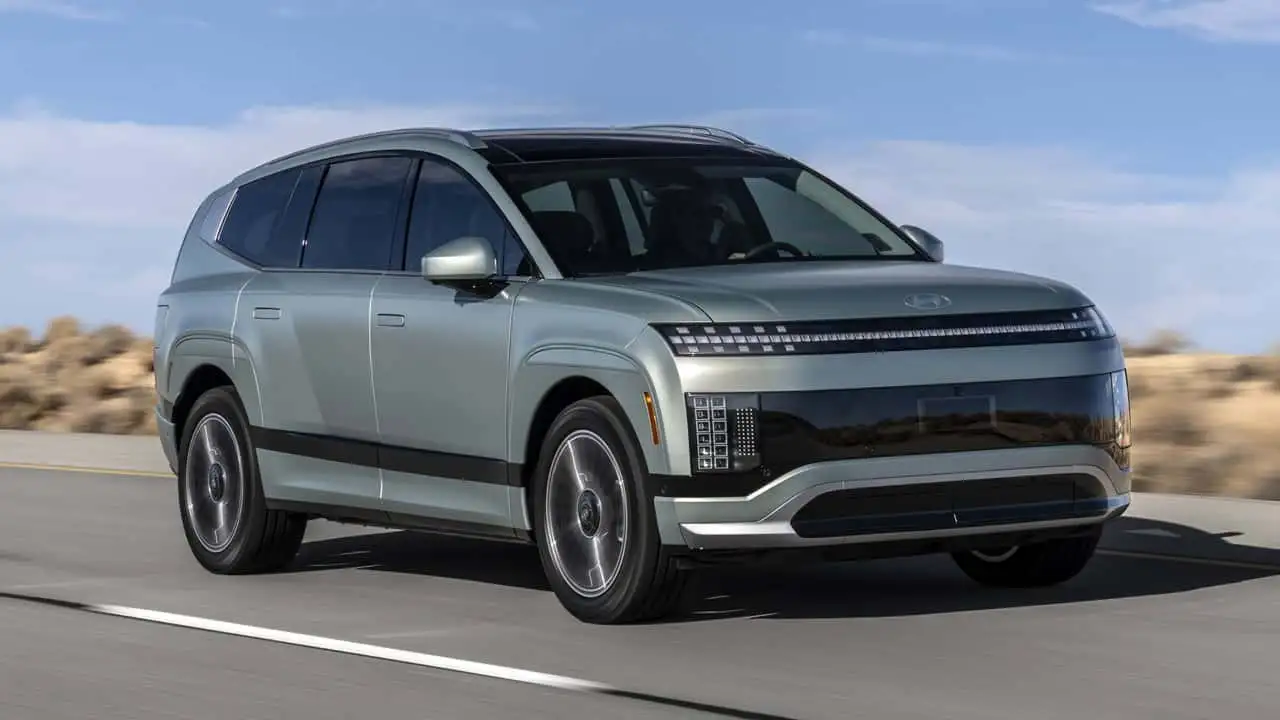
Power-folding seats are supposed to make life easier in a large family SUV. In some Hyundai Ioniq 9s, however, that convenience feature has become the subject of a new safety recall.
The problem involves the powered second-row seats, which can automatically fold and stow at the press of a button. Hyundai found that the system may not always recognize when a passenger or object is in the way.
That potentially allows the seat to continue moving after making contact, increasing the risk of injury. Hyundai says it knows of five consumer complaints associated with the defect in the U.S.
More concerningly, two of those complaints involve alleged minor injuries. No crashes or fires have been linked to the issue, according to Hyundai’s September 16 filing with the National Highway Traffic Safety Administration.
More Than 5,000 Ioniq 9s Are Affected
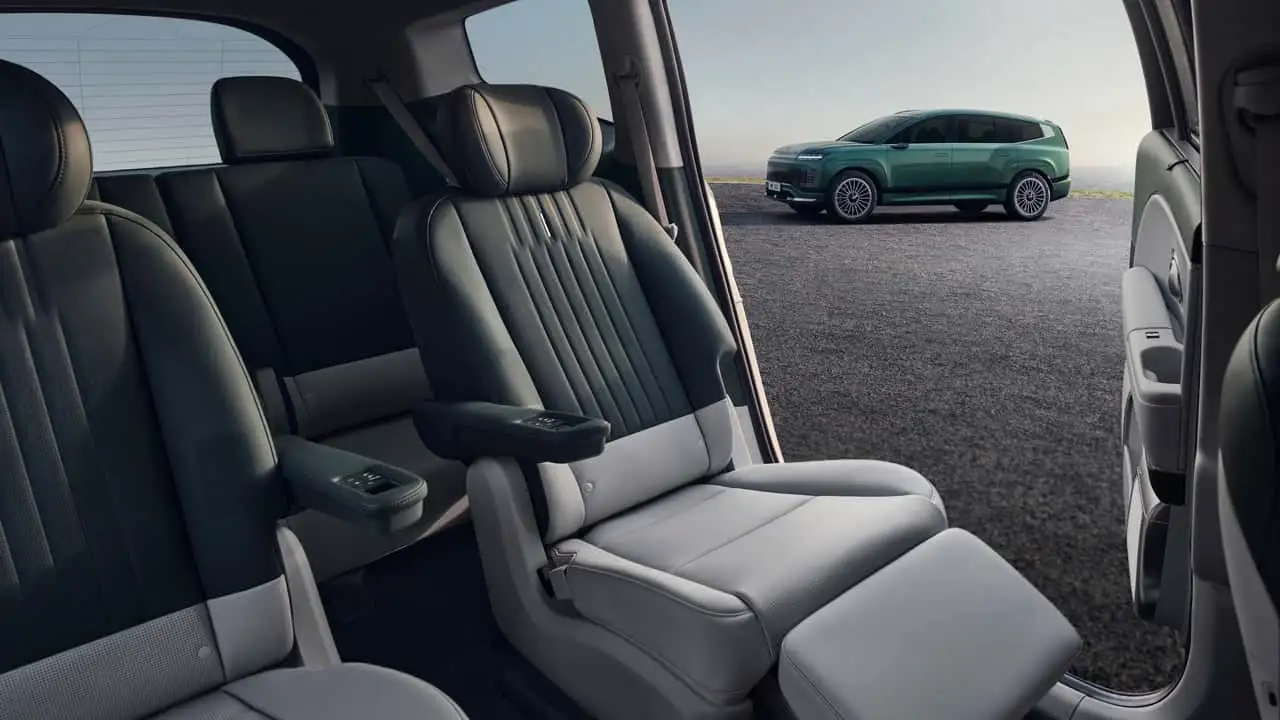
The recall covers 5,360 examples of the 2026 Ioniq 9 built between March 17, 2025, and May 4, 2026. Specifically, Hyundai identifies Limited, Calligraphy, and Calligraphy Design models assembled at Hyundai Motor Group Metaplant America in Georgia.
Hyundai began investigating power-folding seat performance in March 2026. Testing eventually found that force measurements from certain second-row power folding and stowing systems exceeded limits established by Hyundai’s North America Safety Office and an independent engineering firm.
Hyundai decided to conduct the recall on September 2. Updated seat-control software entered production the following day.
Owners Had Already Raised Concerns
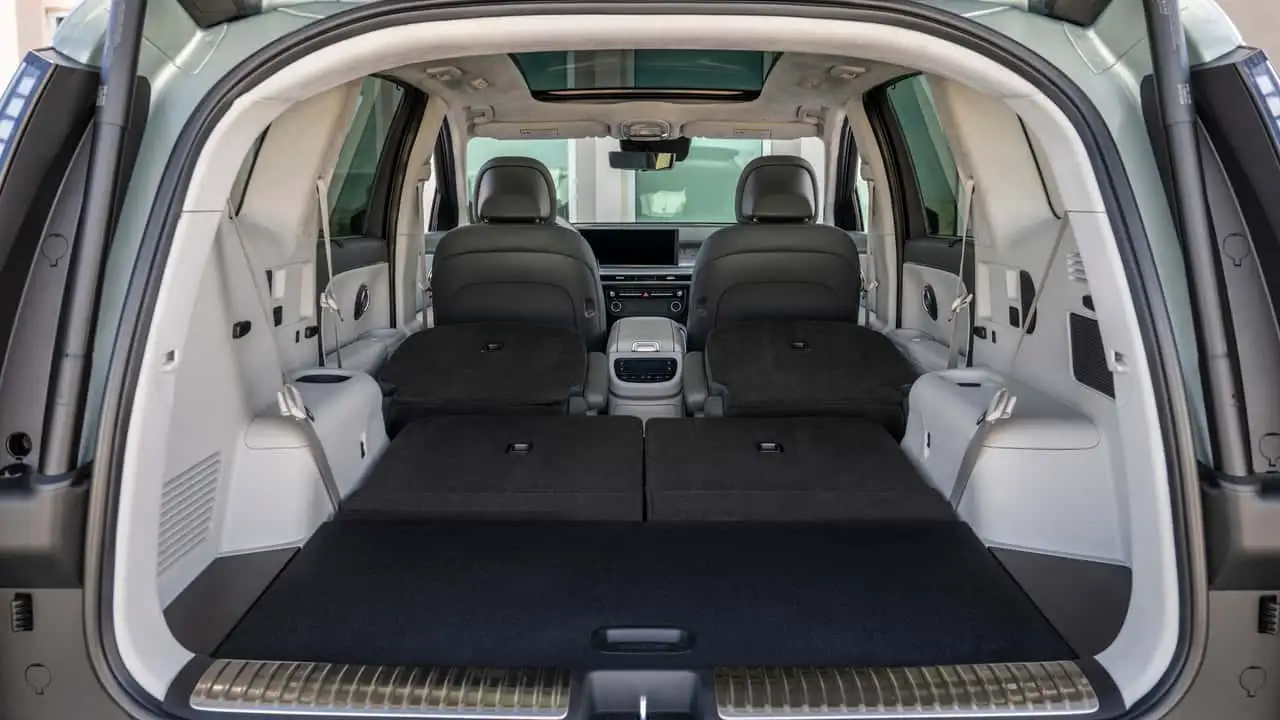
Ioniq 9 owners were discussing the behavior months before the recall was announced. In one Reddit thread, a Calligraphy owner claimed to have experienced two incidents in which a powered seat nearly trapped their children, adding that Hyundai had taken the vehicle to a dealership for investigation.
Experiences weren’t universal, as another Limited owner reported testing the system with both a child seat and themselves in the second row and said the seat stopped after encountering resistance, although they described feeling some pressure before it did.
Those owner accounts are anecdotal, but Hyundai’s subsequent testing confirmed a defect in the seat-control logic affecting the recalled vehicles.
A Software Update Should Fix It
Dealers will inspect the seat-controller software and install revised anti-pinch logic at no cost. Eligible owners who use Hyundai Bluelink and have opted into updates may instead receive the fix over the air.
Owner notifications are scheduled to begin November 9. Until the repair is completed, Hyundai advises owners to ensure passengers — particularly children — are clear of the seat and folding area whenever the powered functions are being used.