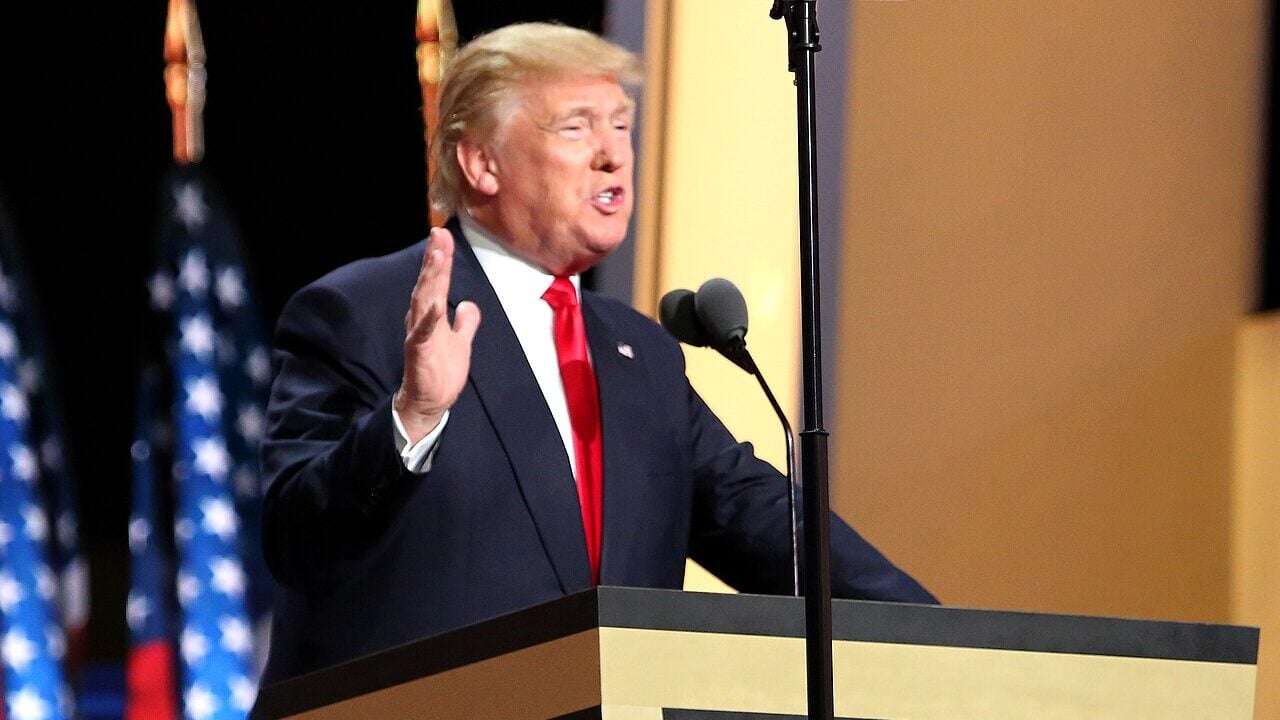
The trade fight between the United States and Canada is escalating again, and the auto industry could be caught squarely in the middle. The Guardian reports that President Donald Trump says tariffs on Canadian-built cars, trucks, automotive parts, and steel will rise to 50% on January 1, 2027, if the plan goes ahead.
The threat follows the collapse of trade negotiations between Washington and Ottawa that had appeared close to producing tariff relief. Both governments are blaming the other for the last-minute breakdown.
Canadian Prime Minister Mark Carney says his government will not accept Washington’s demands and has promised a “dollar for dollar” response to U.S. tariffs. Canada is already preparing another round of retaliatory duties beginning September 8.
For automakers, another escalation creates serious uncertainty. The U.S. and Canadian automotive industries are deeply connected, with vehicles, components, and raw materials routinely crossing the border during production.
Trump Wants 50% Tariffs On Canadian-Built Cars
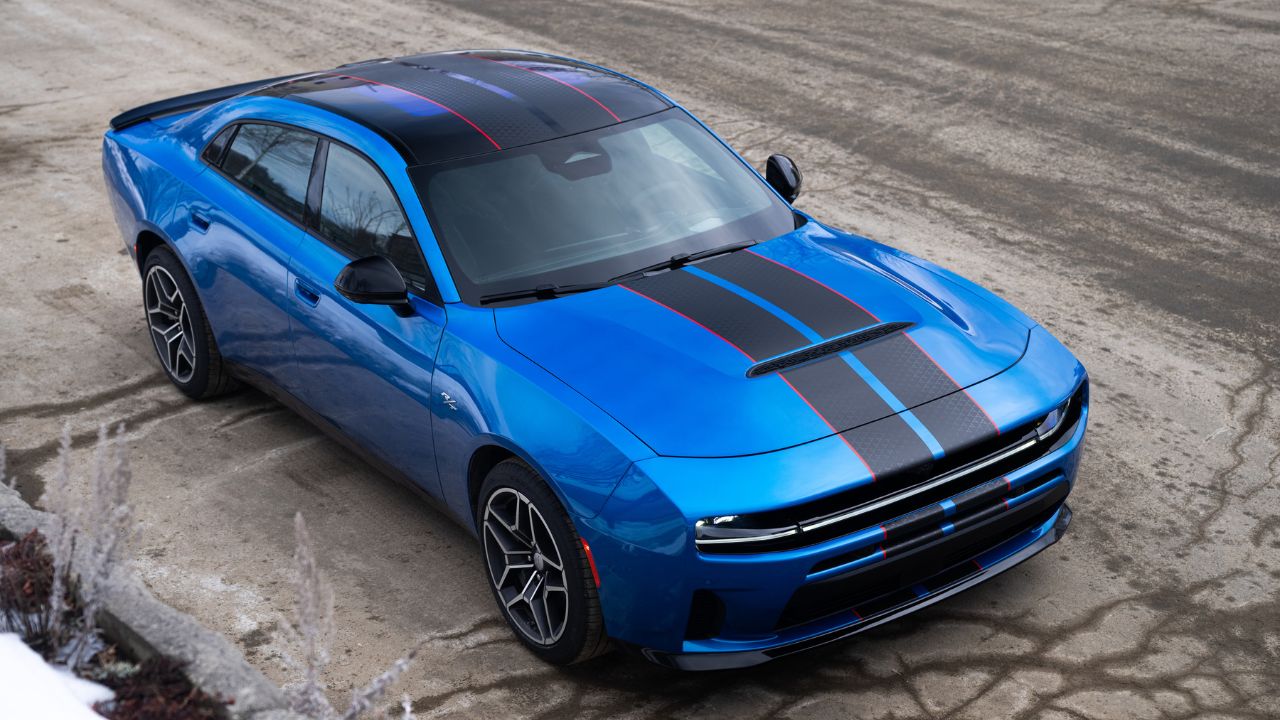
Trump announced that the proposed 50% rate would cover cars, light- and heavy-duty trucks, auto parts, and steel imported from Canada. “Build in the U.S. and there are ZERO TARIFFS,” Trump wrote while announcing the plan.
Canadian-built vehicles currently face a nominal 25% U.S. tariff, meaning the proposed increase would effectively double that rate. January is still several months away, however, leaving time for another agreement before the higher automotive tariffs take effect.
The announcement came shortly after the U.S. imposed 50% tariffs on roughly $20 billion worth of other Canadian products. Those duties cover a broad assortment of goods ranging from agricultural products to hockey equipment.
Trade Talks Fell Apart At The Last Minute
Washington and Ottawa had been negotiating reductions covering major industries, including automobiles, steel, aluminum, and lumber. The two sides reportedly discussed lowering tariffs on Canadian-built vehicles to 15% before disagreements over the final terms derailed the deal.
Carney claims American negotiators introduced unacceptable last-minute changes, including reduced tariff relief for Canadian vehicles and heavy trucks. “They asked too much and offered too little,” he said after negotiations collapsed.
U.S. Trade Representative Jamieson Greer offered a different account, accusing Canada of introducing new demands and backing away from previous commitments. Carney has since recalled Canada’s negotiating team, with no immediate plans announced for another round of talks.
Canada Promises To Retaliate
Ottawa has no intention of absorbing the new tariffs without responding. Canada plans to introduce retaliatory tariffs on September 8, targeting American products, including steel, dairy goods, appliances, agricultural equipment, electronics, and pulp and paper.
Ontario Premier Doug Ford has pushed for an aggressive response and even raised the possibility of restricting electricity exports and critical mineral shipments to the United States. Those measures remain threats rather than policies currently in effect.
Automakers Could Pay The Price
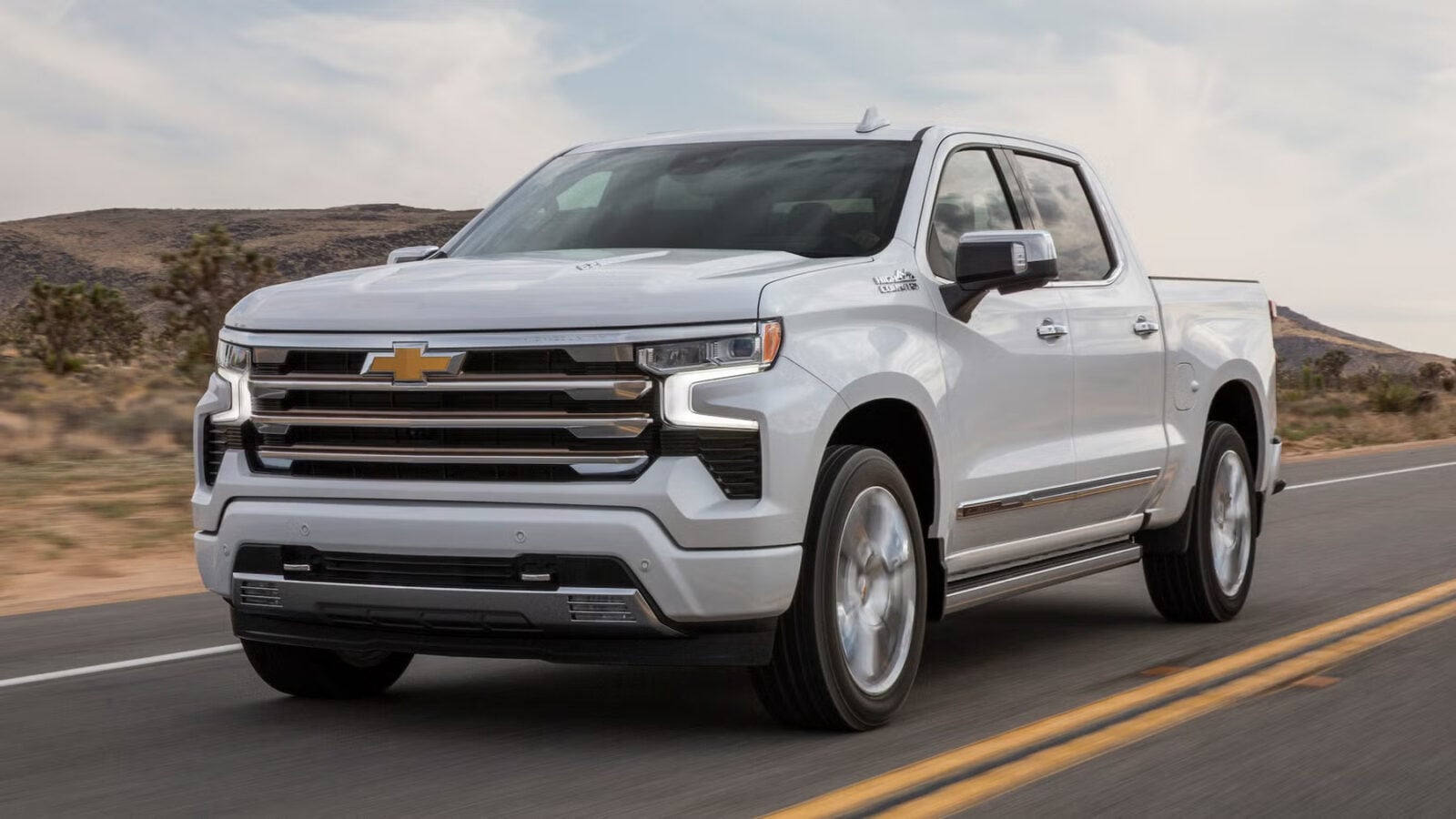
A 50% tariff could create significant problems for manufacturers with Canadian production operations, particularly because North America’s automotive supply chain does not neatly stop at national borders. Parts can cross between Canada, the United States, and Mexico multiple times before a finished vehicle reaches a dealership.
Manufacturers could respond by absorbing some costs, raising vehicle prices, reorganizing supply chains, or shifting production. Each option carries significant expense, particularly for factories and supplier networks established over decades.
There is still time for another agreement before January 1, and previous tariff deadlines have changed during negotiations. Until Washington and Ottawa return to the table, however, automakers face another major question over the future cost of building cars in North America.