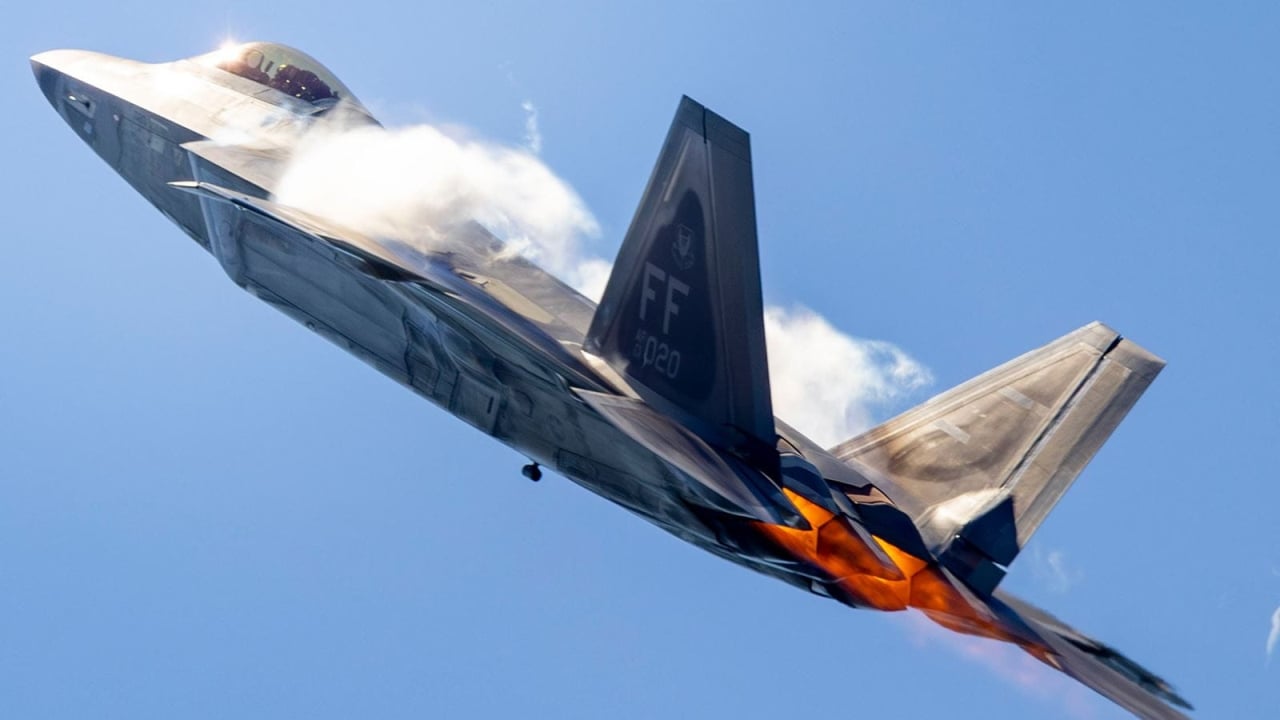
Amazingly, it has been nearly three decades since the Lockheed Martin F-22 Raptor entered the world. The fifth-generation jet fighter first flew in 1997 and entered service with the United States Air Force in December 2005, and it is likely to remain in service for a few more years.
While it is an incredibly complex stealth aircraft, it wouldn’t be able to do what it does without the power of its Pratt & Whitney F119 turbofan engines. These produce 26,000lbf of static thrust each, which rises to 35,000 with the afterburners ignited.
It is a remarkable engine, and recently, it passed a major milestone. At the end of June 2026, Pratt & Whitney announced that the F119 engine in the F-22 Raptor has passed a staggering one million engine flight hours, having powered the aircraft since its entry into service over 20 years ago.
That is a remarkable statistic, highlighting how reliable and solid the engines have been while the aircraft has been in service. They also served as a foundation for the next fighter aircraft from Lockheed Martin, the F-35 Lightning II. And the F119 shows no signs of slowing down.
How the Pratt & Whitney Engines Have Provided Such Reliable Power
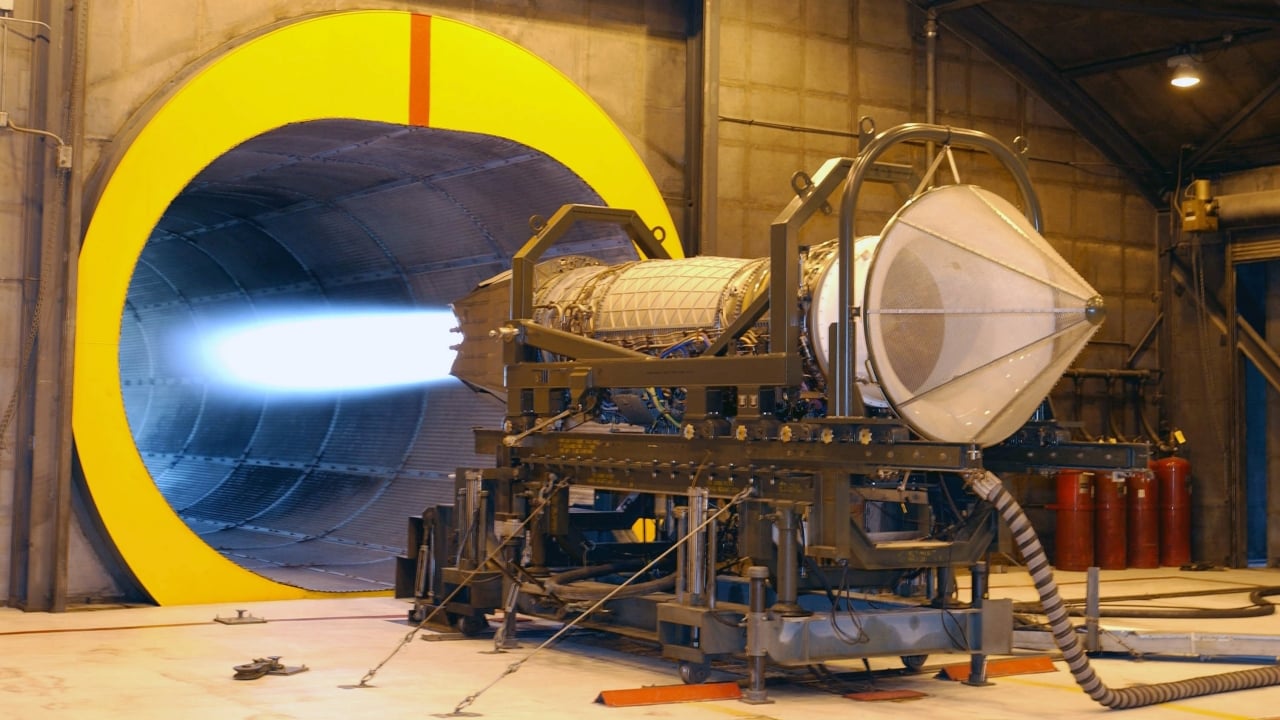
There is no denying how safe and dependable the engines in the F-22 Raptor are. Pratt & Whitney was awarded the contract to develop the F-22’s engines in 1991, and it had accumulated 50 percent more test hours than the rival YF120 engine that General Electric had been producing in competition to the Pratt & Whitney powertrain.
The F119 was ready for the F-22’s first test flight in 1997, and it was also used in other aircraft such as the prototype YF-23. The F119 has an interesting design, formed of a three-stage fan and a single-stage low-pressure turbo, as well as a six-stage high-pressure compressor that itself is driven by a single-stage high-pressure turbine. It was more complex than the General Electric engine, but it worked brilliantly.
Thanks to its three-zone afterburner, the F-22 retains a very low profile on radar when the afterburner is lit. Thick curved vanes, coated in a ceramic radar-absorbing material, help to shield the F-22 from prying eyes. Plus, it has a thrust vectoring nozzle, helping the F-22 to be incredibly agile as well as fly at very low speeds. It is a remarkable engine, and it can push the F-22 to a top speed of Mach 2.25 or 1,500mph.
A Brief History of the F-22 Raptor
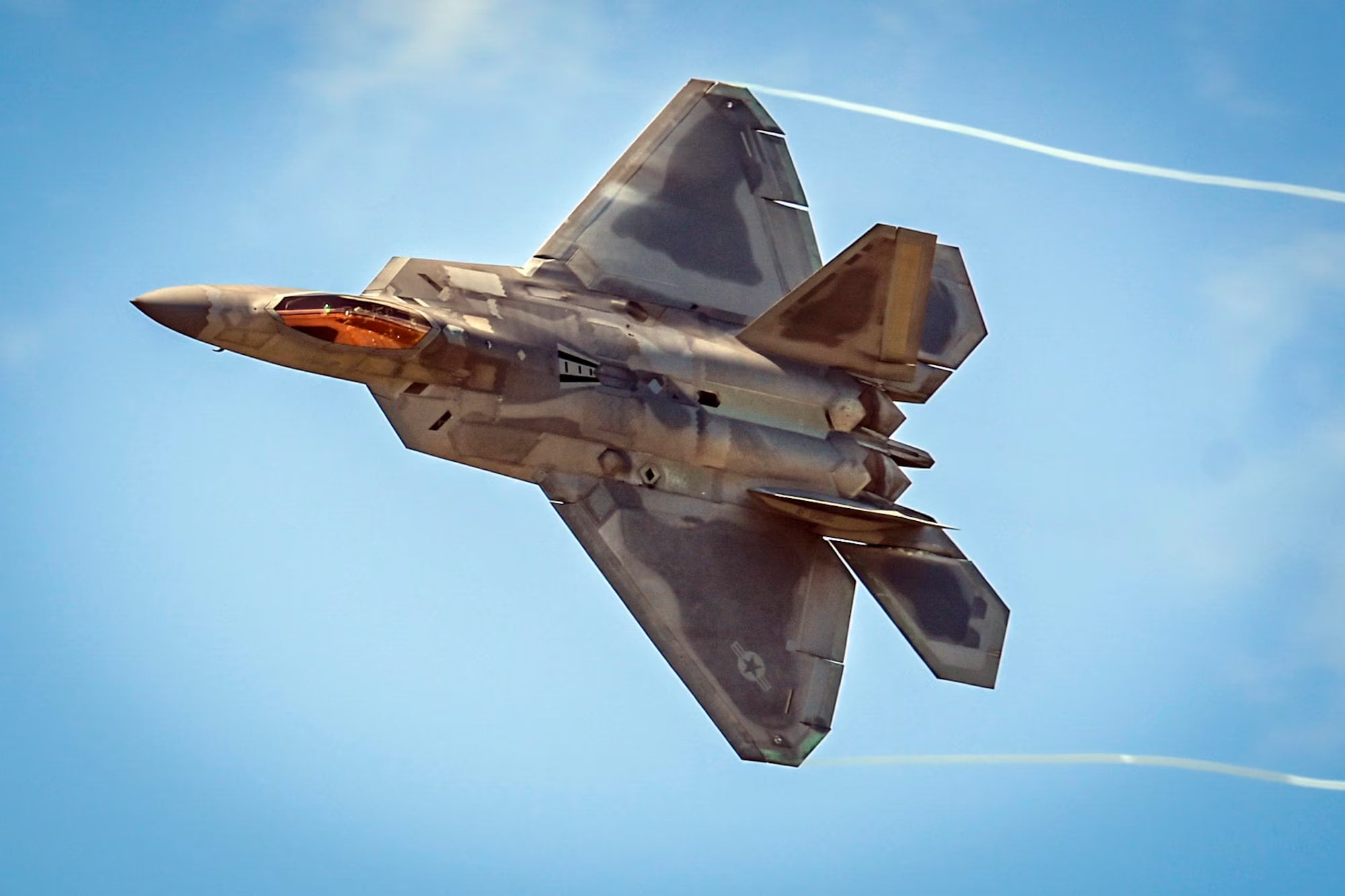
Entering service in 2005, the F-22 Raptor was descended from the YF-22 prototype, and it saw off competition from the Northrop–McDonnell Douglas YF-23. The F-22 would replace the F-15 Eagle in most American squadrons, although plans were scaled down from 750 aircraft to just 195 in total due to operational costs and political pressure due to how expensive they had become.
It has, however, been a critical part of the U.S. Air Force’s arsenal over the years. It has been deployed in various theaters, such as in 2014 in the U.S. intervention in Syria, and it also carried out strikes in the war in Afghanistan. The Air Force has also flexed the muscles of the F-22 at airshows, showing crowds of onlookers just what a potent, fast, and agile aircraft it is. It will eventually be replaced by the F-47, but there are plenty of years left in the service life of the F-22 Raptor. Maybe by then, the F119 engines will have surpassed 1.5 million flight hours.