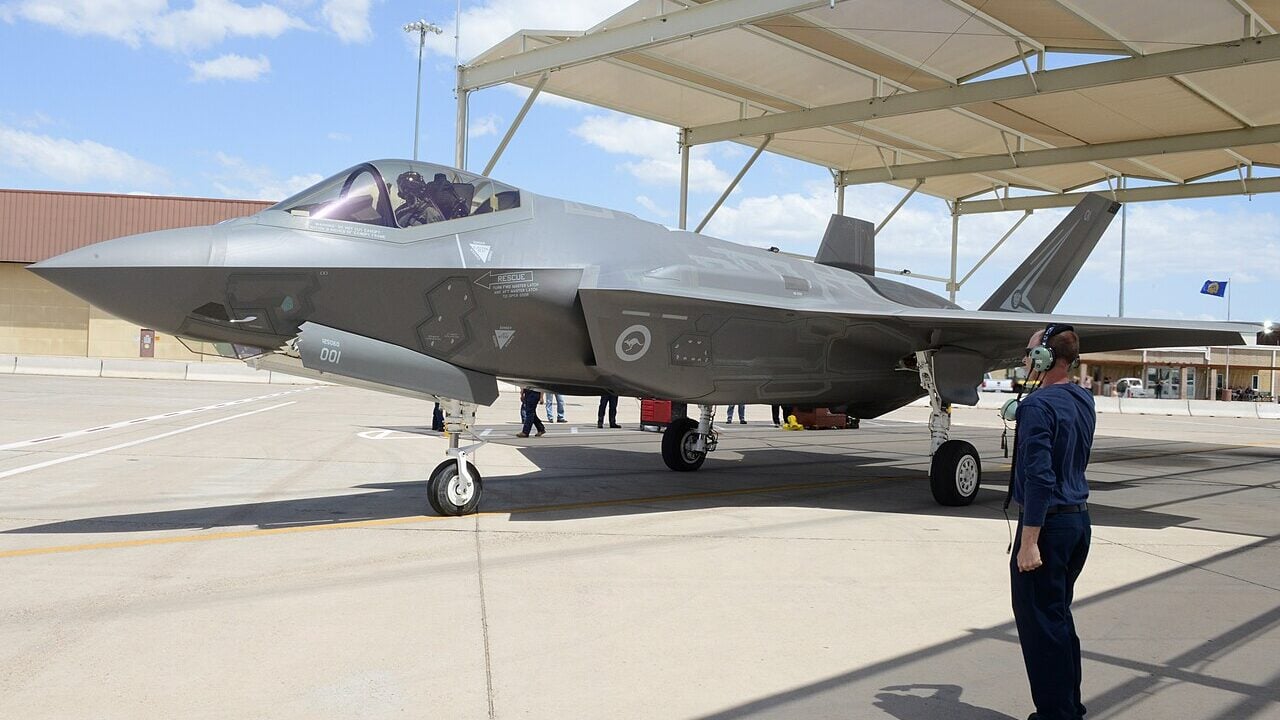

A recent Simple Flying magazine headline dropped a bombshell: Australia has canceled its orders for F-35 fighter jets. However, the article itself explains that Australia paused (or canceled) plans for an additional batch (a fourth squadron), not the entire program.
The country already operates 72 Lockheed Martin F-35 Lightning II jets, which are fully delivered and in service.
Australia didn’t cancel the F-35. It blinked. And in today’s defense landscape, that hesitation might be more telling than any billion-dollar contract signature.
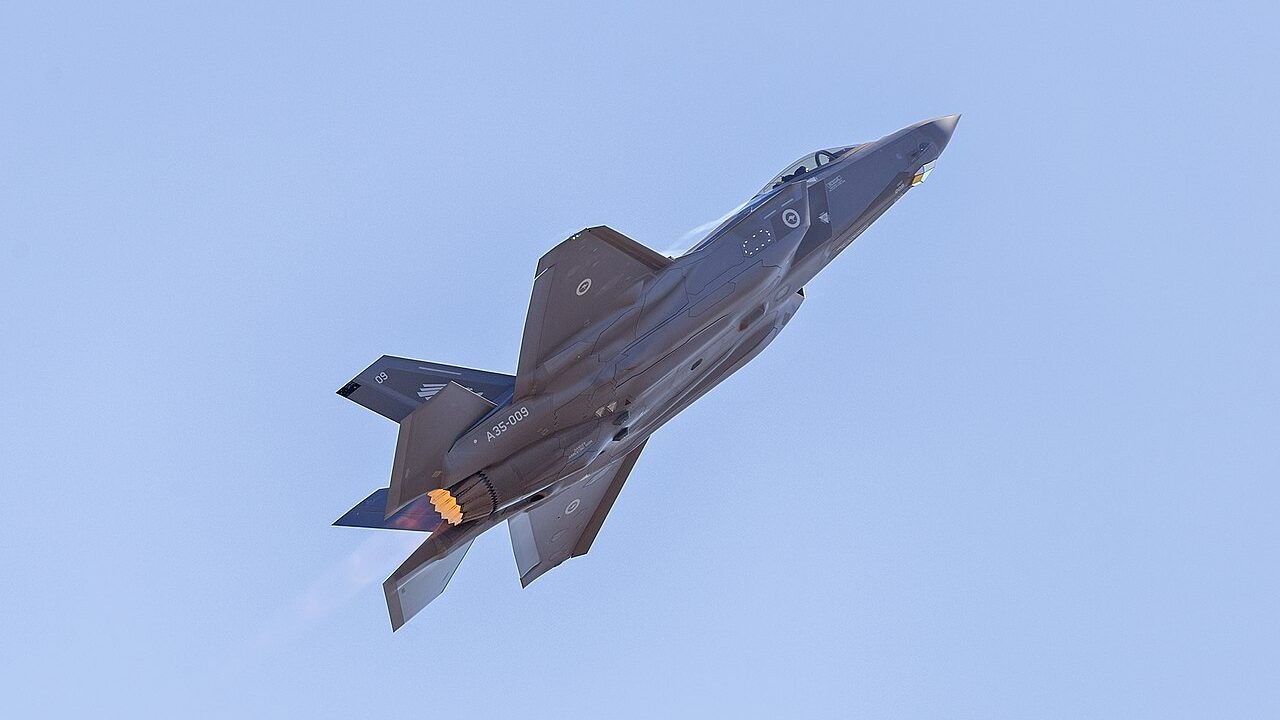
For years, the Lockheed Martin F-35 Lightning II has been sold as the inevitable future of air power. Invisible, intelligent, and deeply networked, it represents the kind of machine that feels less like a jet and more like a flying data center with teeth.
So, when a country like Australia decides to pause further orders after already committing to 72 aircraft, it raises a more interesting question than whether they can afford it.
The real question is whether anyone fully understands what comes next.
A Strategic Pause, not a Rejection
Australia is not walking away from the F-35 program. Its existing fleet is operational, integrated, and central to its current defense posture. But the decision to hold off on a fourth squadron signals something deeper than budget discipline. It reflects a growing awareness that modern warfare is shifting faster than procurement cycles can keep up.
Fighter jets used to define eras. The F-16 Fighting Falcon defined the late Cold War. The F-22 Raptor introduced stealth dominance. The F-35 was supposed to unify everything into one platform. But now, even before its full global rollout stabilizes, attention is drifting toward what comes after.
That “after” is messy, experimental, and not fully built yet.
Instead of doubling down, Australia is stretching the life of its Boeing F/A-18F Super Hornet fleet. It sounds like a step backward, but the reality can be correctly interpreted as a strategic pause. The Super Hornet is proven, flexible, and already paid for.
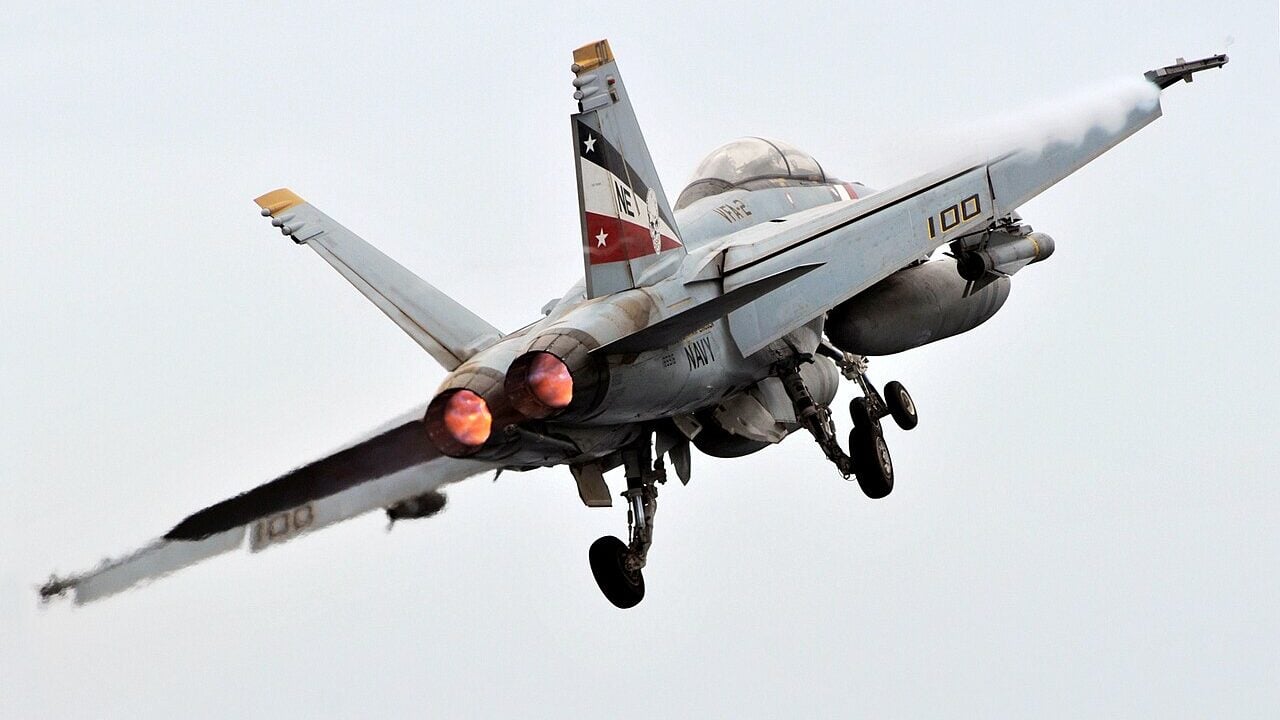
Keeping it in service buys time. And in an era where defense technology evolves like software updates, time might be the most valuable asset of all.
Because the future of air combat is no longer just about jets.
The Future Is Systems, Not Single Aircraft
It is about systems. Swarms of drones. AI-assisted targeting. Hypersonic weapons. Collaborative combat platforms that may not even require a human pilot in the traditional sense. Programs like next-generation fighter initiatives in the United States, Europe, and Asia are exploring aircraft that act as command nodes rather than lone warriors.
Committing to more F-35s today could mean locking into yesterday’s idea of dominance tomorrow.
There is also the uncomfortable truth of cost. The F-35 is not just expensive to buy. It is expensive to run, maintain, and upgrade. Every additional aircraft is a long-term financial relationship. Australia’s pause suggests a desire to avoid overcommitting before the full picture of future warfare becomes clearer.
A Lesson in Timing and Flexibility
The parallel for the auto industry is striking. Imagine investing heavily in internal combustion performance cars just as the industry pivots hard toward electric and software-defined vehicles. The smartest players are not always the fastest to commit. Sometimes they are the ones who wait, watch, and strike when the direction is undeniable.
Australia’s move feels exactly like that.
It is not a rejection of the F-35. It is a recognition that even the most advanced machine can become a steppingstone rather than a destination. By holding back, Australia keeps its options open in a world where flexibility is becoming the ultimate advantage.
Ultimately, the Simple Flying story is not about a canceled order but about a country quietly acknowledging that the future of air combat may not belong to any single aircraft at all.