The Founding Fathers were bold, strategic, and not afraid to take risks. If they had access to the skies, they wouldn’t just fly: they’d soar in the most advanced, capable, or personality-matching aircraft the military has ever produced.
From stealth bombers to close-air support legends, we’ve paired each Founding Father with the aircraft that best suits their vibe, values, and battlefield flair.
How We Chose Their Wings
Of course there’s no historical record of what kind of pilot George Washington would’ve been, but if you look at each Founding Father’s values, leadership style, and legacy, patterns start to emerge. So we asked a simple question: If these men were flying today, what aircraft would capture their spirit?
This list isn’t about military ranks or flight hours. It’s about personality, purpose, and the kind of missions they were born to fly. Washington gets the stealthy, commanding F-22. Franklin? A high-altitude genius like the SR-71. And Revere? He’d trade his lantern for the rotor blades of a Black Hawk in a heartbeat.
These pairings were chosen not by stats or specs, but by matching legendary lives to legendary aircraft. Because if you’re going to rewrite history with jet fuel, you’d better get the call signs right.
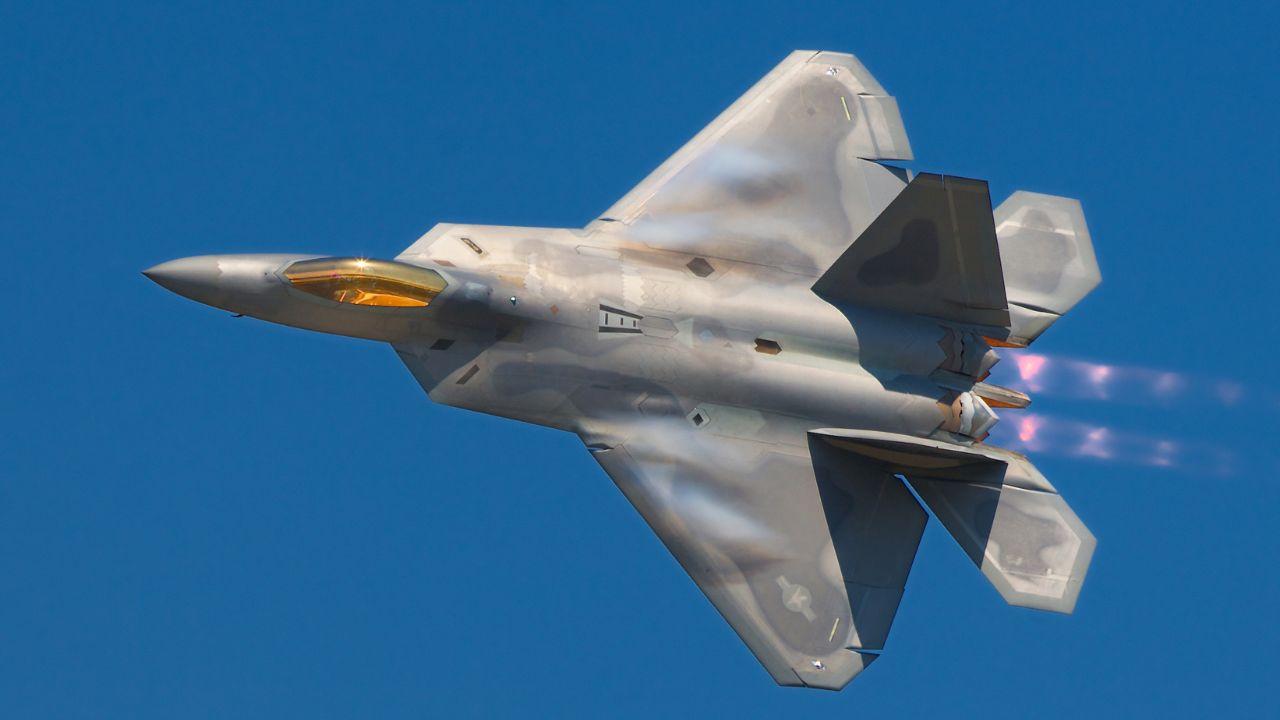
George Washington – F-22 Raptor

The first Commander-in-Chief didn’t need drama to get results. George Washington was calm under pressure, disciplined, and relentlessly strategic, qualities that made him a natural leader both on and off the battlefield. He didn’t pick fights, but he ended them. And when he moved, he did so with precision, purpose, and overwhelming control.
Enter the F-22 Raptor.
This fifth-generation stealth fighter is the ultimate expression of air dominance. It doesn’t seek attention, but when it shows up, it changes the course of the battle. Fast, agile, and packed with cutting-edge technology, the F-22 is designed to secure air superiority through stealth, speed, and sensor advantage before the enemy can effectively respond, just like Washington crossing the Delaware under the cover of night.
If Washington had wings, they’d be invisible to radar. He’d lead from above, secure the high ground, and fly with total authority, always ready, always watching, and always one step ahead.
Benjamin Franklin – SR-71 Blackbird

Benjamin Franklin wasn’t a soldier in the traditional sense: he was a strategist, a statesman, and a scientific visionary. He navigated both political backchannels and atmospheric experiments with equal ease, always seeking knowledge, always working behind the scenes. He was a man of letters, lightning, and long-range thinking.
That’s why he’d fly the SR-71 Blackbird.
The Blackbird wasn’t built to drop bombs or dogfight, it was built to outthink and outrun. Cruising above 80,000 feet at speeds exceeding Mach 3, it soared so high and fast that few threats could catch it, and few platforms could match its reconnaissance capability. Its mission was intelligence: gather data, stay untouchable, and get home before the enemy even knew it was there. Franklin would’ve appreciated that kind of elegance.
Like Franklin, the SR-71 didn’t make noise for the sake of it, it made history by being smarter, sharper, and years ahead of its time. It was cloaked in mystery, packed with innovation, and designed to observe rather than attack. If Franklin had wings, they’d be titanium-skinned and trailed by sonic booms.
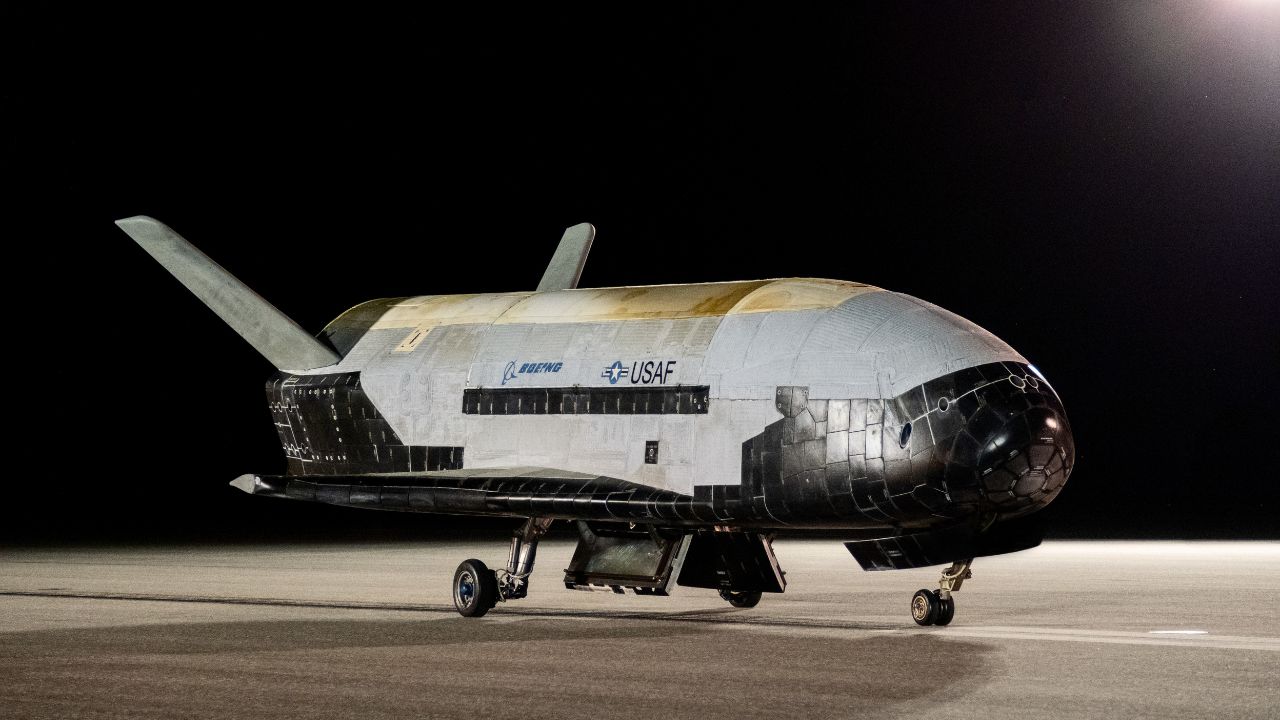
Thomas Jefferson – X-37B Orbital Test Vehicle
Jefferson wasn’t just a founding father, he was a futurist. A scientist, architect, and inventor, he filled Monticello with self-designed gadgets and studied the stars for fun. If he were alive today, he wouldn’t be flying cutting-edge tech, he’d be designing it.
The X-37B fits him perfectly. This secretive, uncrewed spaceplane orbits Earth for months at a time, testing experimental spaceflight technologies during long-duration orbital missions. It’s experimental, autonomous, and built for a future most people haven’t imagined yet, just like Jefferson’s vision for the country he helped create.
He wouldn’t ride the mission. He’d write the mission statement.
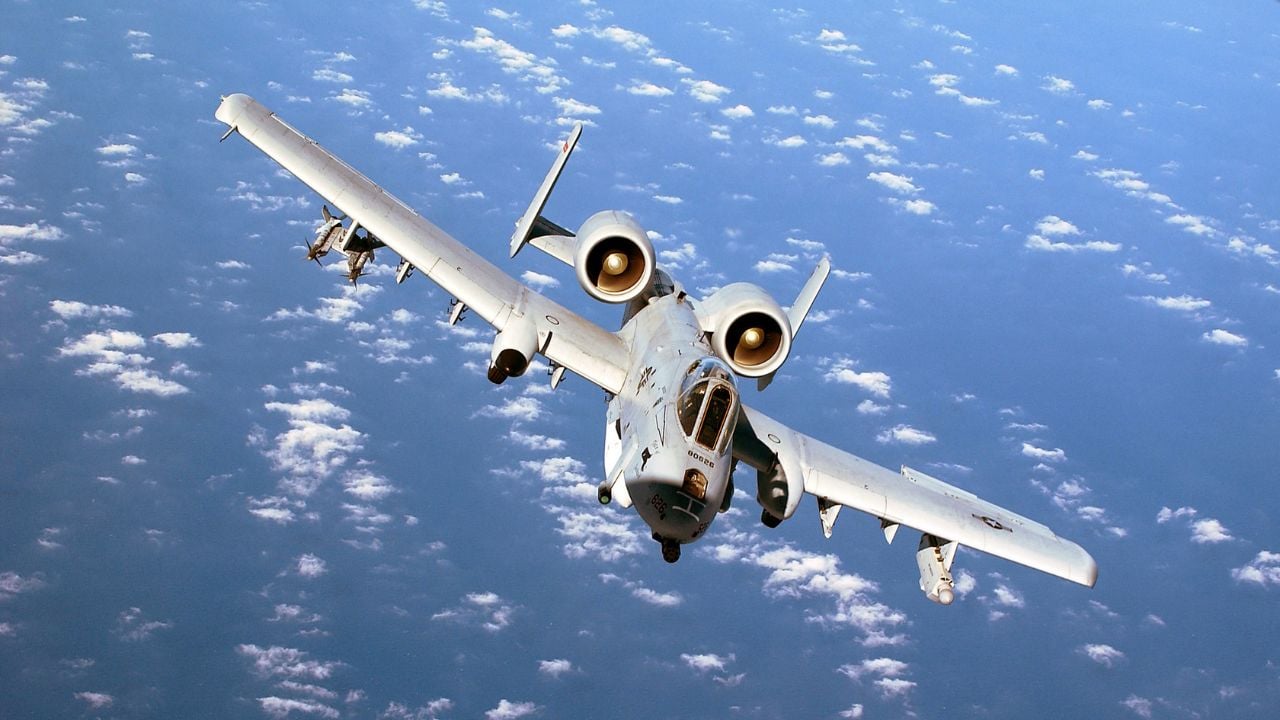
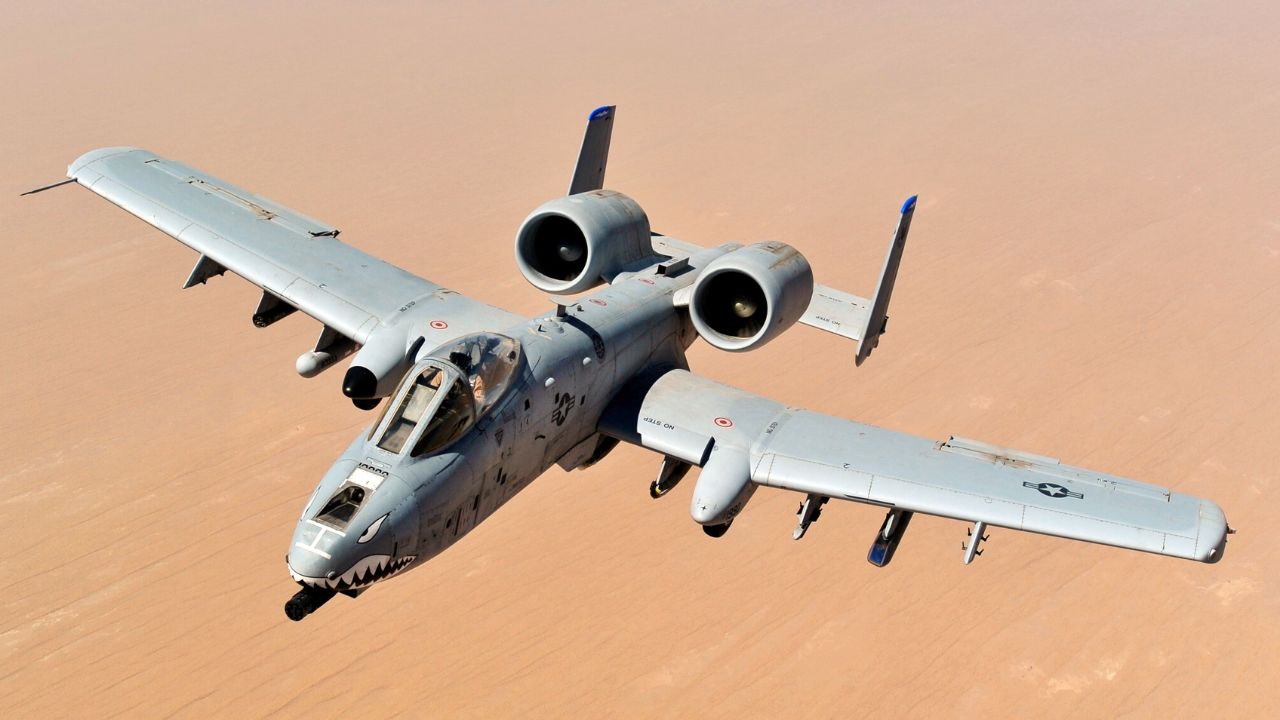
Alexander Hamilton – A-10 Thunderbolt II (Warthog)
Hamilton wasn’t one to back down. A fiery debater, battlefield veteran, and political scrapper, he charged through conflict with intensity and precision. Whether writing policy or facing a duel, he thrived under pressure and never pulled his punches.
That’s pure A-10 Warthog.
Built for close air support, the A-10 dives headfirst into danger, shrugs off damage, and delivers devastating close-air-support firepower with its iconic GAU-8 cannon. It flies low, fights dirty, and keeps coming back. It’s not sleek, it’s unstoppable.
Like Hamilton, the Warthog doesn’t win with elegance. It wins with grit, firepower, and sheer force of will.
John Adams, KC-135 Stratotanker
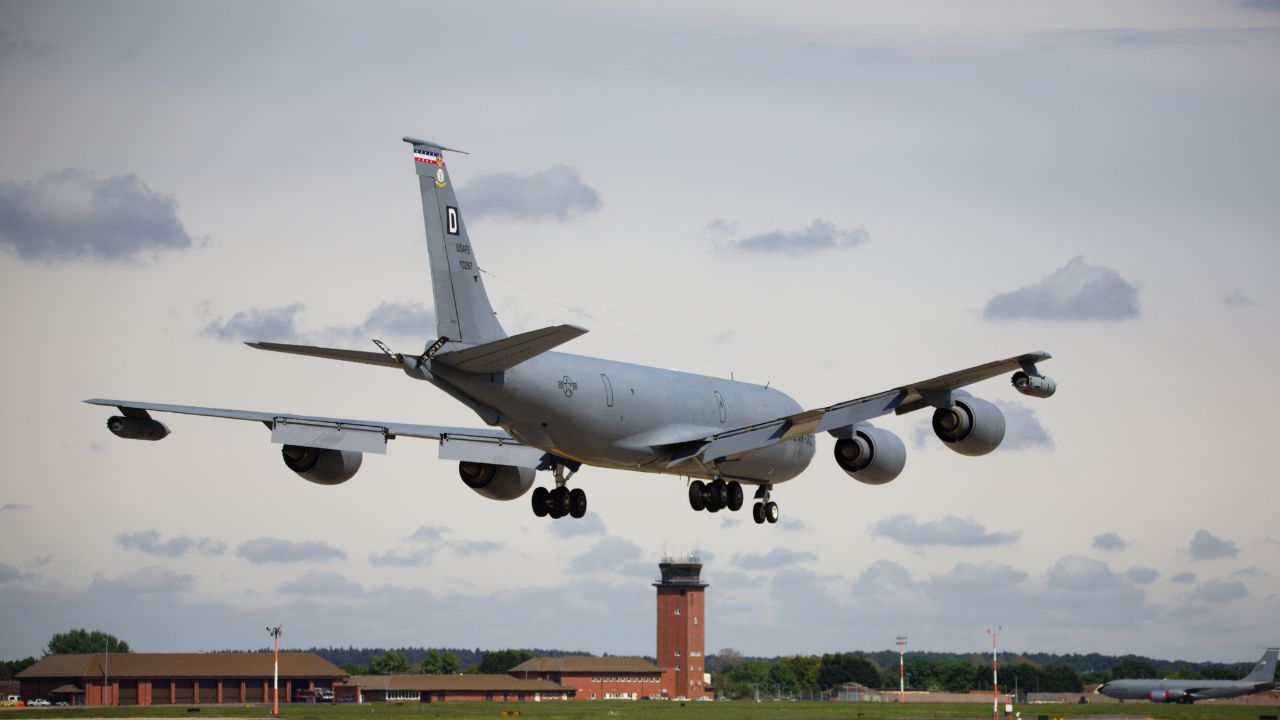
John Adams wasn’t the flashiest Founding Father, but without him, the whole thing might’ve stalled. Principled, methodical, and fiercely committed to duty, Adams worked behind the scenes to keep the revolution, and the new republic, moving forward.
That’s the KC-135 to a tee.
This aerial refueling aircraft doesn’t dogfight or drop bombs, but it’s what keeps the real action in the air. Quiet, consistent, and built for long-duration support missions, the KC-135 fuels the fighters, extends the mission, and ensures no one runs out of steam mid-battle.
It’s not glamorous, but it’s indispensable. Just like Adams.
James Madison – F-16 Fighting Falcon
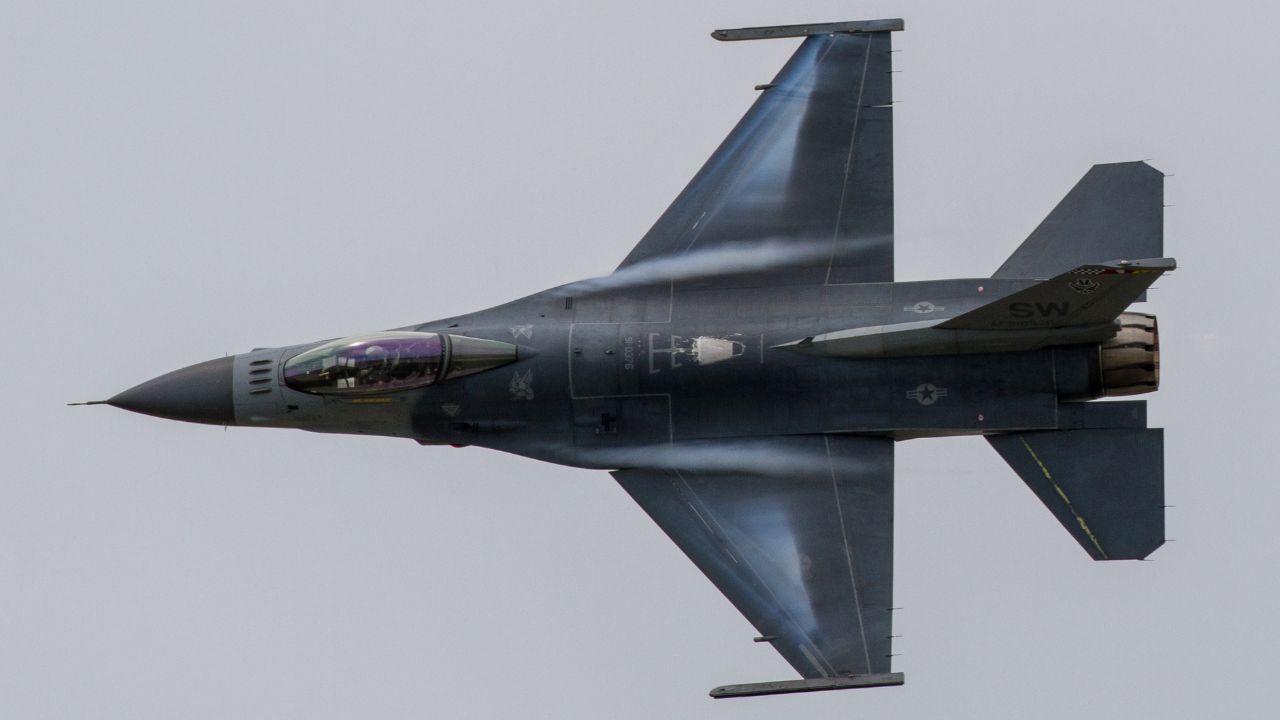
Small in stature, James Madison may have been the smallest Founding Father, but he was a heavyweight in intellect and strategy. The chief architect of the Constitution, Madison, was fast-thinking, adaptable, and laser-focused on the long game.
That makes him a perfect match for the F-16 Fighting Falcon.
Light, nimble, and battle-proven, the F-16 is a multirole fighter that thrives on precision. It’s not the biggest jet in the sky, but it’s often the most effective. Like Madison, it punches far above its weight and always knows exactly where it’s going.
John Hancock – B-1B Lancer
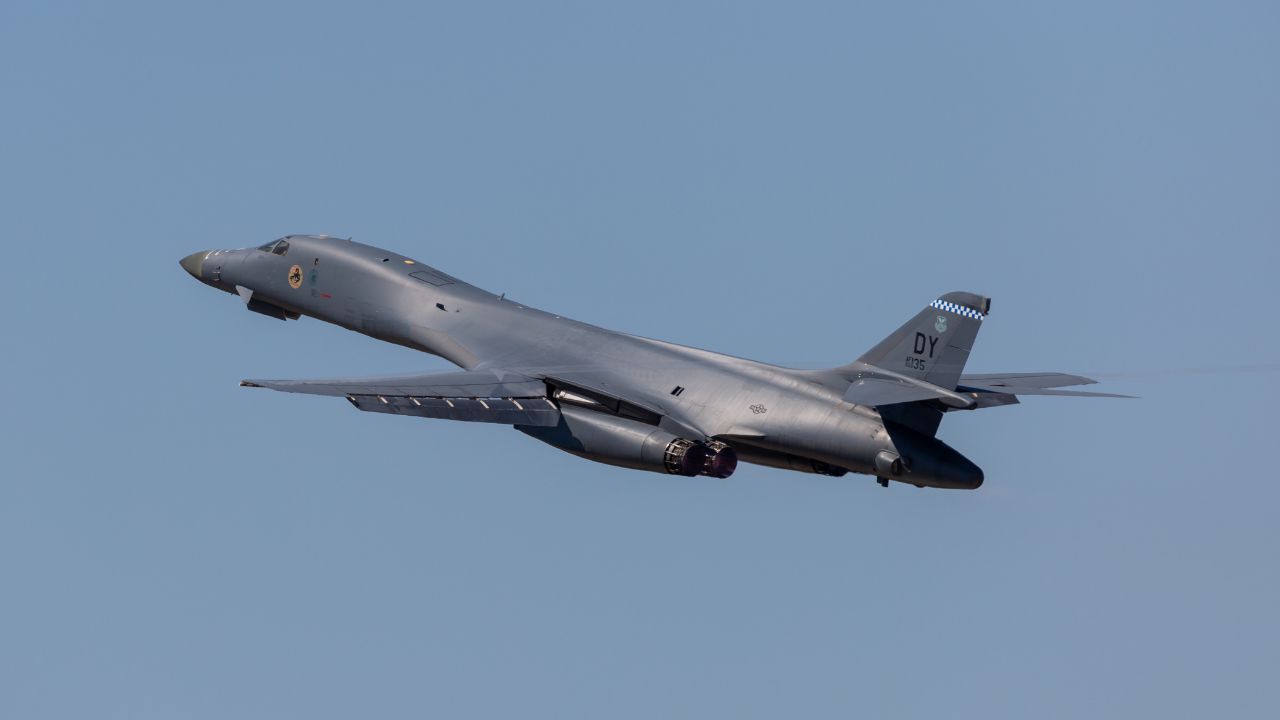
John Hancock wasn’t just a signer; he was the signer. Big, dramatic, and unapologetically bold, he made sure his name stood out in history. If he were airborne, he’d fly something just as commanding.
Enter the B-1B Lancer.
This supersonic bomber prioritizes speed and payload over stealth with low-altitude speed and thunderous force. It’s sleek, fast, and built to leave an impression. Like Hancock, it doesn’t do subtle. It does spectacle, and it does it well.
Paul Revere – UH-60 Black Hawk

Paul Revere’s midnight ride wasn’t about glory, it was about getting the message through, no matter the risk. He was quick, resourceful, and mission-focused. If he had today’s tools, he’d swap his horse for a Black Hawk without hesitation.
The UH-60 Black Hawk is built for moments like that.
Agile, versatile, and endlessly adaptable, it serves in combat zones, disaster relief, and everything in between. It gets people where they need to go: under fire, under pressure, or under cover of night.
Like Revere, the Black Hawk doesn’t wait for permission. It moves when it matters.
Stars, Stripes, and Afterburners

Our Founding Fathers never touched a cockpit, but if they had, you can bet they’d choose machines that matched their minds and missions. Some would lead from above. Some would scout. Some would strike with full force.
Because revolutions don’t always happen on horseback. Sometimes, they break the sound barrier.