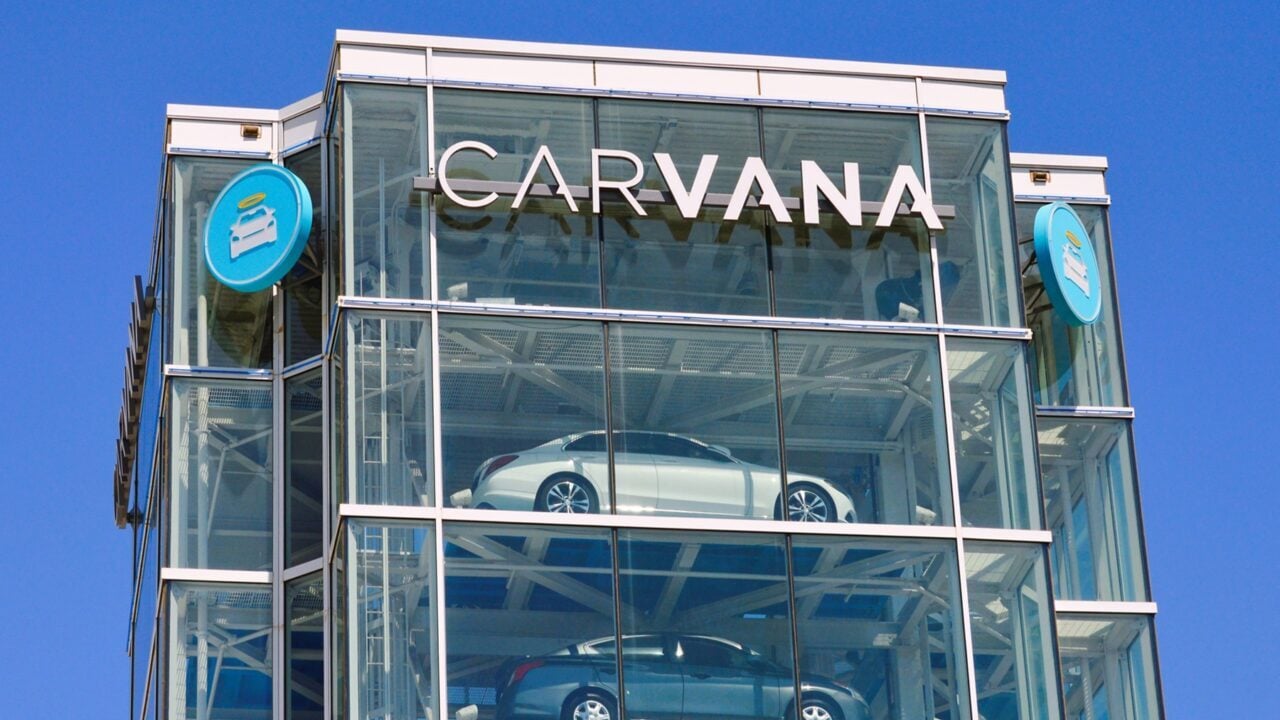
Carvana built its reputation by changing the way people buy used cars. Now, the online retailer is making a surprising move into the new-car market through a growing network of Stellantis dealerships, as reported by Automotive News.
The company has quietly acquired several Chrysler, Dodge, Jeep, and Ram stores across the United States over the past year. While Carvana has not publicly outlined its long-term plans, the purchases signal a significant expansion beyond its traditional used-vehicle business.
The move comes after a remarkable turnaround for the company. Just a few years ago, Carvana was facing serious financial challenges, but it has since rebounded and emerged as one of the most valuable automotive retail companies in the industry.
Industry observers are now watching closely to see whether Carvana’s digital-first approach can reshape the way new vehicles are sold. Early results suggest the strategy may already be generating attention from both competitors and manufacturers.
A Growing Dealership Network

Carvana’s first known dealership acquisition was a Chrysler Dodge Jeep Ram store in Casa Grande, Arizona. Since then, the company has continued expanding its footprint, purchasing additional Stellantis dealerships in multiple markets.
Reports indicate that Carvana now owns at least seven Stellantis franchises. One of the latest additions is located in Avon Lake, Ohio, near Cleveland, adding another physical retail location to the company’s growing network.
Unlike traditional acquisitions that often leave dealership branding unchanged, these stores have been integrated into the Carvana ecosystem. Many now feature Carvana-branded websites while continuing to operate as authorized Stellantis retailers.
The company has yet to explain why it selected Stellantis as its first new-car partner. Analysts suggest dealership availability and favorable acquisition costs may have played a role in the decision.
Sales Results Have Drawn Attention
The performance of some newly acquired stores has attracted significant industry interest. The Casa Grande dealership, in particular, has reportedly experienced a dramatic increase in sales after joining the Carvana network.
Before the acquisition, the Arizona store typically sold between 30 and 50 new vehicles per month. Recent figures reportedly place monthly sales above 700 units, making it one of the highest-volume Stellantis dealerships in the country.
While several factors may contribute to that growth, the numbers suggest Carvana’s approach is resonating with customers. The company’s ability to combine digital retail tools with a physical dealership presence appears to be creating a powerful sales channel.
Those results have naturally raised questions about whether the model can be replicated elsewhere. If successful, it could encourage further expansion into new-car retailing.
Blending Online Convenience With Traditional Dealerships
Carvana’s strategy differs from that of most conventional dealerships. The company built its business around online transactions, allowing customers to complete much of the vehicle-buying process without stepping into a showroom.
That digital experience remains a key part of the formula. Customers can browse inventory online, arrange financing, and complete purchases using many of the same tools that made Carvana successful in the used-car market.
At the same time, the newly acquired dealerships continue to provide services that online-only retailers cannot easily replicate. Buyers can visit the showroom, test-drive vehicles, and access factory-authorized service departments after the sale.
This hybrid approach may offer the best of both worlds. Customers gain the convenience of digital shopping while still maintaining access to traditional dealership support and service infrastructure.
A Potential Shift In Automotive Retail
For now, Carvana’s new-car operations remain focused entirely on Stellantis brands. However, the success of the early stores has sparked speculation that other manufacturers could eventually become part of the company’s strategy.
The expansion is already drawing attention from existing dealers. Some see Carvana as a new type of competitor capable of challenging long-established retail practices through technology and streamlined purchasing processes.
Others view the company’s success as a signal that the industry may need to evolve. Digital retailing has become increasingly important, and consumers continue to demand faster and more convenient buying experiences.
Carvana has not yet revealed its broader vision for new-car sales, but its dealership acquisitions suggest the company is thinking far beyond used vehicles. If its early success continues, the online retailer could become one of the most influential forces shaping the future of automotive retail in North America.